Choosing a reliable Titanium Bar supplier takes more than comparing prices. Buyers need material that matches the application, arrives with clear documentation, and stays consistent from one order to the next. A bar may look flawless on arrival, yet its grade, dimensions, or traceability can still require careful verification.
Details matter. For global buyers, shipping options, export experience, production capacity, and communication can shape the whole purchasing process. A dependable supplier should explain available grades and specifications, provide relevant inspection records, and answer practical questions without vague promises. Ask about tolerances, test reports, packaging, and lead times before placing an order. These checks can help prevent costly delays and mismatched material.
This guide introduces seven Titanium Bar suppliers for buyers comparing capabilities across international markets. It considers factors such as product range, quality controls, customization, and service—not price alone. Supplier information can change, and a company that fits one project may not suit another. That is worth remembering. Treat the list as a starting point, then confirm current specifications, certifications, stock, and delivery terms directly with each supplier. A short conversation, backed by written documentation, often reveals more than a polished product page.
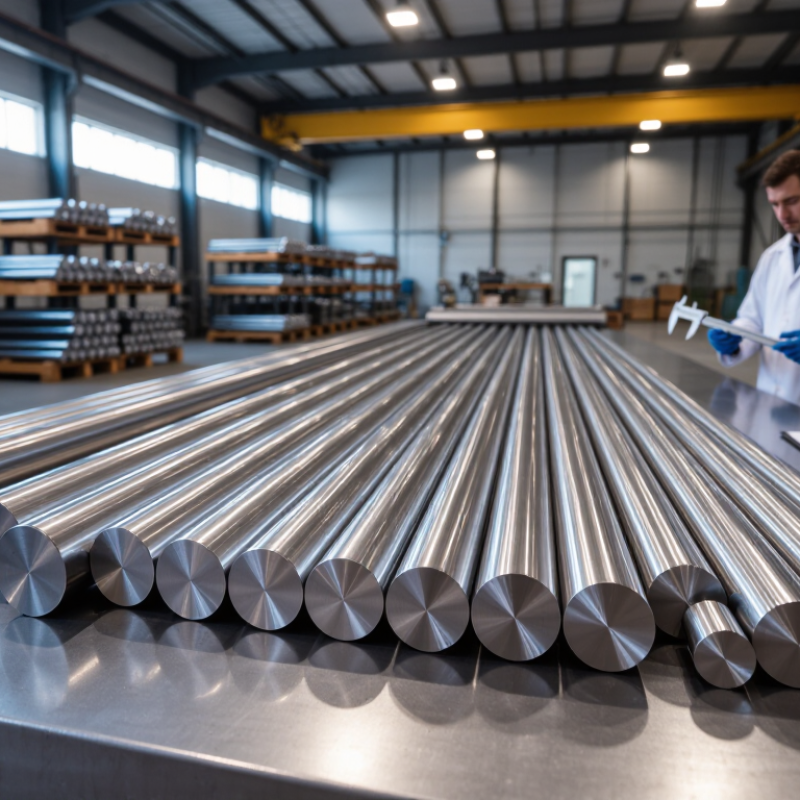
Titanium Bar Types, Grades, and Common Applications
Titanium bars are supplied in round, square, hexagonal, and flat profiles. Round bars are common for shafts, fasteners, and machined components; flat stock suits brackets and structural parts. Grade selection matters more than appearance. Commercially pure Grades 1–4 offer different balances of formability and strength, while Grade 5, or Ti-6Al-4V, is valued for its high strength-to-weight ratio. Grade 23 provides lower interstitial content and is often considered for demanding medical applications.
Applications vary with both grade and service conditions. Aerospace manufacturers use titanium alloys in lightweight components, while chemical-processing facilities may choose commercially pure grades for equipment exposed to corrosive media. Marine parts can benefit from titanium’s resistance to seawater, though design details still affect performance. For medical use, buyers should confirm that the material and documentation meet the project’s specifications. Small details matter.
When comparing suppliers, request material test reports and check the stated grade, dimensions, surface condition, and delivery condition. A bar intended for machining may need different tolerances from one used as raw stock. Ask how traceability is maintained, especially for critical components. Certificates are useful, but they do not replace independent inspection when risk is high. One practical caution: titanium grades are not interchangeable, even when two bars look identical. I have seen buyers focus on price and overlook machining behavior; that can mean extra tool wear and delays.
7 Best Titanium Bar Suppliers for Global Buyers - Titanium Bar Types, Grades, and Common Applications
| Supplier Type | Typical Bar Products | Common Grades | Common Applications | What Buyers Should Verify |
|---|---|---|---|---|
| Integrated titanium mill | Hot-rolled, forged, and finished round bars; cut-to-length stock may be available. | Commercially pure Grades 1–4; alloy Grades 5 and 23, subject to mill capability. | Aerospace structures, chemical-processing equipment, energy systems, and general industrial components. | Applicable material specification, heat and lot traceability, test certificates, dimensional tolerances, and production lead time. |
| Aerospace-focused metals stockist | Precision-dimensioned round bar and cut lengths, commonly supplied with material documentation. | Grade 5 (Ti-6Al-4V) and Grade 23 (Ti-6Al-4V ELI) are common aerospace alloys. | Aircraft fittings, structural parts, fasteners, and other weight-sensitive components. | Required aerospace or customer specifications, approved-source requirements, full traceability, and acceptance documentation. |
| Medical-material distributor | Bar stock for machining, with controlled documentation and traceability where specified. | Grade 23 (Ti-6Al-4V ELI) and commercially pure Grade 4 are used in medical-device supply chains. | Implantable and surgical-device components, subject to design, regulatory, and material requirements. | Exact standard and condition, chemical and mechanical test results, traceability, and any required quality-system documentation. |
| Industrial metals service center | Standard round bar sizes, saw-cut lengths, and stockholding for industrial orders. | Grades 2 and 5 are commonly specified for general industrial and corrosion-resistant uses. | Chemical processing, marine hardware, pump and valve parts, and machined components. | Stock condition, actual dimensions, cutting tolerances, certification, and suitability for the operating environment. |
| Regional titanium importer or distributor | Imported bar stock in standard or project-specific dimensions, depending on inventory and sourcing. | Grades 2 and 5 are widely specified; other grades depend on the source and order. | Local manufacturing, maintenance, fabrication, and project procurement. | Country of origin, customs and delivery terms, original mill documentation, batch traceability, and import requirements. |
| Specialty-alloy and corrosion-service supplier | Bar stock selected for demanding corrosion, temperature, or process-service conditions. | Grade 7 (commercially pure titanium with palladium) and Grade 12 (a titanium-molybdenum-nickel alloy) may be specified for particular service conditions. | Chemical-processing equipment, heat exchangers, and components exposed to corrosive media. | Corrosion conditions, design code, grade and specification, test documentation, and compatibility with the actual process environment. |
| Custom forging or bar-processing producer | Forged or specially processed bar, custom dimensions, and project-specific cut lengths. | Grade selection is project-dependent; Grades 2 and 5 are common choices for many industrial and structural uses. | Large machined parts, specialized equipment, and components requiring custom sizes or processing. | Manufacturing route, starting-material traceability, dimensional and mechanical requirements, inspection plan, and agreed delivery schedule. |
Supplier types are presented as sourcing options, not as a ranked list of named companies. Grade availability, bar condition, dimensions, and applicable specifications vary by supplier and order. Confirm the required standard and certificates before purchase.
FAQS
Common profiles include round, square, hexagonal, and flat. Round bars often suit shafts; flat stock fits brackets.
Grades 1–4 are commercially pure, with different balances of formability and strength. Grade 5 offers a high strength-to-weight ratio. Looks can mislead.
Its lower interstitial content may suit demanding medical applications. Confirm material requirements and documentation for the specific project.
Lightweight aerospace parts, corrosion-exposed processing equipment, and some marine components may use titanium. Design details still matter.
Match the grade, dimensions, surface condition, and delivery condition to the drawing. Ask for a current material test report.
Check that the certificate lists the actual grade, test results, and heat number. A certificate logo alone proves little.
Review available sizes, cut-to-length options, inventory, lead times, minimum orders, and delivery costs. A low quote may hide extra charges.
Large repeat orders may suit integrated mills, while prototypes may need small-batch service centers. I may be overchecking, but written terms help.
Confirm tolerances and inspection options for the intended use. Similar-looking bars can machine differently, causing tool wear or delays.
Conclusion
This guide helps global buyers understand the main types and grades of Titanium Bar, along with their typical uses across industries that require strength, corrosion resistance, and dependable performance. It explains how to assess suppliers by considering product range, material traceability, quality certifications, manufacturing capabilities, export experience, and logistics support.
The article also presents an impartial framework for comparing seven supplier profiles without relying on brand claims. Buyers can use the comparison criteria and verification steps to review specifications, request relevant documentation, assess communication and delivery arrangements, and confirm that a supplier can meet their requirements. These practical considerations support a more informed selection process and help reduce sourcing risks for international orders.