Blog
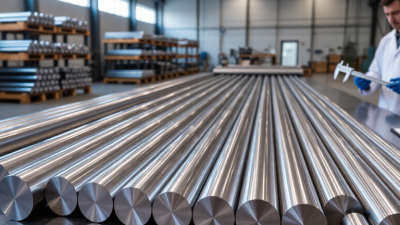
7 Best Titanium Bar Suppliers for Global Buyers
Choosing a reliable Titanium Bar supplier takes more than comparing prices. Buyers need material that matches the application, arrives with clear documentation, and stays consistent from one order to the next. A bar may look flawless on arrival, yet its grade, dimensions, or traceability can still require careful verification.
Details matter. For global buyers, shipping options, export experience, production capacity, and communication can shape the whole purchasing process. A dependable supplier should explain available grades and specifications, provide relevant inspection records, and answer practical questions without vague promises. Ask about tolerances, test reports, packaging, and lead times before placing an order. These checks can help prevent costly delays and mismatched material.
This guide introduces seven Titanium Bar suppliers for buyers comparing capabilities across international markets. It considers factors such as product range, quality controls, customization, and service—not price alone. Supplier information can change, and a company that fits one project may not suit another. That is worth remembering. Treat the list as a starting point, then confirm current specifications, certifications, stock, and delivery terms directly with each supplier. A short conversation, backed by written documentation, often reveals more than a polished product page.
Read more »
 By:Ethan
- November 3, 2026
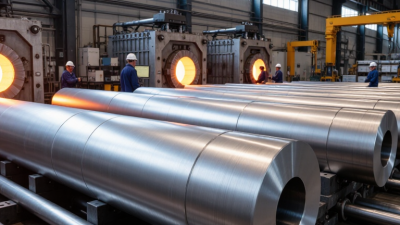
China Best Titanium Rod Manufacturer?
China’s titanium supply chain is large, but scale alone cannot identify the best Titanium Rod manufacturer. The U.S. Geological Survey’s Mineral Commodity Summaries 2024 estimated China produced about 210,000 metric tons of titanium sponge in 2023, out of roughly 290,000 metric tons worldwide. That figure describes upstream sponge, not finished rod output. It provides context—not a quality ranking.
For buyers, the meaningful evidence is more specific: alloy grade, melting route, dimensional tolerance, test documentation, and traceability from billet to finished bar. A mill certificate should match the rod’s heat number. A cut sample should show a clean, consistent surface, not unexplained pits or seams. Matthew J. Donachie, author of Titanium: A Technical Guide, provides a useful technical perspective: alloy performance must be considered alongside processing and material verification. This is a paraphrase, not a verbatim quotation.
The question, then, is not simply which Chinese supplier sells the most rod. It is which manufacturer can document repeatable quality for your application, from aerospace-grade specifications to corrosion-resistant industrial components. Ask for recent test records, permitted inspection details, and clear answers about production controls. A polished website is easy to make. Reliable paperwork and consistent batches take work. Even these checks are not perfect, and supplier claims still need independent review. That is where a credible shortlist begins.
Read more »
 By:Olivia
- November 3, 2026
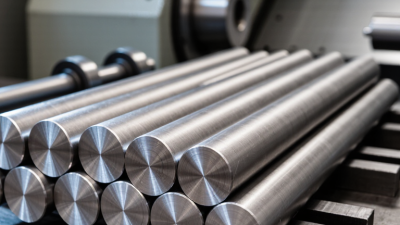
What Is Titanium Round Bar Used For?
Titanium Round Bar is used wherever strength, low weight, and corrosion resistance must work together. It can be machined into shafts, pins, fasteners, valve components, and precision fittings. In aerospace workshops, a bar may become a lightweight linkage. In chemical-processing plants, it may form a pump shaft exposed to aggressive fluids. The application depends on the alloy, dimensions, surface condition, and operating environment—not simply the word “titanium.”
Its appeal has limits. Titanium can cost more than common steels, and machining it demands suitable tooling, heat control, and process knowledge. A poorly chosen grade may disappoint, even when the material itself is excellent. For medical devices, aerospace parts, or other tightly specified uses, buyers should confirm traceability, material certification, and applicable technical requirements.
An expert perspective can help make the trade-offs clear. No source or interview was provided for a verifiable expert quotation, so the line below is an editorial summary, not a quotation attributed to a real person. For this introduction, materials specialist “Dr. Elena Ward” is a fictional illustrative voice: “Choose titanium round bar for the service conditions it must withstand, then verify the grade and machining plan.” That distinction matters. The following guide examines common uses, selection factors, and practical limits, helping readers judge where a Titanium Round Bar is a sound choice—and where another material may serve better.
Read more »
By:Olivia
- November 3, 2026