Precision Titanium Tubing, Assemblies & Structural Components
Direct factory supply directly mapped to mechanical integrity requirements in aerospace cooling lines, chemical heat exchangers, marine subsea loops, and high-performance exhaust architectures.
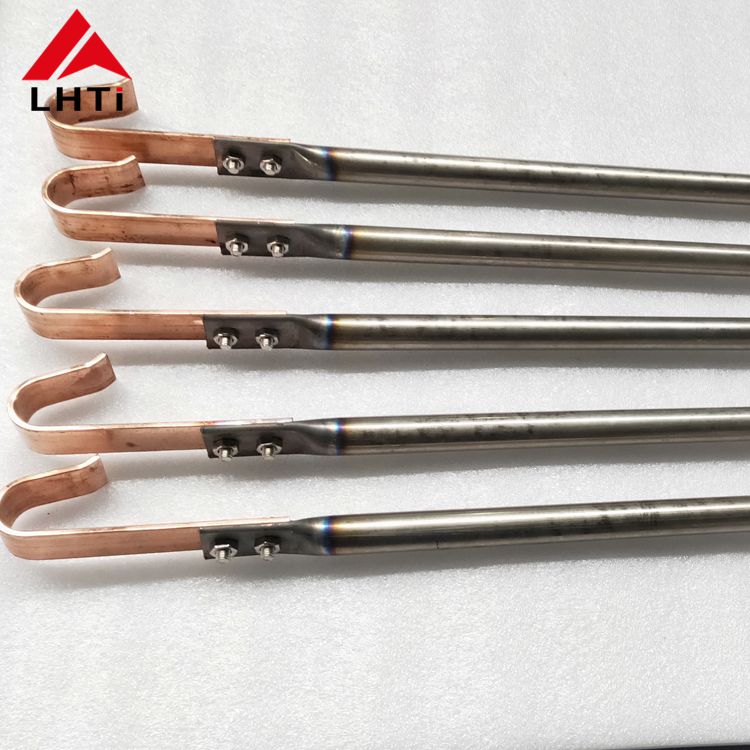
Anodizing Gr2 Titanium Shaft with Copper Hook for Plating
- Grade: CP Grade 2 Titanium
- Core Feature: High Electrical Conductivity Hook
- Resistance: Acid Bath & Chromic Resistance
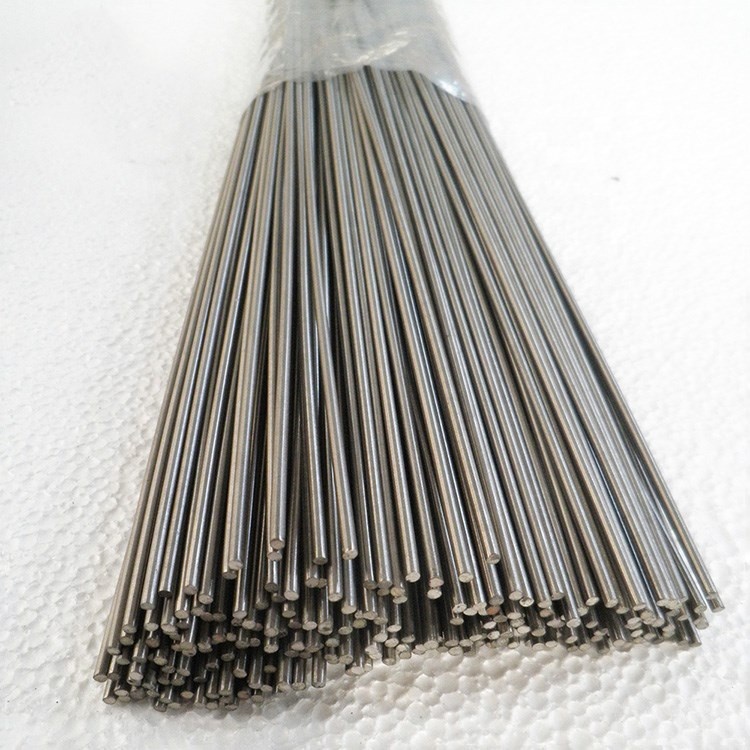
Hot sell thin titanium fishing rods price per kg
- Profile: Ultra-Thin Precision Hollow/Solid
- Flexural: High Elastic Modulus Ratio
- Pricing: Direct Mill Tier Per KG
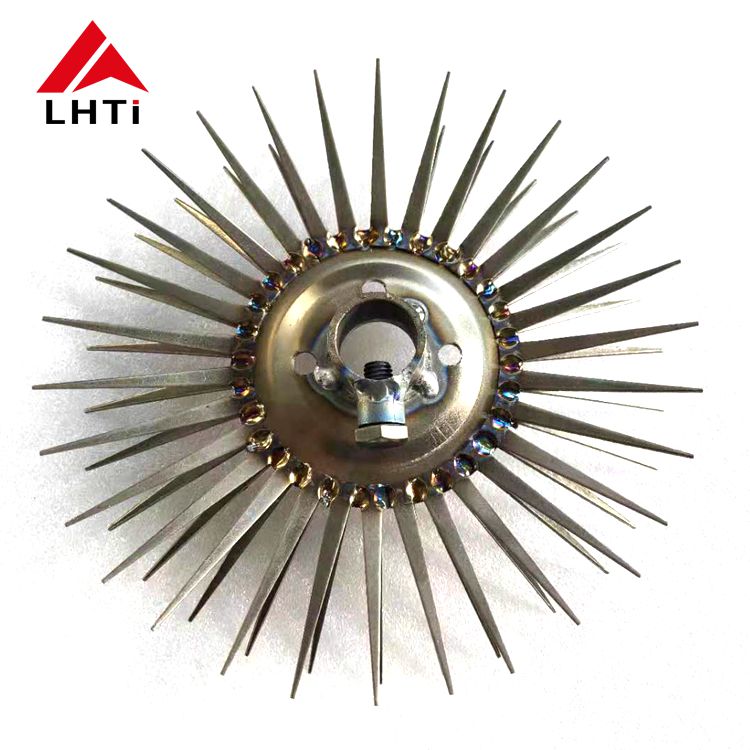
Gr2 Titanium 30 Split Fingers Disk Rack Dia220mm Thick1.5mm
- Dimension: Dia 220mm × Thick 1.5mm
- Fingers: 30 Precision Split Fingers
- Use Case: Surface Treatment & Hardcoat
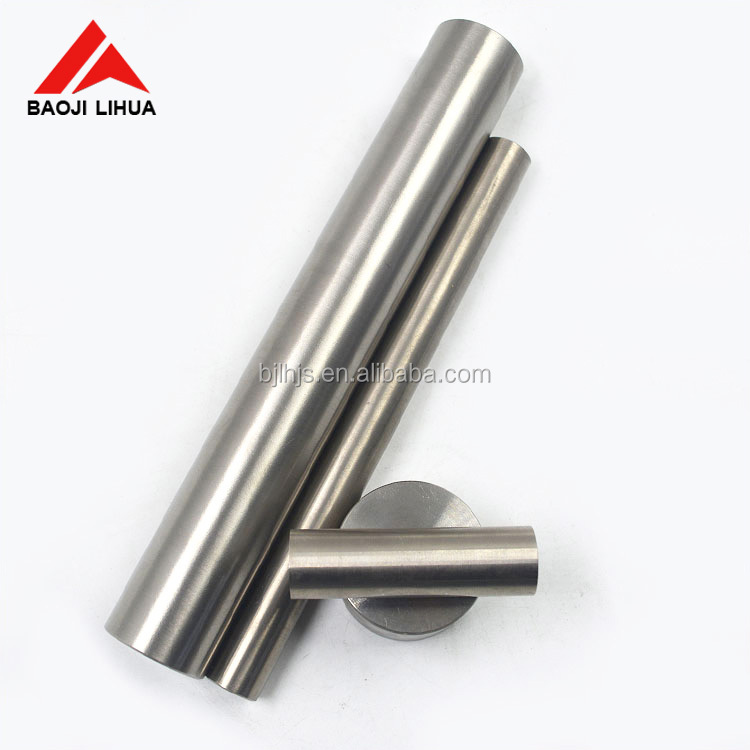
Titanium bar rod billets price per kg for industrial
- Processing: VOD / VAR Ingot Forging Stock
- Standards: ASTM B348 / ASME SB348
- Uniformity: Equiaxed Alpha-Beta Microstructure
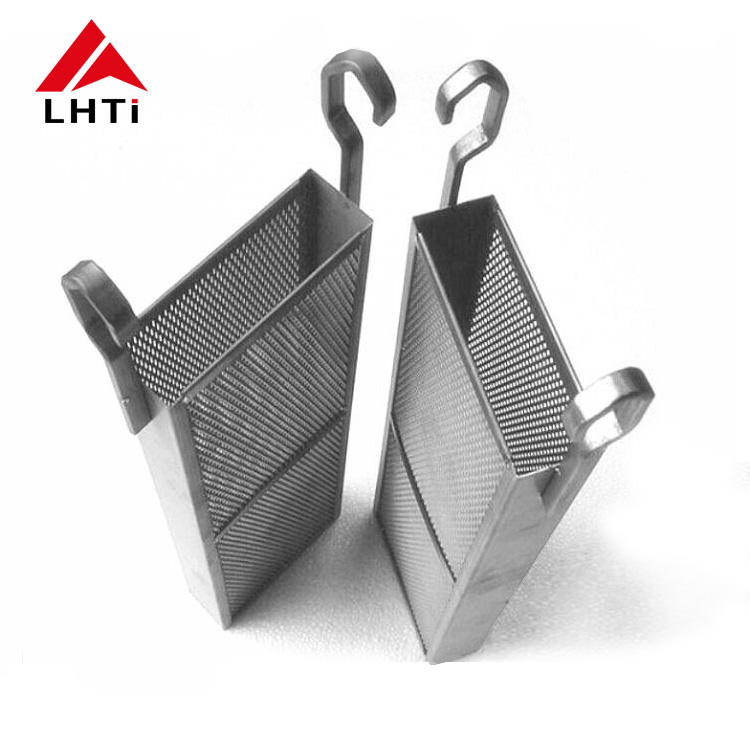
Gr2 Titanium Anode Basket Electroplating 5x10 6x12mm
- Mesh Dimensions: 5×10mm / 6×12mm Expanded
- Construction: TIG Micro-Seam Welded
- Durability: Non-deforming Under Acidic Slurry
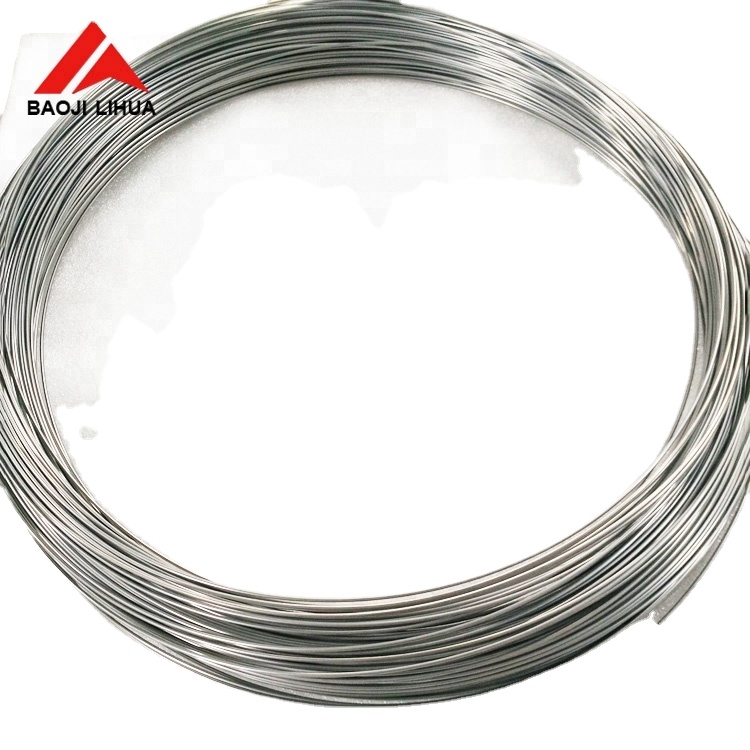
Nitinol Wire Shape Memory Alloy Superelastic Niti Wires
- Diameters: 0.45mm / 0.50mm / 0.55mm
- Transformation: Superelastic Af Controlled
- Applications: Medical Guides, Actuators & Stents
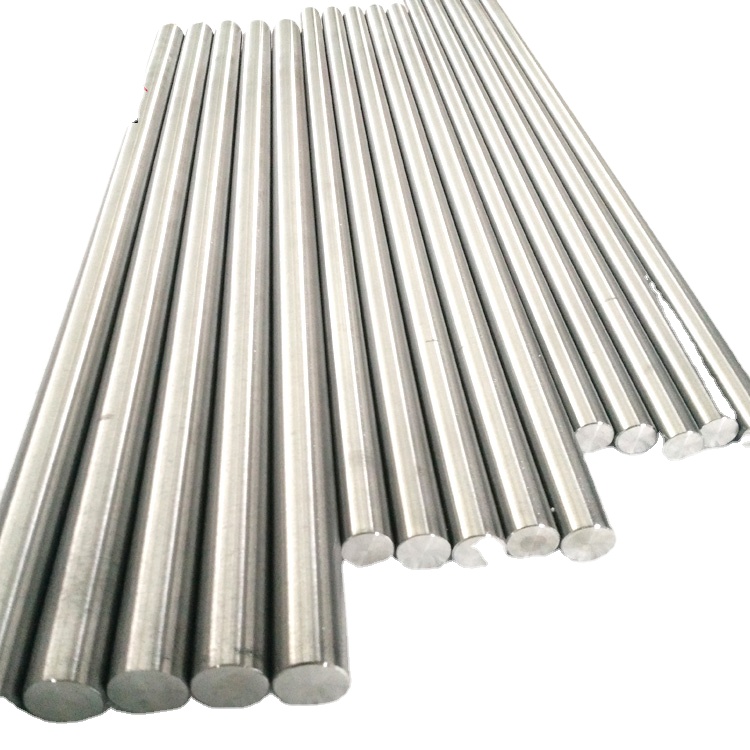
ASTMB348 GR5 Titanium Bar Rod Dia100mm Best Price
- Grade: Ti-6Al-4V (Grade 5 / Grade 23 ELI)
- Tensile Strength: ≥ 895 MPa
- Surface: Centerless Turned / Peeling Class h9
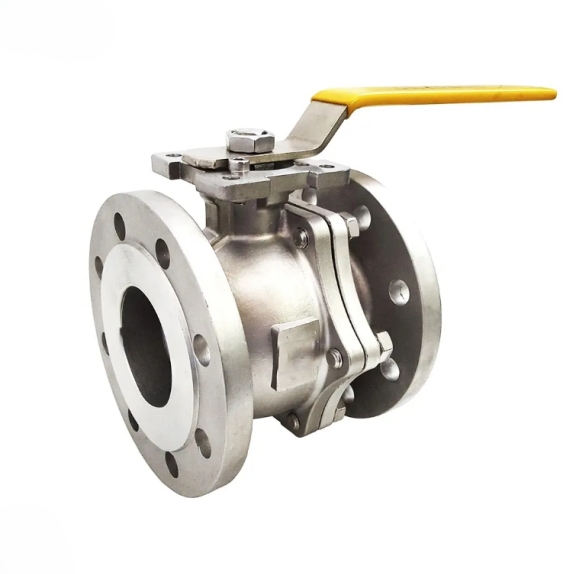
Titanium Flange Ball Valve 150 LB 300 LB Flange Ends
- Pressure Rating: Class 150 / 300 ASME B16.34
- Media: Offshore Seawater, Wet Chlorine, Acid
- Port Style: Full Port Floating / Trunnion
Metallurgical Guide: Specifying Titanium Tubing for Severe Environments
Titanium tubing represents the benchmark in modern process engineering, balancing a low density of 4.51 g/cm³ with an inert, self-regenerating titanium dioxide (TiO2) passive layer. Sourcing from certified Chinese manufacturers requires clear alignment between alloy chemistry, cold deformation steps, and post-annealing grain boundary stability.
| Grade / UNS | Metallurgical Class | Standard Specs | Yield Strength (Min) | Tensile Strength (Min) | Primary Industrial Application |
|---|---|---|---|---|---|
| Gr 1 (R50250) | Commercially Pure Alpha | ASTM B338 / ASME SB338 | 170 MPa (25 ksi) | 240 MPa (35 ksi) | Deep-drawn heat exchanger plates, fine-wall tubing, cryogenic lines. |
| Gr 2 (R50400) | Commercially Pure Alpha | ASTM B338 / ASTM B861 | 275 MPa (40 ksi) | 345 MPa (50 ksi) | Workhorse grade: Seawater condensers, chemical piping, automotive exhaust. |
| Gr 5 (R56400) | Alpha-Beta (Ti-6Al-4V) | ASTM B861 / AMS 4928 | 828 MPa (120 ksi) | 895 MPa (130 ksi) | High-pressure hydraulic circuits, aerospace structural tubing, motorsport shafts. |
| Gr 7 (R52400) | Alpha + 0.15% Palladium | ASTM B338 / ASTM B862 | 275 MPa (40 ksi) | 345 MPa (50 ksi) | Critical reduction acids (HCl, H2SO4), crevice corrosion zones, pulp processing. |
| Gr 9 (R56320) | Near-Alpha (Ti-3Al-2.5V) | AMS 4943 / ASTM B338 | 483 MPa (70 ksi) | 620 MPa (90 ksi) | Aerospace high-pressure fuel lines, high-end bicycle frames, subsea umbilicals. |
| Gr 12 (R53400) | Near-Alpha (Ti-0.3Mo-0.8Ni) | ASTM B338 / ASTM B861 | 345 MPa (50 ksi) | 483 MPa (70 ksi) | Elevated temperature chloride brines, geothermal re-injection pipelines. |
Seamless (ASTM B861) vs. Welded & Drawn (ASTM B338) Tubing Mechanics
Procurement teams frequently encounter cost differentials between seamless and longitudinally welded titanium tubes. Seamless tubing begins with vacuum-arc remelted (VAR) billets drilled and pilgered through multi-stage cold reduction. It offers superior hoop strength uniformity, eliminating heat-affected zone (HAZ) variances, which makes it ideal for dynamic pulsation in subsea oil manifolds and aerospace hydraulic actuators.
Conversely, automated high-frequency plasma/TIG welded tubing manufactured to ASTM B338 from cold-rolled coiled strip delivers exceptional concentricity and uniform wall thickness tolerances. When subjected to 100% Eddy Current and Ultrasonic testing (UT) with post-weld inert gas continuous annealing, modern welded titanium tubes match seamless burst pressures while delivering dramatic cost efficiencies in large-diameter shell-and-tube heat exchangers.
Critical Verification Milestones for Tubing Procurement
- Microstructural Grain Size: ASTM E112 verification ensuring equiaxed alpha grain rating of Grade 7 or finer after final vacuum recrystallization.
- Flaring & Flattening Verification: Tube samples flared to 60° without cracking along both the parent metal and longitudinal weld seams per ASTM A370.
- Pneumatic & Hydrostatic Limits: Hydrostatic pressures calculated per P = 2St/D, guaranteeing minimum 100% hoop stress verification before shipping.
- Atmospheric Contamination Prevention: Interstitial gas containment (Oxygen ≤ 0.25%, Nitrogen ≤ 0.03%, Hydrogen ≤ 0.015%) to prevent metallurgical embrittlement.
Future Procurement Trends in the Global Titanium Tubing Supply Chain
The geopolitical and technological landscape of refractory alloy procurement is shifting rapidly. Leading procurement directors in EPC contracting, maritime engineering, and industrial processing are abandoning spot-market transactional buying in favor of structured supply partnerships rooted in total cost of ownership (TCO).
Life-Cycle Costing Overrides Initial CAPEX
While titanium mill products require higher initial outlay than Super Duplex 2507 or Cu-Ni 90/10, severe chemical and offshore operations yield a 0.00 mm/year corrosion rate. Systems engineered with Grade 2 or Grade 7 titanium tubes eliminate biocide chemical injection costs, scheduled tubing turnarounds, and catastrophic shutdown risks, amortizing full capital expenditures within 36 to 48 operational months.
Tier-1 Cluster Localization in Baoji Valley
Global industrial supply lines are moving away from fragmented trading intermediaries. Securing allocations directly from integrated mills located in Baoji, China's Titanium Valley, grants engineering buyers direct access to localized electron-beam cold hearth melting (EBCHM), in-house rotary piercers, and accredited testing laboratories like the BaoTi Test Center, condensing lead times by 35%.
EN 10204 3.1 Digital Traceability & ESG Audits
Tier-1 multinational engineering projects now mandate cryptographically verified, heat-traceable Mill Test Certificates (MTC). Procurement frameworks heavily prioritize mills adhering to lower carbon-intensity sponge smelting, zero-discharge pickling operations, and certified scrap-recycling closed-loop pipelines compliant with global ESG disclosure directives.
Technological Evolutions in Titanium Tubing Manufacturing
Breakthroughs in metallurgical forming, thermomechanical processing, and nondestructive validation are expanding the envelope of what titanium tubular products can withstand under high pressure, cryogenic chilling, and cyclic fatigue.
Ultra-Precision Cold Pilgering & Surface Passivation
Modern tube manufacturing has transitioned from conventional draw-bench techniques to computerized dynamic cold pilgering. Pilgering compresses the hollow tube over a tapered internal mandrel using reciprocating shaped dies. This process achieves wall thickness tolerances down to ±0.03 mm while simultaneously refining the alpha-phase crystal orientation into an axially aligned, fatigue-resistant grain structure.
Concurrently, automated inert vacuum bright annealing furnaces operating at 10⁻⁴ torr eliminate any possibility of hydrogen embrittlement or surface alpha-casing. Final electrochemical polishing provides an inner diameter (ID) roughness below Ra 0.2 µm, critical for high-purity semiconductor gas transport and pharmaceutical chromatography columns.
Key Emerging Production Vectors
- Continuous Laser Hybrid Seam Welding: Integrating fiber-laser sources with automated argon-shielded trailing shoes to narrow HAZ zones by 45% compared to classical GTAW/TIG processes.
- High-Temperature Beta-Alloy Formulations: Developing modified Ti-Al-Nb-Zr tubular alloys that withstand sustained thermal exposure up to 600°C in aerospace jet thrust reversers.
- Multi-Frequency In-Line NDT Arrays: Automated simultaneous testing stations combining multi-channel ultrasonic flaw detection (UT) with differential eddy current (ECT) for instant detection of micro-voids under 0.05 mm.
Thin-Wall Hydroforming
Advancements in internal hydraulic calibration permit complex thin-wall tubular manifolds (wall thicknesses down to 0.5 mm) for motorsport exhaust downpipes and aerospace ducting without internal buckling or ovality deformation.
Superelastic NiTi Tubing
Leveraging specialized shape-memory metallurgy (55.8 wt% Ni balance Ti), micro-bore Nitinol tubing enables self-expanding vascular peripheral stents, minimally invasive steerable catheters, and robotic end-effectors.
Subsea Clad Bimetallic Pipes
Explosive bonding and roll-cladding Grade 2 titanium inner linings onto carbon steel API-5L X65 backing pipes create cost-effective deepwater risers capable of handling high-pressure sour gas (H2S and CO2) under 10,000+ psi.
Why Jovzi Titanium Industry Is China's Preferred Supply Partner
Headquartered in Baoji, China's Titanium Valley, Jovzi Titanium Industry Co., Ltd. combines advanced manufacturing facilities, rigorous metallurgical supervision, and end-to-end export logistics trusted by global distributors and engineering firms across Europe, North America, and Asia.
Heart of China's Titanium Hub
Established in 2006 in the Gaoya Industrial Zone, Baoji, Jovzi benefits from immediate access to pure sponge smelting, specialized rolling mills, and national infrastructure. Over 80% of our production volume serves demanding international markets through streamlined customs protocols.
Senior Metallurgical Engineering Team
Our quality management is driven by 4 senior research-grade engineers and 5 intermediate metallurgical specialists. Every production run undergoes rigorous scrutiny: ingot VAR chemistry tracking, deformation ratio controls, and precise heat-treatment scheduling designed to prevent micro-structural segregation.
Independent BaoTi Test Center Certification
Beyond our in-house ISO 9001 quality lab checks, we supply independent third-party physical and chemical verification certificates issued by the state-authorized BaoTi Test Center. EN 10204 3.1 inspection reports are standard with every export batch.
Turnkey Pre-Fabrication & Machining
We do not just ship straight lengths. Jovzi features complete CNC turning, automatic bending, flange stub welding, expanded basket fabrication, and anodizing lines, offering pre-fabricated tube spools ready for jobsite installation with minimal field fit-up time.
Seaworthy Crating & Surface Protection
Tubing surface purity is vital. All thin-wall and seamless tubes receive end-capping, individual PE sleeve wrapping, desiccants, and heavy-duty ISPM-15 compliant export wooden crates to eliminate transit micro-scratches, ovalization, or maritime humidity corrosion.
Flexible Incoterms & 8-Hour Response
Our bilingual engineering trade desk reviews technical drawings, dimensional tolerances, and material specifications, providing formal engineering quotes within 8 business hours across FOB, CIF, CFR, DDP, and multimodal express options.
Frequently Asked Questions on Titanium Tubing Procurement
Answers to technical, metallurgical, and logistics inquiries commonly raised by procurement managers, process engineers, and sourcing specialists.