Featured Industrial Titanium Components
Explore our top-tier titanium series manufactured from virgin vacuum-melted sponge, machined to micron-level tolerances for automotive, surface finishing, and biomedical industries.
Precision Cold Rolling & Microstructural Engineering in Titanium Foil
Titanium foil and ultra-thin strip (gauges ranging from 0.010 mm to 0.150 mm) represent the pinnacle of non-ferrous deformation processing. Unlike conventional heavy plate or bar stock, the micro-rolling of commercially pure Grade 1, Grade 2, and specialized Grade 5 (Ti-6Al-4V) alloys requires advanced twenty-high Sendzimir cluster rolling mills, precise intermediate vacuum annealing protocols, and meticulous surface roughness tension control.
During the rolling sequence, pure titanium experiences rapid work hardening due to twin dislocation accumulation across the hexagonal close-packed (HCP) alpha crystalline lattice. Jovzi prevents edge checking and embrittlement through high-vacuum annealing furnaces operated at pressures lower than 1 × 10⁻³ Pa at temperatures calibrated between 580°C and 680°C. This avoids interstitial oxygen, nitrogen, and hydrogen uptake, preserving surface passivation without hazardous acid descaling.
Titanium Foil & Engineering Grades Technical Specification Guide
Procurement teams must balance mechanical yield, ductility, electrical resistivity, and corrosion immunity when selecting titanium mill materials. The table below outlines Jovzi Titanium's standard production capabilities for foil, sheet, and structural components:
| Titanium Grade | Standard UNS / Spec | Tensile Strength (Rm, MPa) | Yield Strength (Rp0.2, MPa) | Available Gauges / Form | Primary Global Application |
|---|---|---|---|---|---|
| Grade 1 (CP4) | UNS R50250 / ASTM B265 | ≥ 240 | 170 – 310 | 0.010 mm – 1.0 mm Foil / Coil | Audio diaphragms, polymer electrolyte fuel cells, fine chemical gaskets |
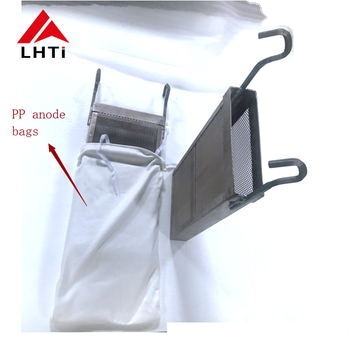
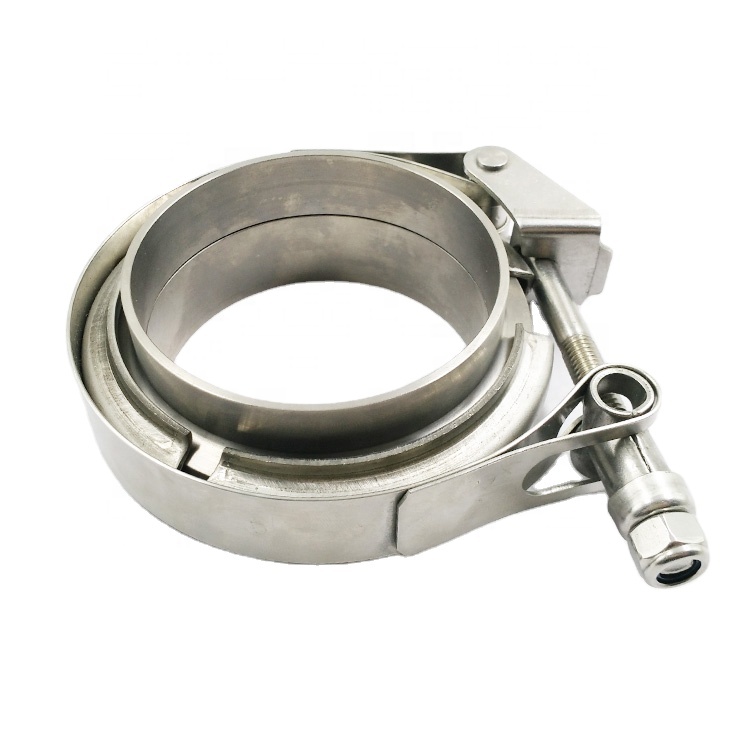
| Grade 2 (CP3) | UNS R50400 / ASTM B265, B348 | ≥ 345 | ≥ 275 | 0.025 mm – 6.0 mm Foil / Strip / Bar | PEM electrolyzers, electroplating anode baskets, exhaust systems, clamps |
| Grade 5 (Ti-6Al-4V) | UNS R56400 / ASTM B265, AMS 4911 | ≥ 895 | ≥ 828 | 0.050 mm – 50 mm Foil / Sheet / Fasteners | Aerospace acoustic honeycomb core, racing wheel bolts, high-pressure hardware |
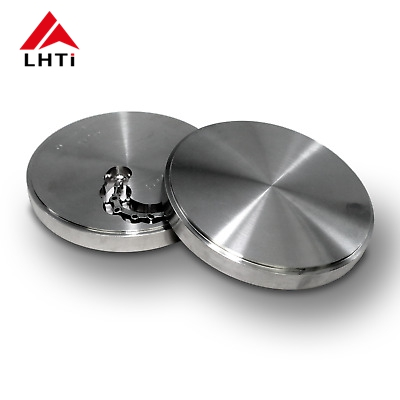
| Grade 5 ELI (Gr23) | UNS R56401 / ASTM F136 | ≥ 860 | ≥ 795 | Foil & Machined Discs (Dia 98mm) | Surgical implants, dental CAD/CAM prosthetic discs, barrier membranes |
| Grade 7 (Ti-0.15Pd) | UNS R52400 / ASTM B265 | ≥ 345 | ≥ 275 | 0.050 mm – 3.0 mm Strip / Pipe | Aggressive reducing acid processing, marine heat exchangers, offshore seals |
| Grade 9 (Ti-3Al-2.5V) | UNS R56320 / ASTM B338, B265 | ≥ 620 | ≥ 483 | 0.030 mm – 2.5 mm Precision Foil / Tubing | High-pressure hydraulic lines, lightweight sporting goods, aerospace conduits |
Future Sourcing & Procurement Trends (2025–2030)
Strategic supply chain dynamics are shifting. Procurement directors across North America, Europe, and Asia-Pacific must navigate critical macro-industrial transformations.
Hydrogen & Clean Energy Transition
The global scale-up of Proton Exchange Membrane (PEM) water electrolysis is generating unprecedented demand for ultra-thin titanium foils (0.05mm–0.10mm) utilized as coated porous transport layers (PTLs) and bipolar plates. Buyers are locking in multi-year rolling capacity agreements to buffer against sponge raw-material volatility.
Demand for Micro-Tolerances & Slit Coils
Automated high-speed stamping presses require titanium strip with slit edge tolerance below ±0.05 mm and zero burr (<5% of material thickness). Sourcing is moving toward integrated mills capable of rotary shear precision slitting, de-cambering, and tension leveling within one cleanroom facility.
Verified ESG & Ingot Traceability
International environmental directives mandate stringent material tracking from virgin ore to final export packaging. European and American industrial procurers now demand EN 10204 3.1 certification detailing sponge origin, electron-beam/VAR melt logs, and carbon footprint reduction parameters to mitigate ESG liabilities.
Technological Breakthroughs in Titanium Foil & Component Manufacturing
The continuous evolution of titanium manufacturing is breaking previous physical and economic barriers. Three defining technology vectors dominate recent engineering milestones:
Continuous Roll-to-Roll Surface Modification
Direct integration of PVD (Physical Vapor Deposition) magnetron sputtering coatings—such as Platinum, Iridium Oxide, and conductive TiN—onto moving titanium foil substrates. This eliminates post-stamping batch coating, cutting fuel cell component costs by up to 35%.
Sub-Micron Surface Topography Engineering
Advancements in texturing roll surfaces allow specific average roughness (Ra 0.1 μm to 0.8 μm) tailored to optimize adhesive bonding in aerospace composite honeycombs or cell adhesion in ASTM F136 guided bone regeneration barriers.
Near-Zero Defect Slitting & Cleanroom Spooling
Utilizing laser micrometers and ultrasonic edge detectors during slitting ensures that burrs, wave edges, and center buckles are eliminated. Foil spools are interleaved with sulfur-free paper or polymer films under ISO Class 7 cleanroom conditions to prevent ambient particulate contamination.
Baoji Heritage & Unrivaled Manufacturing Advantages
Located in the epicenter of China's "Titanium Valley", Jovzi Titanium Industry Co., Ltd. combines deep metallurgical heritage with rigorous modern manufacturing discipline.
Prime Industrial Hub
Situated in Bayu High-Tech Zone, Baoji, Shaanxi, we source virgin sponge directly from the country's premium smelters, providing unbeatable feedstock stability and rapid ingot-to-mill cycles.
BaoTi Lab Certification
Beyond our in-house ISO 9001:2015 quality management procedures, every production batch is backed by optional independent testing reports from the nationally accredited BaoTi Test Center.
Integrated CNC & Fabrications
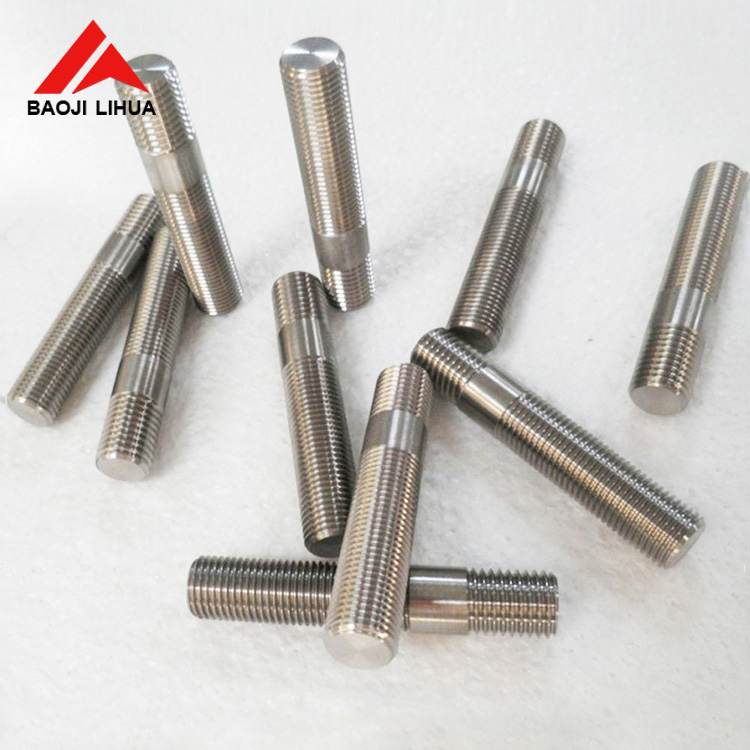
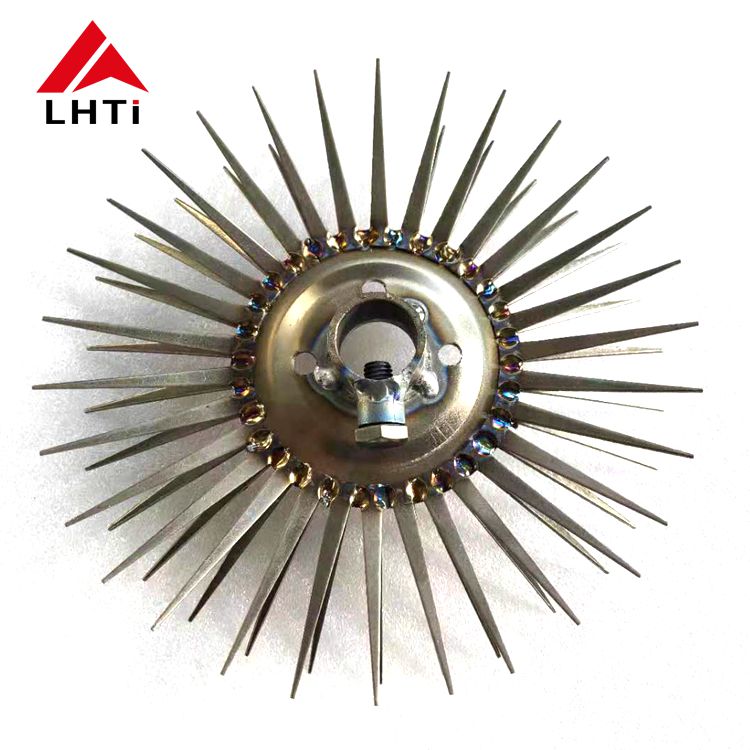
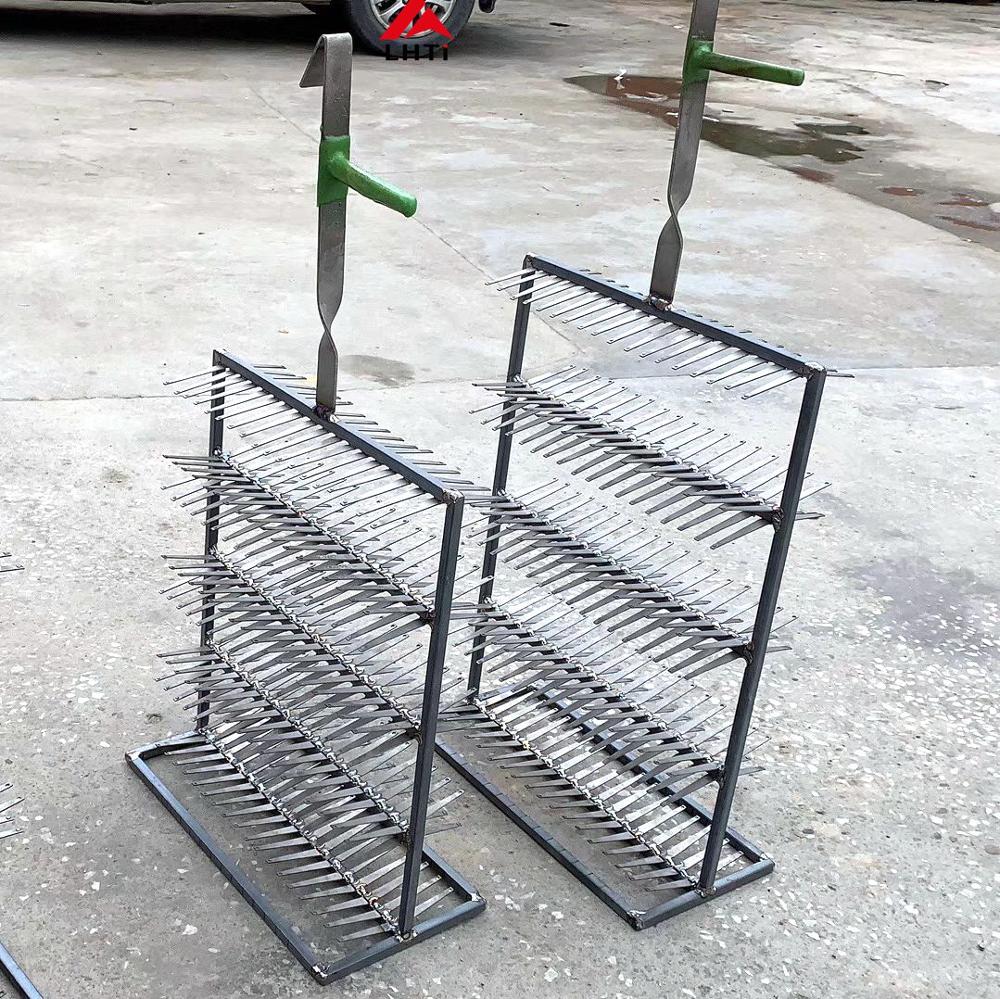
We do not merely supply raw material; our multi-axis CNC machines and automated thread-rolling systems turn high-grade titanium into precision racing fasteners, custom flanges, and bespoke electrochemical jigs.
Direct Global Trade Terms
Exporting to over 35 nations with 81%–90% export ratio. We accept flexible Incoterms (FOB, CFR, CIF, DDP) and multivariant payment frameworks (T/T, L/C, Western Union, Escrow) with rapid customs clearance.
Frequently Asked Sourcing & Engineering Questions
Authoritative answers to the most critical technical and logistical questions faced by titanium procurement specialists.
What are the key differences between ASTM B265 Grade 1 and Grade 2 titanium foils?
Grade 1 is the purest commercial form of unalloyed titanium with the lowest interstitial content (oxygen ≤ 0.18%, iron ≤ 0.20%). This gives Gr1 unmatched ductility (elongation ≥ 24%) and superior formability, making it ideal for deep drawing, acoustic speaker domes, and PEM electrolyzer bipolar plates where high plastic deformation is mandatory.
Grade 2 contains marginally higher allowable oxygen (≤ 0.25%) and iron (≤ 0.30%), yielding an increased tensile strength (≥ 345 MPa vs 240 MPa for Gr1). Grade 2 represents the global industrial workhorse, striking the perfect balance between mechanical strength, structural stiffness, and excellent corrosion resistance in chemical processing and automotive exhaust systems.
How does Jovzi ensure uniform thickness and eliminate pinholes in ultra-thin titanium foil?
Thickness consistency down to 0.010 mm is maintained utilizing closed-loop AGC (Automatic Gauge Control) on multi-roll Sendzimir mills coupled with high-frequency X-ray thickness measurement gauges along both cross-web and machine directions. Pinholes are eliminated through two critical steps: First, we select VAR (Vacuum Arc Remelted) double- or triple-melt ingots to eliminate micro-inclusions and porosity. Second, fine cold-rolling passes are executed with synthetic synthetic-ester rolling oils in dust-filtered enclosure zones to stop extraneous metallic debris from indenting the strip matrix.
What documentation is included with an EN 10204 3.1 Mill Test Certificate?
Our standard EN 10204 3.1 MTC provides absolute traceability: it specifies the original ingot melt heat number, complete chemical analysis (including interstitial gas elements: C, O, N, H, Fe), room-temperature tensile properties (tensile strength, yield strength, elongation percentage), bend test evaluations, microstructural grain size verification, and dimensional tolerance checks. Supplementary third-party test reports certified by the authorized BaoTi Test Center or National Center for Quality Supervision and Testing of Nonferrous Metals can be appended upon procurement agreement.
Can Jovzi supply customized widths and slit coils for high-speed automated stamping?
Yes. Equipped with high-precision CNC slitting shears and dynamic de-coilers, we slit titanium foil and strip down to custom widths as narrow as 3.0 mm, maintaining slitting width tolerances within ±0.05 mm. Edge deburring and tension leveling systems are applied to eliminate camber, edge wavy strain, and coil set, ensuring jam-free feeding in automated progressive dies.
How is titanium foil protected against oxidation and edge damage during ocean transit?
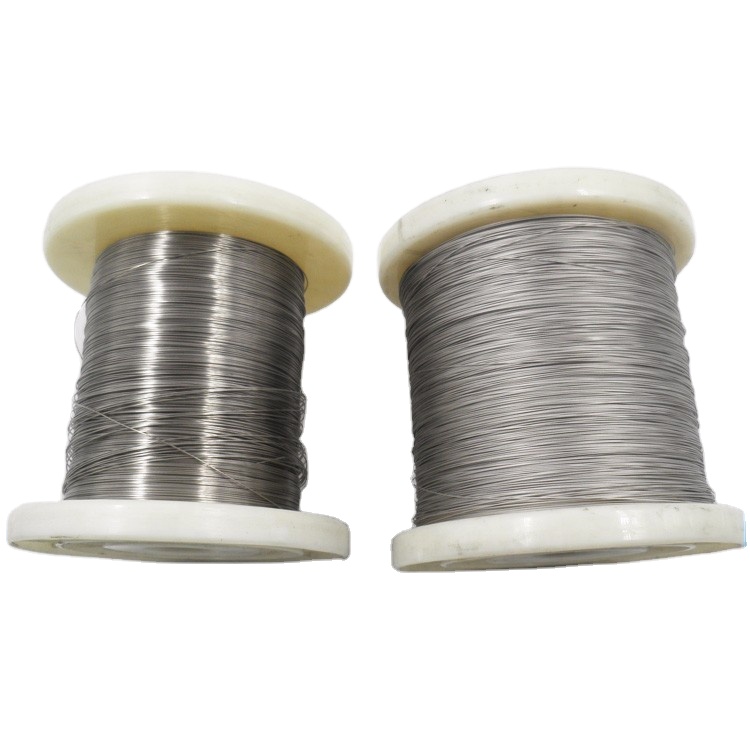
Foil and strip coils are wound onto rigid aluminum, steel, or high-density plastic cores, interleaved with neutral, acid-free protective paper. Coils are hermetically vacuum-sealed inside heavy-gauge aluminum barrier bags containing silica gel desiccants to counter oceanic moisture and condensation. Packed coils are subsequently suspended or cushioned with custom wooden cradles inside export-compliant, fumigated ISPM-15 wooden cases that prevent shock damage during multi-modal freight transfer.
What is the Minimum Order Quantity (MOQ) and standard lead time for titanium materials and parts?
For in-stock standard sizes (Grade 1/Grade 2 foil sheets, standard round bars, DIN 912 fasteners, or ASTM F136 dental discs), the MOQ starts from 1 piece or 1 kg, dispatched within 3 to 7 business days. For customized mill runs requiring specific non-standard alloy meltings, ultra-thin slitting (<0.03mm), or tailored CNC turned profiles, MOQs range from 5 kg to 50 kg depending on geometry, with typical delivery windows spanning 15 to 25 working days.
Does Jovzi Titanium accommodate OEM machining and custom surface anodizing?
Yes. Jovzi has over 6 years of specialized OEM manufacturing experience. We routinely machine complex parts directly from 2D/3D engineering drawings (PDF, DWG, STEP, IGES files). In addition to precision CNC machining, we operate internal surface treatment lines offering electropolishing, sandblasting, physical etching, and specialized type-II anodizing in gold, purple, vibrant blue, and track-ready burnt rainbow hues.