Featured Titanium Engineering Components
Direct-from-factory solutions engineered in strict compliance with ASTM, ASME, DIN, and ISO standards for subsea, petrochemical, aerospace, and motorsport assemblies.
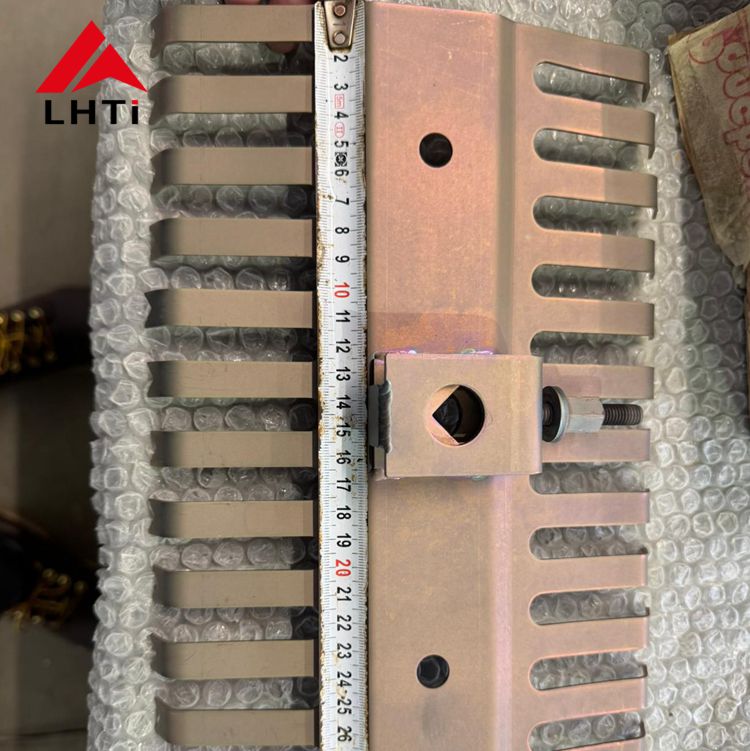
- Grade: CP Grade 2 (UNS R50400)
- Design: High-Conductivity Basket Form
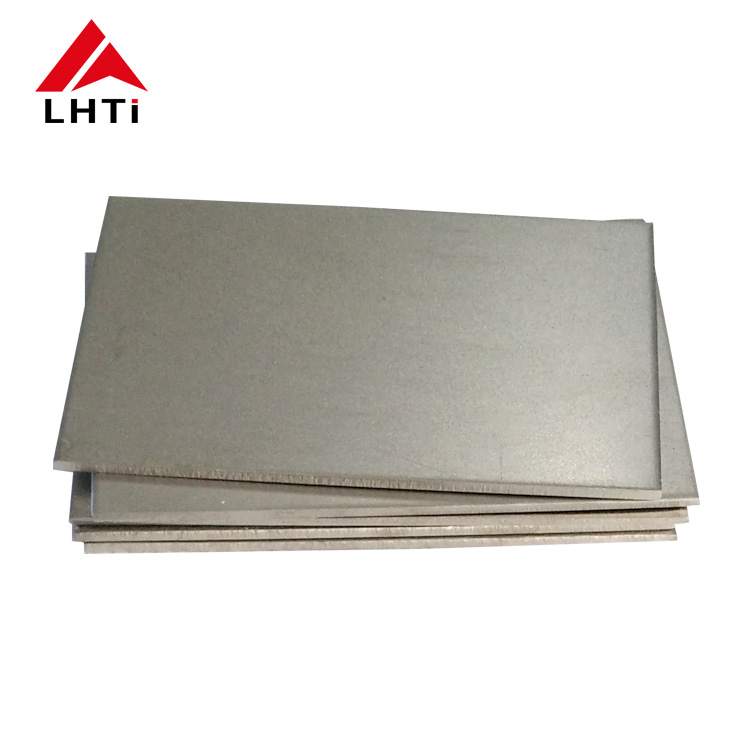
- Feature: Acid Bath Corrosion-Proof
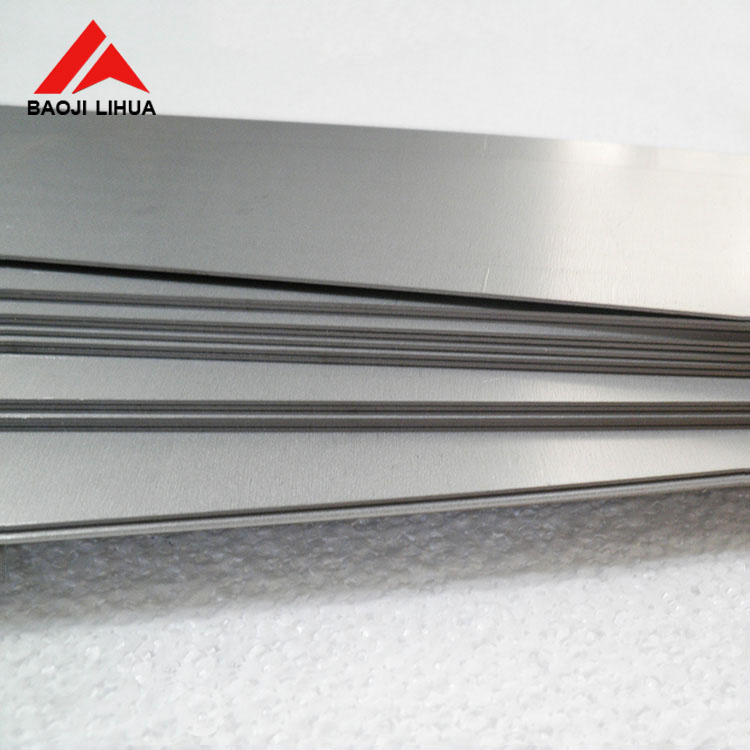
- Standard: ASTM B265 / AMS 4911
- Finish: Mirror / Pickled Ra ≤ 0.8μm
- Stock: Immediate Cut-to-Size Ready
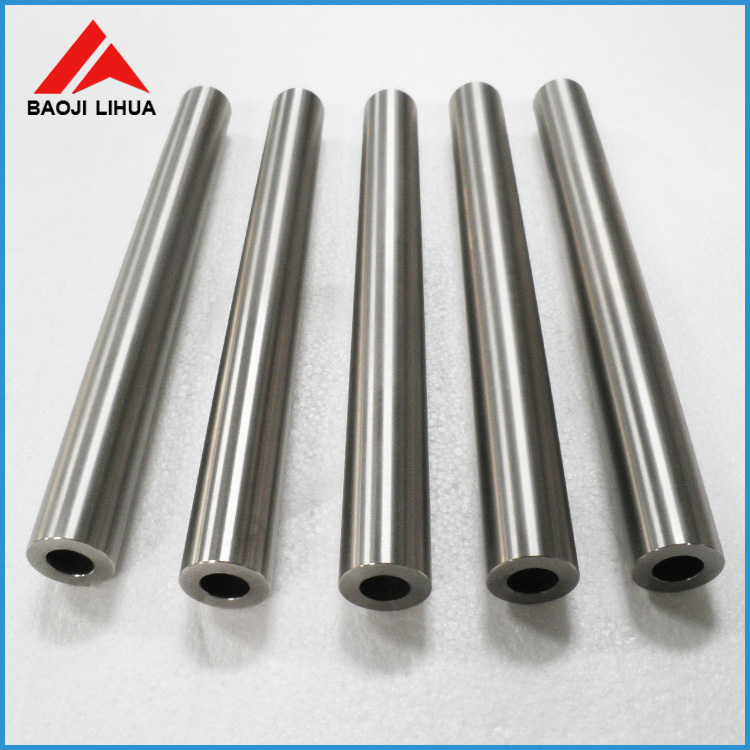
- Specification: ASTM B338 / ASTM B861
- Alloy: Grade 7 (Ti-0.15Pd) / Gr2
- Feature: Zero Creep / 45% Weight Saving
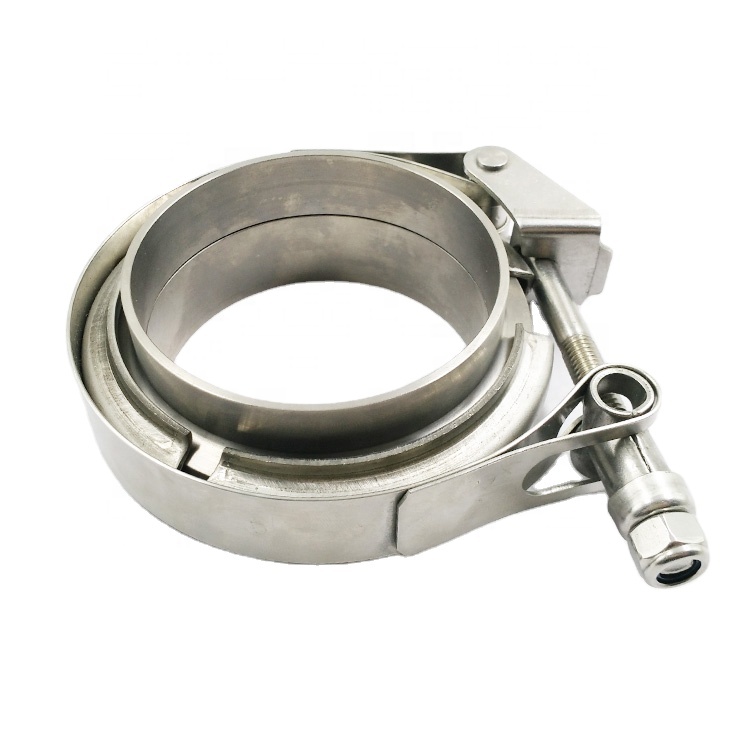
- Sizes: 2.0, 2.5, 3.0, 3.5, 4.0, 5.0 inch
- Material: CP Gr1 / Gr2 CNC Machined
- Application: High-Boost Exhaust Systems
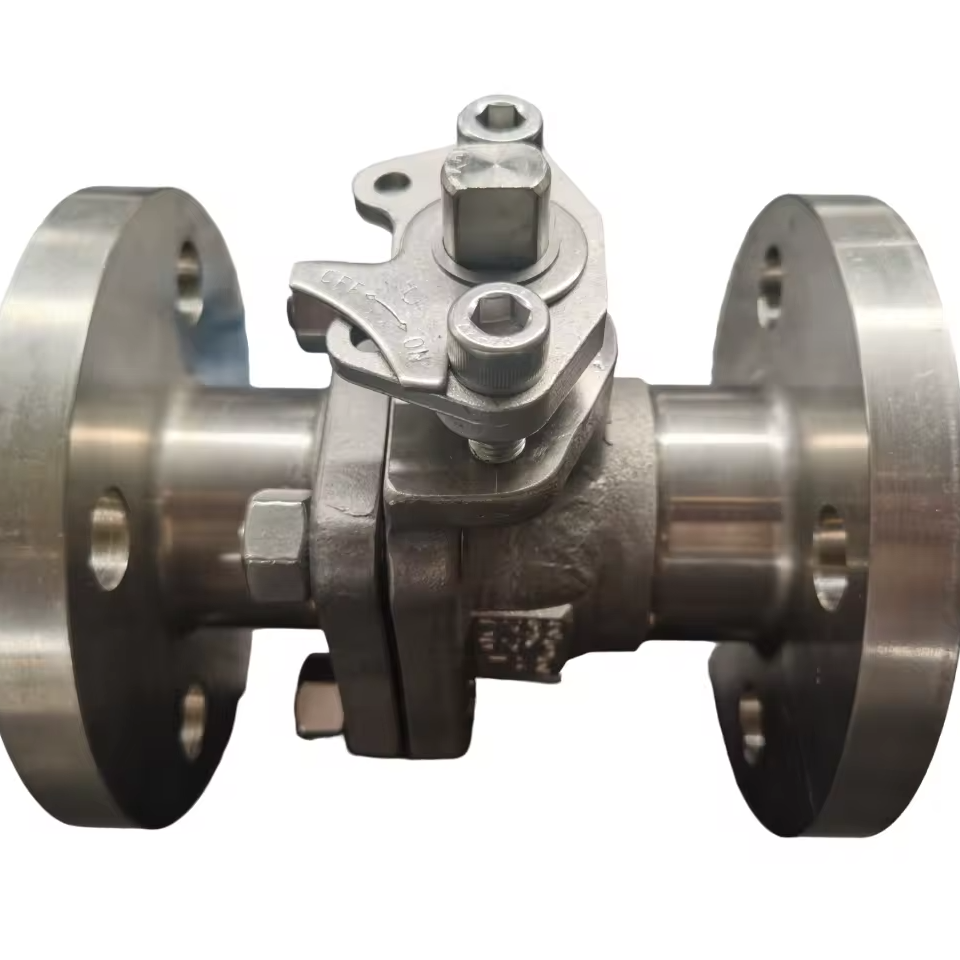
- Grade: Ti-6Al-4V / Gr12 / Ti-Pd
- Tolerance: Sphericity ±0.01mm Precision
- Use: Aggressive Desalination Valves
- Tensile: ≥ 895 MPa (Grade 5 Ti-6Al-4V)
- Testing: 100% Ultrasonic Testing (UT)
- Certification: EN 10204 3.1 MTC Traceable
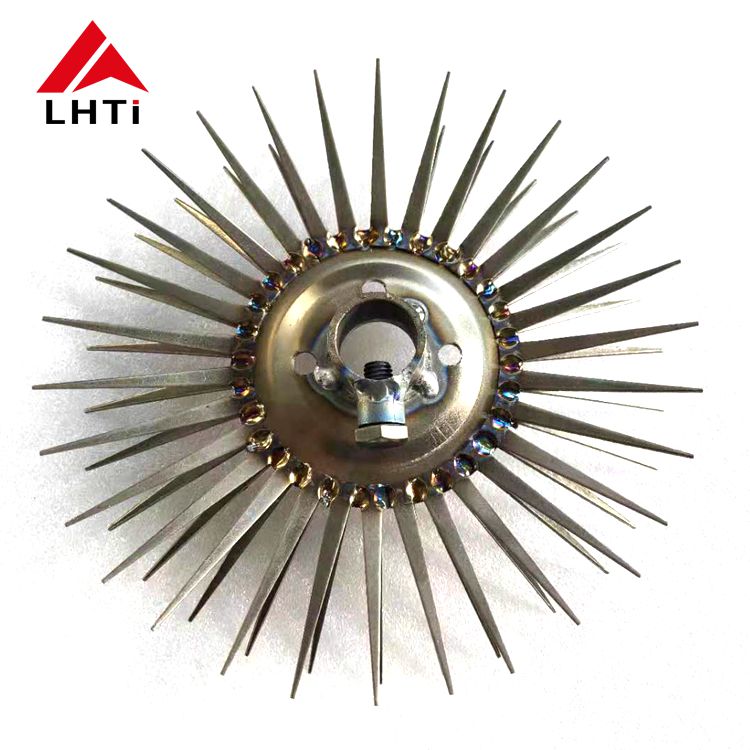
- Configuration: 30 Spring Retention Fingers
- Thickness: 1.5mm Laser Cut Plate Form
- Advantage: Eliminates Anodize Shadowing
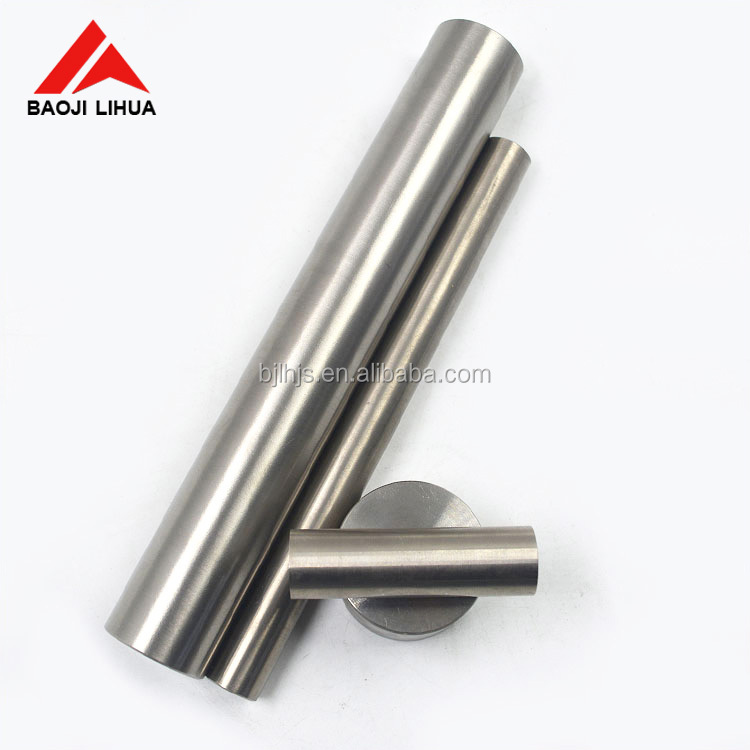
- Diameter: Ø6mm to Ø350mm Centerless Ground
- Grain Size: ASTM Grade 6 or Finer Uniformity
- Application: Raw Stock for Stud Bolt Rolling
Engineering Whitepaper: The Technical Architecture of Titanium Stud Bolts
In severe-service engineering environments—ranging from deep-sea blowout preventers and subsea trees to high-boost motorsport turbo manifolds and chlor-alkali autoclaves—fasteners represent the single most common point of potential catastrophe. Conventional carbon alloy studs like ASTM A193 Grade B7 or austenitic stainless variants (AISI 304, 316L) routinely succumb to chloride-induced stress corrosion cracking (SCC), hydrogen embrittlement, thermal fatigue, or catastrophic galvanic oxidation. As an authoritative titanium manufacturing hub based in Baoji, Shaanxi, our factory bridges the critical gap between raw aerospace metallurgy and tight-tolerance production of high-performance titanium stud bolts, double-ended studs, wheel studs, and engine head studs.
1. Thread Rolling vs. Thread Machining: The Fatigue Life Imperative
The structural difference between a commercial-grade turned titanium bolt and an engineered aerospace-grade stud bolt lies entirely in thread forming mechanics. CNC single-point thread cutting inherently severs the natural metallurgical grain structure of the titanium bar, introducing microscopic notch stress concentrations and micro-tear root defects that become prime initiation sites for cyclic fatigue cracks. At our factory, every structural stud bolt is processed using cylindrical die thread rolling after solution treatment and precision centerless grinding.
Cold thread rolling forces the alpha-beta grain boundaries to plastically deform along the thread contours. This cold working induces deep, continuous compressive residual stresses (ranging from -250 MPa to -400 MPa) within the thread roots, simultaneously increasing superficial surface hardness to over 36 HRC without thermal disruption. Empirical cyclic fatigue testing demonstrates that cold-rolled Ti-6Al-4V Grade 5 stud bolts exhibit a fatigue endurance limit exceeding 3.2 × 10⁶ cycles at 600 MPa amplitude, compared to fewer than 8.5 × 10⁵ cycles for cut threads of identical dimensional tolerance.
| Titanium Grade / Specification | UNS Designation | Yield Strength (Rp 0.2) | Tensile Strength (Rm) | Elongation (A5) | Density (ρ) | Primary Industrial Sector |
|---|---|---|---|---|---|---|
| Grade 2 (Commercial Pure) | UNS R50400 | ≥ 275 MPa | ≥ 345 MPa | ≥ 20% | 4.51 g/cm³ | Chemical Processing, Desalination, Anodizing |
| Grade 5 (Ti-6Al-4V Annealed) | UNS R56400 | ≥ 828 MPa | ≥ 895 MPa | ≥ 10% | 4.43 g/cm³ | Motorsport, Aerospace, Pressure Vessels |
| Grade 5 (Ti-6Al-4V STA Form) | UNS R56400 | ≥ 1030 MPa | ≥ 1100 MPa | ≥ 8% | 4.43 g/cm³ | Extreme Racing, Defense, Subsea Fasteners |
| Grade 7 (Ti-0.15Pd) | UNS R52400 | ≥ 275 MPa | ≥ 345 MPa | ≥ 20% | 4.51 g/cm³ | Reducing Acids, Wet Chlorine, Sour Oilfields |
| Grade 9 (Ti-3Al-2.5V) | UNS R56320 | ≥ 483 MPa | ≥ 620 MPa | ≥ 15% | 4.48 g/cm³ | Hydraulic Fluid Connectors, Exhaust Tubing |
| Grade 12 (Ti-0.3Mo-0.8Ni) | UNS R53400 | ≥ 345 MPa | ≥ 483 MPa | ≥ 18% | 4.51 g/cm³ | High-Temperature Brine, Crevice Resistance |
2. Mitigating Galling, Preload Relaxation & Tribological Seizure
One of the most persistent hurdles cited by mechanical design engineers when specifying titanium fasteners is galling (cold welding). Titanium has a naturally low thermal conductivity (approx. 6.7 W/m·K for Ti-6Al-4V compared to 50 W/m·K for mild steel) and an ultra-tenacious passive TiO2 oxide film. Under high contact pressure and dynamic sliding during high-torque assembly, localized frictional heat cannot dissipate quickly. This degrades the oxide layer and creates atomic bonding between mating threads, leading to irreversible thread seizure.
To permanently eliminate galling, our facility provides advanced proprietary surface modification options:
Micro-Arc Oxidation (MAO/PEO)
Converts the outer 5–15μm layer into an ultra-hard ceramic TiO2 / Al2O3 rutile matrix exceeding 1200 HV microhardness, preventing metal-to-metal galling up to 550°C.
PVD Physical Vapor Deposition
Deposition of DLC (Diamond-Like Carbon), TiN, or MoS2 coatings reducing the friction coefficient (μ) to an exceptionally predictable 0.08–0.12, ensuring exact torque-tension linearity.
AMS 2488 Type II Alkaline Anodizing
The global aerospace gold standard for anti-seizure thread protection. Retains thread dimensional tolerances while functioning as an ideal carrier for solid film dry lubricants.
3. Strategic Global Procurement Trends (2025–2030)
Enterprise procurement leaders across North America, the European Union, the Middle East, and Japan are executing decisive changes in how they qualify, audit, and contract titanium fastener manufacturers. The following macro shifts define the forward-looking procurement horizon:
A. Vertical Integration Sourcing from Raw Sponge to Finished Bolting: Reliance on multi-tiered brokers and machine shops lacking in-house metallurgical control is collapsing. OEM engineering audits now demand traceable virgin sponge origin, Vacuum Arc Remelting (VAR) verification, and direct ultrasonic inspection. Operating from Baoji—the nucleus representing over 65% of China's titanium raw material capacity—our factory guarantees continuous sponge supply, eliminating volatile scrap-adulterated melts and securing delivery continuity.
B. Digital Product Passports (DPP) & Heat Lot Accountability: In high-risk installations (e.g., offshore sour gas pipelines, nuclear reactor cooling systems, and subsea tiebacks), fastener failure causes multi-million-dollar downtime. B2B buyers now mandate 100% digital traceability. Every batch of our stud bolts is laser-etched with unique mill heat numbers tied directly to independent inspection dossiers issued by the authorized BaoTi Test Center and accompanied by full EN 10204 3.1 certification detailing ICP-OES chemical analysis, Rockwell/Vickers hardness surveys, and longitudinal tensile results.
C. Demand for Near-Net Hot Forging vs. Subtractive Waste: With titanium billet costs fluctuating based on global energy and aerospace demands, high "buy-to-fly" waste ratios (where up to 75% of raw round bar is converted to scrap chips via lathe turning) are commercially unviable. Procurement contracts increasingly reward factories with closed-die near-net hot forging capabilities for studs with specialized center shoulders, internal drive sockets, or asymmetric flanges.
4. Emerging Technological Horizons in Titanium Fastener Engineering
The next decade will see titanium stud bolts expand far beyond traditional aerospace envelopes into high-volume automotive powertrain electrification, green hydrogen electrolyzers, and hypersonic structures. Technological frontiers pioneered within our facility include:
1. Ultrafine-Grained (UFG) Nanostructured Titanium: Utilizing Equal-Channel Angular Pressing (ECAP) and controlled multi-axis thermomechanical processing, we are actively developing Ti-6Al-4V raw billets with refined sub-micron equiaxed grain structures (ASTM Grade 11–13). This processing yields an unprecedented tensile strength elevation (>1150 MPa) in pure unalloyed Grade 4 and Grade 5 without sacrificing ductility, completely eliminating the need for cytotoxic alloying elements in critical medical or ultra-clean semiconductor bolting applications.
2. Additive-Subtractive Hybrid Fasteners: For complex, generative motorsport suspension studs and topology-optimized aerospace mounts, direct laser powder bed fusion (LPBF) is merged with five-axis sub-spindle CNC machining. Post-AM Hot Isostatic Pressing (HIP) at 920°C and 100 MPa eliminates internal gas porosity, followed by precision rolled external threads to yield specialized double-ended stud forms previously unmachinable by traditional tooling.
3. Hydrogen Embrittlement Barrier Engineered Microstructures: In offshore subsea applications subjected to cathodic over-protection (CP systems), atomic hydrogen can slowly diffuse into the high-tensile titanium lattice, inducing delayed brittle fracture. By precisely controlling the beta-phase volume fraction and stabilizing the interstitial oxygen-equivalent chemistry (below 0.13 wt%), our specialized subsea studs mitigate hydride precipitation even under continuous exposure to high cathodic potentials (-1050 mV vs. Ag/AgCl).
5. The Jovzi Factory Advantage: Engineered in Baoji, Delivered Worldwide
When global engineering EPCs, tier-1 motorsport builders, and industrial distributors partner with Jovzi Titanium Industry Co., Ltd., they bypass the vulnerabilities of intermediary brokerage. Our competitive infrastructure provides unmatched operational advantages:
Baoji Metallurgical Heritage
Direct sourcing connections with premier smelting and vacuum-melting centers throughout Shaanxi's Titanium Valley ensure virgin ingots with zero porosity, inclusions, or uncertified scrap.
Full-Spectrum Machining Rigor
Equipped with high-precision citizen-type CNC Swiss lathes, heavy-duty thread rollers, horizontal forging lines, and optical laser sorting sorting systems delivering dimensional cpk ≥ 1.67.
Certified MTC & NDT Dossiers
ISO 9001 certified production supported by optical CMM, PMI material gun verification, ultrasonic testing (UT), dye penetrant (PT), and metallurgical micro-structure microphotography.