ISO 9001 Certified Titanium Manufacturer · Baoji, China · Since 2006 [email protected]
Industrial Fastener Whitepaper & Procurement Hub

China Wholesale Titanium Studs Manufacturers & Factory

Engineered ASTM B348 / ASME SB812 Grade 2, Grade 5 (Ti-6Al-4V), and Grade 7 high-tensile titanium studs, manifold hardware, and precision electroplating racks direct from Baoji, China’s Titanium Valley.

2006 Established in Baoji
895+ MPa Gr5 Tensile Strength
EN 10204 3.1 Certified Traceable MTC
≤ 8 Hours Fast RFQ Response
Executive Engineering Overview

Precision Titanium Stud Manufacturing: Metallurgical Authority & Supply Security

A comprehensive technical report on high-shear fastener mechanics, anti-galling thread geometries, and integrated China sourcing protocols for mission-critical automotive, aerospace, and electrochemical applications.

In high-vibration, elevated-temperature, and corrosive industrial installations, traditional fastener materials present unacceptable failure points. Grade 8.8 and 10.9 steel studs succumb to chloride-induced stress corrosion cracking and galvanic oxidation, while stainless steel (304/316) suffers severe thread galling, creep deformation, and thermal relaxation under extreme cyclic thermal loading. Industrial procurement engineers are increasingly shifting to high-performance titanium studs—principally Titanium Grade 5 (Ti-6Al-4V) and chemically pure Titanium Grade 2—to achieve weight reductions of over 42%, ultimate tensile capabilities surpassing 950 MPa, and immunity to pitting corrosion in saltwater, exhaust condensing acids, and aggressive chemical processing baths.

Technical Search & Procurement Note: For high-boost automotive exhaust headers, marine downpipes, and turbine casings, precision stud performance is governed not merely by raw grade selection, but by thread rolling techniques post-heat-treatment. Jovzi Titanium engineers ensure that thread grain lines remain unbroken along the root radius, increasing dynamic fatigue resistance by up to 34% compared to standard cut threads.
Featured Production Lines

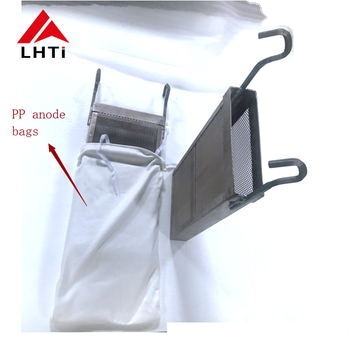
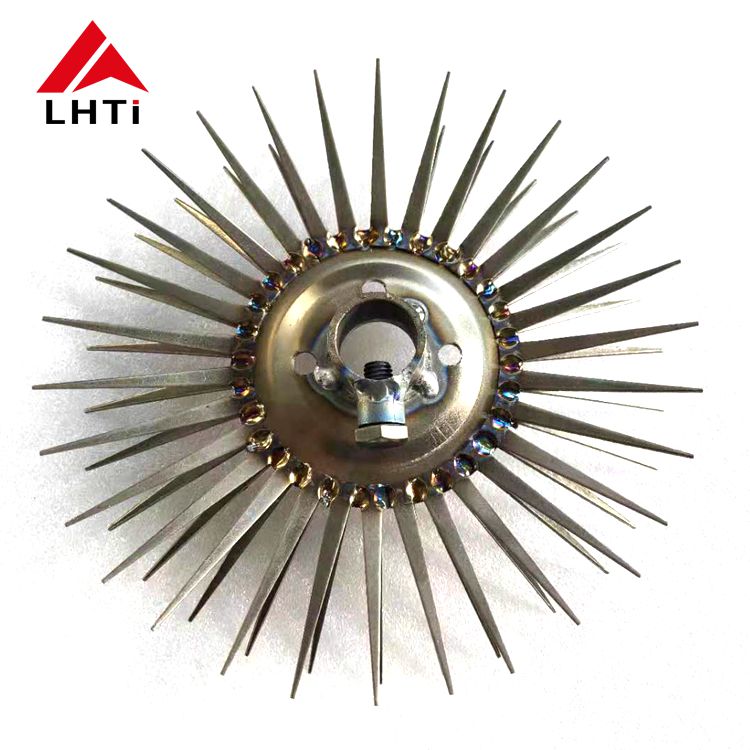
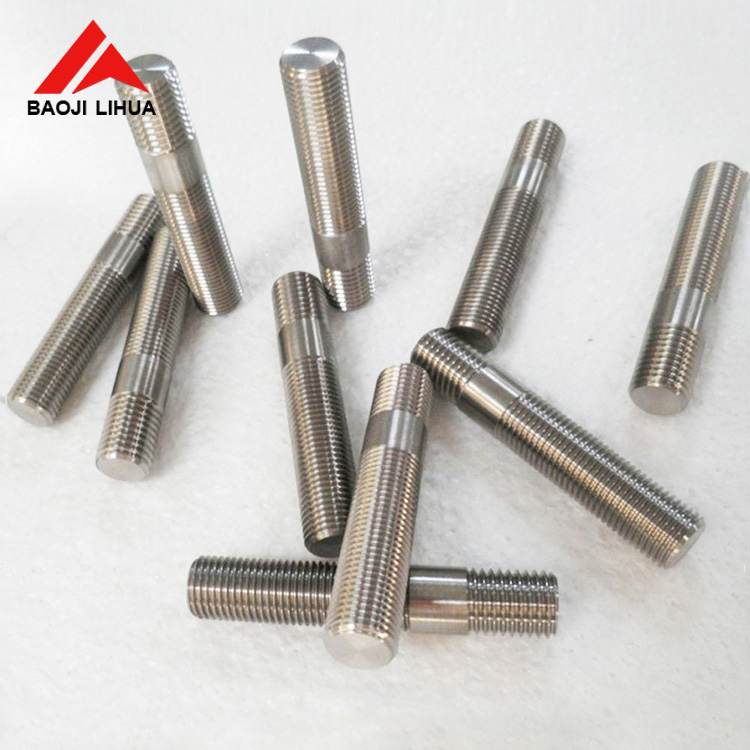
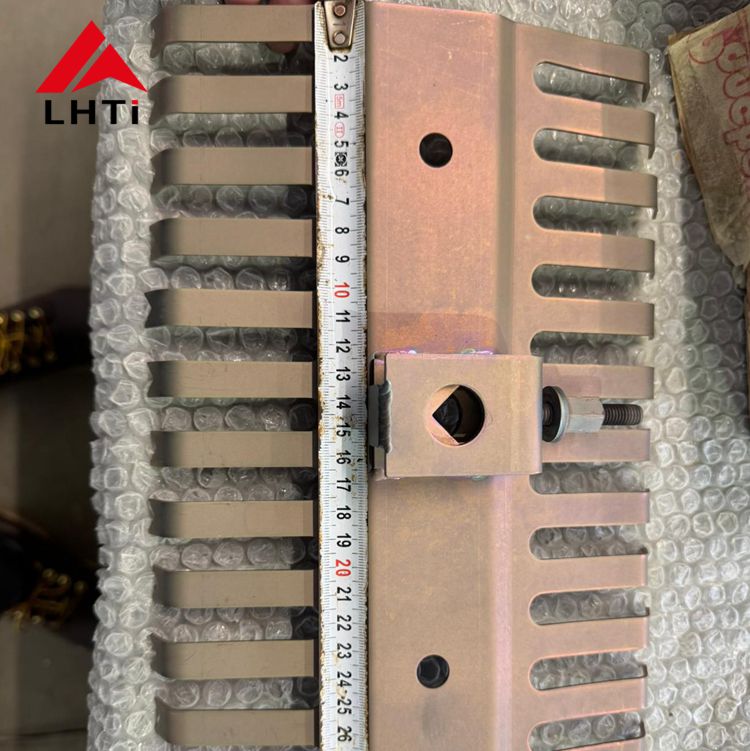
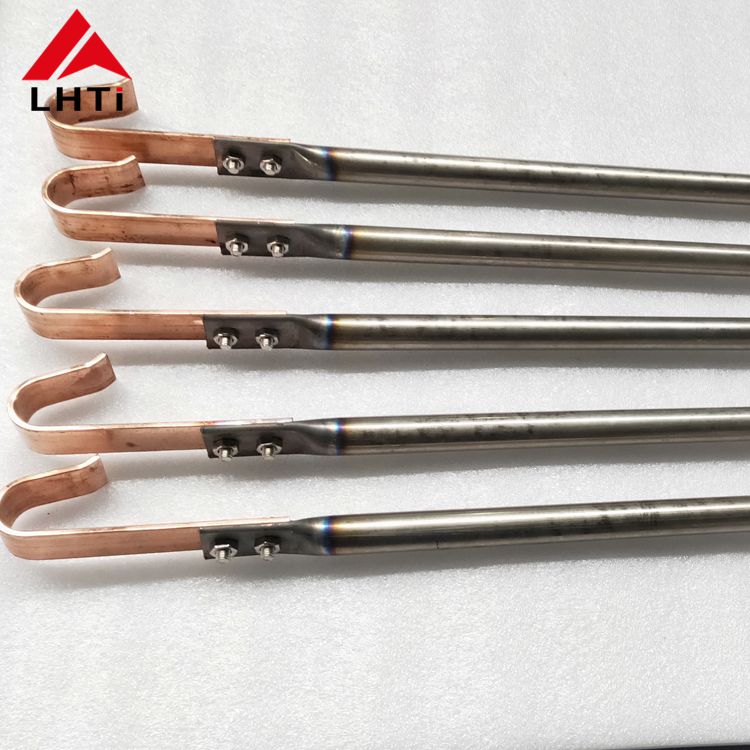
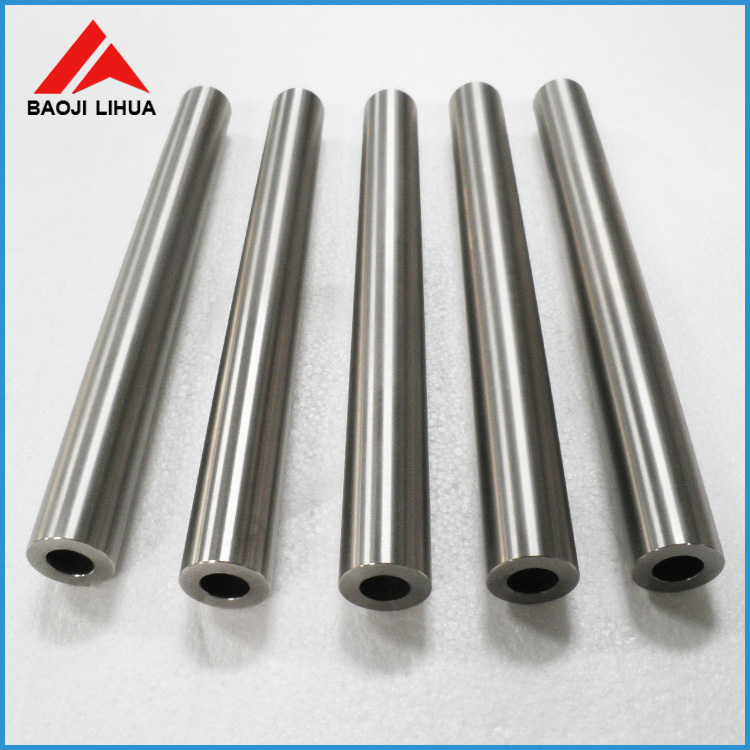
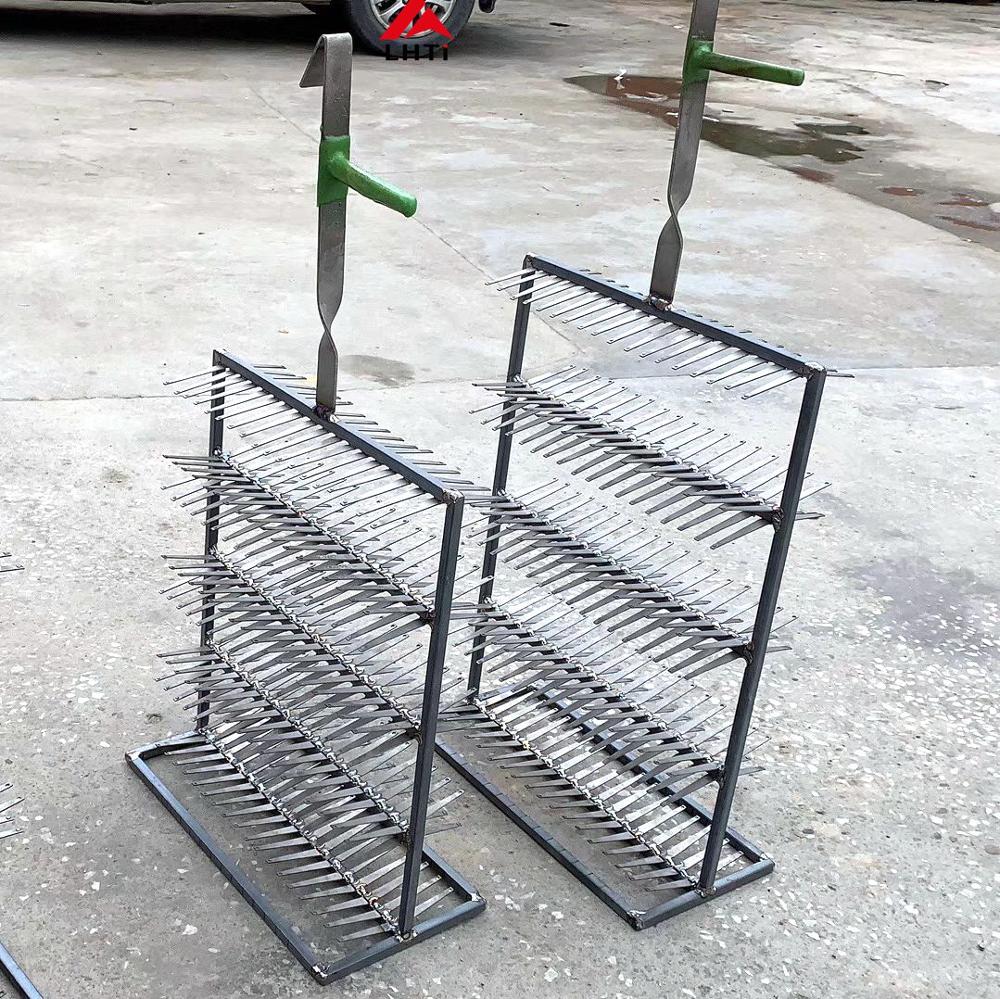
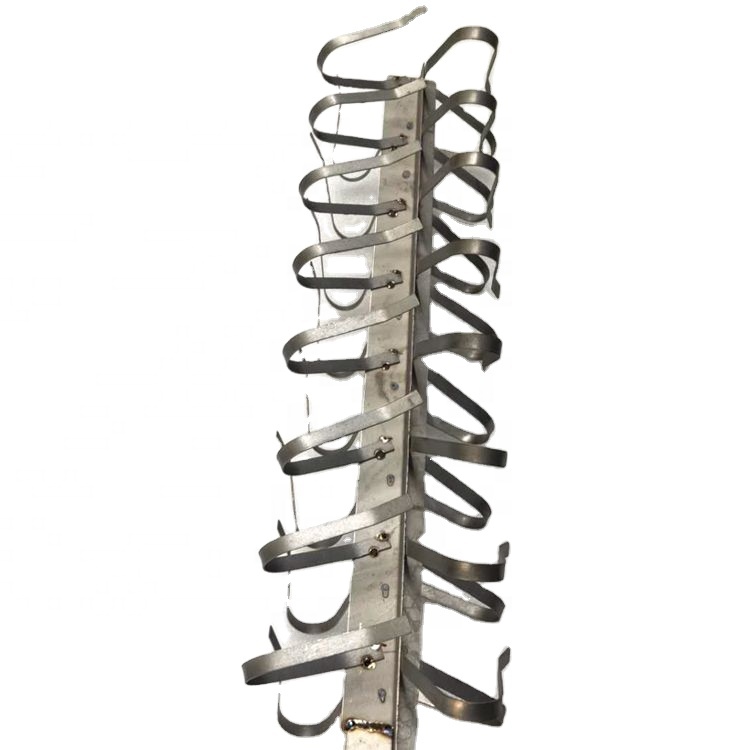
Engineered Titanium Studs, Piping & Anodizing Fixtures

Direct factory supply of certified titanium components manufactured to ASTM, DIN, and ISO standards with EN 10204 3.1 traceability.
Metallurgical Benchmark

Comparative Mechanics: Grade 2 vs. Grade 5 (Ti-6Al-4V) vs. Grade 7

Engineered selection criteria based on yield thresholds, thermal expansion coefficients, and shear stresses in industrial environments.

Titanium Grade & Specification UNS / DIN Standard Yield Strength (0.2% Offset) Ultimate Tensile Strength Elongation at Break Optimal Mechanical Application
Grade 2 (CP-Ti) UNS R50400 / 3.7035 275 - 450 MPa 345 MPa min. ≥ 20% Electroplating racks, low-pressure piping, exhaust pie cuts, chemical studs
Grade 5 (Ti-6Al-4V) UNS R56400 / 3.7165 828 MPa min. 895 - 1050 MPa ≥ 10% Cylinder head studs, turbo manifold studs, wheel hub studs, aerospace fasteners
Grade 5 ELI (Gr23) UNS R56401 / ASTM F136 795 MPa min. 860 MPa min. ≥ 10% Cryogenic piping hardware, medical implant studs, ultra-low temperature assemblies
Grade 7 (Ti-0.15Pd) UNS R52400 / 3.7235 275 MPa min. 345 MPa min. ≥ 20% Highly reducing acid environments, offshore oil & gas flanged connections
Grade 12 (Ti-Mo-Ni) UNS R53400 / 3.7105 345 MPa min. 483 MPa min. ≥ 18% High-temperature chemical exchangers, brine evaporators, elevated chloride service

Thermal Expansion Parity

Titanium exhibits an exceptionally low coefficient of thermal expansion (approx. 8.6 × 10⁻⁶/K) closely matching modern cast aluminum cylinder heads (approx. 21-23 × 10-6/K) and cast iron blocks. This minimizes cyclic thermal loosening and gasket blowout common with steel studs under repeated thermal excursions.

Thread Rolling vs. CNC Cutting

While inferior manufacturers machine stud threads via single-point CNC turning, high-shear industrial studs require cold thread rolling. Thread rolling creates burnished root fillets, induces compressive residual surface stresses, and prevents microscopic stress concentration fissures, yielding up to 300% longer fatigue lifespans.

Advanced Anti-Galling Coatings

Titanium’s passive TiO2 oxide film can cause microscopic cold-welding under high dry torque loads. Jovzi provides integrated surface modifications including micro-arc oxidation, molybdenum disulfide (MoS2) dry film, and vacuum PVD coating (DLC, TiN, TiAlN) to maintain stable friction coefficients between 0.12 and 0.15.

Future Procurement Trends (2025–2030)

The global supply chain for industrial and motorsport titanium fasteners is undergoing decisive structural transformations:

  • Direct Mill-Cluster Sourcing: Global Tier-1 procurement teams are bypassing third-party trading entities to contract directly with integrated manufacturing clusters in Baoji ("China Titanium Valley"), mitigating supply chain volatility and reducing lead times by 35%.
  • Full Traceability & Digital MTCs: Modern quality assurance protocols mandate digital lot-linked heat number traceability compliant with EN 10204 Type 3.1, coupled with accredited third-party validation (such as BaoTi Laboratory testing).
  • Consolidated Dual-Thread Sizing: OEM motorsport engine builders are standardizing on step-stud architectures (e.g., M10 block side to M8 manifold side) to reduce tapped block thread pull-outs in thin-wall aluminum castings.
  • Eco-Responsible Packaging: Phasing out single-use plastics in favor of precision vacuum-sealed blister cartridges and oil-free passivation clean-pack procedures for zero-residue motorsport and chemical assembly lines.

Technological & Material Breakthroughs

Next-generation fastener manufacturing processes emerging across modern Chinese aerospace facilities:

  • Warm Heading Technology: Induction-heated warm heading for Grade 5 blanks precisely at the alpha-beta transition temperature (850°C-900°C), eliminating micro-cracking while achieving superior grain flow around stud heads and shoulders.
  • Multi-Axis Swiss Lathe Automation: Micro-tolerance CNC machining centers executing hex-socket broaching, dog-point profiling, and thread-to-shank concentricity alignment within ±0.005mm in a single setup.
  • Low-Oxygen Sponge Formulation: Utilization of vacuum arc remelted (VAR) 0A-grade titanium sponge to minimize interstitial oxygen content below 0.12%, boosting ductility and impact toughness under freezing and cryogenic environments.
  • Interference Fit Geometries: Optimized DIN 940 and DIN 835 interference fit tap-ends designed to lock securely into tapped holes without requiring anaerobic threadlockers that degrade above 200°C.
Origin of China Titanium Valley

Jovzi Titanium Industry Co., Ltd.

Established in 2006 in Baoji, Shaanxi Province, Jovzi Titanium Industry operates within the geographic heart of China's primary non-ferrous metal industrial base. Leveraging Baoji’s world-class metallurgical research institutes and comprehensive smelting ecosystem, our production facilities specialize in titanium bars, flanges, exhaust tubes, electroplating racks, and precision CNC-machined titanium studs.

With an engineering division staffed by 4 senior metallurgists and 5 intermediate mechanical engineers, we bridge the gap between raw sponge casting and extreme-tolerance aerospace fasteners. Every production heat undergoes rigid spectrometer chemical validation, tensile proof tests, ultrasonic flaw detection, and thread pitch micrometer inspection.

ISO 9001 Certified Quality Management
BaoTi Testing Third-Party Lab Authorized
81% - 90% Direct Export Ratio
100+ Tons Annual Forging & CNC Capacity
Procurement Knowledge Base

Frequently Asked Questions: Sourcing Titanium Studs Wholesale

Direct technical answers addressing thread galling, torque specs, certification standards, and OEM lead times.

What is the recommended installation torque for Gr5 (Ti-6Al-4V) studs compared to Grade 8.8 and 10.9 steel?
Titanium Grade 5 fasteners possess a yield strength of ~828 MPa, which is comparable to Grade 10.9 steel (approx. 940 MPa) and substantially higher than Grade 8.8 steel (approx. 640 MPa). Because titanium's modulus of elasticity (approx. 114 GPa) is roughly half that of carbon steel (approx. 206 GPa), titanium studs exhibit greater elastic elongation under clamp load. We recommend applying anti-seize lubricant (nickel- or copper-based) and torquing Grade 5 studs to approximately 85% to 90% of the torque values specified for lubricated Grade 10.9 steel to achieve equal fastener pre-load while safeguarding internal threads.
How does your factory prevent thread galling during high-speed automated assembly?
Galling occurs when friction removes the microscopic titanium oxide film, allowing metal-to-metal contact and adhesive wear. Jovzi mitigates galling through three standard industrial solutions: (1) Precision Cold Thread Rolling: Achieving surface roughness below Ra 0.4 μm; (2) Controlled Micro-Arc Oxidation or Anodizing: Thickening the protective dielectric barrier film; (3) PVD/Dry Film Lubricant Coating: Application of molybdenum disulfide (MoS2) or Diamond-Like Carbon (DLC) coatings designed specifically for pneumatic torque guns.
Can Jovzi supply complete EN 10204 3.1 Mill Test Certificates and BaoTi laboratory validation?
Yes. Every production batch is shipped with an authentic EN 10204 Type 3.1 Inspection Certificate documenting the original melt heat number, chemical composition breakdown (Ti, Al, V, Fe, C, N, H, O), tensile strength, yield strength, and elongation. For aerospace, medical, or defense-tier compliance, Jovzi coordinates independent destructive and non-destructive laboratory testing at the National Center of Quality Inspection for Titanium Products (BaoTi Test Center).
What custom stud geometries, drive heads, and thread configurations can be manufactured?
We manufacture standard metric diameters from M5 to M36 and imperial sizes from #10 to 1-1/2". Available formats include equal-end studs (DIN 938, DIN 939, DIN 835), waist-reduced studs for extreme thermal expansion compliance, double-ended tap studs, and custom hex-socket (Allen key) or Torx internal drives machined into the stud tip. We routinely manufacture according to customer 2D prints (DWG, PDF) and 3D STEP models.
What are your Minimum Order Quantities (MOQs), production lead times, and shipping terms?
For standard off-the-shelf sizes (such as M8×1.25×30mm, M10×1.25×45mm exhaust studs), our minimum order quantity starts from 100 to 200 pieces. For specialized custom-machined or custom-anodized studs, the MOQ typically ranges between 300 and 500 units depending on bar diameter. Standard prototype batches dispatch within 7–10 working days; mass wholesale production averages 15–25 days under Incoterms including EXW, FOB Qingdao/Shanghai, CIF, DDP by air freight, or international courier (FedEx, DHL, UPS).

Ready to Upgrade Your Fastener Architecture?

Submit your project technical specifications, CAD drawings, target alloy grades, and order volumes directly to our metallurgical engineering desk. Benefit from factory-direct pricing, guaranteed chemical certifications, and comprehensive export compliance from Baoji, China.

Inquire Now