Direct Mill Engineering Portfolio
Featured Titanium Fasteners & Industrial Systems
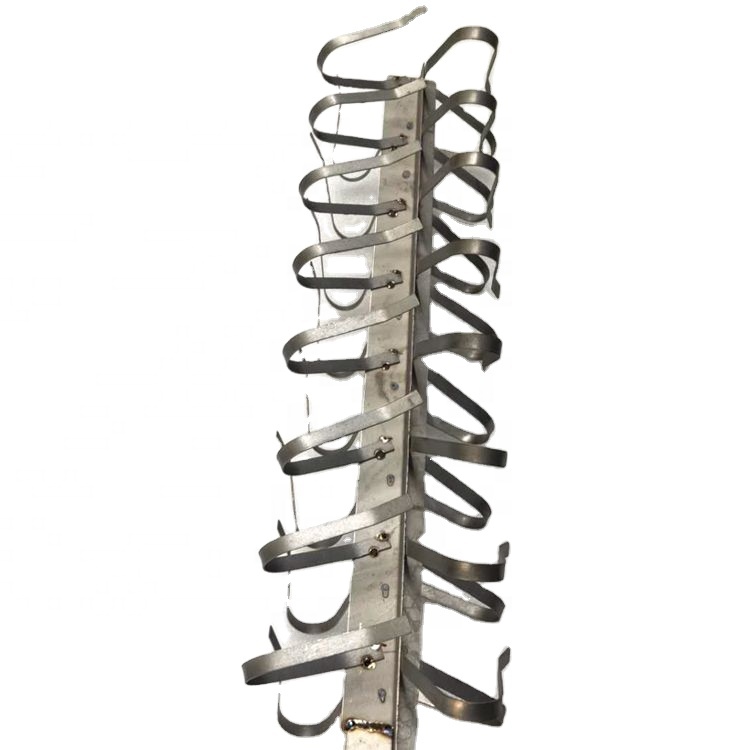
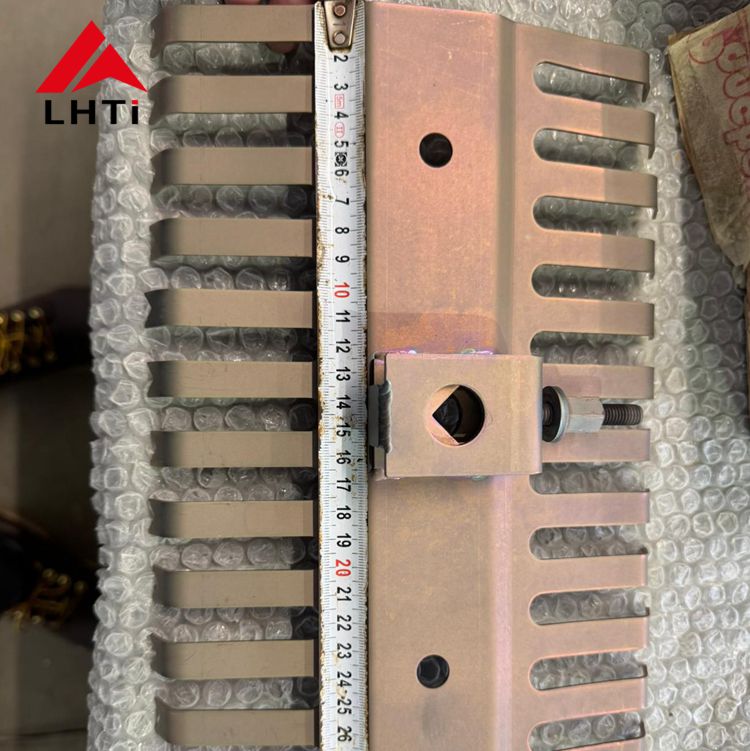
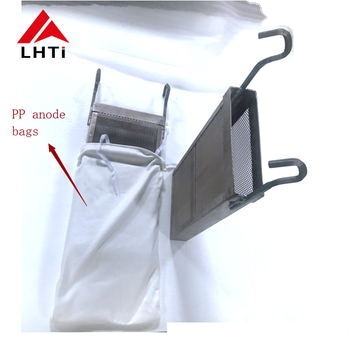
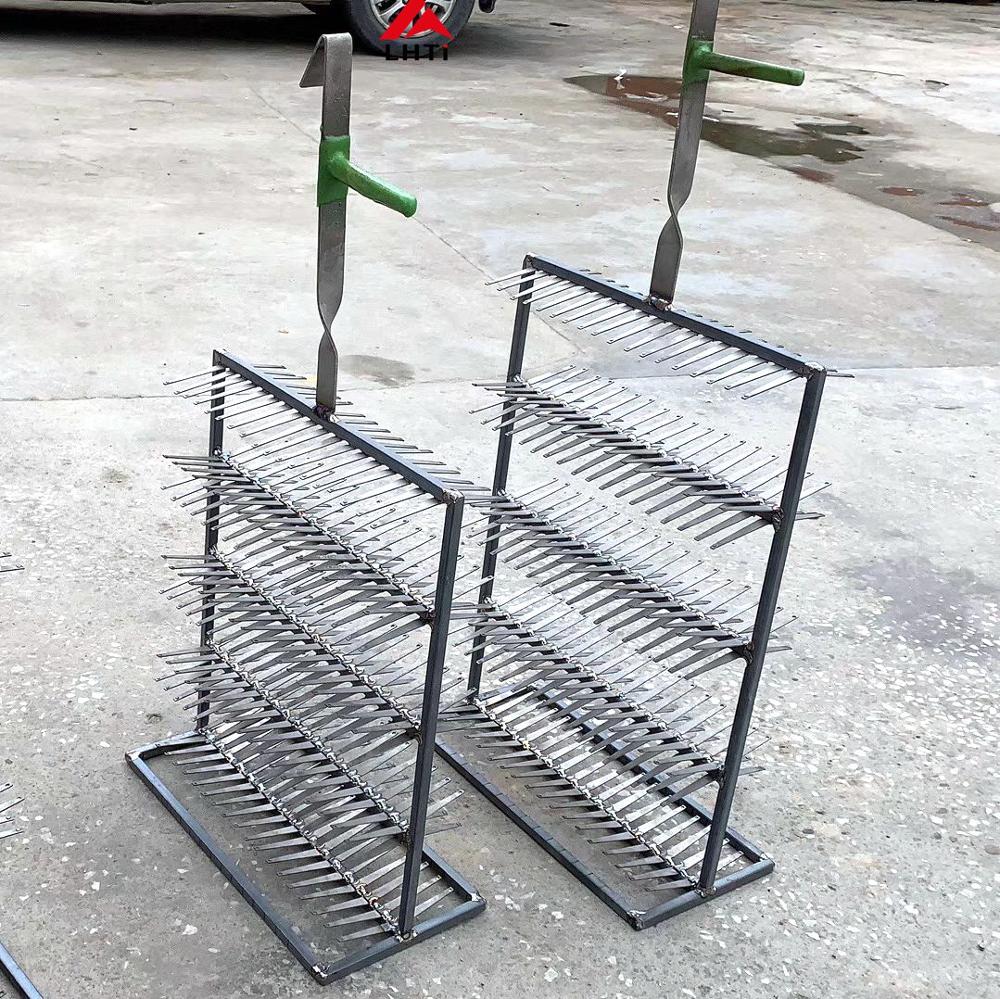
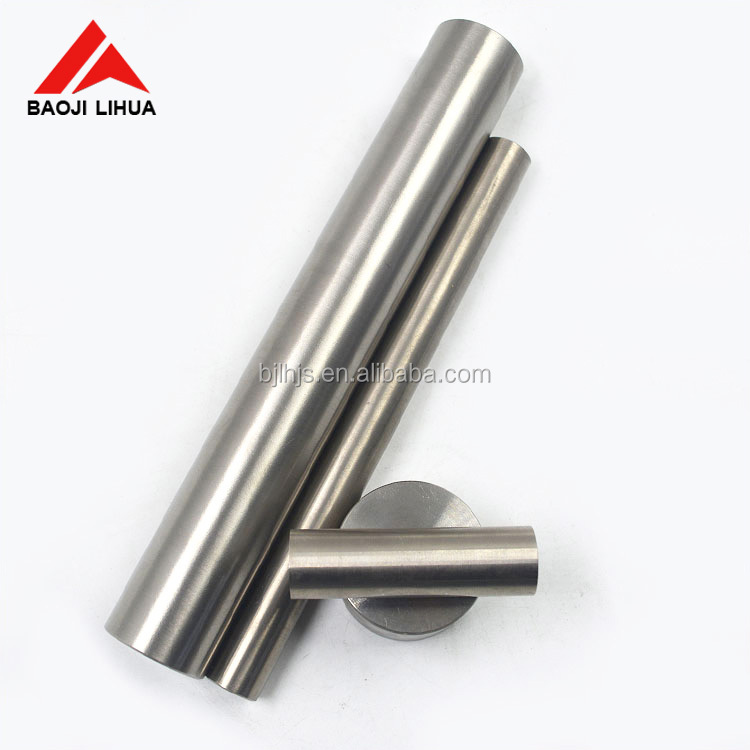
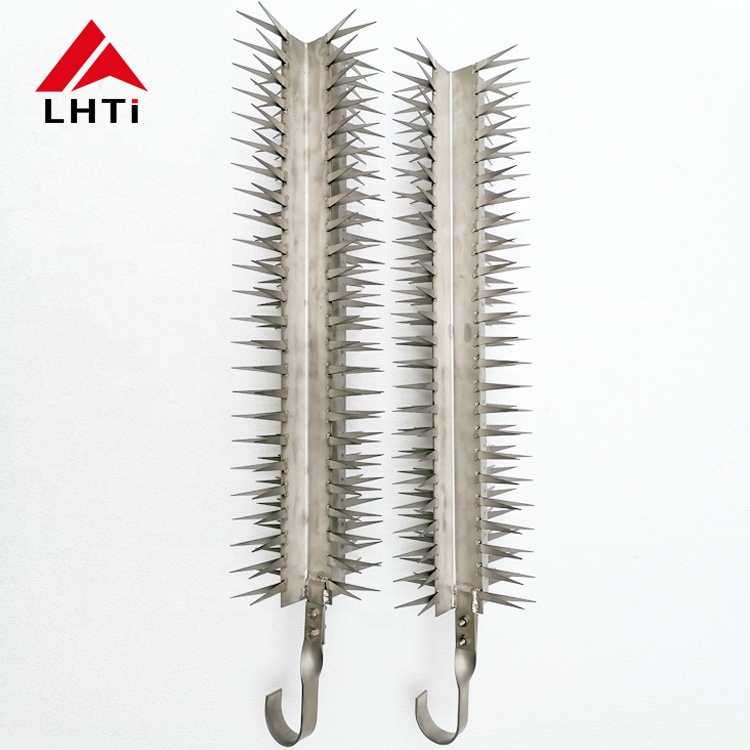
Explore our precision CNC-machined titanium hardware, jigs, and auxiliary electroplating assemblies built to DIN, ISO, and ASME standards with complete material traceability.
2006
Established in Baoji Valley
19+
Years International Exporting
≤8h
Engineering Response Window
100%
EN 10204 3.1 Traceability
Engineering Authority: Mechanical Integrity & OEM Lock Nut Configurations
As modern mechanical assemblies operate under increasingly harsh dynamics—ranging from intense vibrational frequencies in motorsport powertrains to highly corrosive chloride environments in offshore energy stations—standard threaded connections routinely fail due to rotational loosening and structural fatigue. Custom OEM Titanium Lock Nuts manufactured by Jovzi Titanium Industry Co., Ltd. provide an unparalleled strength-to-weight ratio (4.43 g/cm³ density vs 7.85 g/cm³ in carbon steel) combined with virtually indefinite immune defense against pitting, crevice, and galvanic degradation.
Unlike standard metric nuts, critical-duty locking mechanisms require strict mechanical friction retention without triggering severe galling or thread seizure—a well-documented metallurgical challenge in pure titanium fastener interfaces. Our Baoji facility utilizes specialized CNC micro-turning, tight pitch control per ISO 965-1 (tolerance classes 4h/6h), rolled thread profiles, and anti-friction surface modification (including PVD micro-coatings, anodizing, and molybdenum disulfide solid film lubricants) to ensure uniform torque-tension relationships across repeatable tightening cycles.
Information Gain Insight: Grade 5 (Ti-6Al-4V / UNS R56400) lock nuts yield a minimum tensile strength of 895 MPa while achieving over 40% weight reductions compared to Grade 8.8 and Grade 10.9 alloy steel nuts, significantly minimizing rotational inertia in dynamic rotating drivetrains and unsprung mass in racing suspensions.
| Lock Nut Type | Predominant Titanium Grade | Locking Principle | Operating Temp Range | Target Industrial Application |
|---|---|---|---|---|
| Nylon Insert Lock Nut (DIN 985 / ISO 7040) | Gr2 / Gr5 (Ti-6Al-4V) | Elastic radial polymer collar interference | -50°C to +120°C | Aerospace interiors, chassis fasteners, racing go-karts |
| All-Metal Prevailing Torque (DIN 980V) | Gr5 / Gr7 (Ti-0.15Pd) | Controlled elliptical thread crown deformation | -200°C to +400°C | Exhaust manifolds, turbo flanges, aerospace airframes |
| Serrated Flange Lock Nut (DIN 6923) | Gr5 (Ti-6Al-4V) | Under-head directional biting serrations | -100°C to +350°C | Motorcycle sprockets, suspension control arms, battery packs |
| Slotted / Castle Nut (DIN 935) | Gr2 / Gr5 / Gr12 | Positive mechanical locking via cotter pin wire | Cryogenic to +450°C | Wheel hub spindles, chemical pump shafts, marine rudder gear |
| Twelve-Point / Jet Nut (MS21042 Spec) | Gr5 Heat-Treated | Compact reduced-hex, high-tensile prevailing torque | -60°C to +380°C | Formula racing engines, turbine housings, aerospace actuators |
Strategic Market Intelligence
Future Sourcing Trends for Titanium Hardware
Emerging shifts shaping global supply chains, material testing standards, and smart manufacturing parameters through 2026–2030.
1. Transition to All-Metal Self-Locking Architectures
Procurement teams are actively replacing polymer-dependent lock nuts with all-metal prevailing torque designs (such as distorted thread collars and high-temperature jet nuts). With electric vehicle (EV) battery packs and hydrogen combustion engines running elevated thermal profiles, all-metal Gr5 lock nuts provide non-degrading pre-load torque without thermal melting hazards.
2. Mandatory Heat-Number Mill Traceability
Global aerospace and energy infrastructure contractors now mandate end-to-end material lineage. Sourcing managers increasingly reject intermediary brokers in favor of direct mill manufacturers that furnish authentic EN 10204 3.1 Inspection Certificates, verifying low interstitial gas contents (O, N, H, C) directly tested by facilities such as the BaoTi Test Center.
3. Advanced Anti-Galling Surface Treatments
The traditional vulnerability of titanium—thread galling during pneumatic tool installation—is being overcome by proprietary surface finishes. The future procurement volume is migrating heavily towards vacuum micro-arc oxidation, dry-film MoS₂ lubricants, and multilayer Physical Vapor Deposition (PVD) titanium-nitride (TiN) coatings that preserve thread life indefinitely.
Enterprise Value Proposition
Why Global Exporters Trust Jovzi Titanium
Rooted in China's Titanium Valley since 2006, delivering engineering precision, certified metallurgy, and custom OEM manufacturing capability.
Direct Origin in Baoji Valley
Situated in Gaoya Industrial Zone, Baoji, our facility taps directly into raw sponge-to-ingot smelting ecosystems, ensuring priority billet allocation, rapid production turnaround, and favorable cost structures.
Rigorous Senior Engineering
Our technical core is staffed by 4 senior and 5 intermediate metallurgical engineers overseeing multi-axis CNC Swiss machining, precision wire cutting, cold heading, and optical thread pitch verification.
Certified BaoTi Test Reports
In addition to standard factory EN 10204 3.1 mill test certificates, every OEM order can be independently validated by the authorized BaoTi Test Center for chemical spectroscopy and physical tensile compliance.
Versatile International Logistics
Serving OEM accounts across North America, Western Europe, Japan, and Southeast Asia under Incoterms including FOB, CFR, CIF, CIP, DDP, and rapid door-to-door express with scratch-resistant individual protective packaging.
Custom Finishes & Anodizing
Complete in-house surface treatments: bright polished, physical vapor deposition (burnt blue, gold, oil-slick rainbow, gloss black), and hard micro-arc anodizing tailored to automotive styling or marine passive films.
Flexible Custom MOQ Sizing
Support for custom prototype runs starting from just 100–200 pieces for bespoke fastener blueprints, alongside containerized volume delivery for tier-1 automotive, chemical plant, and electroplating installations.
Procurement Knowledge Base
Frequently Asked Questions by Industrial Buyers
Direct technical answers addressing material selection, galling prevention, test documentation, and global export conditions.
What specific titanium grades are recommended for custom OEM lock nuts?
For structural, high-vibration, or motorsport environments, Grade 5 (Ti-6Al-4V, UNS R56400) is the industry benchmark due to its 895 MPa yield strength and superior fatigue endurance. For extreme chemical exposure, electroplating baths, or marine seawater immersion where mechanical shear stresses are moderate, Grade 2 (Commercially Pure Ti, UNS R50400) or palladium-stabilized Grade 7 (Ti-0.15Pd, UNS R52400) provides maximum resistance against crevice and pitting corrosion.
How does Jovzi eliminate thread galling during high-speed torque installation?
Thread galling (cold welding) happens when clean metal contact points tear oxide films under friction. We mitigate this through precision thread pitch class 6H cut/rolled profiles, controlled micro-inch surface roughness (Ra ≤ 0.8 μm), and optional surface treatments including anti-seize MoS₂ coatings, micro-arc oxidation, hard PVD deposits, or silver plating on all-metal lock nuts.
Can you manufacture titanium lock nuts strictly to custom CAD / 2D drawing blueprints?
Yes. Over 60% of our production volume is OEM custom fabrication. Our engineering workshop works directly from PDF drawings, DWG, DXF, STEP, or IGES solid models. We accommodate custom thread pitches (metric fine, UNC, UNF, UNEF), specialized flange diameters, reduced-weight 12-point heads, internal broached sockets, and bespoke safety wire lock holes.
What quality verification documents accompany our shipment?
Every production batch ships with an authentic EN 10204 3.1 Mill Test Certificate (MTC) certifying exact chemical composition (O, Fe, C, N, H, Ti balances) and physical tensile/yield test results. In addition, third-party laboratory verification certificates from the nationally certified BaoTi Test Center can be supplied upon project requisition.
What are your typical order MOQs, lead times, and accepted payment terms?
Standard catalog inventory items require an MOQ of 100–200 pieces; customized OEM drawing parts are evaluated by machine tooling setup (typically 200–500 pcs). Sample prototypes can be produced within 5–7 working days, while bulk batch CNC runs take approximately 15–25 days. Accepted commercial terms include FOB, CFR, CIF, EXW, and DDP via T/T, L/C, or verified escrow.