Fluid Valve
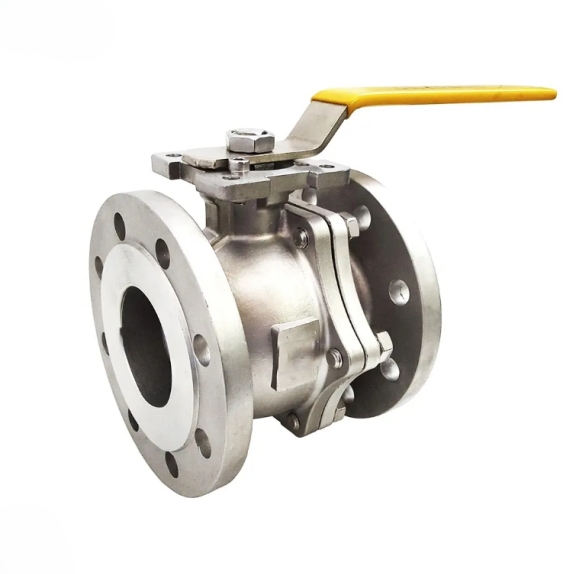
Titanium Flange Ball Valve 150 LB 300 LB Water Oil Gas Flange Ends
- Standard: ASME B16.34 / API 6D
- Pressure: Class 150 / 300 LB
- Material: Gr2, Gr5, Gr7, Gr12
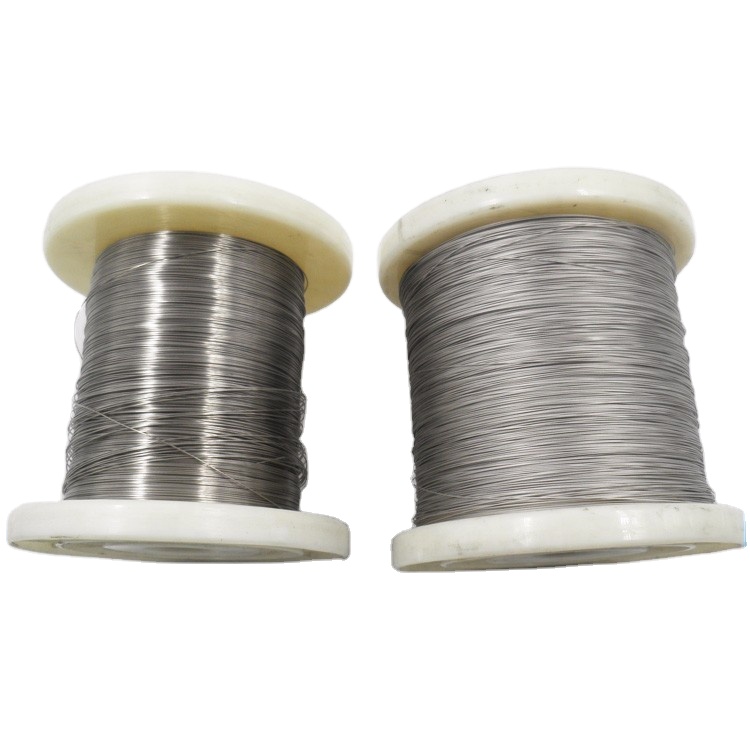
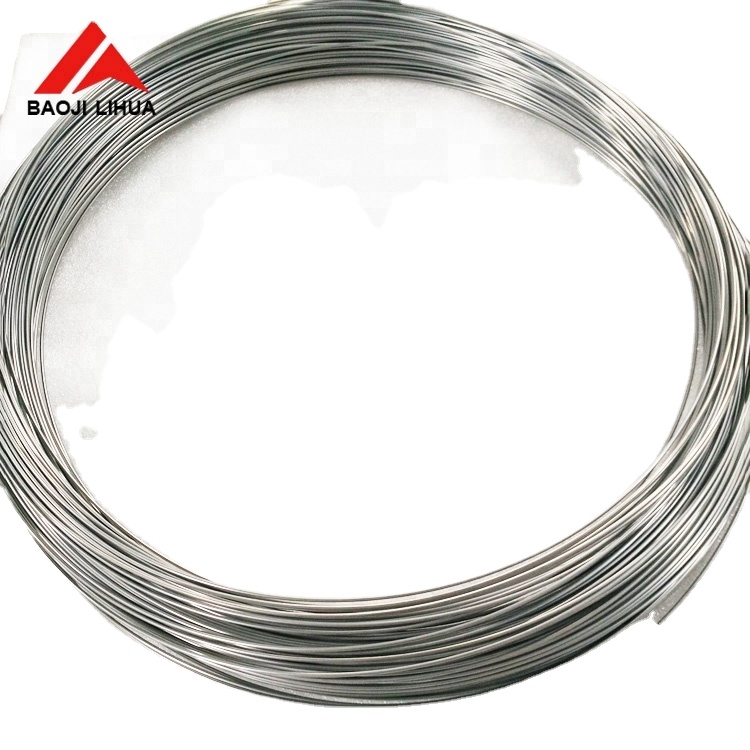
Explore our custom OEM titanium piping components, forged fluid connectors, ball valves, high-pressure fasteners, and specialty alloy materials manufactured with microscopic metallurgical integrity.
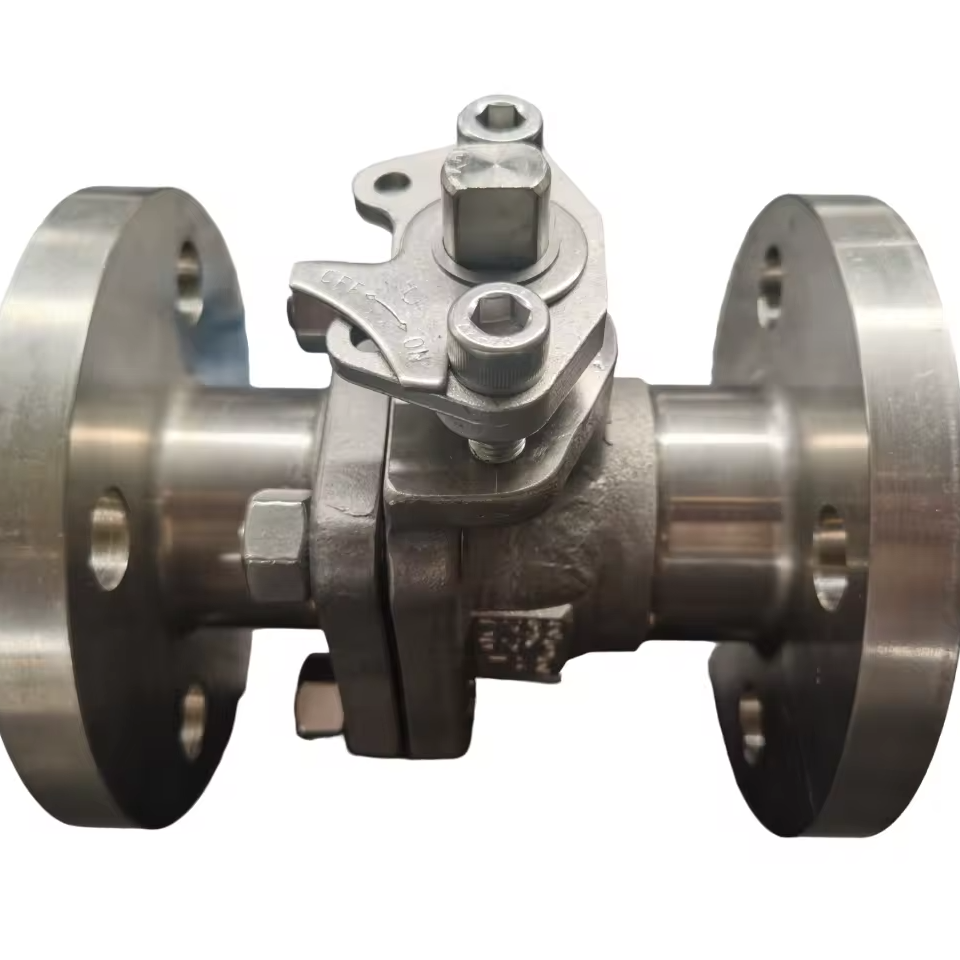
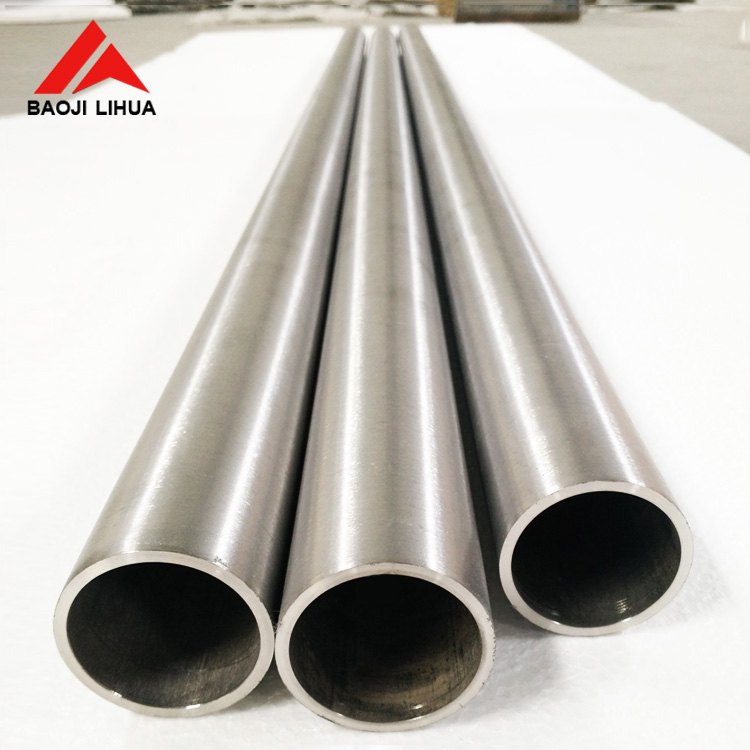
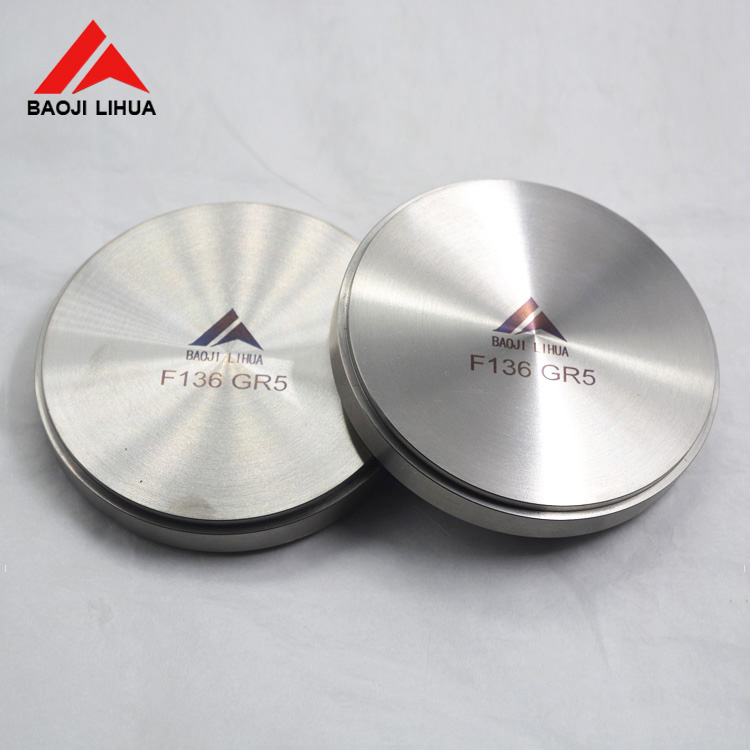
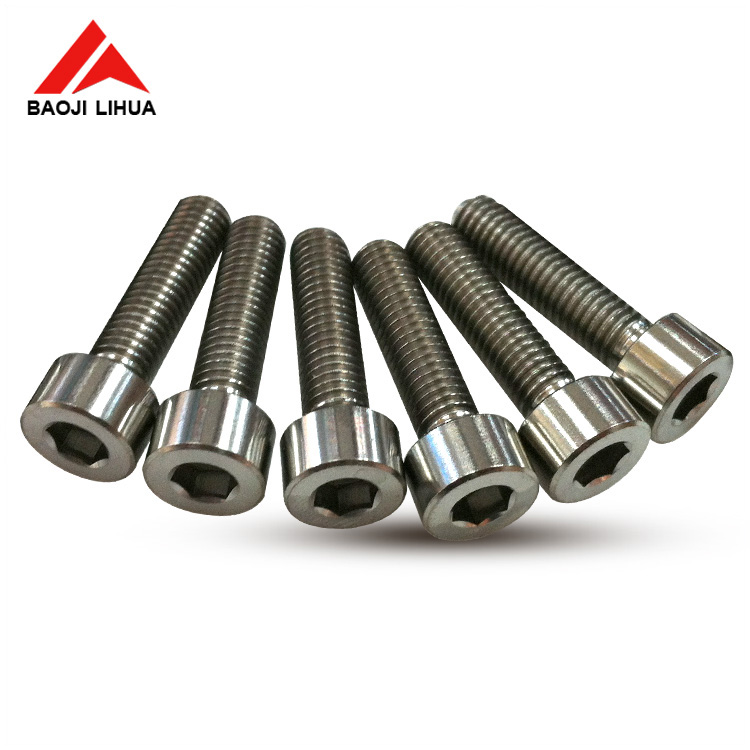
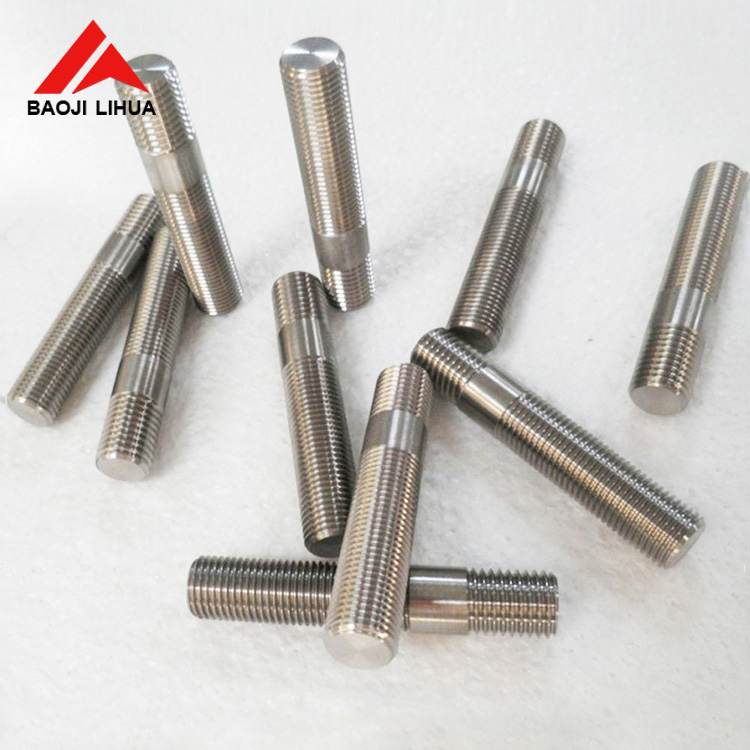
Looking for bespoke connector geometry, specialized NPT/JIC threading, or ASTM B363 titanium fittings?
Contact UsIn modern mission-critical fluid dynamics, offshore energy extraction, marine desalination, chemical processing plants, and high-performance aerospace powertrains, piping interface failures represent catastrophic downtime risks. Standard stainless steel and duplex alloys frequently suffer severe localized corrosion, including pitting, crevice deterioration, chloride-induced stress corrosion cracking (SCC), and thermal fatigue. As industrial operating conditions push higher pressures, higher flow rates, and aggressive chemistries—such as wet chlorine, nitric acid, sour hydrocarbons, and seawater brine—piping engineers are transitioning toward customized OEM titanium pipe connectors, forged flanges, threaded couplings, and seamless butt-weld fittings.
Titanium's unique passive titanium dioxide (TiO2) film spontaneously regenerates within milliseconds upon contact with trace amounts of oxygen or moisture. This unyielding chemical barrier affords an order-of-magnitude leap in lifecycle reliability compared to nickel-chromium alloys. Designing and producing reliable custom titanium pipe connectors requires specialized metallurgy, precise thermomechanical processing, multi-axis computer numerical control (CNC) machining, and zero-contamination shielding during forging and joining. At Jovzi Titanium Industry Co., Ltd., based in Baoji—widely acknowledged as China’s "Titanium Valley"—we manufacture custom OEM pipe connectors conforming strictly to ASTM B363, ASME B16.9, ASME B16.5, MSS SP-43, and DIN standards, providing global industrial procurement teams with uncompromising structural fidelity and metallurgical compliance.
Information Gain Metric: Standard piping connections often falter under micro-vibrations and galvanic divergence. Jovzi Titanium engineers precision titanium-to-titanium union joints and insulated adapter connectors that balance structural rigidity, thermal expansion parity (α = 8.6 × 10⁻⁶/K), and complete hydrodynamic laminar flow efficiency, slashing pumping turbulence and pressure drop across complex pipe runs.
Specifying the correct titanium grade for pipe connectors is paramount to economic and mechanical optimization. Over-engineering with high-strength alpha-beta alloys when commercially pure titanium suffices drives up raw material expense and machining cycle times. Conversely, utilizing Grade 2 in high-temperature reducing acids risks catastrophic hydrogen embrittlement or surface scaling. Our engineering team helps clients select from the following standard grades:
| Titanium Grade | UNS Number | Microstructure | Min. Yield (MPa) | Corrosion Resistance Profile | Common Connector Configurations |
|---|---|---|---|---|---|
| Grade 1 (CP-4) | R50250 | Unalloyed Alpha | 170 MPa | Maximum formability; high resistance in neutral chlorides and oxidizing acids. | Hydroformed deep-drawn caps, light-gauge pipe sleeves, flex bellows. |
| Grade 2 (CP-3) | R50400 | Unalloyed Alpha | 275 MPa | Standard industrial choice; immune to seawater pitting up to 315°C. | ASME B16.9 butt-weld elbows, tees, concentric reducers, stub ends. |
| Grade 5 (Ti-6Al-4V) | R56400 | Alpha-Beta (α+β) | 828 MPa | High tensile and shear strength; exceptional fatigue threshold. | High-pressure threaded couplings, hydraulic connectors, flare fittings. |
| Grade 7 (Ti-0.15Pd) | R52400 | Alpha + Palladium | 275 MPa | Supreme crevice corrosion resistance in reducing acids (HCl, H2SO4) and hot chlorides. | Flange connectors, orifice unions, subsea downhole manifold connectors. |
| Grade 9 (Ti-3Al-2.5V) | R56320 | Near-Alpha | 483 MPa | Excellent cold-formability with 20-50% higher strength than Grade 2. | High-pressure aerospace hydraulic tubing unions, motorsport fuel line fittings. |
| Grade 12 (Ti-0.3Mo-0.8Ni) | R53400 | Near-Alpha | 345 MPa | Superior resistance to crevice corrosion in high-temp chlorides (exceeding 250°C). | Shell-and-tube connector nozzles, petrochemical heat exchanger tube sheets. |
Headquartered in Baoji, Shaanxi Province, Jovzi Titanium Industry Co., Ltd. leverages the geographic and technical concentration of China's Titanium Valley, where over 80% of domestic titanium melting, forging, and research occurs. Since our inception in 2006, Jovzi has evolved from a specialized fastener and raw material workshop into an integrated tier-1 manufacturer of custom precision titanium pipe connectors, forged flanges, and flow control systems. Our competitive strengths include:
Founded in 2006 with an export ratio of 81%–90%, we serve procurement leaders across North America, Germany, Japan, Singapore, and the Middle East, adhering flawlessly to cross-border logistics, ATA carnets, and international incoterms (FOB, CFR, CIF, DDP).
In addition to internal ISO 9001 quality audits, every production batch is backed by EN 10204 3.1 Mill Test Certificates. Third-party chemical and mechanical property verification from the world-renowned BaoTi Test Center is available upon request.
Our workshop is powered by 4 senior metallurgical engineers and 5 intermediate tooling designers. We transform 2D/3D customer drawings (DWG, STEP, IGES) into high-precision, low-roughness (Ra ≤ 0.4 μm) connector fittings with tight CNC tolerances within ±0.005 mm.
We avoid secondary commercial brokers. Our plant maintains strategic partnerships with local vacuum arc remelting (VAR) sponge processors, giving Jovzi complete chain-of-custody oversight over heat numbers, chemistry ratios, and ultrasonic billet cleanliness.
From single-piece emergency maintenance replacements for offshore oil rigs to 50,000-piece production lines for automotive performance fabricators, we offer tailored minimum order quantities with technical turnarounds within 8 business hours.
Global procurement managers are shifting away from fragmented, multi-vendor sourcing models toward integrated OEM manufacturing partners capable of delivering verified traceability, modular assemblies, and cross-standard certification. As industry decarbonization, green hydrogen generation, subsea carbon capture and storage (CCUS), and nuclear power generation gain momentum, procurement strategies for custom titanium pipe connectors are undergoing significant structural evolution:
1. Mandatory Digital Material Passports & Full Chain-of-Custody MTCs: Modern EPC (Engineering, Procurement, and Construction) firms increasingly disqualify vendors lacking digital material trace logs. Sourcing managers demand heat-to-ingot material tracking, with spectrographic chemical verification verifying that interstitial elements (Carbon ≤ 0.08%, Oxygen ≤ 0.25%, Iron ≤ 0.30%, Hydrogen ≤ 0.015%) comply with strict ASME Section II Part B specifications.
2. Consolidation of Near-Net-Shape Forging and Precision Machining: Traditional hollow-bar machining results in significant material waste, with buy-to-fly ratios exceeding 5:1 for complex titanium pipe connectors and flared unions. Leading enterprise buyers prioritize manufacturers utilizing closed-die isothermal forging followed by high-speed CNC finish turning, which compresses material waste, refines grain flow, and eliminates micro-porosity.
3. Rise of Dual-Certified Materials (ASTM/ASME + DIN/EN): As projects span multinational engineering syndicates, procurement orders increasingly require multi-standard certification. Jovzi supports dual-compliance protocols, guaranteeing our Grade 2 elbows, Grade 5 threaded adapters, and Grade 7 flanges simultaneously meet ASTM B363 / ASME SB-363 and DIN EN 1092-1 / ISO 7005-1 requirements.
The ongoing evolution of piping design is deeply intertwined with cutting-edge metallurgy and modern joining technologies. Over the past decade, titanium pipe connectors have moved from simple butt-weld joints to smart, high-integrity mechanical couplings designed for extreme operational parameters:
Inert Gas Orbital Welding Optimization: Titanium's affinity for atmospheric contaminants (oxygen, nitrogen, and hydrogen) at temperatures above 425°C requires trailing shielding gas systems during fabrication. Advanced connector manufacturing now integrates auto-centering orbital TIG welding grooves with proprietary gas purge chambers, guaranteeing root pass oxidation levels below AWS D10.11 Level 1 (silver/straw color acceptance, zero blue or white haze).
Anti-Galling Surface Engineering: Titanium's low hardness and native oxide layer make it vulnerable to galling under high-torque threaded connections. To solve thread seizure in removable couplings, our R&D department employs micro-arc oxidation (MAO), thermal diffusion oxidation (TDO), and physical vapor deposition (PVD) titanium nitride (TiN) coatings, which drastically reduce the friction coefficient while maintaining corrosion resistance.
Bimetallic Explosive Bonding & Transition Couplings: Joining titanium pipework directly to stainless steel or copper-nickel piping in marine systems has historically introduced galvanic cells and brittle intermetallic Fe-Ti phases. Jovzi engineers custom bimetallic explosion-bonded transition joints, allowing fabricators to weld the steel end to existing infrastructure while preserving the pure titanium interface on the process fluid side.
Contamination prevention begins at the billet stage. Jovzi uses designated CNC lathes and machining centers reserved exclusively for non-ferrous metals to eliminate iron particle cross-contamination. We use non-chlorinated coolants, as chlorinated cutting fluids can induce stress corrosion cracking in high-temperature titanium applications. Furthermore, our post-machining ultrasonic cleaning removes all hydrocarbons, followed by acid pickling (HNO3-HF solution) to restore a pristine passive TiO2 layer.
Our factory manufactures butt-weld connectors to ASTM B363 / ASME SB-363, with dimensional tolerances conforming strictly to ASME B16.9 and MSS SP-43. Flanges are machined from ASTM B381 forgings according to ASME B16.5 (Class 150, 300, 600, 900, 1500) or DIN EN 1092-1. For custom OEM designs, we work directly to client 3D models and proprietary engineering drawings.
Direct fusion welding of titanium to stainless steel is metallurgically impermissible due to the formation of extremely brittle intermetallic phases (FeTi and Fe2Ti) that crack upon cooling. For hybrid piping runs, Jovzi supplies three engineering solutions: (1) Lap-joint flanges with a titanium Grade 2 stub end backing a carbon or stainless steel loose flange; (2) Explosion-bonded bimetallic transition couplings; or (3) Mechanically isolated flange assemblies equipped with dielectric PTFE/G10 insulating gaskets and bolt sleeves.
Grade 2 is commercially pure titanium, providing exceptional corrosion resistance in oxidizing media, wet chlorine, and seawater up to 315°C. However, in low-pH reducing acids (such as boiling hydrochloric or sulfuric acid) and tight gasket crevices, Grade 2 can undergo localized depassivation. Grade 7 contains 0.12% to 0.25% palladium (Pd), which shifts the mixed potential electrochemically into the stable passive region, increasing crevice corrosion resistance by up to a factor of 100 in aggressive chemical environments.
Standard delivery documentation includes a full EN 10204 3.1 Mill Test Certificate with actual heat chemical analysis and tensile/yield/elongation test data. Based on client specifications, our factory provides Liquid Penetrant Testing (PT) per ASTM E165, Ultrasonic Testing (UT) per AMS 2631 or ASTM A388, Hydrostatic Pressure Proof Testing, Positive Material Identification (PMI), and X-ray Radiographic Testing (RT) for welded seams.
For catalog items and standard ASTM/ASME fittings from our raw material stock, MOQ starts from 1 piece or 1 kg. Custom CNC OEM components evaluated per drawing typically feature an MOQ of 10 to 50 pieces depending on geometry and billet dimensions. Prototype samples can be completed in 7–10 days, while bulk batch export orders generally ship within 20–35 calendar days via air or sea freight.
Send your 2D/3D CAD drawings, material grade, tolerance requirements, and target quantity. Our metallurgy team in Baoji will review your specification and return a formal DFM analysis and competitive quote within 8 business hours.