ISO 9001 Certified Titanium Manufacturer · Baoji, China · Since 2006 [email protected]

OEM/ODM Seamless Titanium Tube Supplier & Suppliers

Global Engineering Benchmark in ASTM B338 / ASTM B861 Cold-Rolled Seamless Titanium Tubing, Custom Bending, and High-Integrity Heat Transfer Infrastructure

Engineered Titanium Components & Fast-Track Inventory

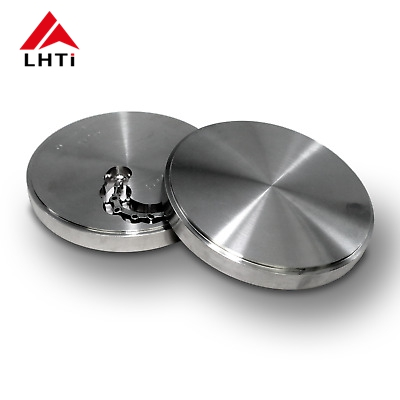
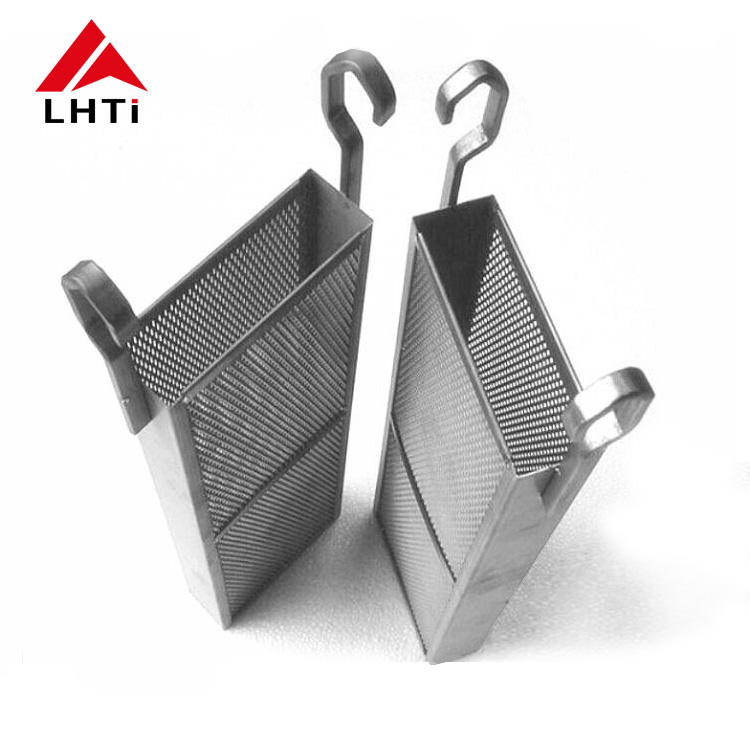
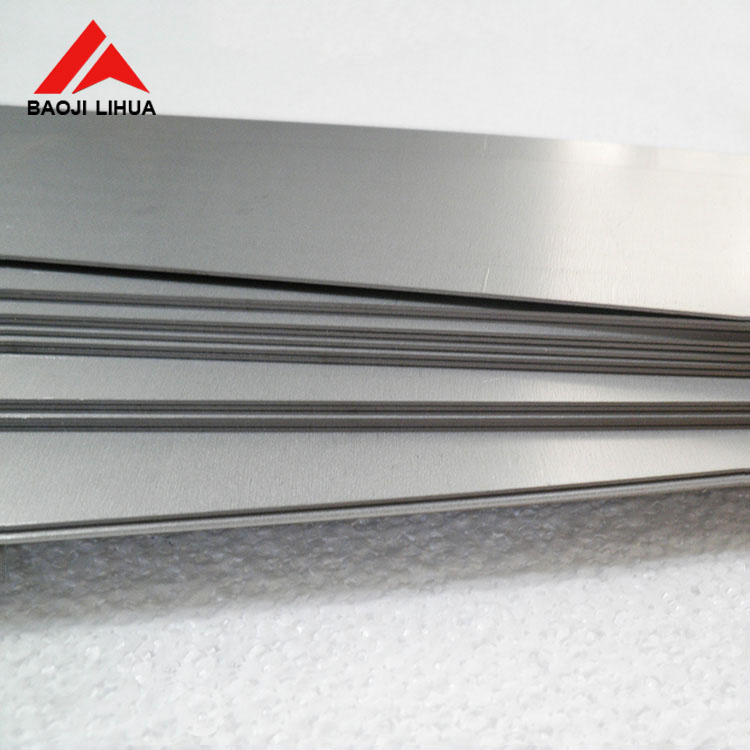
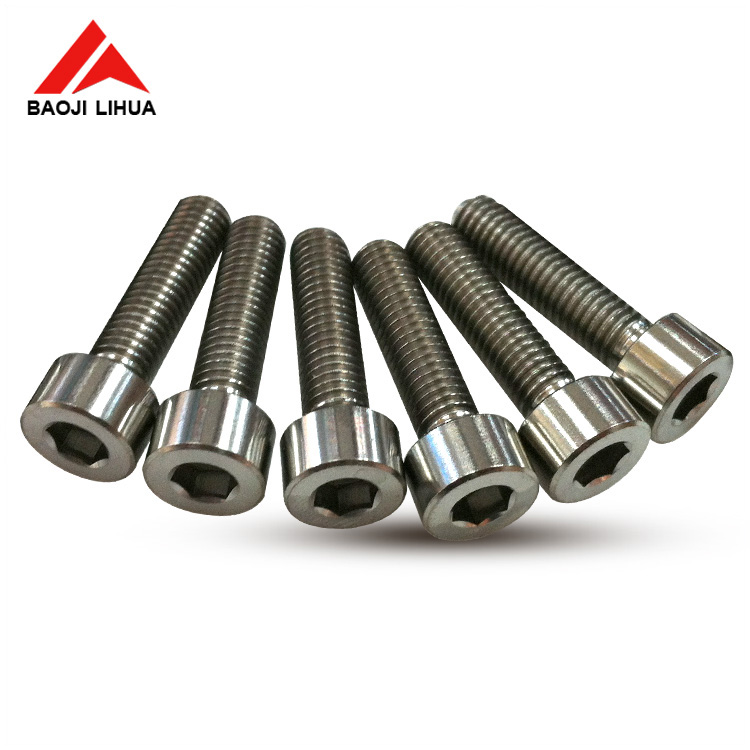
Precision-drawn seamless tubing, aerospace blocks, electroplating fixtures, and high-tensile hardware engineered to ASTM, ASME, and DIN standards for harsh operating environments.
2006 Established in Baoji Valley
100 MT Annual Seamless Tube Run
±0.02 mm Cold Pilgering Tolerance
100% NDT Ultrasonic & Hydro Verified

Seamless Titanium Tubing: Metallurgical Superiority & Cold-Deformation Engineering

An engineering breakdown of cold pilgering kinetics, interstitial crystallization control, and vacuum annealing thermodynamics in ASTM B338/B861 seamless pressure conduit production.

Cold Pilgering Mechanics

Unlike seam-welded alternatives (ASTM B862) vulnerable to heat-affected zone (HAZ) phase imbalances, Jovzi's OEM/ODM seamless titanium tubes are cold-reduced over stationary tapered mandrels via cyclic rocking dies. This severe plastic deformation refines the equiaxed grain size down to ASTM Grade 8–10, completely eliminating micro-porosity and boosting high-cycle fatigue resistance in pulsating fluid channels.

Basal Slip Texture Optimization

During cold reducing stages, our metallurgical team rigorously controls the strain ratio (Q-factor = reduction in wall thickness / reduction in outer diameter). Ensuring a Q-factor > 1.3 forces the crystallographic hexagonal close-packed (HCP) c-axes to align radially rather than tangentially. This circumferential basal texturing exponentially elevates hydraulic burst pressure capabilities without compromising bend ductility.

High-Vacuum Annealing (10⁻⁴ Torr)

Titanium behaves as an active getter material at temperatures exceeding 450°C. To completely eliminate brittle alpha-case formation, all Jovzi seamless tubes undergo full recrystallization annealing inside computerized cold-wall vacuum furnaces maintained below 10⁻⁴ Torr at 680°C–720°C. The outcome is absolute metallurgical stability, negligible interstitial pickup (O, N, H, C), and zero thermal tinting.

Engineering Standard Baseline & Chemical Specification Matrix

Precision selection of raw ingot chemistry dictates end-product mechanical resilience. Jovzi strictly adheres to tight internal chemical limits, suppressing iron and oxygen fractions well below ASTM outer maximums to guarantee maximum stress-corrosion-cracking resistance across marine, petrochemical, and downhole installations.

Titanium Grade Primary Standard Tensile Yield (Min, MPa) Ultimate Tensile (Min, MPa) Elongation (% Min) Critical Process Resistance Recommended Industrial Deployment
Grade 1 (CP4) ASTM B338 / B861 170 MPa 240 MPa 24% Maximum formability, nitric acid Electrolyzer tubing, plate heat exchangers, low-pressure coils
Grade 2 (CP3) ASTM B338 / ASME SB338 275 MPa 345 MPa 20% Chlorides, seawater, oxidizing acids Shell-and-tube condensers, desalination, CPI piping networks
Grade 7 (Ti-0.15Pd) ASTM B338 / ASTM B861 275 MPa 345 MPa 20% Severe reducing acids, low pH brines Chemical processing, autoclave tubes, sour gas extraction (H₂S)
Grade 9 (Ti-3Al-2.5V) AMS 4943 / ASTM B861 483 MPa 620 MPa 15% High-pressure fatigue, lightweight hydraulic Aerospace fuel lines, subsea umbilical cores, motorsport chassis
Grade 12 (Ti-0.3Mo-0.8Ni) ASTM B338 / ASME SB338 345 MPa 483 MPa 18% High-temp crevice corrosion > 250°C Geothermal brine evaporators, chlor-alkali exchangers

Strategic Procurement Forecast: Global Titanium Tubing Dynamics (2025–2035)

Emerging market forces reshaping seamless titanium tubular procurement, raw material allocation, and qualification hurdles over the next decade.

Hydrogen & CCUS Scale

The rapid rollout of MW-scale PEM and AEM water electrolyzers requires ultra-pure, chloride-tolerant Grade 1 and Grade 2 seamless distribution tubing. Jovzi is standardizing pickled-and-passivated interior bores to prevent catalyst poisoning from metallic trace inclusions.

Subsea & HPHT Drilling

Offshore oil operators are transitioning from duplex steels to Grade 9 and Grade 28 seamless titanium tubing for deepwater production umbilicals and downhole hydraulic control lines, exploiting titanium's immunity to microbiological pitting and low seabed density.

Aerospace Fleet Lightening

Commercial and defense airframe programs are migrating high-pressure hydraulic return lines from stainless steel (AMS 5557) to Grade 9 seamless titanium (AMS 4944), realizing up to 43% mass reduction per linear meter while satisfying 5,000 PSI dynamic burst tests.

Supply Chain De-Risking

Procurement directors are shifting from opportunistic open-market buying to direct OEM/ODM strategic partnership models. Jovzi's Baoji facility offers localized raw sponge buffer inventories, locking in fixed pricing and shielding enterprise buyers from volatile global billet runs.

Advanced Manufacturing Frontiers & Non-Destructive Assurance

How Jovzi's integrated manufacturing workflow bridges raw sponge ingot melting with micron-level ultrasonic calibration.

Multi-Channel Dual NDT Testing

Every single length of seamless titanium tubing manufactured at our facility passes through continuous online Eddy Current Testing (ASTM E426) paired with multi-probe Ultrasonic Flaw Detection (ASTM E213). This dual-screening arrangement identifies surface micro-fissures down to 0.05 mm notch depths as well as subsurface inclusions, guaranteeing zero defect propagation under cyclic pressure.

Hydrostatic Proof Verification

Tubes are hydraulically pressurized up to 35 MPa in accordance with ASME Section VIII equations: P = 2St / D. Strain gauge sensors detect microscopic wall deflection in real time. We certify each heat with documented test logs confirming zero drop in pressure over continuous dwell cycles before degreasing and export packaging.

ID/OD Electro-Polishing & Bending

Beyond straight stock, Jovzi provides complete OEM/ODM value-added fabrication. Utilizing CNC mandrel rotary draw benders, we achieve tight 1.5D bend radiuses with wall thinning under 8% and ovality below 5%. Interior surfaces can be chemically pickled or mechanically electro-polished to an ultra-smooth mirror finish of Ra < 0.2 μm.

Why Jovzi Titanium: Baoji Valley Engineering Sovereignty

Direct from the capital of Chinese titanium metallurgy, delivering certified industrial excellence since 2006.

The Jovzi Manufacturing Ecosystem in Baoji, China

Located in the heart of the Bayu High-Tech Industrial Zone, Baoji, Shaanxi — responsible for over 60% of China's titanium material output — Jovzi Titanium Industry Co., Ltd. combines raw ingot sourcing proximity with cutting-edge downstream manufacturing. Led by 4 Senior and 5 Intermediate Metallurgical Engineers, our plant maintains end-to-end sovereignty: from vacuum consumable-arc ingot melting (VAR) and rotary piercing to cold pilger reduction, CNC turning, and destructive/non-destructive testing. Every commercial or OEM batch is backed by an authentic EN 10204 3.1 Mill Test Certificate with independent chemical and physical cross-verification issued directly by the authorized BaoTi Test Center.

19+ Years Global Export Pedigree

Exporting across Germany, the USA, Canada, Japan, Belgium, and Southeast Asia since 2006. Our multilingual logistics teams handle customs clearances, seaworthy solid-wood crate crating, corrosion-inhibiting vacuum packaging, and versatile Incoterms from FOB to DDP door-to-door delivery.

Comprehensive In-House CNC Facility

In addition to standard tube mills, our machine shop houses high-speed precision multi-axis CNC lathe lines, thread rolling machinery, and hydraulic presses capable of integrating seamless titanium tubes into complete welded assemblies, stub ends, spectacle blinds, and racing exhausts.

ISO 9001 Certified Quality Traceability

Full heat-number laser tracking from raw sponge melting to final tagged product. Incoming spectrometer verification, microstructural grain measurement, flaring tests (60° expansion), flattening tests, and tensile testing occur per batch lot without exception.

Technical Procurement FAQ: Seamless Titanium Tubes

Direct answers to engineering, quality control, and metallurgical inquiries frequently raised by global procurement specialists.

What is the fundamental metallurgical difference between ASTM B338 and ASTM B861 seamless titanium tubes?
ASTM B338 explicitly governs seamless and welded titanium and titanium alloy tubes engineered for surface condensers, evaporators, and heat exchangers. This standard places strict limits on wall thickness uniformity, strict reverse flattening tests, dynamic flaring tests, and mandatory 100% pneumatic or hydrostatic testing to prevent bundle leakage. Conversely, ASTM B861 covers titanium seamless pipe intended for general corrosive and elevated-temperature industrial service, typically characterized by nominal pipe sizes (NPS Schedule sizes 10S, 40S, 80S) with higher permitted structural wall variations and pressure piping criteria per ASME B31.3.
Why choose seamless titanium tubing over welded tubing (ASTM B862) for chemical heat transfer?
Welded tubing contains a longitudinal weld fusion line that alters the grain structure into cast dendritic alpha/beta phases. In reducing acidic or high-chloride media, the weld boundary and heat-affected zone (HAZ) are prone to preferential galvanic and crevice attack. Seamless titanium tubing is homogeneous throughout its circumference, exhibits no residual weld stresses, eliminates the possibility of fusion voids, and provides substantially superior fatigue life in reciprocating compressors and pulsing heat exchangers.
How does Jovzi mitigate the risk of Hydrogen Embrittlement during pickling and tube drawing?
Titanium avidly absorbs monatomic hydrogen at temperatures above 80°C when exposed to non-oxidizing acids. Jovzi enforces strict chemical bath control: our chemical cleaning tanks employ a precisely buffered Nitric-Hydrofluoric mixture with an HNO₃ to HF ratio strictly maintained above 10:1 (typically 30% HNO₃ + 3% HF by volume). The high concentration of oxidizing nitric acid maintains the passivating TiO₂ protective surface film, inhibiting nascent hydrogen uptake. Post-pickling inert gas vacuum degasification is executed whenever hydrogen content approaches 0.010% (100 ppm).
What flaring and flattening ratios are certified on Jovzi's Mill Test Certificates?
In full accordance with ASTM B338, our seamless tubes undergo a mechanical flare test using a hardened 60° conical mandrel until the tube mouth expands by a minimum of 20% to 24% (depending on grade) without showing microscopic tearing or fissuring. Flattening tests require compressing the tube between parallel plates to a specified distance H = (1 + e)t / (e + t/D) without cracking. Actual measured mechanical deflections and tensile test values are recorded under the heat number on the EN 10204 3.1 inspection sheet.
What dimensional ranges, wall thicknesses, and tolerances can Jovzi supply on an OEM basis?
Jovzi specializes in outside diameters (OD) ranging from 3.0 mm up to 114.3 mm, with wall thicknesses (WT) ranging from ultra-thin 0.35 mm up to heavy-wall 12.0 mm. Standard straight lengths reach up to 15,000 mm. For precision instrumentation lines, our multi-roll cold pilgering equipment holds OD/WT dimensional tolerances within ±0.03 mm to ±0.05 mm, surpassing standard commercial tolerances. Custom bending, U-bundle configuration, and spool fabrications are manufactured according to client 2D/3D CAD drawings.
When should Grade 7 (Ti-Pd) or Grade 12 (Ti-Mo-Ni) be specified instead of Grade 2?
While Grade 2 commercially pure titanium functions flawlessly in neutral and oxidizing environments (such as nitric acid, seawater, and chlorine gas), it undergoes accelerated crevice corrosion in hot halide brines when the pH falls below 3 and temperatures exceed 80°C. Grade 7 contains 0.12–0.25% Palladium, which raises the electrochemical open-circuit potential into the passive zone, delivering outstanding resistance to hydrochloric, sulfuric, and phosphoric acid mixtures. Grade 12 provides a cost-effective alternative between Gr2 and Gr7 for high-temperature brine applications up to 260°C where intermediate strength and crevice resistance are required.
Can Jovzi supply complete U-bent heat exchanger tube bundles ready for installation?
Yes. Jovzi provides factory U-bending in accordance with TEMA (Tubular Exchanger Manufacturers Association) standards and ASTM B338. Bending radiuses from 1.5 × OD up to 1,250 mm are cold-formed with internal mandrels. The straight legs and bend arcs are subsequently stress-relieved under vacuum to remove residual cold-work stresses, followed by 100% helium leak or hydrostatic verification and specialized wooden box partitioning for ocean transport.
What are the minimum order quantities (MOQ) and production lead times?
For standard commercial sizes (e.g., OD 19.05 mm × WT 0.89 mm / 1.0 mm, OD 25.4 mm × WT 1.24 mm in Grade 2), we keep continuous warehouse inventory with no minimum order quantity (MOQ: 1 piece or 1 meter). For custom alloy runs, unique diameters, or OEM draw schedules (e.g., Grade 9 hydraulic lines or Grade 7 chemical conduits), the typical MOQ is 30 kg to 100 kg, with pilot prototype sample runs accommodated. Typical custom mill lead times range between 15 and 28 business days.
How are seamless titanium tubes packaged to prevent transit damage and ovality loss?
Every tube undergoes end deburring, chamfering, and dual-ended polyethylene protective cap sealing to prevent particulate contamination. Individual tubes are plastic-sleeved, arranged in honeycomb structural bundles tied with non-metallic strapping, wrapped in moisture-resistant vapor barrier film, and secured inside reinforced, ISPM-15 compliant export plywood boxes fitted with internal timber supports to prevent bowing and ovality distortion during ocean freight.
Are independent third-party laboratory inspection reports available before shipping?
Yes. In addition to Jovzi's factory ISO 9001 quality department MTC, we routinely coordinate independent third-party inspections through SGS, TÜV Rheinland, Bureau Veritas, or the specialized BaoTi Test Center (National Center for Quality Supervision and Testing of Non-ferrous Metals). Inspections can include positive material identification (PMI), micro-hardness surveys, chemical spectrography, ultrasonic shear-wave testing, and witnessed hydrostatic trials.

Request an Engineering Consultation & Mill Quote

Submit your seamless titanium tubing bill of materials, project drawings, or alloy performance specifications directly to our Baoji manufacturing engineering center. Receive comprehensive technical feedback, weight-per-meter calculations, and mill-direct commercial terms within 8 hours.

  • Grade: Gr1, Gr2, Gr7, Gr9, Gr12
  • Specs: ASTM B338 / B861 / ASME SB338
  • Dimensions: OD × WT × Length (mm)
  • EN 10204 3.1 MTC & BaoTi Test Report

Direct Factory Procurement

Get a Quote Average Response Time ≤ 8 Hours (GMT+8)