Electroplating
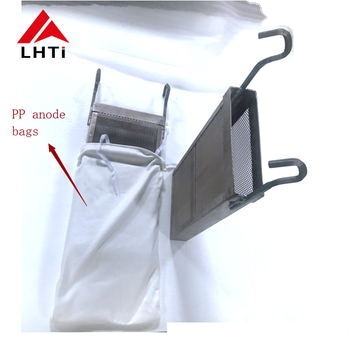
Gr2 Anodising Titanium Basket With PP Anode Bags
- Material: CP Grade 2 (UNS R50400)
- Application: Chemical Anodizing Baths
- Weld Integrity: Argon-Shielded TIG
Manufactured to ASTM B381, ASTM B348, and ASTM B363 specifications. Every critical component undergoes non-destructive ultrasonic and hydrostatic evaluation prior to factory dispatch.
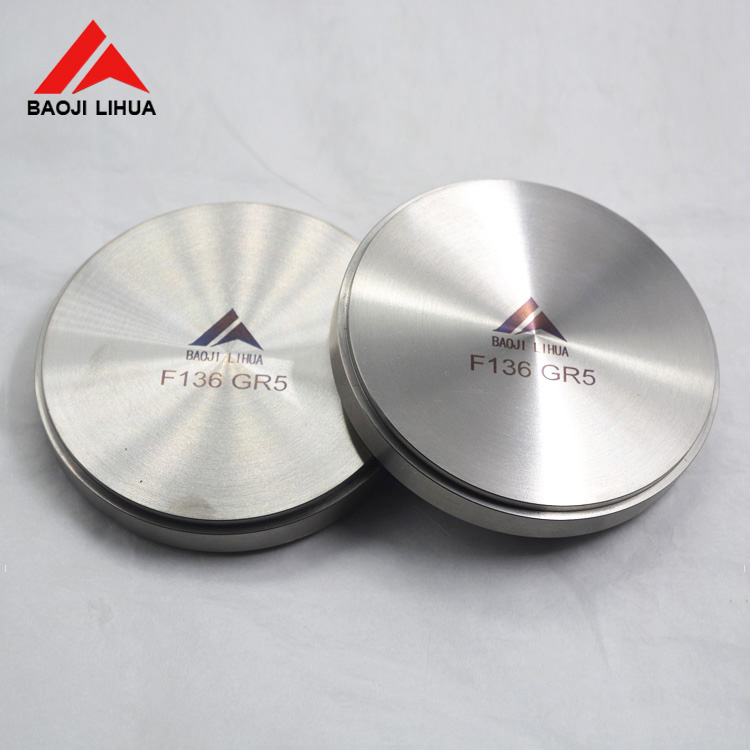
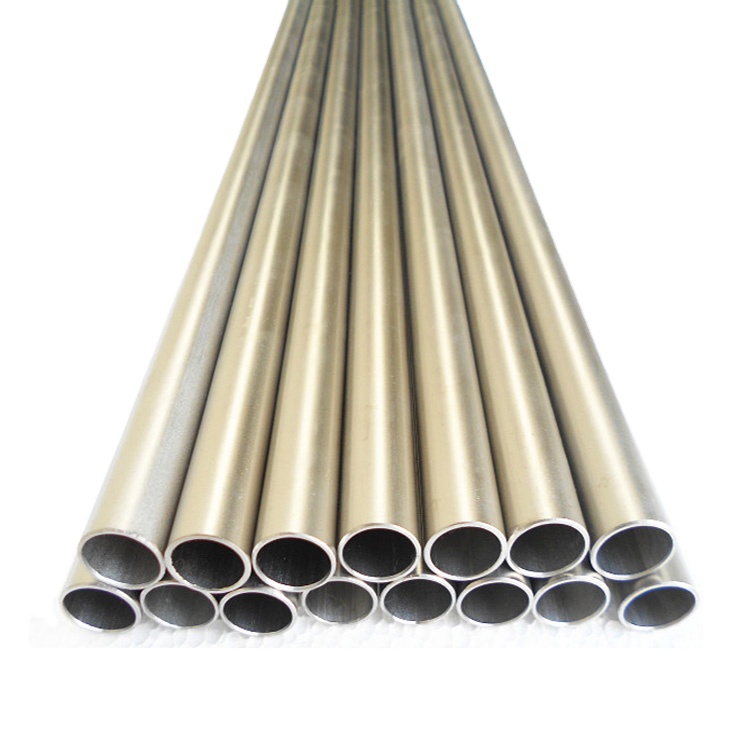
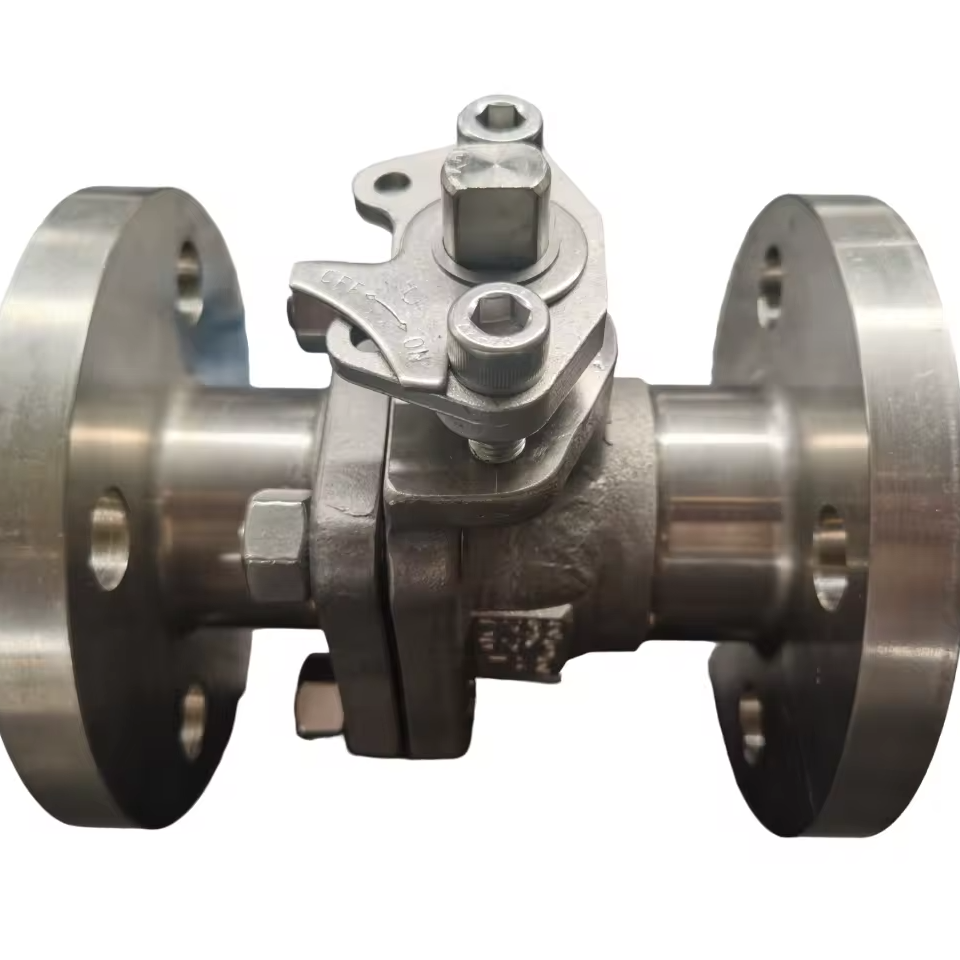
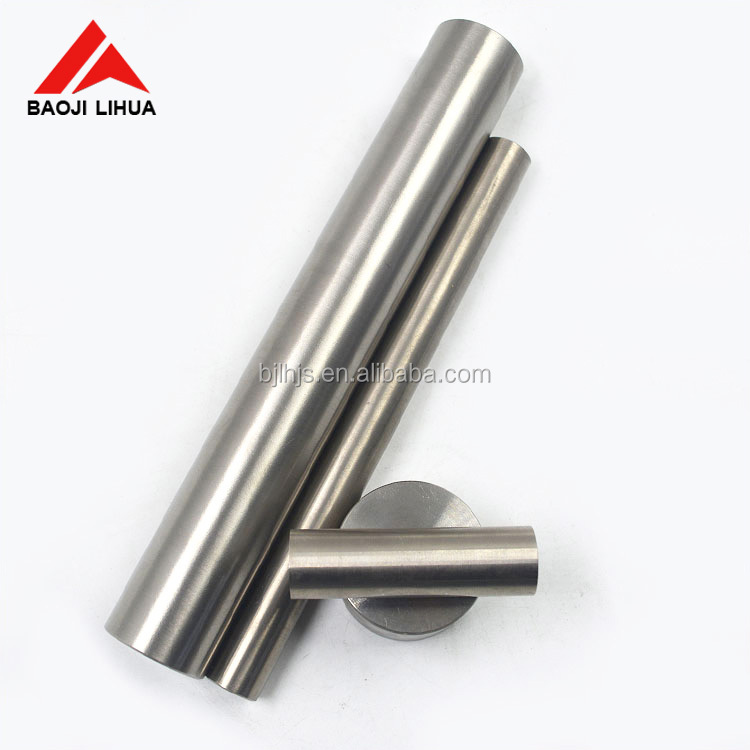
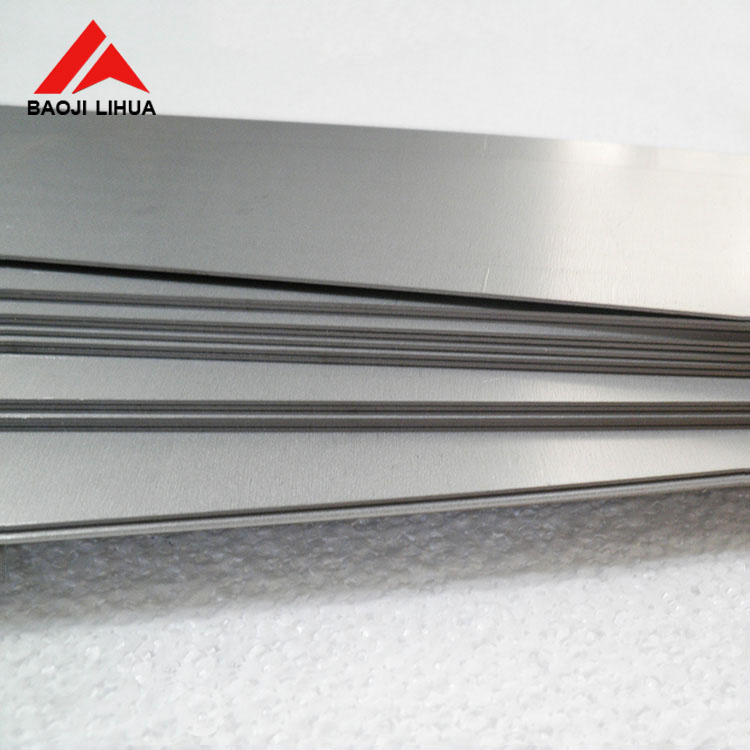
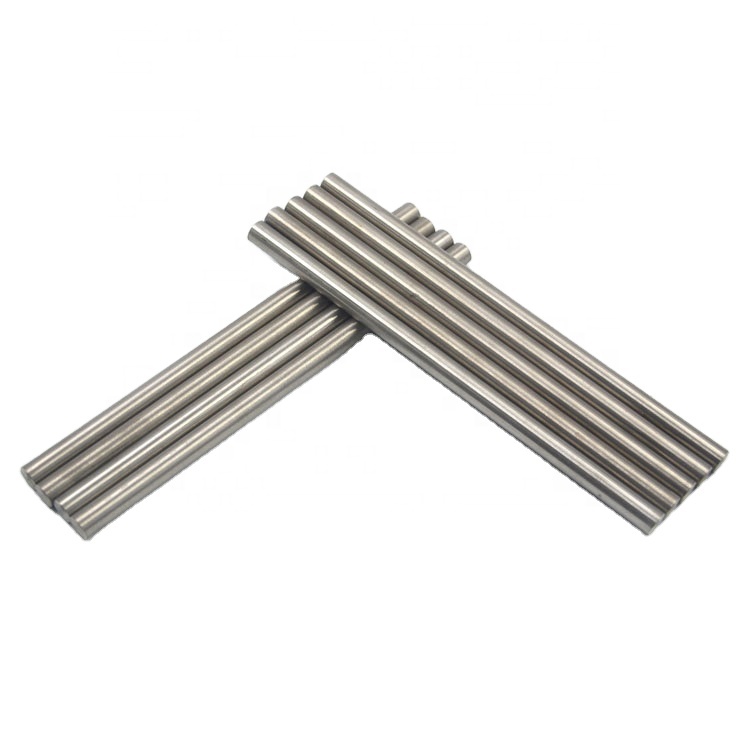
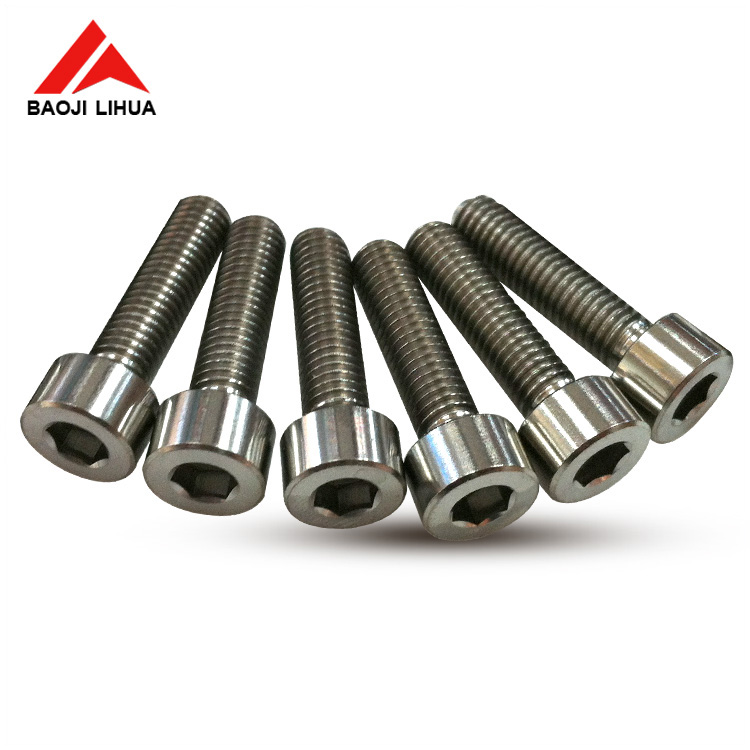
A rigorous metallurgical overview of thermo-mechanical processing, grain-boundary refinement, and anti-corrosion applications in aggressive chloride environments.
Industrial piping networks handling lethal toxic fluids, severe subsea hydrostatic pressures, and aggressive sour gas (H2S) environments demand superior mechanical consistency. Conventional fabrication methods frequently turn to plate-cut flanges due to lower machining lead times. However, plate cutting leaves end-grain exposure directly in line with pipe axial pressure, exposing microscopic voids and promoting laminar tearing along rolled slip planes.
At our Baoji forging facility, OEM/ODM Titanium Flanges are produced through true closed-die and open-die rotary radial forging from double-melted (VAR - Vacuum Arc Remelted) or triple-melted sponge ingots. During plastic deformation under high-tonnage hydraulic forging presses, the alpha-beta grain morphology is aligned unbroken along the external contour and neck geometry of the flange. This continuous grain contouring eliminates structural stress-raisers, enhances impact toughness at cryogenic thresholds, and provides superior radial burst resistance up to Class 2500 and API 10,000 PSI service environments.
Selecting the appropriate grade of titanium for forged blind, weld neck, slip-on, and lap-joint flanges balances thermodynamic economics with equipment lifecycle longevity:
| Grade Designation | UNS Code | Tensile Strength (Min) | Yield Strength (0.2%) | Optimum Process Environment |
|---|---|---|---|---|
| Grade 1 (CP Ti) | R50250 | 240 MPa | 170 MPa | Highest ductility, explosive bonding linings, deep-drawing plate applications. |
| Grade 2 (CP Ti) | R50400 | 345 MPa | 275 MPa | Workhorse chemical process material: seawater desalination, wet chlorine, nitric acid. |
| Grade 5 (Ti-6Al-4V) | R56400 | 895 MPa | 828 MPa | Deep-sea subsea manifolds, offshore risers, aerospace structural pressure rings. |
| Grade 7 (Ti-0.15Pd) | R52400 | 345 MPa | 275 MPa | Extreme reducing acids (HCl, H2SO4), aggressive crevice corrosion in hot brine. |
| Grade 12 (Ti-Mo-Ni) | R53400 | 483 MPa | 345 MPa | Elevated temperature chlorides (up to 300°C) where pitting attack must be mitigated. |
Procurement directors and EPC engineering teams face dynamic geopolitical and supply chain shifts. Three decisive trends define next-generation titanium flange sourcing:
A. Demand for Total Traceability and ESG Verification: Leading engineering contractors (Fluor, Technip, Saipem) now mandate complete raw sponge-to-machined component traceability. Jovzi guarantees that every forged flange is delivered with full EN 10204 3.1 mill test certificates, documenting chemical composition down to single-digit ppm interstitial elements (Carbon, Hydrogen, Oxygen, Nitrogen, and Iron), complete with dual-certified ultrasonic test reports in adherence to ASTM B381 and AMS 2631 Class A/AA.
B. Near-Net-Shape Forging to Counter Soaring Raw Material Waste: Titanium remains an energy-intensive material. Traditional subtractive manufacturing from thick plate or heavy billet yields scrap ratios as high as 70%. Modern procurement strategies favor factories with in-house precise ring rolling and closed-die forging setups that produce near-net-shape blanks, compressing cycle times and reducing raw material input costs by up to 28%.
C. Growth in Palladium-Conserving Substitutes (Grade 12 vs. Grade 7): Driven by fluctuations in precious metal costs, industrial chemical plants are transitioning low-to-medium risk brine piping from palladium-alloyed Grade 7 to molybdenum-nickel modified Grade 12. This delivers robust resistance against crevice cracking at temperatures above 100°C without the palladium surcharge.
The manufacturing paradigm of titanium industrial flanges is evolving beyond basic machining toward tightly managed metallurgical crystallization. Automated gas-fired and electric atmosphere vacuum furnaces prevent oxygen embrittlement (“alpha-case” formation) during billet pre-heating. Advanced CNC multi-axis machining centers execute simultaneous spiral-groove serrations (phonographic and concentric finishes conforming to ASME B16.5 surface roughness specs of Ra 3.2 to 6.3 µm) to achieve flawless gasket seating.
Moreover, ultrasonic non-destructive testing (NDT), dye-penetrant inspection (DPI), and positive material identification (PMI) through X-ray fluorescence (XRF) spectroscopy have become integrated steps on the shop floor, removing the vulnerability of human error and guaranteeing zero defective parts in mission-critical installations.
Rooted in China's Titanium Valley (Baoji), we combine raw material resource control, deep metallurgy expertise, and international trade governance to serve demanding markets across Europe, the Americas, and Southeast Asia.
Headquartered in Baoji, Shaanxi since 2006. We operate at the center of China's titanium supply cluster, securing top-tier 0A sponge titanium directly from primary smelters at stabilized costs.
Our staff of 4 senior metallurgical engineers and 5 intermediate engineering specialists supervise all thermo-mechanical deformation, crystal grain controls, and custom drawing translations.
In addition to our factory testing, third-party chemical and mechanical verification reports issued by the authoritative BaoTi Test Center are standard with our mill documentation.
Exporting to Germany, USA, Japan, Canada, and beyond for 19+ years. Seamless Incoterms execution (FOB, CIF, DDP, DAP) with customized anti-scratch maritime packaging.
Clear, direct answers regarding tolerances, material testing certificates, minimum order quantities, and OEM manufacturing agreements.
Send your dimensional drawings, required alloy grade, pressure class, and target destination. Our metallurgical specialists review all parameters and respond within 8 business hours with transparent pricing and factory inspection plans.
Send an Inquiry