Chemical & Plating
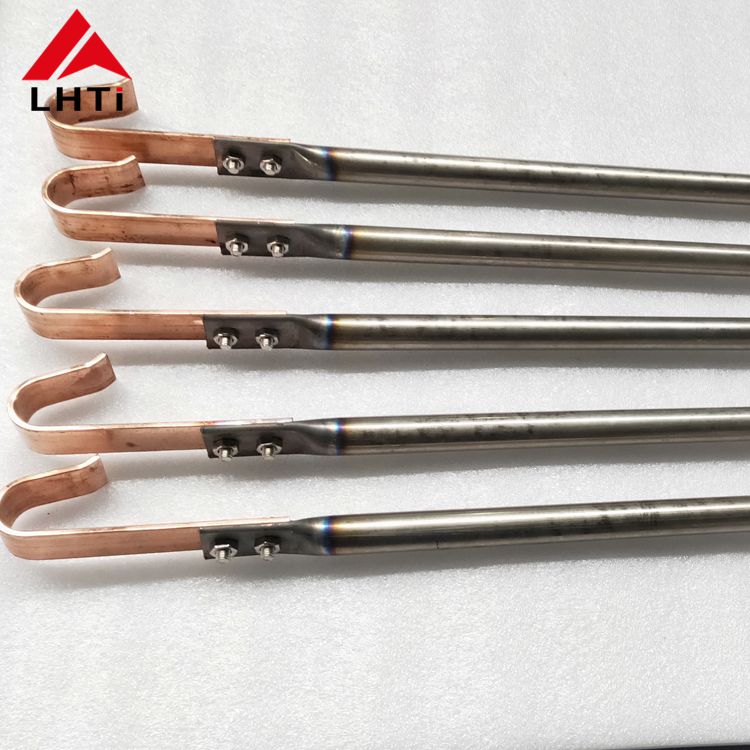
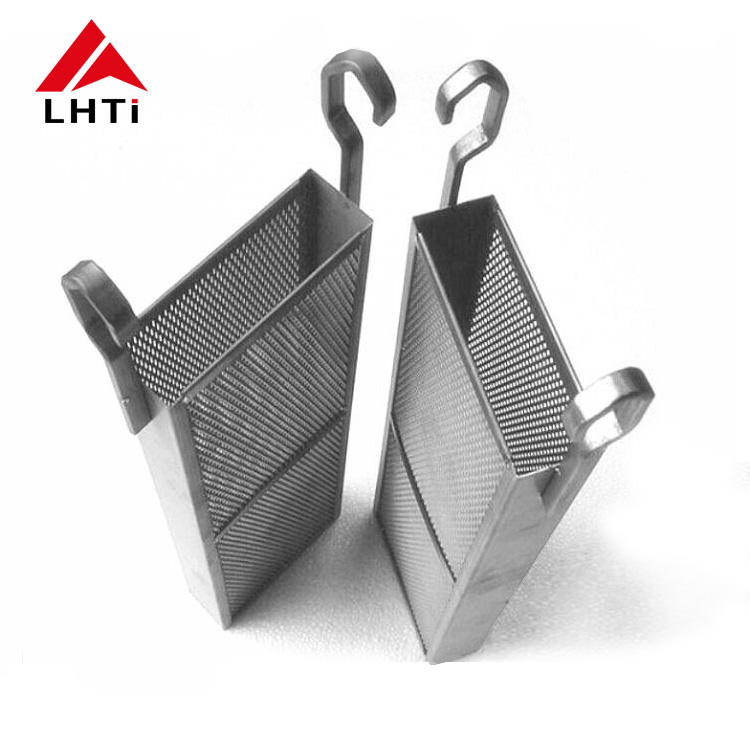
Anodizing Gr2 Titanium Shaft with Copper Hook for Plating
- Grade: CP Grade 2 Titanium
- Conductivity: Solid Pure Copper Clad
- Application: Anodizing / Electroplating
Every product batch is strictly certified to ASTM, ASME, and DIN standards, accompanied by full mill test traceability (EN 10204 3.1) and rigorous third-party metallurgical validation.
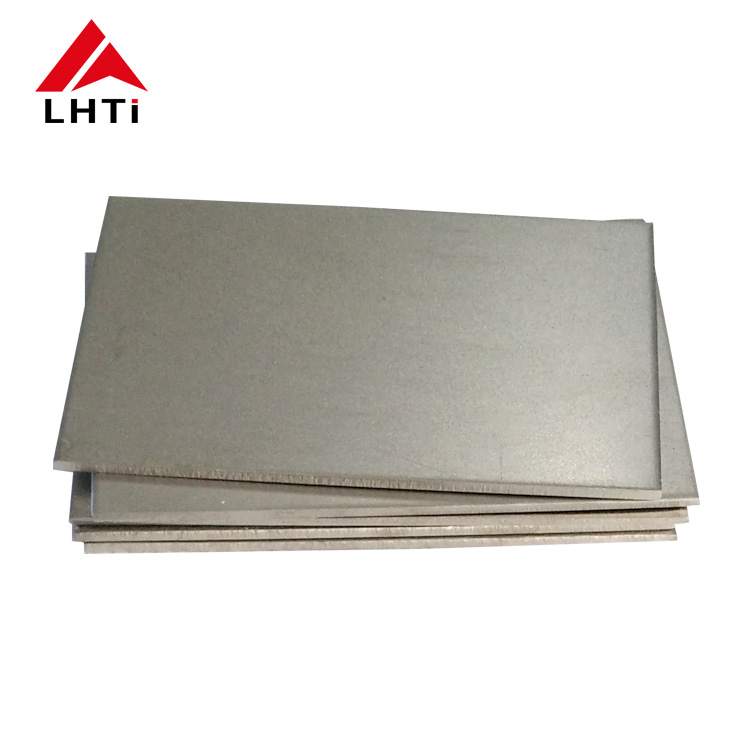
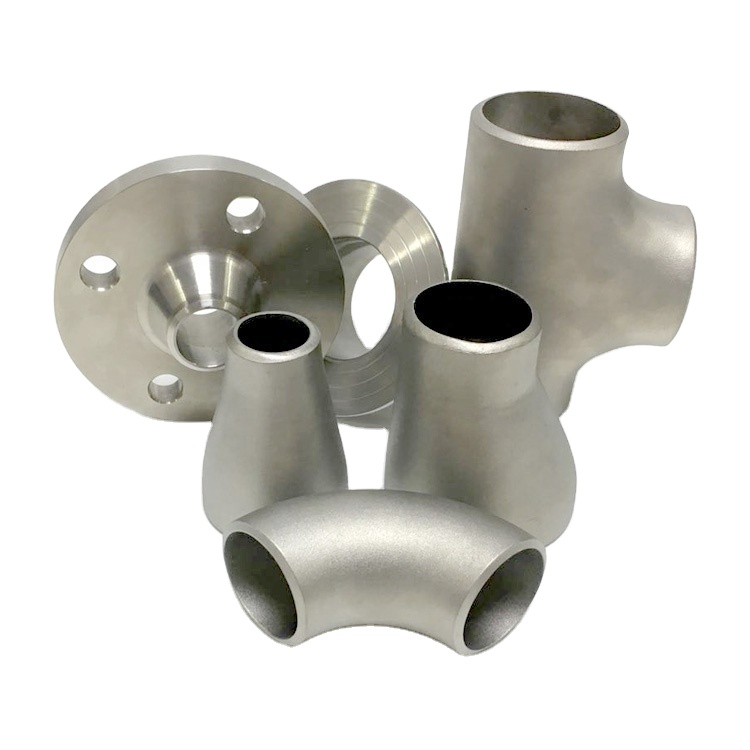
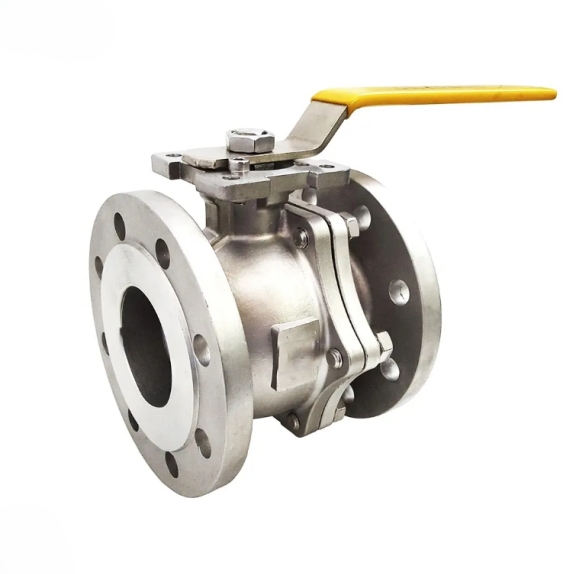
In modern precision manufacturing, sourcing raw titanium sheets is no longer a simple matter of selecting standard gauge sizes. Engineering procurement teams must balance strain hardening rates, surface passivity kinetics, and crystallographic texture orientation. When high-velocity aerospace frames, chemical reaction autoclaves, and maritime hydrogen plants specify ASTM B265 titanium plate, metallurgical microstructures determine product longevity far more than bulk chemistry alone.
As a globally integrated manufacturer situated in China's Silicon Valley of Titanium—Baoji—Jovzi Titanium Industry controls every operational vector from vacuum consumable electrode arc melting (VAR) to multi-pass hot and cold rolling mills. Pure titanium grades (CP Gr1 through Gr4) require precision control over interstitial elements (Oxygen, Nitrogen, Carbon, and Iron) to ensure uniform deep-drawing performance. In contrast, alpha-beta alloys like Gr5 (Ti-6Al-4V) necessitate tightly regulated solution treatment and aging (STA) protocols to prevent micro-cracking during cold hydroforming and shear stamping operations.
| Titanium Grade | UNS / Norm | Tensile Strength (MPa) | Elongation (%) | Primary Industrial Utility Matrix |
|---|---|---|---|---|
| Gr1 (CP Ti) | UNS R50250 | ≥ 240 | ≥ 24 | Deep-drawn chemical vessel liners, plate heat exchangers, cryogenic gaskets |
| Gr2 (CP Ti) | UNS R50400 | ≥ 345 | ≥ 20 | Industrial standard for desalination, power condenser tubings, anodizing racks |
| Gr5 (Ti-6Al-4V) | UNS R56400 | ≥ 895 | ≥ 10 | Aerospace bulkheads, motorsport dynamic brackets, high-tensile armor plating |
| Gr7 (Ti-Pd) | UNS R52400 | ≥ 345 | ≥ 20 | Reducing chemical acids, extreme crevice corrosion zones, hydrometallurgy |
| Gr12 (Ti-Mo-Ni) | UNS R53400 | ≥ 483 | ≥ 18 | Elevated temperature chloride environments, brine evaporators, oil extraction |
Key supply chain indicators, decarbonization initiatives, and hybrid production paradigms shaping international titanium sheet acquisition.
Global aerospace and industrial original equipment manufacturers are actively establishing closed-loop supply contracts. Titanium chips, plate trimmings, and off-cuts generated during five-axis CNC machining are reclaimed via Electron Beam Cold Hearth Remelting (EBCHR) to produce aerospace-grade certified slabs with a 38% smaller carbon footprint.
The global push toward green hydrogen generation is causing a massive surge in demand for ultra-thin (0.2mm - 0.8mm) Gr1 and Gr2 titanium bipolar plates. Manufacturers must invest in ultra-flat tension leveling lines to guarantee thickness uniformity across oversized sheets within tight micro-tolerances.
Traditional multi-stage rolling cycles from large ingots are being supplemented by direct powder-metallurgy strip rolling. This continuous process drastically reduces lead times for bespoke non-standard alloys, bypassing conventional reheating sequences while maintaining pristine equiaxed grain distribution.
Leading buyers in nuclear propulsion and subsea hydrocarbon recovery now mandate 100% phased-array ultrasonic testing (PAUT) along with continuous eddy-current surface inspection right at the rolling mill exit to catch subsurface micro-voids before shipment.
Procurement directors are diversifying away from single-source raw titanium sponge suppliers. Jovzi's strategic footprint in Baoji ensures uninterrupted upstream feedstock via partnerships with national primary reduction plants, maintaining supply security despite shifts in global trade flows.
Instead of shipping rectangular bulk plates that force end-users to carry expensive scrap margins, mills are increasingly shipping multi-axis fiber-laser cut profiles, pre-beveled sheets, and waterjet blanks ready for automated robotic welding cells.
Founded in 2006, Jovzi Titanium Industry Co., Ltd. is located in Baoji, Shaanxi Province—a cluster responsible for over 60% of China’s national titanium production and roughly 20% of global industrial titanium output. Unlike pure broker trading entities, our plant integrates raw materials processing, hot rolling, CNC turning, thread rolling, and precision testing facilities under a certified ISO 9001 Quality Management System.
Our engineering staff includes 4 Senior Metallurgical Engineers and 5 Intermediate Technical Specialists who oversee everything from VAR sponge melting to finished surface treatments. We maintain direct access to the authorized BaoTi Test Center, ensuring every heat provides indisputable metallurgical data covering chemical composition (spectrometric analysis), yield strength (Rp0.2), tensile strength (Rm), elongation (A%), reduction of area (Z%), and ultrasonic immersion testing to ASTM/ASME specs.
Every plate, bar, flange, or fastener is micro-stamped with a distinct heat tracking number corresponding directly to an EN 10204 3.1 Inspection Certificate.
With 6+ years of specialized OEM component manufacturing, we produce custom parts according to complex 2D/3D customer drawings (PDF, STEP, DWG) with micron tolerances.
We routinely support international delivery via FOB, CIF, EXW, DDP, and rapid air express, packaged in seaworthy reinforced wooden crates with desiccant wrapping.
Authoritative metallurgical and commercial answers to the most common queries raised by international procurement managers.
Connect directly with Jovzi’s engineering department in Baoji. Send your 2D/3D part drawings, ASTM/ASME raw material specifications, or custom dimensional requests for a comprehensive quotation within 8 hours.