ASTM B348
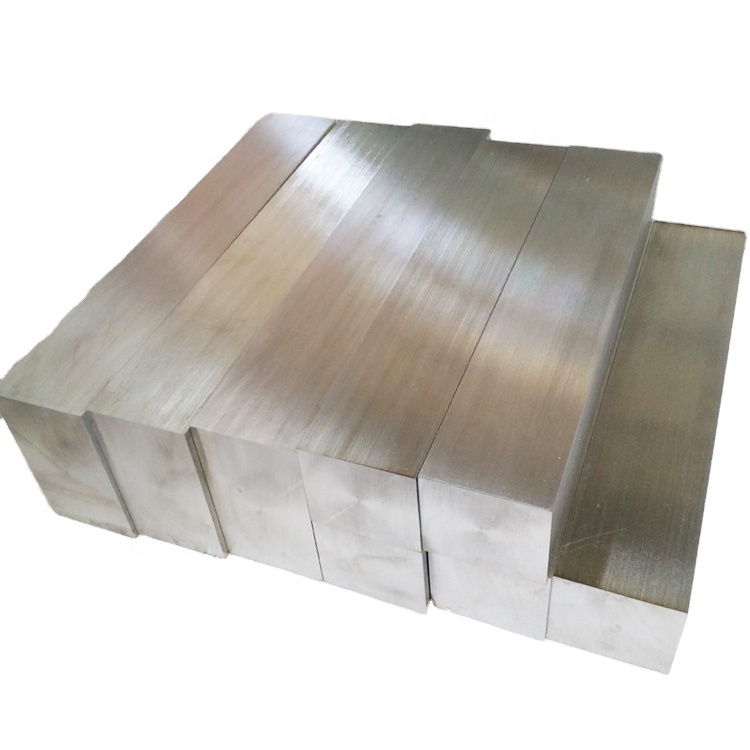
Manufactured under strict ISO 9001 quality protocols in Baoji, China's Titanium Valley.
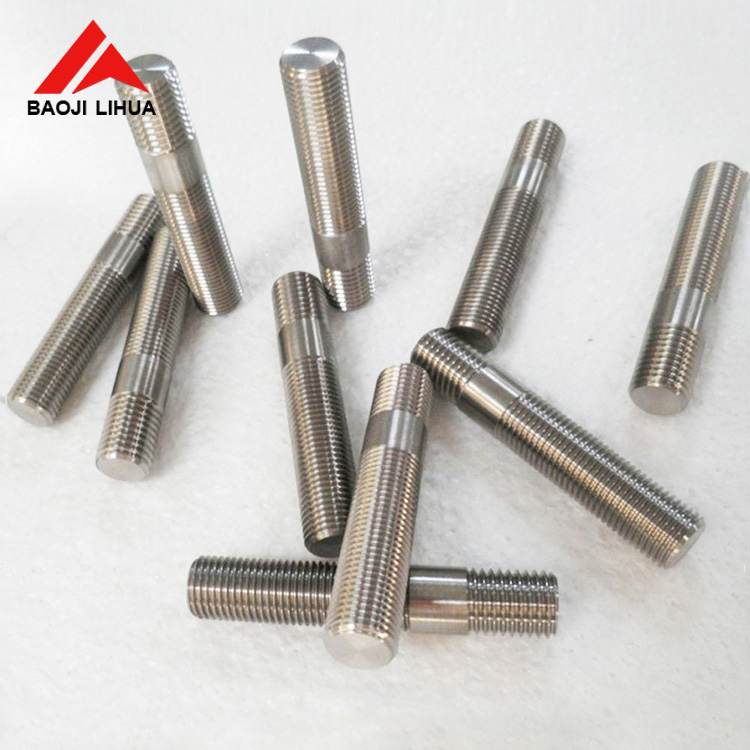
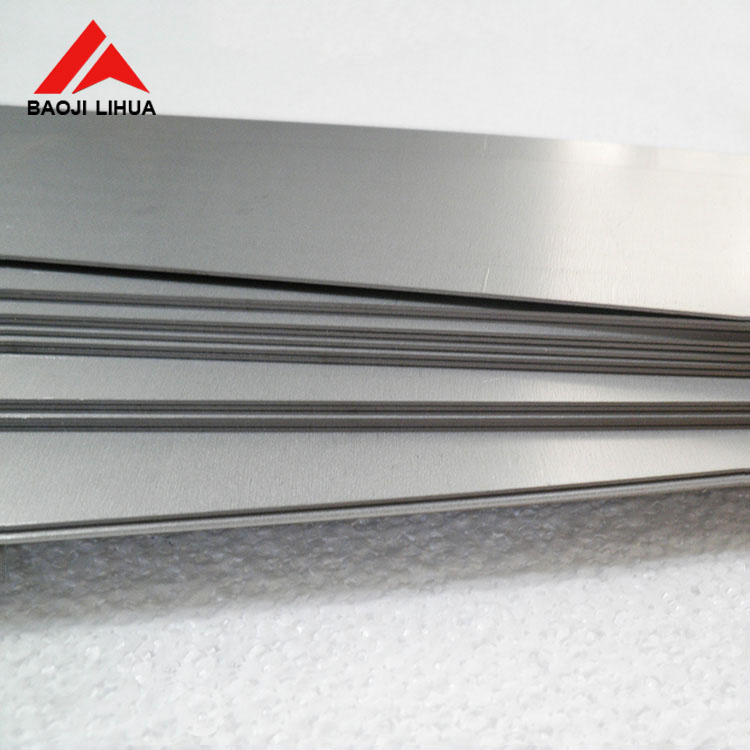
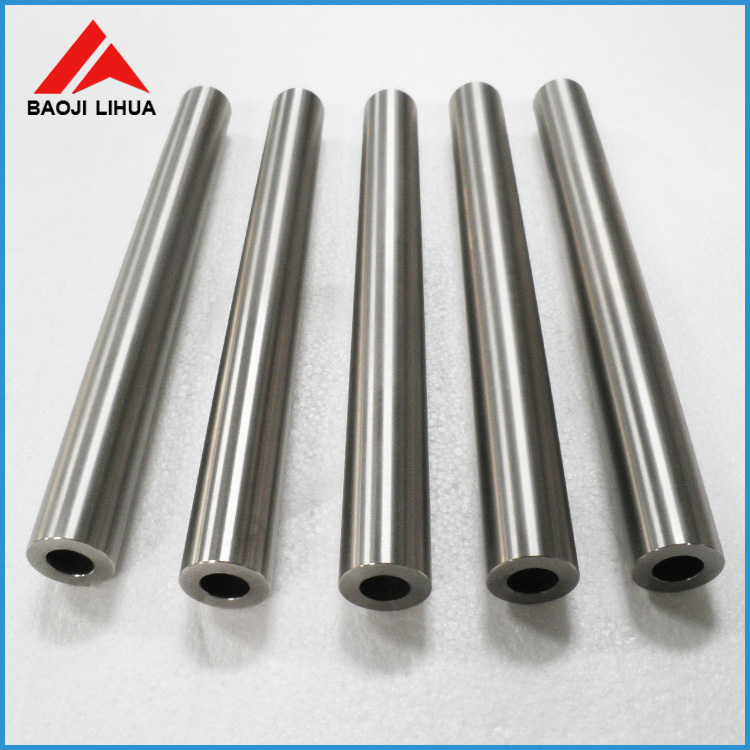
A technical guide to selecting high-integrity Grade 1, Grade 2, and Grade 9 structural and heat exchanger tubing.
The global demand for industrial and aerospace-grade titanium tubing has surged dramatically over the past five years, propelled by aerospace fleet modernization, chemical desulfurization projects, nuclear power plant cooling loops, and high-performance automotive motorsport engineering. Titanium's exceptional strength-to-weight ratio—yielding a specific strength superior to structural steel with roughly 44% less mass—combined with its spontaneous oxide film (TiO₂ passivity) provides peerless performance in aggressively corrosive chlor-alkali, brine, and marine environments.
However, when corporate procurement officers, EPC engineering firms, and fabrication directors search for the top 10 titanium tube manufacturers and exporters, they frequently encounter ambiguous technical data and wide quality variances. Producing ASTM B338, ASTM B861, or AMS 4943 titanium tube requires tightly controlled vacuum induction or vacuum arc remelting (VAR), precise cold pilger reduction, protective inert atmosphere annealing, and 100% non-destructive examination (NDE). Jovzi Titanium Industry Co., Ltd., based in the epicenter of China’s non-ferrous metal cluster—Baoji, Shaanxi—bridges global specification standards with direct-mill manufacturing capabilities.
| Titanium Tubing Grade | UNS / Composition | Yield Strength (Min) | Tensile Strength (Min) | Key Mechanical Characteristic | Primary Industrial Sector |
|---|---|---|---|---|---|
| Grade 1 (CP4) | UNS R50250 (Commercially Pure) | 170 MPa (25 ksi) | 240 MPa (35 ksi) | Maximum cold formability & elongation (≥ 24%) | Plate heat exchangers, deep-drawn casings |
| Grade 2 (CP3) | UNS R50400 (Standard Pure) | 275 MPa (40 ksi) | 345 MPa (50 ksi) | Optimal balance of strength, weldability, corrosion resistance | Power plant condensers, marine exhaust, chemical processing |
| Grade 5 (Ti-6Al-4V) | UNS R56400 (α-β Alloy) | 828 MPa (120 ksi) | 895 MPa (130 ksi) | Extreme tensile load-bearing, heat-treatable capability | Motorsport suspension, high-pressure aerospace hydraulic lines |
| Grade 7 (Ti-0.15Pd) | UNS R52400 (Palladium Alloy) | 275 MPa (40 ksi) | 345 MPa (50 ksi) | Immunity to crevice corrosion in low-pH reducing chlorides | Severe chemical synthesis, offshore marine manifolds |
| Grade 9 (Ti-3Al-2.5V) | UNS R56320 (Near-α Alloy) | 483 MPa (70 ksi) | 620 MPa (90 ksi) | Cold-workable high strength, outstanding burst resilience | Aircraft hydraulic systems, premium bicycle & motorsport tubing |
| Grade 12 (Ti-Mo-Ni) | UNS R53400 (Dilute Alloy) | 345 MPa (50 ksi) | 483 MPa (70 ksi) | Elevated temperature resistance in chloride brine | Geothermal heat pumps, chemical heat exchangers |
Key vectors transforming international titanium tube and hardware sourcing.
Global supply chain risk management now dictates that EPC contractors mandate EN 10204 3.1 certification originating from sponge titanium lot tracking. Sourcing from certified regional clusters like Baoji guarantees raw-sponge chemical verification with comprehensive hydrogen, nitrogen, and oxygen interstitial gas analysis.
Historically dominated by seamless cold pilgering, automated continuous orbital and high-frequency TIG welding for Gr2 and Gr7 tubes (0.8mm to 1.2mm wall) has matured. Modern in-line eddy current testing guarantees weld seam integrity at substantially lower per-meter manufacturing costs.
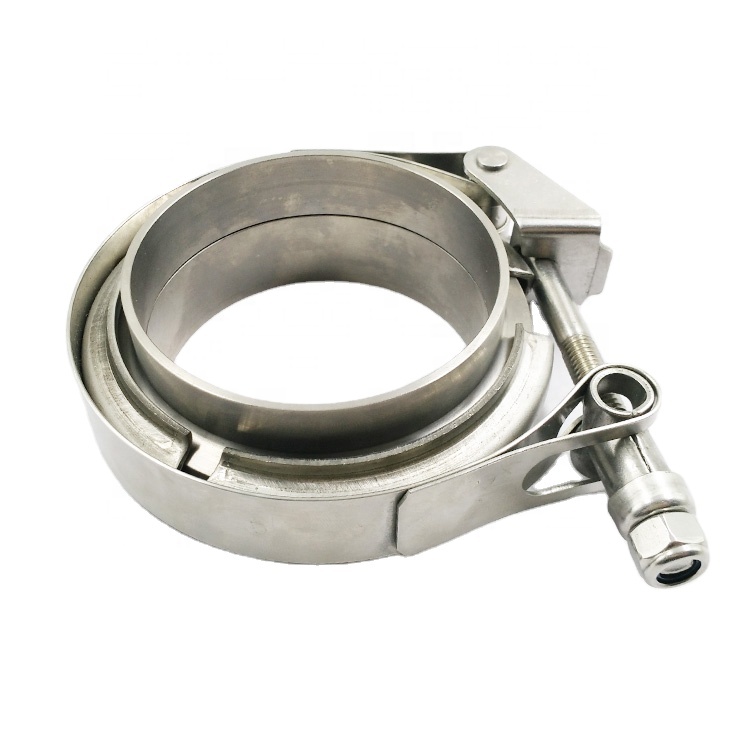
Fabrication shops in Europe and North America are reducing domestic labor costs by purchasing turnkey titanium tube sub-assemblies. This includes precision mandrel bends, pre-cut 1.5D pie cuts, and pre-machined V-band male/female flanges designed for rapid clean-room TIG assembly.
Due to crevice corrosion failures in traditional 316L and duplex stainless steels exposed to hot hypersaline conditions, engineering specifications for reverse osmosis and multi-stage flash desalination plants are shifting to palladium-stabilized titanium tubes for 30+ year maintenance-free lifecycle economics.
Next-generation aerospace and medical applications demand Extra Low Interstitial (ELI) purity grades (such as Grade 23 / Ti-6Al-4V ELI). Controlling oxygen content below 0.13% prevents embrittlement in cryogenic fluid management and provides elevated fracture toughness for biomedical orthopedic implants.
Leveraging Baoji's world-class metallurgical infrastructure to deliver consistent dimensional accuracy, documented traceability, and export excellence since 2006.
Direct supply partnerships with local sponge-to-ingot smelting facilities ensure premier feedstock and uncompromised cost efficiency.
Staffed by 4 senior and 5 intermediate non-ferrous metallurgical engineers overseeing precision hot forging, cold rolling, and CNC machining.
Every lot is backed by EN 10204 3.1 MTCs with independent spectroscopic and mechanical validation by the authorized BaoTi Test Center.
Serving enterprise clients across Germany, the USA, Japan, Belgium, and Southeast Asia under FOB, CIF, DDP, and rapid express terms.
Critical metallurgical and contractual questions answered by factory engineers.
The primary standards are ASTM B338 (seamless and welded titanium and titanium alloy tubes for condensers and heat exchangers), ASTM B861 (titanium and titanium alloy seamless pipe for general corrosive service), and ASTM B862 (welded titanium pipe). For aerospace hydraulic systems, AMS 4943/4944/4945 specifications govern dimensional and pressure tolerances.
Standard quality protocols for Jovzi titanium tubes incorporate 100% Eddy Current Testing (ECT) per ASTM E426, Hydrostatic Testing to specified design pressures, and Ultrasonic Testing (UT) per ASTM E213. Flaring, flattening, reverse bend, and microscopic grain size tests are documented on each batch certificate.
Titanium readily absorbs atmospheric oxygen, nitrogen, and hydrogen above 400°C (752°F), resulting in catastrophic weld embrittlement. TIG welding requires high-purity argon shielding (99.999%), a dedicated trailing shield to protect hot solidified bead metal, and internal back-purging until the component cools below 250°C.
Standard warehouse stock (such as Gr2/Gr5 round bars, 1.0mm polished plates, and standard exhaust tubing) has an MOQ starting from 1 piece or 1 kg. Custom CNC machined components, large-diameter forged rings (up to OD 1074mm), or specialized tube pilger runs are quoted per engineering drawing with 2 to 4-week production lead times.
Submit your 2D/3D blueprints (PDF, DWG, STEP) or dimensional parameters to Jovzi’s engineering department for material verification, compliance analysis, and formal volume quotation within 8 hours.
Get a Quote