Precision Titanium Engineering Solutions
Direct from China's Titanium Valley (Baoji), our audited manufacturing lines deliver precision CNC turning, hot forging, seamless drawing, and tight-tolerance fluid control components for critical global infrastructure.
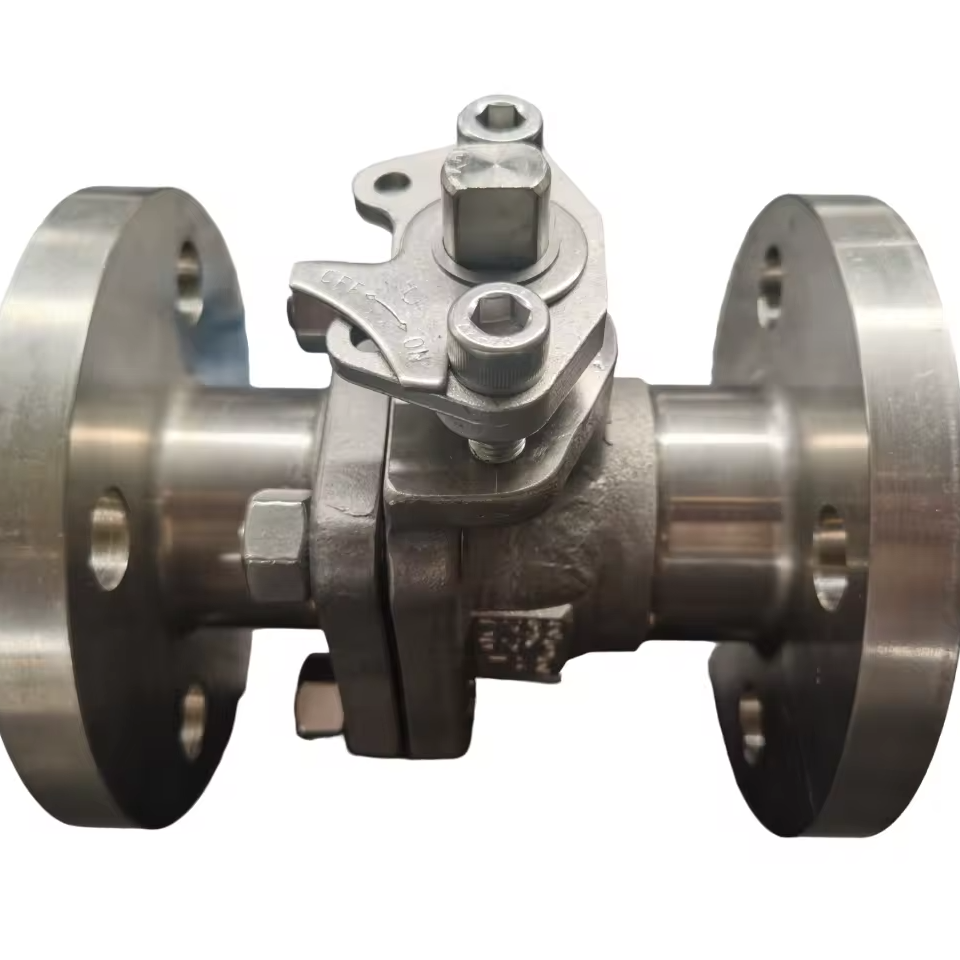
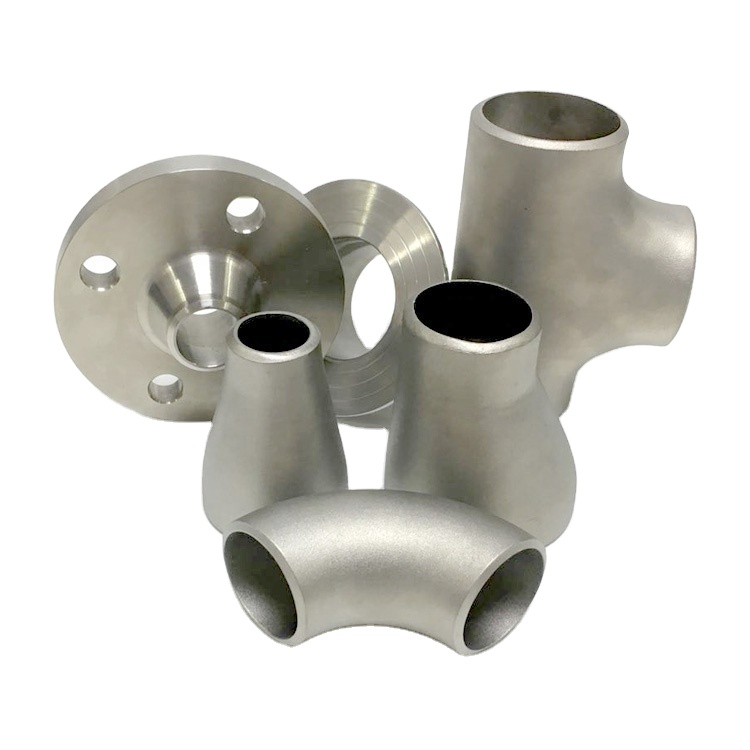
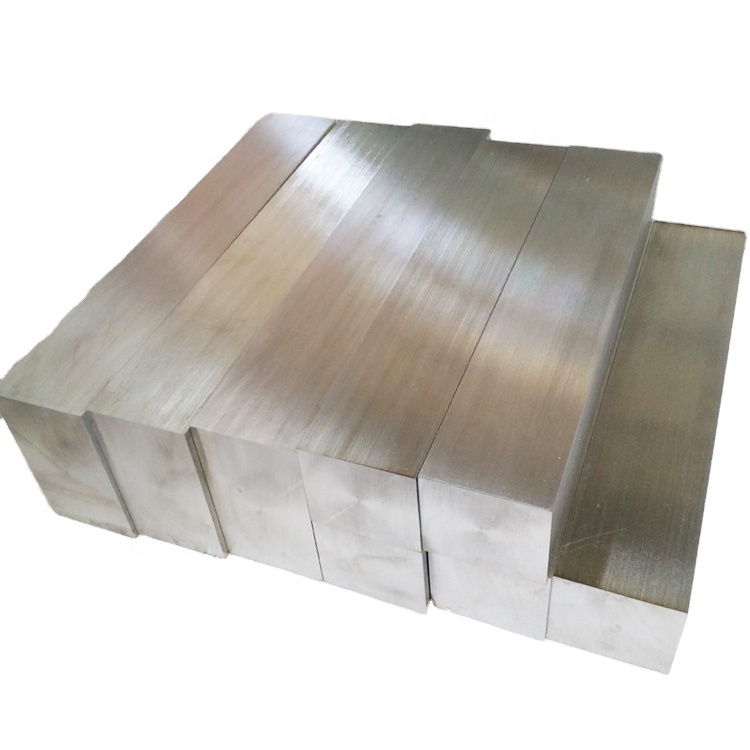
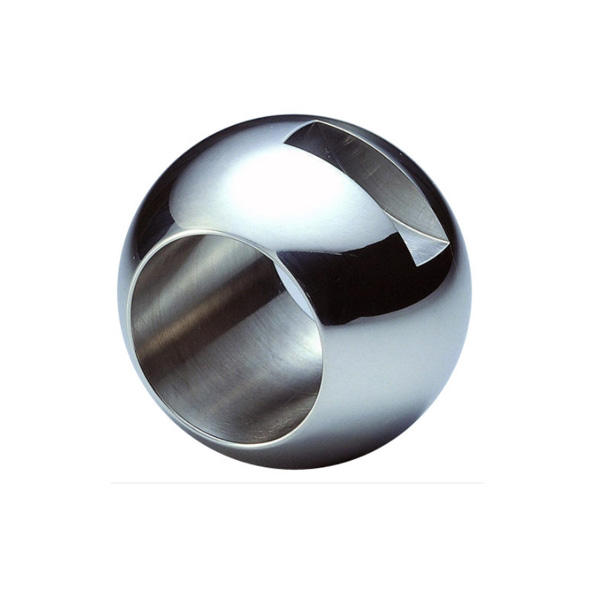
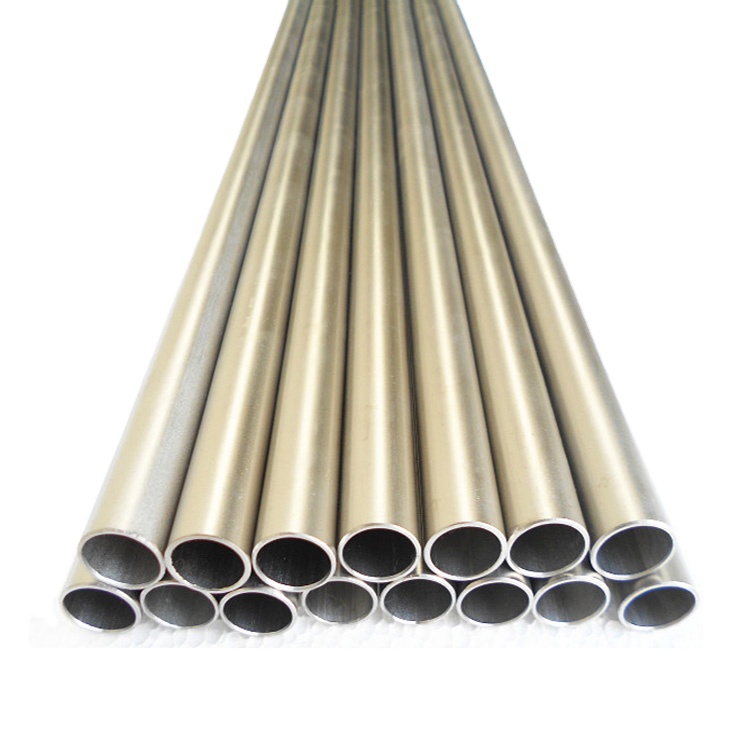
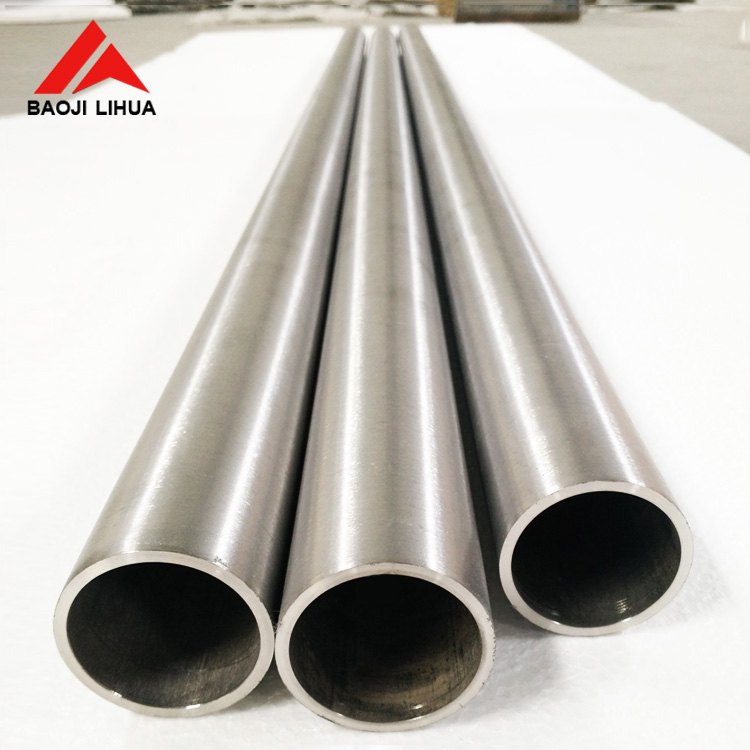
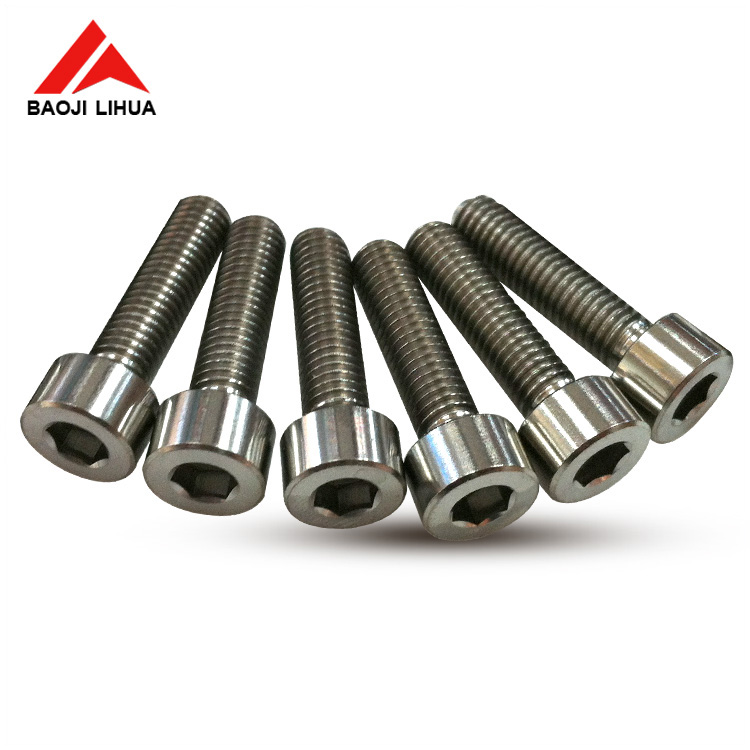
Demystifying the Global Titanium Union Landscape
Industrial pipe unions (comprising male tailpieces, female thread ends, and union nut components) machined from titanium alloys provide non-corrosive, vibration-resistant, and easily demountable piping connections. Unlike standard austenitic stainless steel (such as AISI 316L) or nickel-copper Monel alloys, reactive metals like Grade 2 Commercially Pure (CP) titanium and Grade 5 (Ti-6Al-4V) form an instantaneous, ceramic-dense titanium dioxide (TiO₂) passivation layer upon contact with oxygen. This microscopic barrier renders titanium unions practically impervious to wet chlorine gas, chlorate solutions, boiling nitric acid, and hyper-saline subsea environments.
However, procuring titanium union hardware presents distinctive engineering challenges that do not exist with commodity carbon steel fittings. Titanium possesses a relatively low modulus of elasticity (105 to 120 GPa, roughly half that of structural steel) combined with a pronounced chemical affinity toward galling during thread engagement. Top-tier titanium exporters resolve these intrinsic hurdles through proprietary manufacturing techniques: precision thread rolling rather than chip cutting, strict vacuum inert-gas annealing to prevent interstitial oxygen/nitrogen embrittlement, and micro-engineered dry-film anti-galling coatings (such as molybdenum disulfide or micro-arc oxidation).
Top 10 Global Titanium Union Factories & Exporters Directory: Evaluation Criteria
When global EPC (Engineering, Procurement, and Construction) contractors review audited manufacturing directories, top-tier vendors are segregated by their smelting source, hot-working forging press capacity, cleanroom CNC machining centers, and third-party NDT (Non-Destructive Testing) accreditations. The leading 10 manufacturing clusters worldwide cluster predominantly within China's "Titanium Valley" (Baoji), Western Japan, the United States, and Northern Italy:
Vacuum Arc Remelting (VAR) Control
Premier titanium mills utilize double or triple vacuum arc remelting (VAR) to eliminate high-density inclusions (HDIs) and low-density inclusions (LDIs), safeguarding seamless unions from micro-porosity under 6000+ PSI pressure surges.
Hot Isostatic Pressing & Closed Die Forging
Forged union nuts and collars exhibit unbroken crystallographic grain flow around critical root radii, increasing fatigue resistance and burst safety factors by up to 45% compared to bar-machined counterparts.
Full Traceability: EN 10204 3.1 & 3.2
Complete lot traceability tied directly to master ingots via unique heat stamping. Verified quantitative chemical spectroscopy and mechanical break tests ensure ASTM B381, B363, and ASME B16.11 fidelity.
Engineering Grade Selection for Titanium Union Assemblies
Specifying the appropriate titanium alloy grade is decisive in avoiding mechanical failure or over-capitalized expenditure. Below is the operational benchmark utilized by chemical plant designers and subsea instrumentation engineers when sourcing unions, connectors, and threaded manifolds:
| Alloy Grade | UNS Designation | Yield Strength (Min) | Tensile Strength (Min) | Primary Industrial Working Environment |
|---|---|---|---|---|
| Grade 1 (CP4) | UNS R50250 | 170 MPa (25 ksi) | 240 MPa (35 ksi) | Maximum deep drawability; cryogenic hydrogen lines; low-stress plate fittings. |
| Grade 2 (CP3) | UNS R50400 | 275 MPa (40 ksi) | 345 MPa (50 ksi) | The workhorse standard for chemical piping, marine seawater cooling, ASME B16.11 unions. |
| Grade 5 (Ti-6Al-4V) | UNS R56400 | 828 MPa (120 ksi) | 895 MPa (130 ksi) | Extreme pressure rating (Class 3000/6000), motorsport lightweighting, aerospace hydraulics. |
| Grade 7 (Ti-0.15Pd) | UNS R52400 | 275 MPa (40 ksi) | 345 MPa (50 ksi) | Hydrochloric, phosphoric, and sulfuric acid handling; crevice corrosion immunity up to 250°C. |
| Grade 12 (Ti-Mo-Ni) | UNS R53400 | 345 MPa (50 ksi) | 483 MPa (70 ksi) | High-temperature brine, steam condensates, elevated chloride cracking resistance without palladium cost. |
Future Procurement & Manufacturing Trends for Titanium Unions
As the global energy transition accelerates, aerospace production ramps toward historical peaks, and subsea deepwater exploration extends into harsher reservoirs, procurement practices for titanium fittings are undergoing three tectonic shifts:
1. Near-Net-Shape Isothermal Forging
Traditional union production generated scrap ratios exceeding 60% when hogging out bodies from solid round bar. Next-generation factories deploy closed-die isothermal hydraulic forging presses to achieve near-net shapes, drastically compressing input titanium sponge consumption, decreasing buy-to-fly ratios, and mitigating supply-chain volatility.
2. Micro-Arc Oxidation (MAO) Anti-Galling
Galling remains the primary failure mechanism of dry-assembled titanium threaded unions. Leading exporters are phasing out hazardous cadmium and silver platings in favor of plasma electrolytic oxidation (PEO/MAO), creating an ultra-hard (1200+ HV), atomically bonded ceramic coating that permits hundreds of torque-and-break cycles without thread seizure.
3. Digital Product Passports & ESG Scrap Loops
By 2026, European and North American EPC buyers will mandate certified cradle-to-gate carbon footprint disclosures on titanium exports. Leading Baoji manufacturers are integrating closed-loop titanium scrap revert management, cold hearth electron-beam (EB) melting furnaces, and QR-coded mill test passports tracking ingot heat origins to reduce embedded carbon by up to 38%.
Step-by-Step Vendor Audit Checklist for Titanium Union Exporters
Procurement engineers cannot evaluate titanium suppliers purely on Alibaba trade assurance ratings or pricing schedules. To protect high-pressure pipelines from catastrophic rupture, implement this rigorous five-stage supplier qualification protocol:
Sponge Origin & Chemistry Screening
Confirm that the raw titanium sponge complies with 0-grade or small-particle high-purity standards. Verify that interstitial contaminants (Hydrogen ≤ 0.015%, Oxygen ≤ 0.18%, Nitrogen ≤ 0.03%) are kept within narrow thresholds to avoid stress-corrosion embrittlement.
Thread Geometry & Rolled Profiles
Ascertain whether unions feature rolled or machined threads. For dynamic pulsating pressures, cold-rolled threads yield unbroken longitudinal flowlines and introduce beneficial residual compressive stresses that double high-cycle fatigue life.
Full-Immersion Ultrasonic Testing (UT)
Demand 100% UT testing on raw forged bars prior to finish CNC profiling, conforming to ASTM B381 and AMS 2631 Class AA standards, ensuring zero sub-surface gas voids or metallurgical inclusions exist within high-stress pressure-retaining walls.
Hydrostatic Proof & Gas Helium Sniffing
Standard liquid penetrant inspection (PT) must be paired with hydrostatic burst testing to 1.5x design pressure and helium mass spectrometer leak detection (10⁻⁹ mbar·L/s) for high-purity semiconductor or vacuum unions.
Independent Third-Party Verification (BaoTi / SGS Testing)
Reject self-declared mill reports lacking third-party certification. Authoritative exporters provide EN 10204 Type 3.1 inspection documentation verified by accredited national metallurgical institutions (such as the BaoTi Test Center) with explicit heat lot numbers cross-referenced to chemical emission spectrometry and tensile coupon test curves.
Frequently Asked Questions for Titanium Hardware Buyers
Direct technical answers addressing the most common search queries, metallurgical dilemmas, and logistical parameters encountered by supply chain specialists.
Why choose a forged titanium union over standard 316L or super duplex stainless steel?
How do titanium factories prevent thread galling on union nuts and male connectors?
Which international manufacturing standards govern titanium unions and fittings?
What is the standard production lead time and typical Minimum Order Quantity (MOQ)?
Can Jovzi Titanium provide custom-machined components according to 3D CAD models?
Direct Sourcing from China's Titanium Valley
Founded in 2006 in Baoji, Shaanxi — the epicenter of Chinese titanium smelting and forging — Jovzi Titanium Industry Co., Ltd. bridges raw metallurgical mastery with strict Western quality criteria for industrial, marine, chemical, and motorsport procurement partners worldwide.
ISO 9001:2015 & Full Traceability
Every mill batch is accompanied by genuine EN 10204 3.1 inspection certificates. Chemical composition and physical tensile test reports can be independently verified via the national BaoTi Test Center on request.
Senior Engineering Team
Our workshop is powered by 4 senior metallurgical engineers and 5 intermediate tooling designers, delivering comprehensive OEM and buyer-label solutions from prototype drawings to multi-ton volume exports.
Global Export & Dynamic Logistics
With an 81–90% export ratio serving the EU, North America, Japan, and Southeast Asia, we support versatile trade incoterms (FOB, CIF, EXW, DDP door-to-door) and multi-currency billing (USD, EUR, AUD, HKD).