Engineered Titanium Piping Components & Hardware
Direct factory manufacturing of reactive metal pipe fittings, precision CNC fasteners, forged round bars, and fabricated exhaust components adhering strictly to ASME, ASTM, and DIN engineering standards.
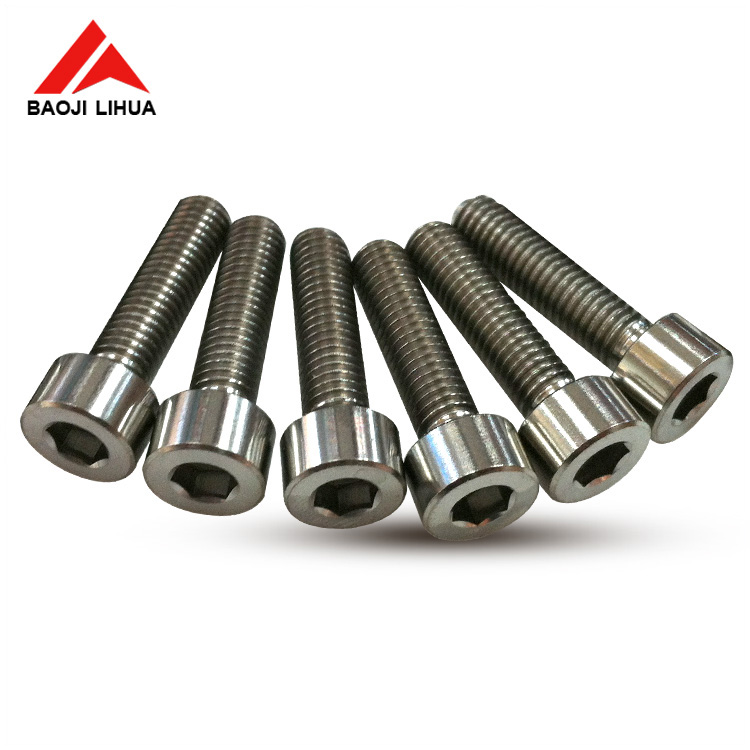
High Quality Gr5 Titanium Bolt M6 M8 M10 DIN912 Titanium Screws
- Material: Ti-6Al-4V Grade 5
- Tensile Strength: ≥ 895 MPa
- Thread Rolling: ISO Class 6g Precision
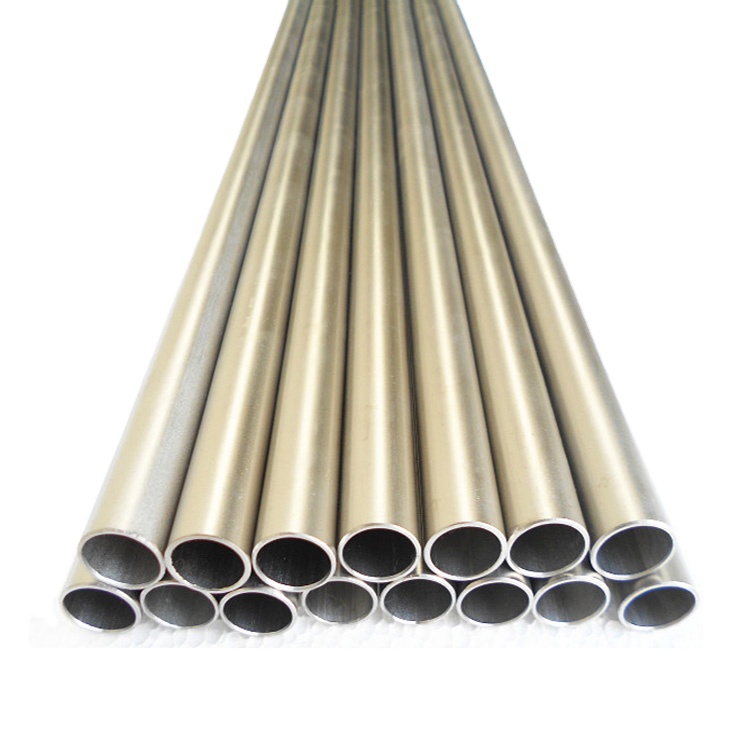
Gr1 GR2 GR5 GR9 Titanium Pipe Tube Exhaust
- Alloy Grades: Gr 1, Gr 2, Gr 5, Gr 9
- Fabrication: Seamless & Welded
- Corrosion Class: Chloride Resistant
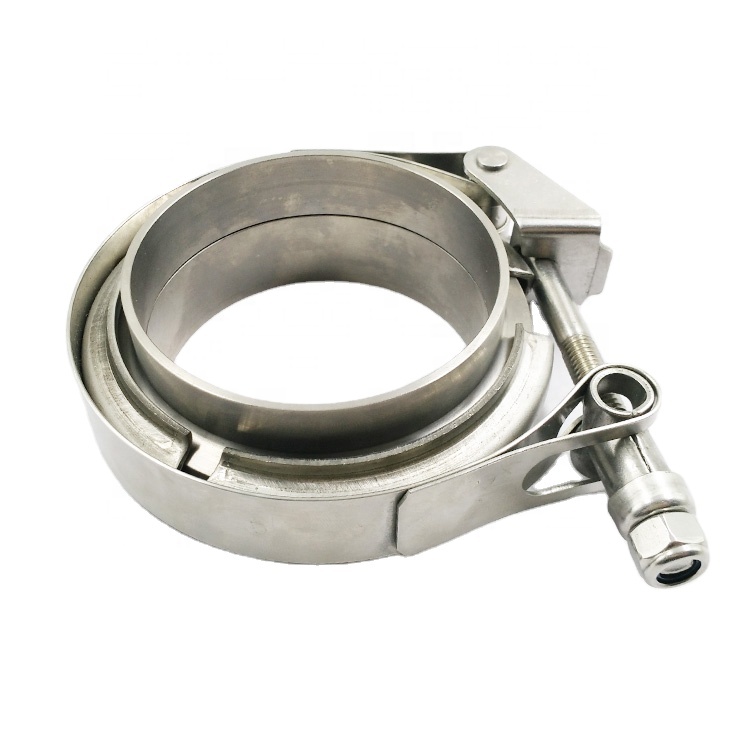
Titanium Gr1 Gr2 2inch 3inch 4inch 5inch V Band Clamp With Male and Female Flanges for Titanium Vehicle Exhaust Systems
- Size Range: 2.0" to 5.0" OD
- Mating Seal: Interlocking Step Groove
- Weight Savings: 45% vs Stainless 304
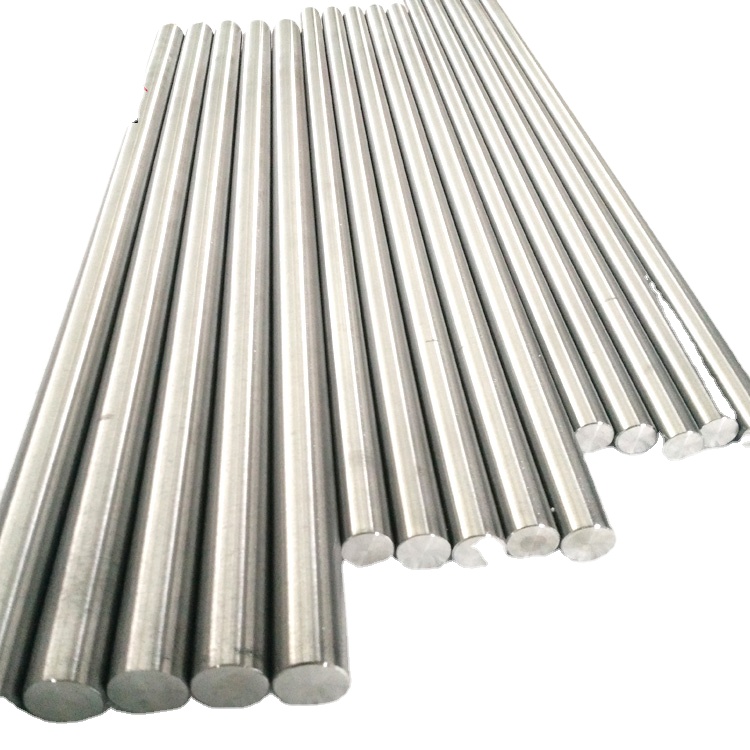
ASTMB348 GR5 Titanium Bar Tod Dia100mm Best Price High Quality
- Diameter: Ø 100mm (Forged / Ground)
- Heat Treatment: Annealed (Mill Certified)
- Ultrasound Test: AMS 2631 Class A1
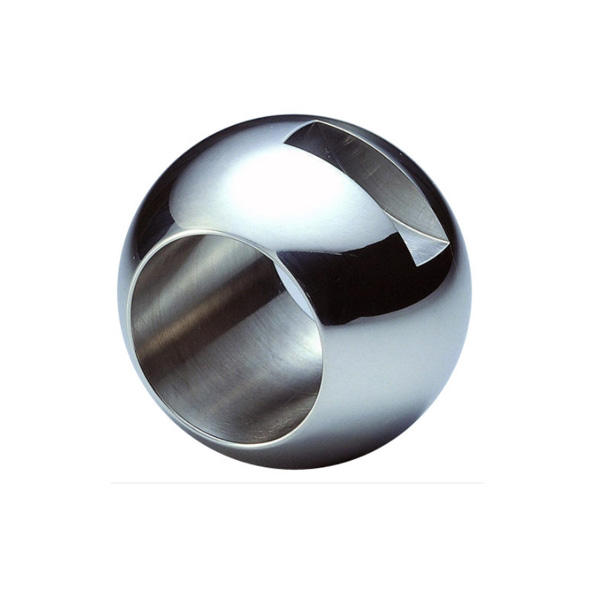
Titanium Ball Core Various Connection Methods Ball Valve Accessories High Pressure Ball Valve American Standard Valve Core
- Structure: Hollow / Solid Forged
- Surface Sphericity: Ra ≤ 0.2 μm Mirror
- Application: Aggressive Media Valves
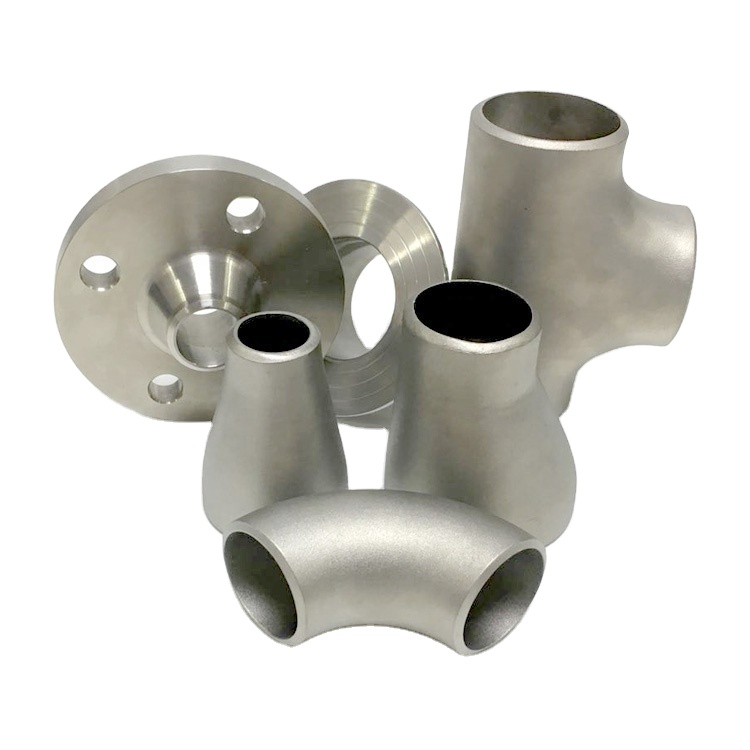
Ti-pure Titanium Seamless Concentric Reducer Pipe Fitting
- Standard: ASME B16.9 / ASTM B363
- Forming: Seamless Cold Extrusion
- Wall Schedule: Sch 10S, 40S, 80S
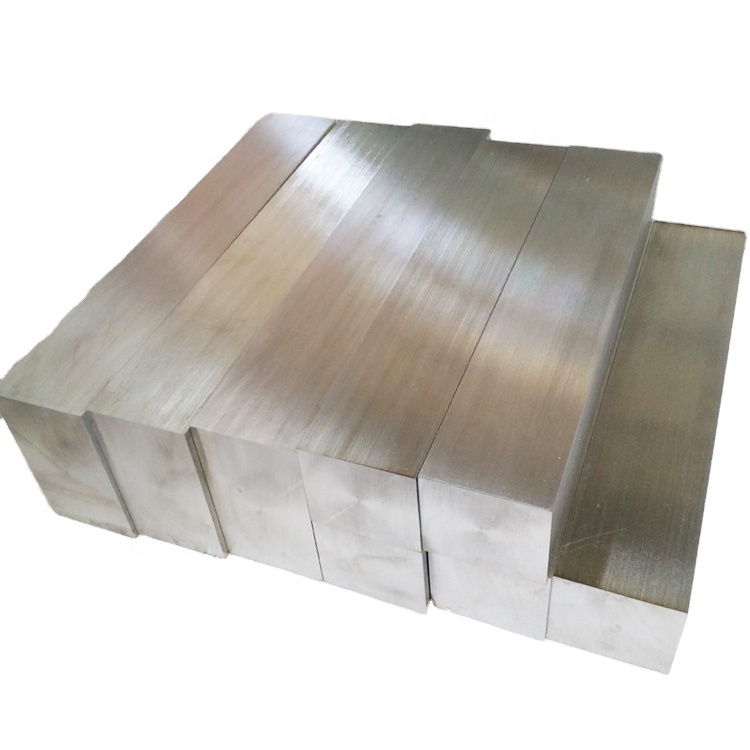
Titanium GR5 ti-6al-4v block ASTM B348 standard price per kg
- Dimensions: Custom Rectangular Blocks
- Integrity: 100% UT Inspected (3-Axis)
- Yield Strength: ≥ 828 MPa
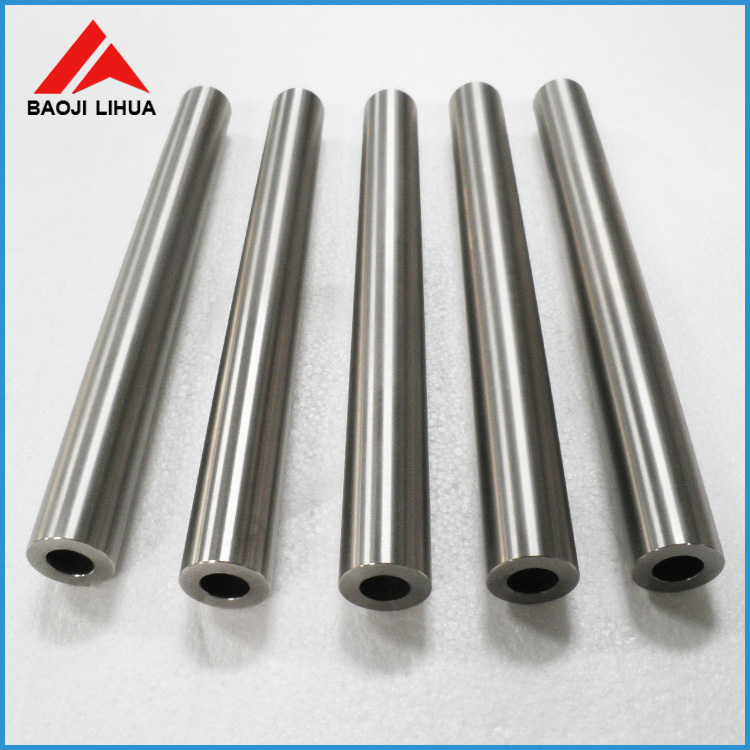
Titanium Exhaust Gr2 Gr7 Titanium Pipes Titanium Tube With High Quality
- Alloy: Grade 7 (Ti-0.15Pd Palladium)
- Wall Uniformity: ±0.05 mm Precision
- Acid Immunity: Reducing Halides / Brine
Standardizing Critical Titanium Piping Systems
An authoritative guide to material grade selection, structural integrity, cold forming versus hot hydroforming, and the eradication of crevice corrosion in reactive metal pipeline infrastructure.
In high-consequence fluid processing—ranging from offshore seawater cooling and high-pressure chemical synthesis to marine desalination and nuclear energy circuits—unplanned piping containment failures present devastating financial and environmental hazards. Specifying titanium pipe fittings is fundamentally a strategic decision to bypass the failure modes inherent to traditional alloys: pitting corrosion, stress corrosion cracking (SCC), microbiological attack, and high-velocity erosion-corrosion.
At Jovzi Titanium Industry Co., Ltd. (operating from Baoji, China's internationally recognized "Titanium Valley" since 2006), our manufacturing processes are designed around the precise metallurgical nature of alpha, near-alpha, and alpha-beta titanium crystal systems. The natural protective passivity of titanium depends upon the instantaneous formation of a tenacious, chemically stable, and continuously self-healing titanium dioxide (TiO2, primarily rutile and anatase) surface film. When exposed to moisture or trace oxygen, this oxide barrier protects piping systems from hot chlorides, wet chlorine gas, chlorites, hypochlorites, nitric acid, and organic acids that rapidly destroy 316L, duplex 2205, and nickel-copper alloys.
However, exceptional material performance requires strict manufacturing control. Fabricating high-integrity butt-weld pipe fittings—such as 90-degree long-radius elbows, equal tees, concentric and eccentric reducers, and lap-joint stub ends according to ASTM B363 and ASME B16.9—demands rigorous process integrity. Thermal variations during bending, cross-contamination by tramp carbon or iron particles, and improper inert gas purging during orbital welding can cause interstitial embrittlement. Below is a comprehensive engineering breakdown of common titanium piping grades, mechanical thresholds, and specialized industrial deployment environments.
| Titanium Grade | UNS Designation | Nominal Composition | Min. Tensile (MPa) | Min. Yield (MPa) | Critical Engineering Advantages | Typical Industrial Target Application |
|---|---|---|---|---|---|---|
| Grade 1 (CP4) | R50250 | Unalloyed Titanium (Low O2) | 240 | 170 | Maximum ductility, exceptional cold formability, lowest hardness | Plate heat exchangers, complex deep-drawn fittings, rolled sheets |
| Grade 2 (CP3) | R50400 | Unalloyed Titanium (Standard) | 345 | 275 | Optimum balance of strength, formability, weldability, corrosion barrier | Seawater cooling piping, ASTM B363 elbows, ASME B16.5 stub ends |
| Grade 5 | R56400 | Ti-6Al-4V (Alpha-Beta) | 895 | 828 | Ultra-high strength-to-density ratio, heat treatable, high fatigue limit | High-pressure hydraulic lines, offshore riser bolts, racing hardware |
| Grade 7 | R52400 | Ti-0.15Pd (Palladium Added) | 345 | 275 | Superior resistance to crevice corrosion in acidic halides at > 120°C | Chlor-alkali chemical processing, aggressive pickling lines, flue gas |
| Grade 9 | R56320 | Ti-3Al-2.5V (Near Alpha) | 620 | 483 | 20-50% stronger than Gr 2, excellent cold-bending and hydraulic burst strength | Aerospace hydraulic tubing, motorsport exhaust systems, subsea umbilicals |
| Grade 12 | R53400 | Ti-0.3Mo-0.8Ni | 483 | 345 | Enhanced crevice corrosion immunity and design strength at elevated temp | High-temperature brine distillation, marine heat exchanger manifolds |
Cold Mandrel & Hydroforming
We employ precision hydraulic cold extrusion and hot mandrel-forming for ASTM B363 butt-weld fittings. This controlled process eliminates micro-wrinkling at the intrados and prevents wall-thinning across the extrados, ensuring dimensional uniformity and full schedule pressure containment.
Inert Argon Purge Welding
Titanium is exceptionally reactive above 400°C, readily absorbing atmospheric oxygen, nitrogen, and hydrogen. Our automated orbital TIG and plasma-arc welding systems maintain trailing shields and primary internal root purges with 99.999% ultra-pure argon, guaranteeing silver-to-light-straw welds with zero embrittlement.
BaoTi Certified Traceability
Raw ingots are sourced from verified vacuum-arc double or triple melted (VAR) sponge stocks. Every production run is matched with heat-number-stamped EN 10204 3.1 Mill Test Certificates detailing real chemical spectrometry, room/elevated tensile tests, flattening tests, and third-party validation by the BaoTi Test Center.
Procurement Trends Shaping Titanium Piping (2025–2030)
How engineering EPCs, refinery operators, and defense procurement directors are modernizing supply chains, total lifecycle costing (LCC), and specification standards.
The global industrial landscape is experiencing a structural pivot in piping metallurgy. Driven by deep-sea exploration, green hydrogen electrolysis (PEM electrolyzers utilizing acidic chloride media), carbon capture, utilization, and storage (CCUS), and extended nuclear reactor lifecycles, conventional austenitic and super-duplex stainless steels are frequently reaching their operational limits. Plant managers increasingly evaluate piping systems through the lens of Total Cost of Ownership (TCO) rather than initial material acquisition expense.
Grade 7 & Ruthenium Alloys
As PEM electrolyzers operate in low-pH, aggressive halide-bearing environments, the industry is shifting away from unalloyed Grade 2 toward Grade 7 (0.15% Pd) and emerging Ruthenium-stabilized titanium. These alloys provide critical protection against crevice attack beneath flange gaskets and welded seams.
Zero-Corrosion TCO Models
While titanium carries a higher initial raw material cost than super duplex 2507, its operational lifespan often exceeds 40+ years in warm seawater cooling without biocides, anti-fouling coatings, or corrosion inhibitors—saving millions in downtime and premature pipe replacement.
Phased Array Ultrasonic (PAUT)
Traditional radiographic film testing is being widely replaced by Phased Array Ultrasonic Testing (PAUT) and Time of Flight Diffraction (TOFD) in piping fabrication. Jovzi integrates automated non-destructive testing directly into seamless fitting and reducer extrusion lines to eliminate hidden voids.
Traceable Mill Certificates
Procurement teams now demand transparent verification back to the original sponge melt heat number. Modern EPC frameworks require digital dual-certified EN 10204 3.1 / 3.2 documentation, positive material identification (PMI), and standardized dimensional mapping for seamless integration.
Technological Development Vectors in Titanium Fabrication
How precision CNC machining, near-net-shape forging, and vacuum metallurgical processing eliminate interstitial contamination and elevate mechanical reliability.
The manufacturing of titanium components has transitioned from labor-intensive manual operations to high-precision, computer-controlled metallurgy. Three core technological developments distinguish top-tier Chinese manufacturers:
1. Electron Beam Cold Hearth Remelting (EBCHR): Eliminating High-Density Inclusions (HDI, such as tool bits or tungsten fragments) and Low-Density Inclusions (LDI, nitrogen-rich sponge centers) is essential for pressure-boundary integrity. Modern titanium pipe and fitting production starts with vacuum arc double-melted or cold-hearth electron beam refined stock, ensuring baseline cleanliness before forming begins.
2. Precision Near-Net Shape Extrusion: Fabricating seamless titanium concentric and eccentric reducers historically generated substantial scrap during subtractive machining. By deploying closed-die near-net hydroforming and induction-assisted hot sizing, Jovzi delivers uninterrupted metallurgical grain flow along the fitting taper. This manufacturing method raises burst pressure safety margins by over 25% while conserving expensive virgin titanium alloy.
3. Advanced Surface Passivation and Thread Nitriding: When titanium fittings are integrated into threaded or bolted systems (such as DIN 912 socket bolts, ASME B16.5 blind flanges, and V-band clamp flanges), galling is a well-known metallurgical risk. Jovzi addresses this through micro-bead blasting, automated chemical acid pickling (HNO3-HF baths), thermal oxidation, and physical vapor deposition (PVD) / plasma nitriding. These processes prevent thread seizure during field torquing without compromising the parent metal's corrosion resistance.
Frequently Asked Questions for Sourcing Engineers
Direct technical responses addressing material certifications, purge parameters, lead times, and engineering specifications for reactive metal piping products.
Which industrial standards and titanium grades can Jovzi supply for pipe fittings?
How does Jovzi eliminate contamination and embrittlement during the welding of titanium fittings?
What documentation and testing reports are included with international shipments?
When should plant engineers select Grade 7 (Ti-Pd) over standard Grade 2 titanium?
How does Jovzi prevent galling on titanium threaded fasteners, fittings, and stud bolts?
What are the minimum order quantities (MOQ) and production lead times for custom drawings?
Can Jovzi fabricate customized thin-wall tubing and titanium exhaust components for motorsport applications?
Request an Engineering Quotation & Technical Review
Contact our Baoji metallurgical team directly for competitive factory pricing, custom dimensional drawings, EN 10204 3.1 certificates, and global logistics arrangements. Our engineers respond within 8 business hours.
Contact Us