Specialized Titanium Alloy Components & Fasteners
Integrated manufacturing capabilities covering precision CNC machining, forged flanges, seamless exhaust tubing, threaded fittings, and ASTM-compliant mill products delivered to global tier-1 EPC and motorsport fabricators.
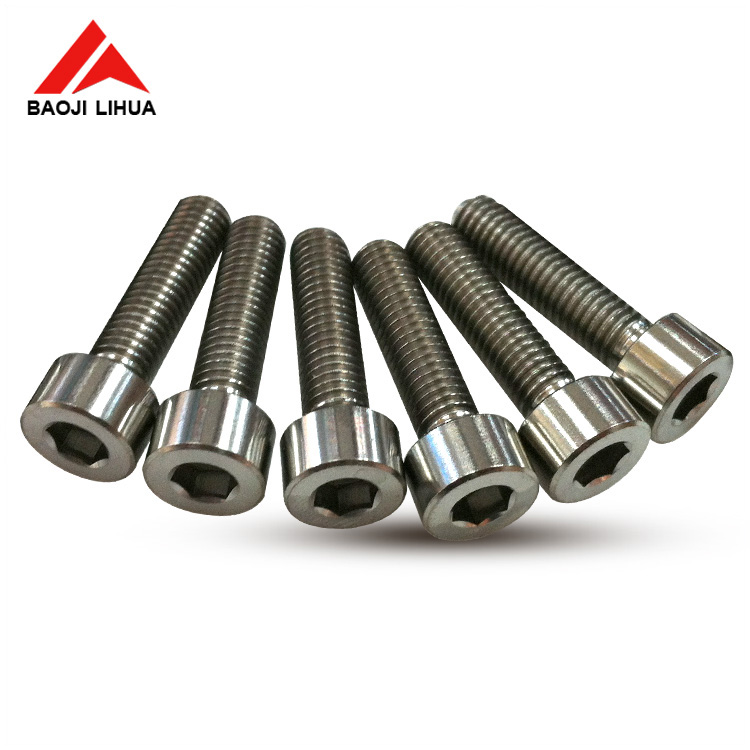
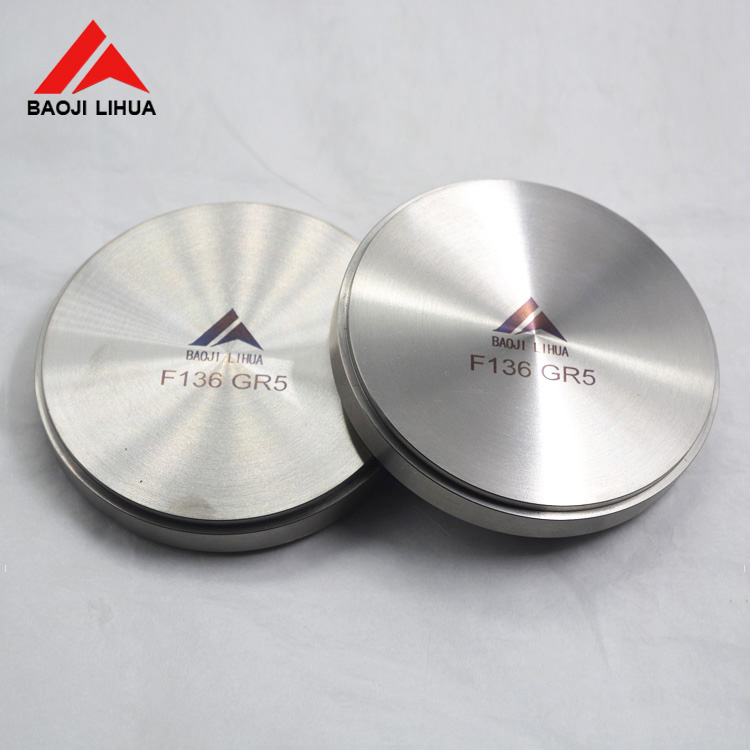
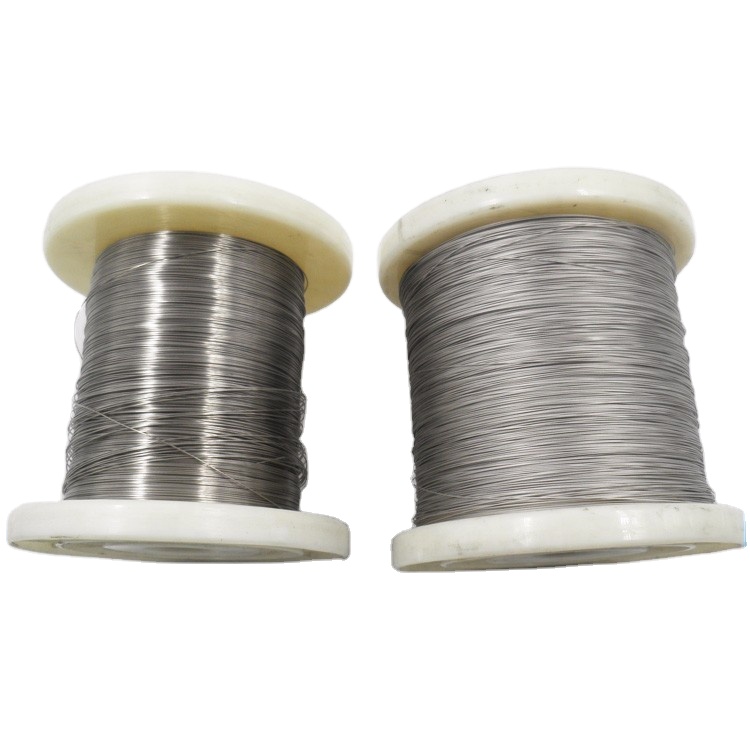
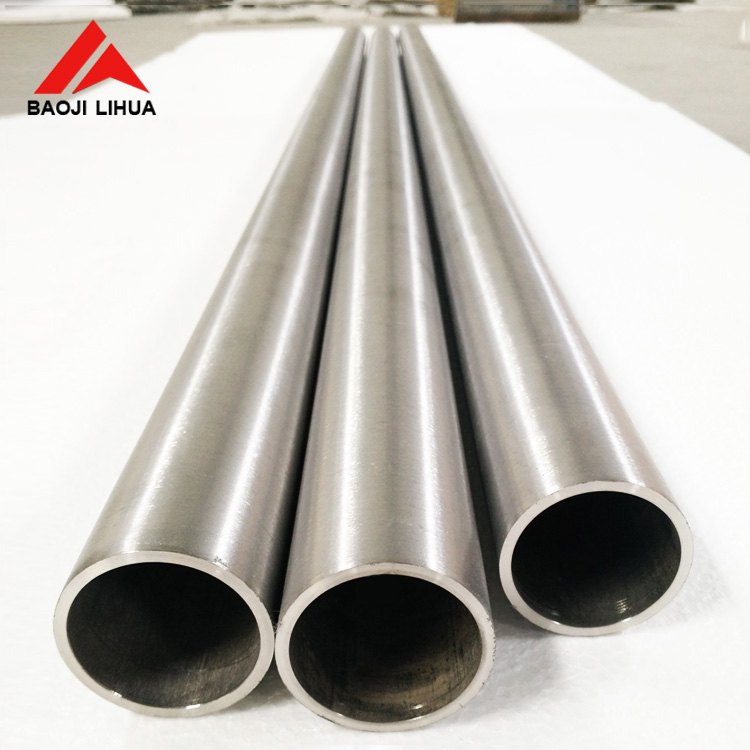
Industrial Engineering Overview: The Role of Titanium Pipe Nipples in Severe Service
In modern industrial process piping, a pipe nipple might appear to be a simple short length of pipe with male pipe threads at one or both ends. However, when deployed in critical chemical processing plants, offshore oil platforms, chlor-alkali installations, LNG facilities, and subsea cooling systems, titanium pipe nipples serve as vital interconnecting links where material failure is strictly unacceptable. As the leading China titanium pipe nipple manufacturer and exporter operating from Baoji—the globally recognized "Titanium Valley"—we manufacture titanium pipe nipples designed to withstand aggressive halide environments, sour gas, nitric acid, and turbulent marine flows that destroy standard 316L stainless steel, duplex, and super ferritic alloys within months.
The manufacturing process of titanium pipe nipples demands strict compliance with international pressure piping and dimensional specifications, primarily ASTM B363 (Standard Specification for Seamless and Welded Unalloyed Titanium and Titanium Alloy Welding Fittings), ASME B16.11 (Forged Fittings, Socket-Welding and Threaded), ASTM B861 (Titanium and Titanium Alloy Seamless Pipe), and ASTM B862 (Titanium and Titanium Alloy Welded Pipe). Producing a high-integrity titanium nipple requires flawless thread geometry, calibrated root radiuses to mitigate stress concentrations, and absolute control of interstitial elements (Oxygen, Carbon, Nitrogen, and Hydrogen) to prevent premature micro-cracking and galvanic galling under extreme torque.
Unlike carbon or austenitic steel fittings, titanium and its alloys possess an instantaneous passivation mechanism. When exposed to ambient oxygen or moisture, titanium forms an adherent, chemically unreactive, and self-healing titanium dioxide (TiO2) film. This barrier shields the underlying metal matrix against localized pitting, intergranular attack, and microbiologically influenced corrosion (MIC) common to seawater applications. In this whitepaper, we dissect the technical nuances, metallurgy, threading configurations, procurement market dynamics, and global supply considerations that design engineers and procurement directors must evaluate when sourcing industrial titanium pipe nipples from China.
Dimensional Anatomy: Titanium Pipe Nipple Configurations & Standards
Precision threading of titanium demands rigorous machine rigidity, specialized tool coatings, and optimized surface cutting velocities. Due to titanium's lower modulus of elasticity (roughly half that of steel) and tendency to gall, threading must be executed with ultra-sharp carbide or PCD tooling under continuous flood lubrication. Our machining plant produces the full dimensional matrix of pipe nipples in schedules ranging from Sch 10s, Sch 40s (Standard), Sch 80s (Extra Heavy), up to Sch 160 and XXS for ultra-high-pressure hydraulic systems.
| Nipple Classification | End Configurations | Applicable Standards | Standard Sizes (NPS) | Primary Industrial Use-Cases |
|---|---|---|---|---|
| Barrel / Standard Nipple | TBE (Threaded Both Ends) | ASTM B363, ASME B16.11, DIN 2982 | 1/8" to 4" (DN6 - DN100) | Inter-piping connections, modular skid packages, valve manifolds |
| Close Nipple | Fully threaded across entire length | ASME B1.20.1 (NPT), ISO 7-1 (BSPT) | 1/4" to 2" (DN8 - DN50) | Ultra-compact valve blocks, space-constrained offshore assemblies |
| Hexagonal Nipple | Machined hex center, male threads | ASME B16.11, MSS SP-83 | 1/8" to 3" (DN6 - DN80) | High-torque installations, pneumatic instrumentation, calibration ports |
| Swaged / Concentric Nipple | Threaded / Beveled / Plain Ends | MSS SP-95, ASTM B363 | 1/2" x 1/4" to 6" x 4" | Piping line size reduction, laminar flow optimization in chemical skids |
| Toe Nipple (One End) | TOE (Threaded One End, Plain/Beveled Other) | ASTM B363, ASME B31.3 | 1/4" to 4" (DN8 - DN100) | Transition connections between threaded valves and welded pipe spools |
Our machining workshop ensures that every NPT, NPTF, BSPT, BSPP, or metric thread conforms tightly to pitch diameter and truncation limits verified using calibrated thread gauges and optical comparator profiling. For pressure-retaining pipe assemblies, surface roughness on non-threaded sections is held below Ra 0.8 μm, while thread flanks undergo proprietary passivation and anti-galling surface conditioning to maintain seal integrity across hundreds of assembly cycles.
Metallurgical Matrix: Selecting the Ideal Titanium Grade for Pipe Fittings
Selecting the incorrect titanium alloy for process piping fittings can lead to excessive project expenditure or catastrophic premature failure. Titanium is categorized into commercially pure (CP) unalloyed grades and engineered alpha, near-alpha, alpha-beta, and beta alloys. Below is a comprehensive engineering comparison for pipe nipple applications:
| Titanium Grade | UNS Designator | Composition (% Max/Nominal) | Tensile Strength (Min) | Yield Strength (Min) | Corrosion & Operating Characteristics |
|---|---|---|---|---|---|
| Grade 1 (CP Ti) | UNS R50250 | Fe 0.20, O 0.18, Bal. Ti | 240 MPa (35 ksi) | 170 MPa (25 ksi) | Maximum ductility and cold formability. Ideal for low-pressure lining, bellows, and cryogenic instrumentation. |
| Grade 2 (CP Ti) | UNS R50400 | Fe 0.30, O 0.25, Bal. Ti | 345 MPa (50 ksi) | 275 MPa (40 ksi) | The premier industrial standard for pipe nipples. Optimum balance of yield strength, impact toughness, weldability, and resistance to chlorides. |
| Grade 7 (Ti-Pd) | UNS R52400 | 0.12–0.25% Palladium, Bal. Ti | 345 MPa (50 ksi) | 275 MPa (40 ksi) | Identical physical properties to Gr2, but the trace Palladium addition shifts corrosion potential, providing unmatched resistance to hot reducing acids and crevice corrosion. |
| Grade 12 (Ti-Mo-Ni) | UNS R53400 | 0.3% Mo, 0.8% Ni, Bal. Ti | 483 MPa (70 ksi) | 345 MPa (50 ksi) | Elevated temperature strength up to 300°C. Enhanced resistance to crevice corrosion in hot brine and acidic environments without the high cost of palladium. |
| Grade 5 (Ti-6Al-4V) | UNS R56400 | 6% Al, 4% V, Bal. Ti | 895 MPa (130 ksi) | 828 MPa (120 ksi) | High strength alpha-beta alloy utilized for extreme pressure hydraulic nipples, aerospace fittings, and motorsport manifold transitions. |
For seawater intake lines and cooling loops running below 80°C, ASTM B363 Grade 2 is universally standard and cost-effective. However, when process piping handles wet chlorine gas, chlorate solutions, or hydrochloric/sulfuric acid mixtures where crevice corrosion within female thread roots poses a threat, Grade 7 (Ti-0.15Pd) or Grade 12 (Ti-0.3Mo-0.8Ni) must be specified to preserve plant lifespan beyond 30+ operating years.
Strategic Forecasting: Global Sourcing & Procurement Trends (2025–2030)
Procurement directors and supply chain managers in the European Union, North America, Southeast Asia, and the Middle East are shifting strategies when contracting titanium mill and machined parts. Based on global demand indicators, the market for titanium pipe fittings and pipe nipples is being reshaped by four definitive trends:
1. Rise of Green Hydrogen & Carbon Capture (CCUS)
Proton Exchange Membrane (PEM) electrolyzers and carbon capture flue gas scrubbers operate in aggressively corrosive conditions containing wet acidic gases. As capital expenditure flows into decarbonization infrastructure, demand for Gr2 and Gr7 titanium threaded nipples has surged by over 34% year-over-year.
2. Direct Supply Chain Localization via China's Titanium Valley
Global EPCs are bypassing intermediaries to contract directly with certified Baoji manufacturing plants. Direct collaboration reduces procurement lead times from 18 weeks to under 4 weeks, cuts pricing by 25–40%, and allows real-time mill-level traceability from raw sponge to finished threaded spool.
3. Stricter Quality Assurance & ESG Traceability
With stringent EU and US regulatory oversight, MTC 3.1 certification is no longer optional. International buyers demand comprehensive chemistry reporting via Optical Emission Spectroscopy (OES), ultrasonic defect screening, and strict verification of non-Russian sponge origins.
Enterprise Engineering Advantages: Why Jovzi Titanium Stands Apart
Operating in Baoji, Shaanxi since 2006, Jovzi Titanium Industry Co., Ltd. blends local metallurgy with ISO 9001 certified precision machining. We deliver comprehensive value across raw stock sourcing, CNC multi-axis threading, surface passivation, and third-party verified laboratory testing.
Baoji Ecosystem Advantage
Direct proximity to the BaoTi testing authority and top sponge mills ensures unmatched pricing and prioritized access to premium Grade 1, 2, 5, 7, 9, and 12 ingots.
Dedicated Engineering Staff
Our facility houses 4 senior and 5 intermediate metallurgical and tooling engineers with over 15 years of dedicated CNC precision machining and thread forming experience.
Certified 3.1 Traceability
Every shipment is delivered with EN 10204 3.1 Mill Test Certificates disclosing heat numbers, tensile properties, yield data, and third-party lab chemical verification.
Custom OEM & Rapid Turnaround
From one-off prototype swage nipples per client STEP/DWG drawings to container-load scheduled releases, we support flexible MOQs starting from 1 piece for standard sizes.
Titanium Pipe Nipple Procurement FAQ: Technical Guidance for Project Engineers
Here are direct technical answers to critical engineering, manufacturing, and commercial questions frequently raised by global engineering procurement teams.
Ready to Source High-Integrity Titanium Pipe Nipples?
Speak directly with our senior metallurgical engineering team in Baoji, China. Receive comprehensive pricing, MTC documentation, CAD verification, and production schedules within 8 business hours.
Contact Us