Medical / Gr5 ELI
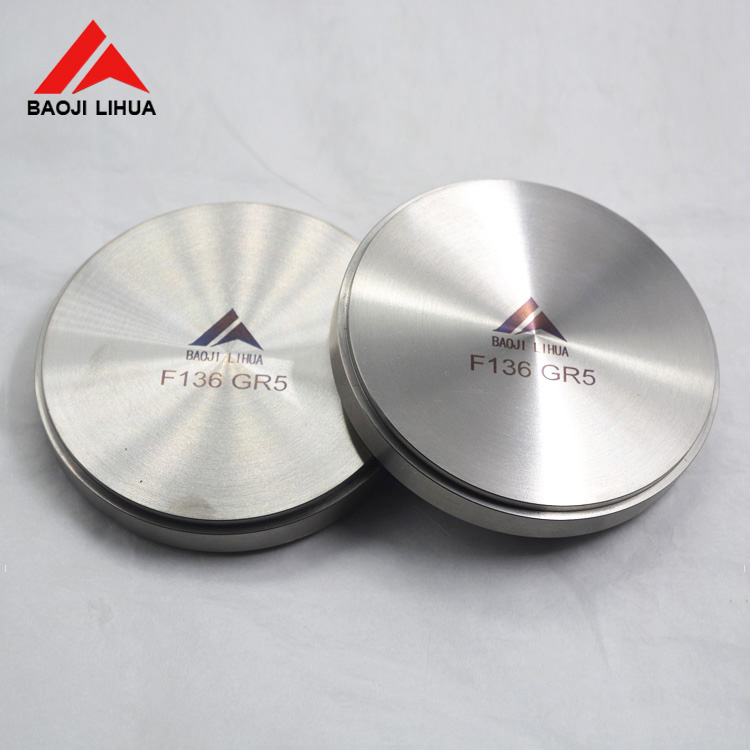
From forged billets and pressure vessel components to precision CNC turned components, inspect our high-integrity metallurgical line engineered to ASTM, ASME, DIN, and ISO specifications.
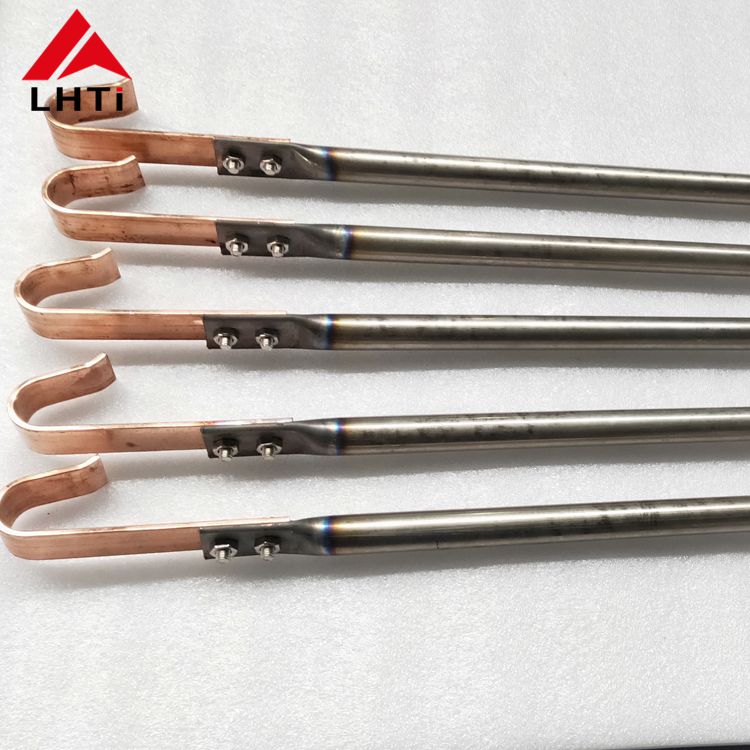
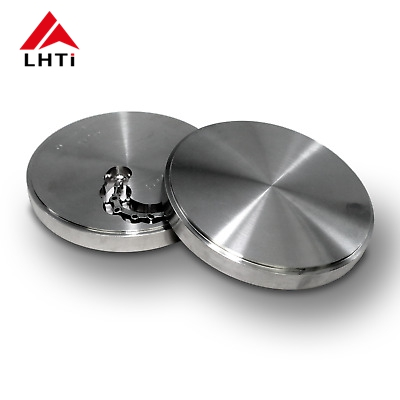
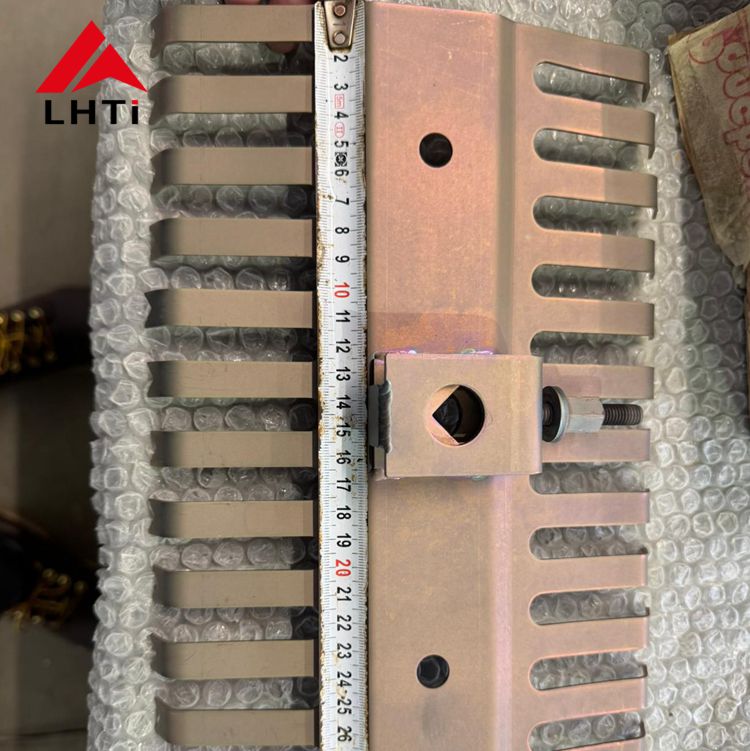
Within high-consequence fluid handling—ranging from offshore seawater desalination piping to aggressive chlor-alkali chemical processing—the Titanium Slip On Flange (SO Flange) serves as a pivotal mechanical interface. Slip-on flanges slide directly over the outer diameter of the pipe spool and are secured via two fillet welds (one external and one internal). This design minimizes alignment error, lowers field fabrication labor costs, and provides an economically balanced alternative to full butt-welded Weld Neck (WN) flanges.
Founded in 2006 in Baoji, Shaanxi—globally recognized as "China's Titanium Valley"—Jovzi Titanium Industry Co., Ltd. capitalizes on an integrated regional supply chain. We maintain strict control over vacuum arc remelting (VAR), precision free-forging, die-forging, and 5-axis CNC machining workflows. Supported by our metallurgical engineering team (comprising 4 senior metallurgists and 5 intermediate mechanical engineers), every Jovzi titanium slip-on flange is precision-forged in strict conformance with ASME B16.5, ASTM B381, DIN EN 1092-1, and JIS B2220 standards.
Verified Traceability: Every batch is backed by EN 10204 3.1 Mill Test Certificates (MTC) stating exact chemical composition, Charpy impact toughness, and tensile performance verified through the authoritative national BaoTi Test Center.
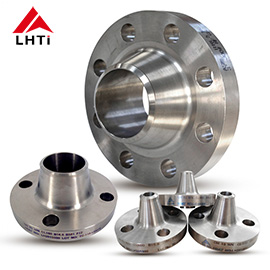
Selecting the correct titanium grade requires balancing mechanical tensile loads against chemical exposure factors, such as reducing acids, chloride crevice risks, and operating temperatures.
| Titanium Grade | UNS / Standard | Nominal Chemistry | Min. Tensile (MPa) | Yield Strength (0.2%) | Optimal Industrial Service Environments |
|---|---|---|---|---|---|
| Grade 1 (CP-4) | UNS R50250 / ASTM B381 F1 | Unalloyed CP-Ti (Low O) | 240 MPa | 170 MPa | Deep-drawn vessel linings, low-pressure chlorination, plate heat exchangers demanding extreme cold ductility. |
| Grade 2 (CP-3) | UNS R50400 / ASTM B381 F2 | Commercially Pure Ti | 345 MPa | 275 MPa | The workhorse for ASME B16.5 marine seawater cooling, FGD scrubbers, and industrial brine transport lines. |
| Grade 5 (Ti-6Al-4V) | UNS R56400 / ASTM B381 F5 | Ti-6% Al - 4% V | 895 MPa | 828 MPa | High-pressure subsea manifolds, lightweight offshore riser fittings, aerospace structural fluid couplings. |
| Grade 7 (Ti-Pd) | UNS R52400 / ASTM B381 F7 | Ti-0.15% Palladium | 345 MPa | 275 MPa | Severe reducing acids (HCl, H2SO4) and hot chloride crevice protection where CP Gr2 experiences localized breakdown. |
| Grade 12 (Ti-Mo-Ni) | UNS R53400 / ASTM B381 F12 | Ti-0.3% Mo - 0.8% Ni | 483 MPa | 345 MPa | High-temperature chemical processing, intermediate strength, elevated crevice resistance up to 300°C at moderate cost. |
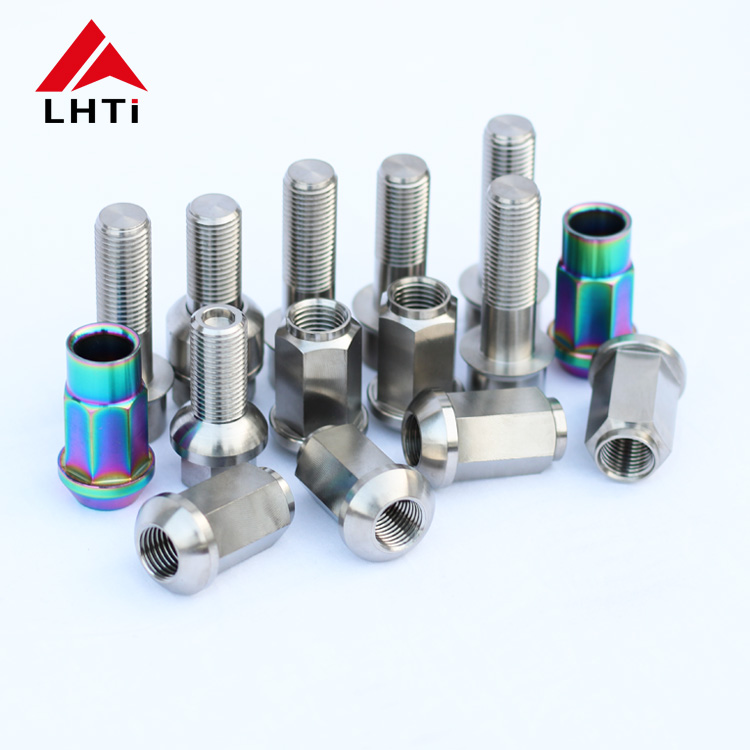
Industrial piping designers often debate between Slip-On Flanges and Weld Neck Flanges. While weld neck flanges feature a tapered hub designed for butt-welding (providing superior stress redistribution under high bending moments and cyclic vibrations), Slip-On flanges offer substantial procurement advantages in moderate-pressure fluid handling:
1. Dimensional Alignment Simplicity: Slip-On flanges allow field engineers to slide the flange over the pipe end, rotate it freely to match existing bolt-hole circles (PCD), and establish proper alignment before final welding.
2. Lower Raw Material Volume: Because slip-on flanges omit the lengthy forged conical hub of a weld neck flange, titanium raw material consumption is reduced by 25% to 40%. Given the premium cost of titanium alloys, this represents a major capital expenditure reduction on large-diameter lines (DN150 to DN600).
3. Dual Fillet Weld Distribution: When properly assembled per ASME Section IX with an internal seal weld and an external structural fillet weld, titanium slip-on flanges offer robust fatigue resistance against working pressures up to Class 300 and Class 600 systems.
How global EPC contractors, chemical infrastructure groups, and procurement directors are restructuring supply chains to guarantee raw material purity, minimize scrap ratios, and mitigate geopolitical disruptions.
Traditional flange machining from heavy solid plate resulted in scrap rates exceeding 65%, driving up unit costs. Modern procurement specifications now mandate seamless radial-axial ring rolling for slip-on flanges above 4 inches (DN100). This process creates a continuous tangential grain flow that boosts circumferential burst yield strength by 18% while lowering virgin sponge requirements.
With titanium raw sponge prices experiencing cyclical shifts driven by aerospace demand and aerospace scrap recovery, multinational engineering firms are migrating toward framework annual volume contracts. Direct partnerships with vertically integrated Baoji converters allow project buyers to lock in fixed billet conversion pricing, shielding piping projects from volatile raw material surcharges.
Procurement teams are shifting away from baseline visual inspections to mandatory third-party ultrasonic immersion testing (UT per ASTM A388 / AMS 2631 Class A) and liquid penetrant testing (PT per ASTM E165). This ensures internal ring forgings are free of center bursts, alpha-case brittle layers, or shrinkage cavities before costly overseas shipment.
European and American green hydrogen projects now require verified carbon-intensity reporting across the titanium melt process. Chinese forging houses utilizing clean-power vacuum consumable arc melting (VAR) and closed-loop scrap recycling can deliver lower Scope 3 greenhouse gas footprints, helping EPC firms meet stringent corporate sustainability criteria.
Counterfeit tracking and grade mix-ups represent major hazards in multi-alloy projects. Future-ready procurement frameworks require direct laser or low-stress dot-matrix stamping on flange outer rims, coupled with cryptographically verifiable QR codes linking back to certified optical emission spectrometer (OES) chemical analysis logs.
From micro-alloy additions to orbital automatic welding compatibility, explore how modern metallurgy is refining the durability and service life of titanium industrial piping connections.
While Grade 7 (Ti-0.15Pd) offers exceptional resistance to crevice corrosion under low pH and elevated chloride conditions, the high cost of pure palladium can present budgetary hurdles. Emerging metallurgical standards are validating Grade 16 (low-Pd) and Grade 26 / Grade 27 (Ruthenium-modified titanium). These alloys deliver identical crevice passivity in boiling salt brines at roughly 40% lower precious-metal cost surcharges, making them practical for wide-scale slip-on flange deployment.
Traditional manual lathes often left minor chatter marks on flange sealing faces, which compromised sealing integrity with graphite or PTFE gaskets. Modern Chinese manufacturing utilizes high-torque, live-tooled 5-axis CNC machining centers. This delivers accurate phonographic spiral serration pitch and exact bolt-hole perpendicularity within ±0.05 mm, eliminating joint torque relaxation under thermal cycling.
Because titanium oxidizes rapidly above 400°C, double-fillet welding of slip-on flanges requires complete inert gas trailing shields. Factories now provide flanges with optimized weld preps, chemical pickling, and clean bright surfaces (free of iron contamination), ensuring field welders achieve silver-white or straw-gold weld beads that comply with AWS D10.6 / ASME IX without porosity.
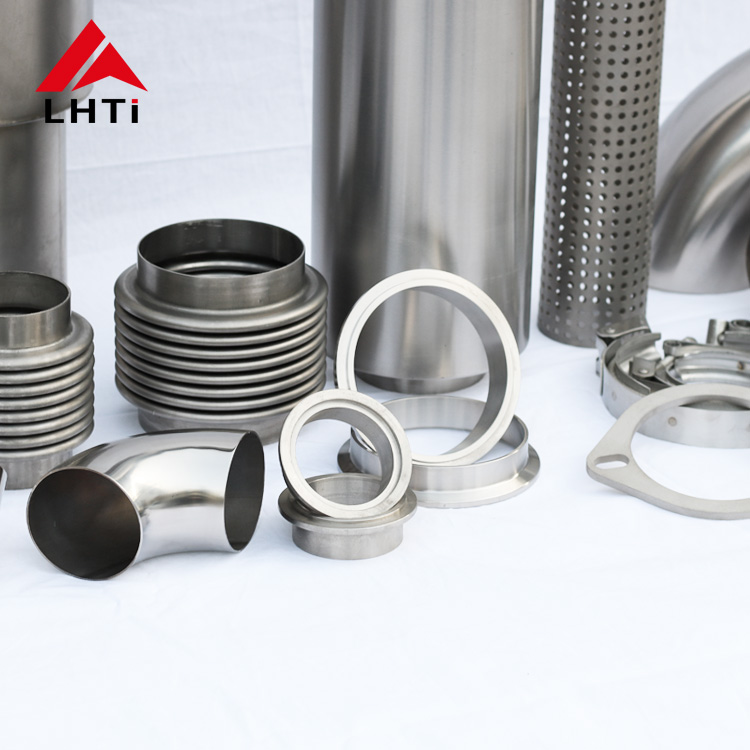
Detailed technical answers addressing mechanical, metallurgical, and international commercial requirements for project managers and procurement officers.
From raw material ingot melting in Shaanxi to precision machining and international logistics, Jovzi provides dependable, verified manufacturing solutions.
Our quality management framework governs every production stage: raw material traceability, forging temperature oversight, CNC tool calibration, final surface roughness checks, and hydrostatic pressure testing.
Our technical team—featuring 4 senior metallurgists and 5 intermediate engineers—reviews engineering prints, analyzes chemical corrosion conditions, and advises on optimal alloy selections to minimize lifetime project costs.
In addition to our in-house spectrometry and dimensional checks, all critical material lots can be submitted to the independent BaoTi Test Center for chemical verification, grain size analysis, and third-party mechanical tensile validation.
We export to clients in Germany, the United States, Japan, Canada, Belgium, and Southeast Asia. We support flexible payment methods (T/T, L/C, PayPal) and versatile Incoterms (FOB, CFR, CIF, DDP door-to-door).
Submit your piping schedules, drawing prints, required titanium grades, pressure classes (Class 150–1500), and quantity breakdowns. Our technical sales team will provide an itemized quote and MTC review within 8 working hours.