Precision Titanium Engineered Solutions
Explore our core selection of forged industrial flanges, CNC valve internals, electrochemical hardware, and specialty bar stock manufactured in accordance with strict international ASTM and ASME codes.
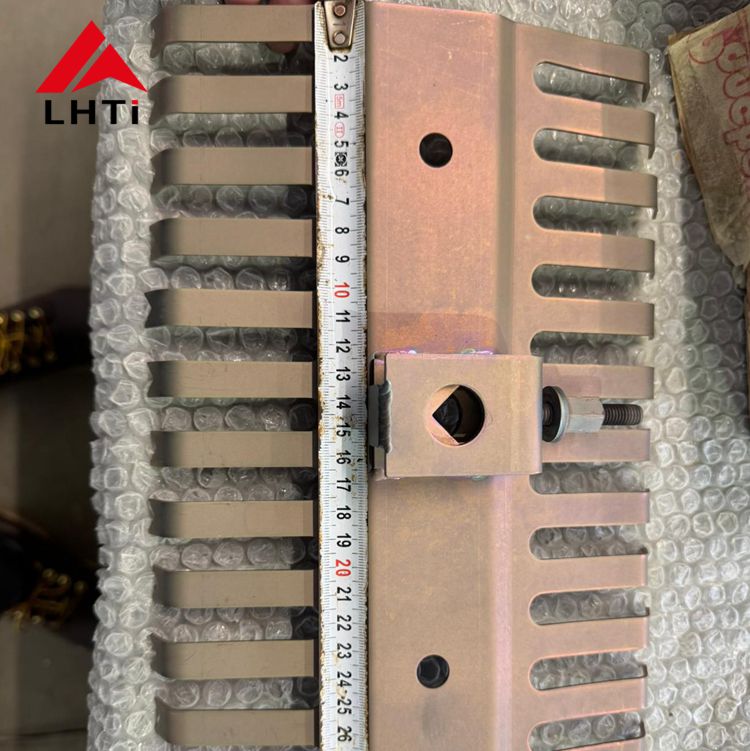
Gr2 Customized Titanium Box Rack for Painting Anodizing
Precision-welded Grade 2 titanium jig framework offering high corrosion barrier and durability during aggressive anodizing and electro-coating operations.
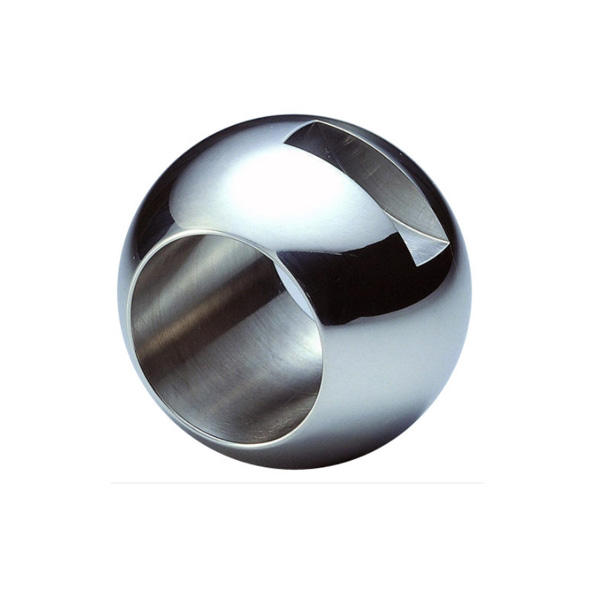
American Standard High Pressure Titanium Ball Core
Precision CNC machined Gr2/Gr5 titanium valve core designed for extreme pressure control, cryogenic setups, and highly aggressive acid services.
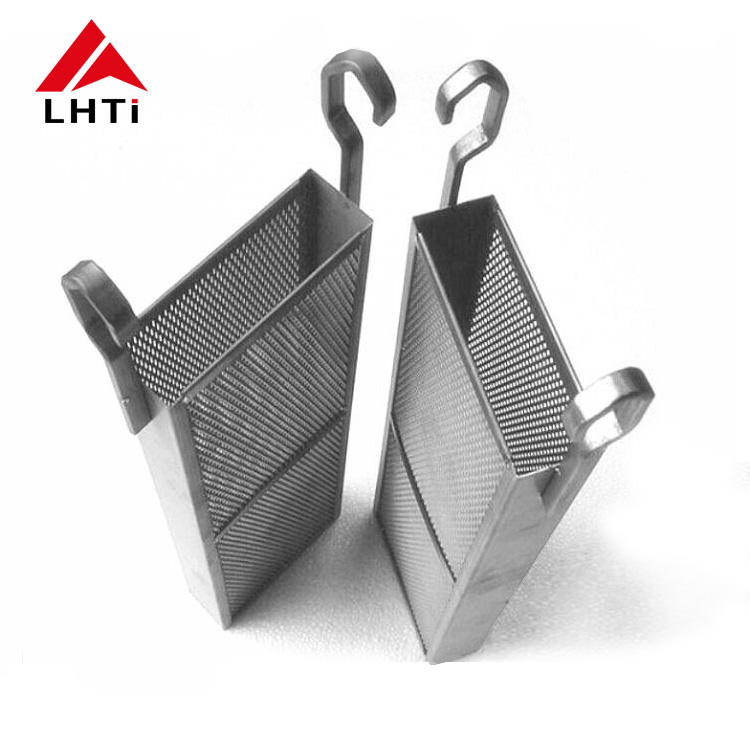
Gr2 Titanium Anode Basket 5x10 / 6x12mm Mesh
Industrial electrochemical Grade 2 titanium expanded mesh basket structured for uniform current density and continuous chemical resistance in electroplating baths.
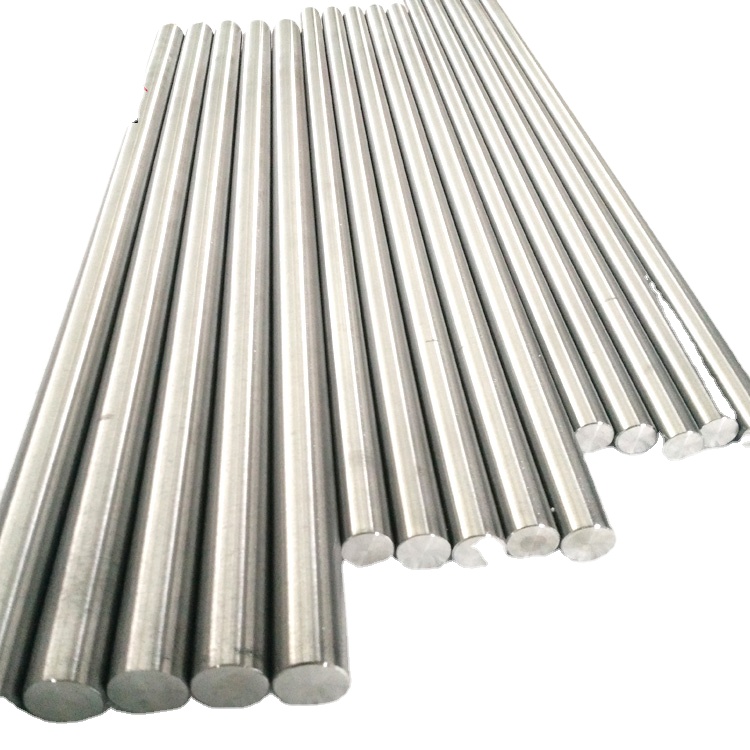
ASTM B348 Gr5 Titanium Forged Bar Dia 100mm
High-tensile Grade 5 (Ti-6Al-4V) billet stock engineered for socket weld flange production, structural offshore components, and critical rotating elements.
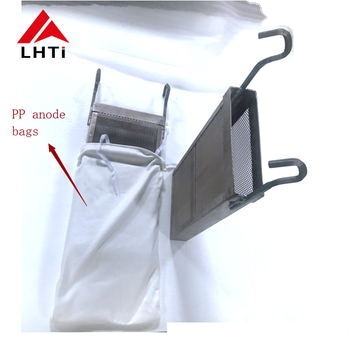
Gr2 Anodizing Titanium Basket with PP Bags
Reinforced titanium basket equipped with durable polypropylene anode filtration bags to mitigate particulate contamination in surface finishing lines.
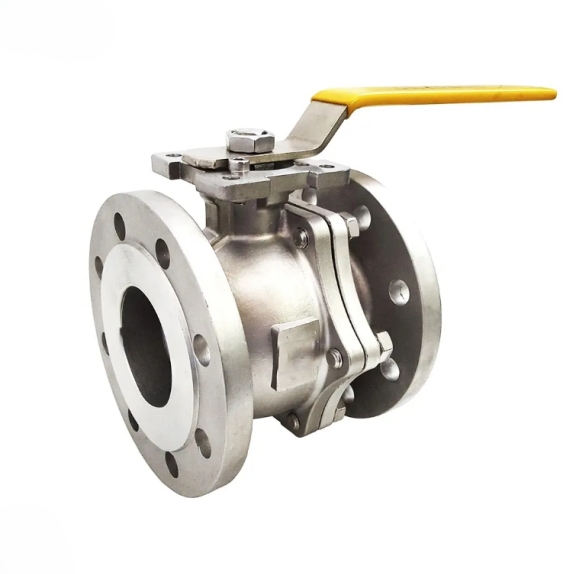
Titanium Flanged Ball Valve Class 150 / 300 LB
Heavy-duty flanged flow control valve designed with titanium body and trim for leak-proof marine, desalinated seawater, and aggressive acid processes.
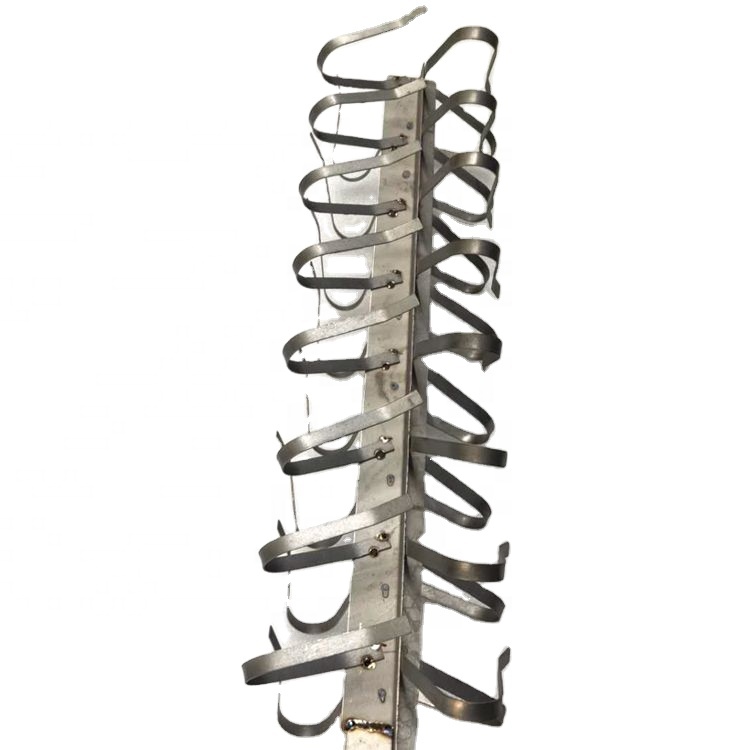
Grade 2 Titanium Jigs Rack Hook Tube Components
Custom-machined Gr2 hanging fixtures, contact pins, and hollow tube elements delivering high conductivity and chemical inertia in acid treatments.
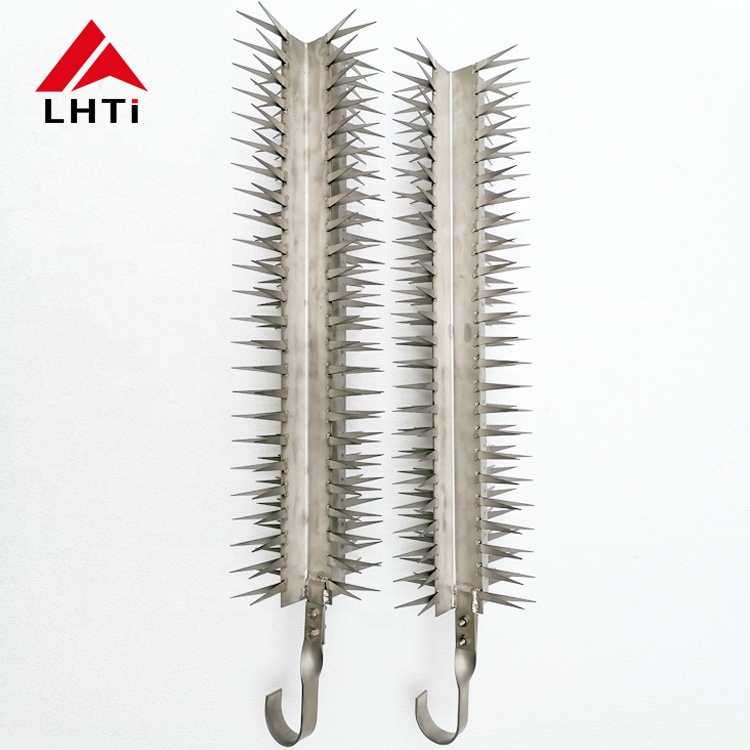
Customized Gr1 / Gr2 Titanium Anodizing Jigs
Tailored high-elasticity titanium jig fixtures engineered for efficient parts clamping and reliable current flow during high-volume anodizing cycles.
Industrial Leadership & Manufacturing Authority
Operating out of Baoji, China—globally recognized as "China's Titanium Valley"—Jovzi Titanium delivers traceable raw materials and high-integrity machined forgings for the most demanding mission-critical systems.
Stringent Metallurgy Standards
Every socket weld flange and raw bar is manufactured under certified ISO 9001 protocols, backed by standard EN 10204 3.1 Mill Test Certificates. Additional verification is conducted at the accredited BaoTi Test Center on request.
Advanced Multi-Axis CNC Turning
Forged rings and flanges are machined on modern multi-axis turning centers to achieve precision socket depth, bore alignment, and Ra 3.2 to Ra 6.3 flange face serration per ASME B16.5 standards.
Bespoke Engineering & OEM Support
With an in-house engineering group led by 4 senior and 5 intermediate metallurgists, we provide OEM customization, custom socket step profiling, special RTJ sealing, and private buyer labeling.
Technical Whitepaper: Engineering Architecture of Titanium Socket Weld Flanges
Titanium socket weld (SW) flanges are critical piping junctions designed specifically for high-pressure, small-nominal-diameter piping networks (typically DN15 to DN50, 1/2" to 2"). Unlike slip-on or lap-joint flanges, a socket weld flange incorporates a specialized internal shoulder or counterbore. The pipe end is inserted directly into the socket bore until it rests against the bottom step, then withdrawn approximately 1.6 mm (1/16") prior to welding. This gap design accommodates thermal expansion differential and minimizes mechanical stress cracking during severe thermal cycles.
Manufactured under ASTM B381 (forged material) and dimensioned per ASME B16.5, these components take full advantage of titanium's exceptional strength-to-weight ratio and passive titanium dioxide (TiO2) surface film. The self-healing oxide layer imparts virtually total immunity to wet chlorine gas, chlorite, nitric acid, and turbulent marine brine—operating environments where conventional austenitic 316L stainless steel, duplex, and super-austenitic nickel alloys experience rapid localized pitting and stress-corrosion cracking (SCC).
| Material Grade | UNS / Designation | Tensile Strength (Min) | Yield Strength (Min) | Core Application Environment |
|---|---|---|---|---|
| Grade 1 (CP4) | UNS R50250 | 240 MPa | 170 MPa | Low-pressure cryogenic chemical tanks, extreme ductility requirements |
| Grade 2 (CP3) | UNS R50400 | 345 MPa | 275 MPa | General chemical processing, offshore seawater cooling, chlor-alkali headers |
| Grade 5 (Ti-6Al-4V) | UNS R56400 | 895 MPa | 828 MPa | Subsea high-pressure wellhead tie-ins, aerospace lines, extreme tensile loads |
| Grade 7 (Ti-0.15Pd) | UNS R52400 | 345 MPa | 275 MPa | Reducing acids, hydrochloric and sulfuric acid processes with crevice exposure |
| Grade 12 (Ti-Mo-Ni) | UNS R53400 | 483 MPa | 345 MPa | High-temperature brine handling, sour gas piping, geothermal production |
Procurement Trends in the Global Titanium Piping Industry
The procurement landscape for titanium socket weld flanges is shifting from intermittent MRO spot-buys toward standardized, lifecycle-cost-optimized infrastructure contracts. Global EPCs and process facility operators are recognizing the decisive Total Cost of Ownership (TCO) advantages offered by titanium. While initial capital expenditure is higher than nickel alloys, titanium piping infrastructure routinely eliminates scheduled downtime and leak mitigation over 25+ year life cycles in aggressive services like seawater reverse osmosis (SWRO) desalination and chlor-alkali electrolysis.
A second notable procurement shift is the enforcement of end-to-end supply chain transparency. Procurement teams are moving away from intermediaries and forming direct partnerships with vertically integrated manufacturing centers in Baoji. Direct access to mill ingot forging records, positive material identification (PMI), and digital ultrasonic testing (UT) reports has become non-negotiable for project managers seeking to minimize installation-stage risks.
Technological & Metallurgy Trends: What Lies Ahead
Future piping designs demand even higher material efficiency and structural integrity. Key technological advancements influencing titanium flange manufacturing include:
1. Near-Net-Shape Die Forging: Advanced closed-die forging reduces raw ingot machining loss by up to 30%, which preserves titanium grain flow around the socket counterbore and significantly increases cyclic fatigue resistance.
2. Palladium-Alternative Micro-Alloyed Grades: Due to volatile global platinum-group metal pricing, titanium alloy developments (such as ruthenium-stabilized Grade 26 or Grade 28) provide corrosion performance comparable to Grade 7 in acidic reducing media at a more stable cost structure.
3. Advanced Orbital TIG & Purge Technologies: With automated orbital welding becoming the global standard for socket weld assembly, flange manufacturers are refining bore tolerances and welding bevel surface finishes to ensure spatter-free, zero-oxygen weld joints.
Frequently Asked Questions for Sourcing Managers
Get instant answers regarding metallurgy standards, quality assurance processes, and logistical arrangements for titanium piping components.
Socket weld flanges require a single external fillet weld, making installation faster and less complex in tight spaces than butt-weld necks. They provide superior structural integrity and leak resistance over threaded fittings in compact high-pressure lines.
We forge and machine components per ASTM B381 (Standard Specification for Titanium and Titanium Alloy Forgings) with dimensions, pressure ratings, and tolerances fully compliant with ASME B16.5 and MSS SP-97.
A 1.6 mm (1/16-inch) expansion gap must be preserved between the pipe end and the socket base before laying the fillet weld. This clearance avoids thermal lockup and cracking as the weld bead cools.
Each shipment includes an EN 10204 3.1 Inspection Certificate documenting heat chemistry, mechanical tensile, yield, elongation, and ultrasonic NDT test results. Third-party testing via BaoTi Test Center is available on request.
Yes. In addition to standard ASME Class 150, 300, 600, and 1500 designs, our CNC machining department manufactures non-standard socket depths, custom ring-type joints (RTJ), and DIN/EN equivalent flanges directly from client CAD files.
For standard Grade 2 forged socket flanges, our MOQ starts at just 1 piece from bar stock. Custom runs or higher alloy grades (Gr5, Gr7, Gr12) generally require 7 to 15 business days depending on forgings availability.