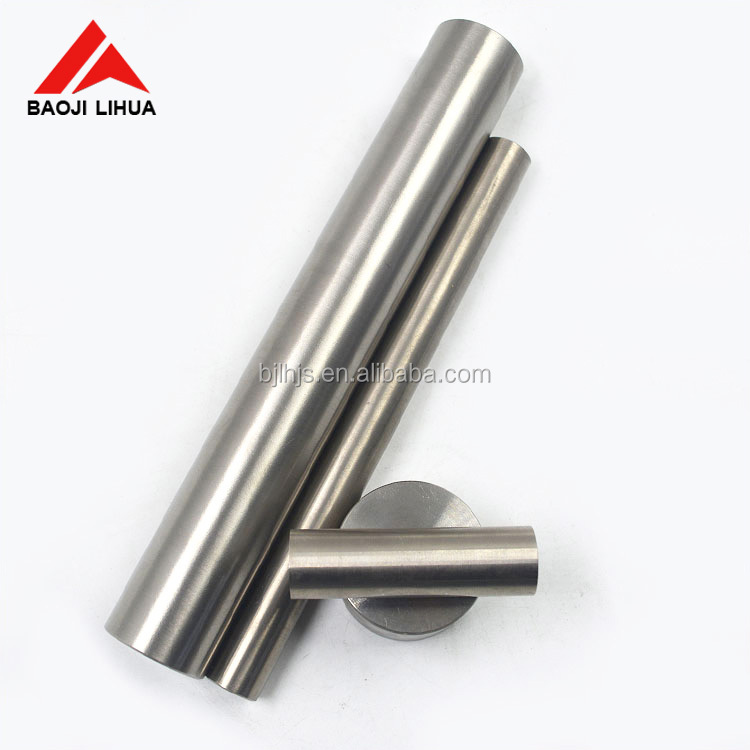
Titanium bar rod billets price per kg for industrial
- Grade: Gr1, Gr2, Gr5 (Ti-6Al-4V)
- Standard: ASTM B348 / ASME SB348
- MOQ: 1 kg Sample Available
Explore mill-certified stock and fabricated titanium profiles engineered to perform under extreme corrosive, aerospace, and high-stress environments.
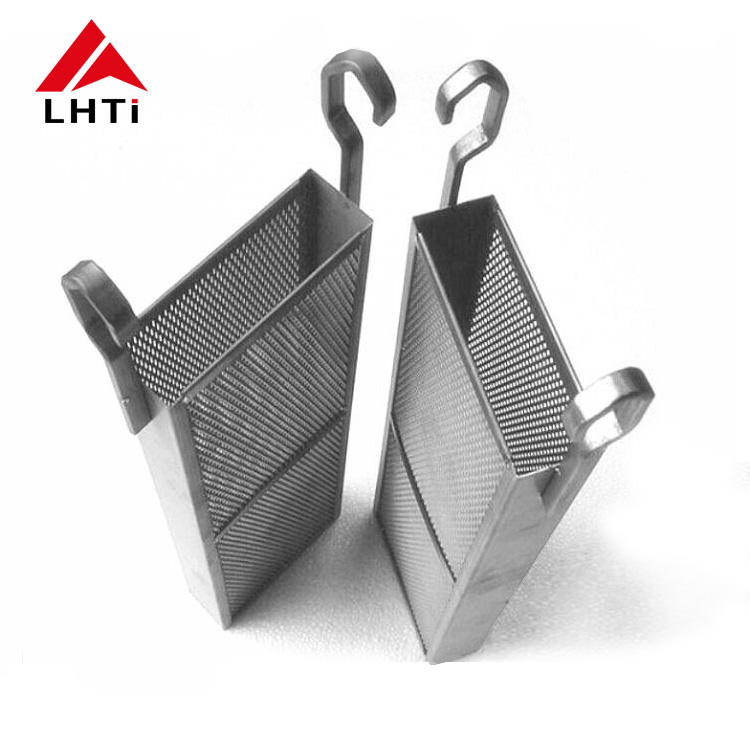
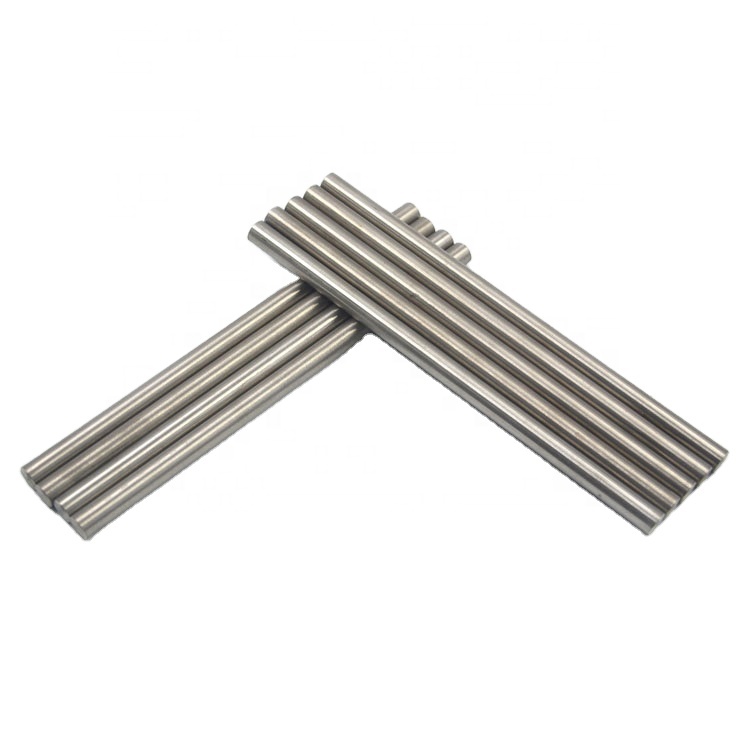
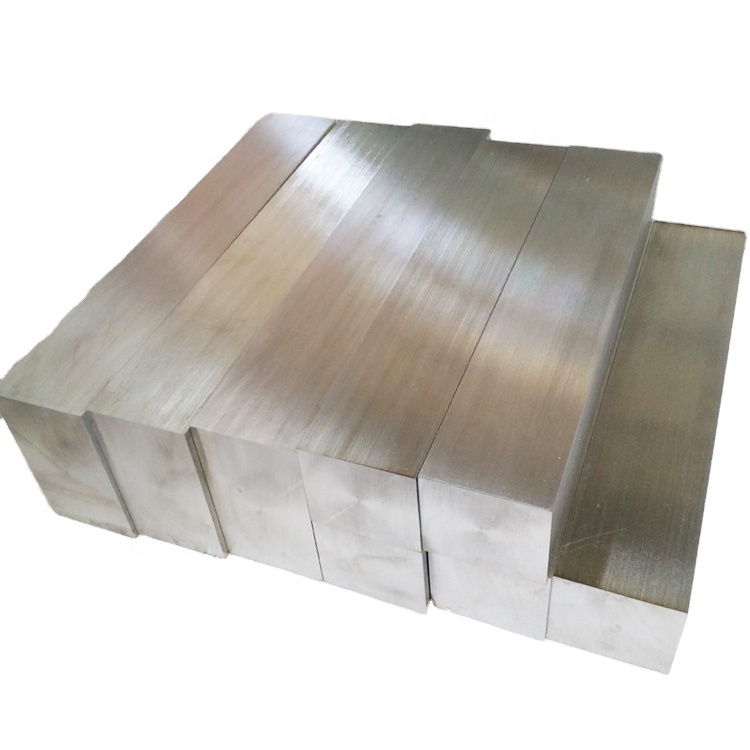
Strategically positioned at the core of China's "Titanium Valley" in Baoji, we integrate raw sponge melting, forging, precision drawing, and CNC center machining under ISO 9001 quality governance.
Every titanium hex bar and forged billet comes with complete heat batch integrity. We supply authentic EN 10204 3.1 Mill Test Certificates detailing chemical composition and mechanical tensile checks verified by the authorized BaoTi Test Center.
Our workshop houses multi-axis Swiss CNC lathes, heavy cold-draw benches, and centerless grinding units. We maintain h9 to h7 tight diameter-across-flats (AF) tolerances, zero surface decarburization, and superior concentricity for automated screw machining.
From commercially pure Grade 1 & Grade 2 for maximum chemical process elongation to high-tensile Grade 5 (Ti-6Al-4V), Grade 7 (Palladium-enhanced), and bio-inert Grade 23 (ELI), our alloy inventory supports mission-critical applications without minimum mill wait times.
Strategic insights for procurement directors, mechanical engineers, and global supply chain architects navigating the modern advanced alloy landscape.
As the international engineering manufacturing landscape accelerates its transition toward lightweighting, carbon neutrality, and extended service lifecycles, titanium hex bars (hexagonal rods) have shifted from being secondary specialty profiles to high-priority structural commodities. Traditionally purchased as interim billets for manufacturing titanium fasteners, nuts, bolts, and hydraulic couplings, the hex bar format eliminates the heavy material loss typically caused by lathe milling circular bars into hexagonal shapes. This near-net-shape advantage provides significant cost savings given the relatively high cost per kilogram of raw titanium sponge.
| Titanium Grade | UNS / Standard | Yield Strength (Min) | Tensile Strength (Min) | Primary Industrial Sector |
|---|---|---|---|---|
| Grade 2 (CP-Ti) | UNS R50400 / ASTM B348 | 275 MPa | 345 MPa | Chemical chlor-alkali, marine hardware, electroplating baskets |
| Grade 5 (Ti-6Al-4V) | UNS R56400 / AMS 4928 | 828 MPa | 895 MPa | Motorsport wheel studs, aerospace fasteners, structural brackets |
| Grade 5 ELI (Gr23) | UNS R56401 / ASTM F136 | 795 MPa | 860 MPa | Surgical orthopedic bone screws, dental prosthetics, cryogenic systems |
| Grade 7 (Ti-0.15Pd) | UNS R52400 / ASTM B348 | 275 MPa | 345 MPa | Aggressive reducing acid environments, offshore hydrocarbon processing |
Procurement teams are moving away from spot-market, transaction-based purchasing toward value-engineered, end-to-end qualified supply chains. The modern technical purchaser must evaluate titanium hex bar suppliers through three structural shifts:
The manufacturing technology behind titanium hex stock has seen major breakthroughs over the past decade. Traditional hot extrusion methods often left thick alpha-case oxidized layers and non-uniform grain structures that led to inconsistent tap-and-die thread stripping during fastener manufacturing. Modern Tier-1 suppliers like Jovzi Titanium utilize a combination of precision hot rolling followed by multi-pass cold drawing and continuous induction annealing under vacuum or high-purity argon protection.
This process results in exceptional equiaxed microstructures (Grain size ASTM 7 or finer), which enhances the fatigue limit and shear resistance of the finished bolts. Furthermore, advanced eddy-current and ultrasonic non-destructive testing (NDT) are now deployed in-line to detect center-line micro-voids, ensuring that 100% of the bar volume is qualified for deep drilling and tapping operations.
Clear, engineering-backed answers addressing the practical challenges of purchasing, machining, and certifying titanium hexagonal profiles.
Our standard production lines cover across-flats dimensions ranging from hex 4 mm up to hex 65 mm (0.157" to 2.559"). Custom large-scale hexagonal forged bars up to 120 mm AF can also be produced via closed-die radial forging. We provide standard commercial lengths of 1000 mm, 2000 mm, and 3000 mm, as well as high-precision custom cut-to-length billets with chamfered ends for direct automatic lathe feeding.
Using ready-drawn titanium hex bars significantly lowers the "Buy-to-Fly" ratio. Machining a hex nut or bolt head from solid round stock produces substantial scrap chips (often wasting 35%–45% of high-cost titanium per part) and adds considerable milling cycle times. By starting with a precision-drawn hex bar, the external hex shape is already formed to finished tolerances, drastically reducing machining costs, cutting tool wear, and scrap metal handling.
The correct standard depends entirely on the end application. ASTM B348 is the general engineering benchmark for industrial chemical, marine, and commercial fastener use. AMS 4928 enforces stricter chemical bounds, microstructural uniformity, and rigorous ultrasonic testing specifically for the aerospace and defense sectors. ASTM F136 is mandatory for medical, dental, and biomedical implants, requiring Extra Low Interstitial (ELI) control to ensure biocompatibility and tissue integration.
We supply precision cold-drawn hex bars holding ISO h9, h8, and h7 tolerance classes across the flats. Our centerless polishing and multi-roll straightening lines ensure strict linear straightness of ≤0.5 mm to 1.0 mm per meter, eliminating bar chatter in automatic multi-spindle screw machines and high-speed CNC centers.
Yes. Every batch leaves our facility with a standard EN 10204 3.1 Mill Test Certificate (MTC) stating precise heat batch numbers, full melt chemistry, and room-temperature tensile/yield properties. Upon request, we also provide independent, accredited third-party test reports issued by the renowned BaoTi Test Center or SGS/TUV testing bodies to satisfy rigorous customer QA audits.
For standard stocking sizes in Grade 2 and Grade 5 (such as 8mm, 10mm, 12mm, 14mm, 17mm, and 19mm hex), our MOQ starts at just 1 kg for sample trials, shipping within 48 to 72 hours. For custom sizes, special aerospace alloys, or specific melt lengths, custom manufacturing typically requires a 50 kg MOQ with an agile production turnaround of 15 to 25 business days.