Featured Titanium Piping & High-Tolerance Components
Direct from China's premier Titanium Valley manufacturing center. Fully certifiable to ASTM, ASME, DIN, and ISO standards with heat-numbered metallurgical test certificates.
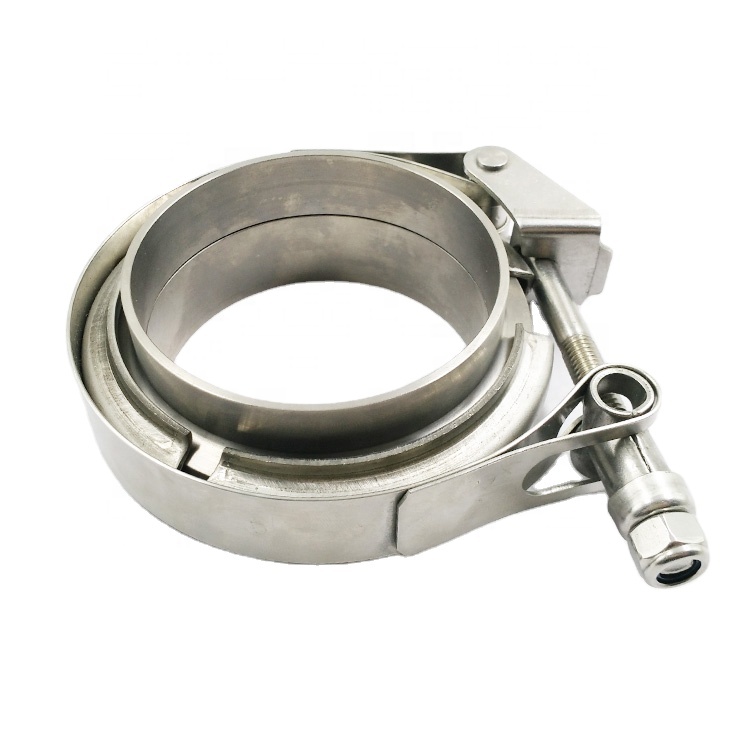
Titanium Gr1 Gr2 2"-5" V Band Clamp With Flanges
- Material: Grade 1 / Grade 2 CP-Ti
- Application: Vehicle Exhaust Systems
- Tolerance: CNC ±0.05mm
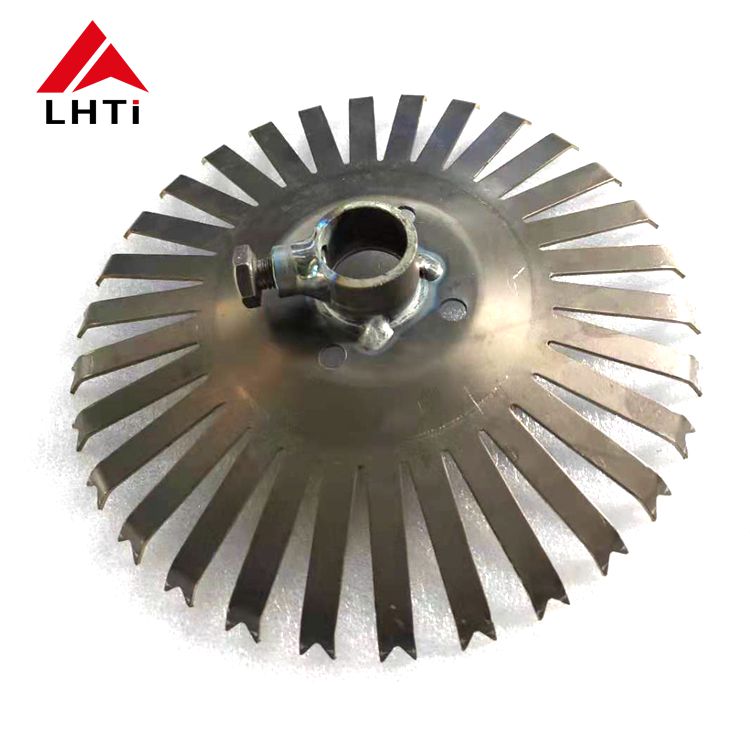
Anodizing Titanium 30 Teeth Disk Rack for Electroplating
- Grade: Commercial Pure Gr2
- Process: Precision TIG Welded
- Chemical Life: Acid / Chlorate Resistant
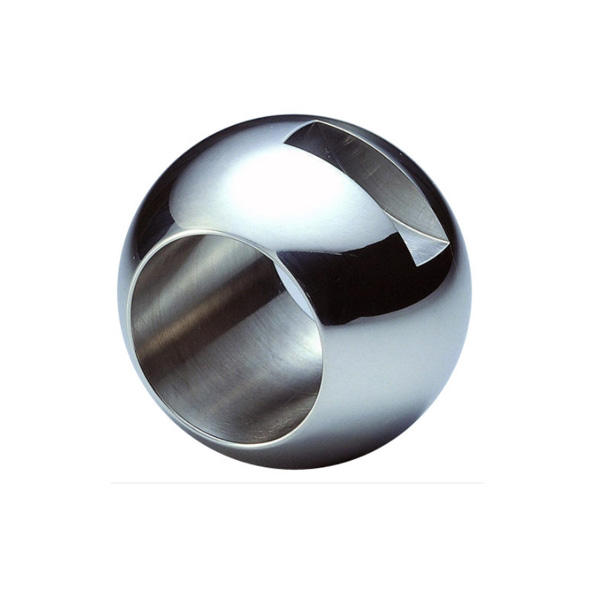
Titanium Ball Core for American Standard High-Pressure Valve
- Alloy: Gr2 / Gr5 / Gr12
- Standard: ANSI / ASME Compliant
- Geometry: Hollow / Solid Dynamic
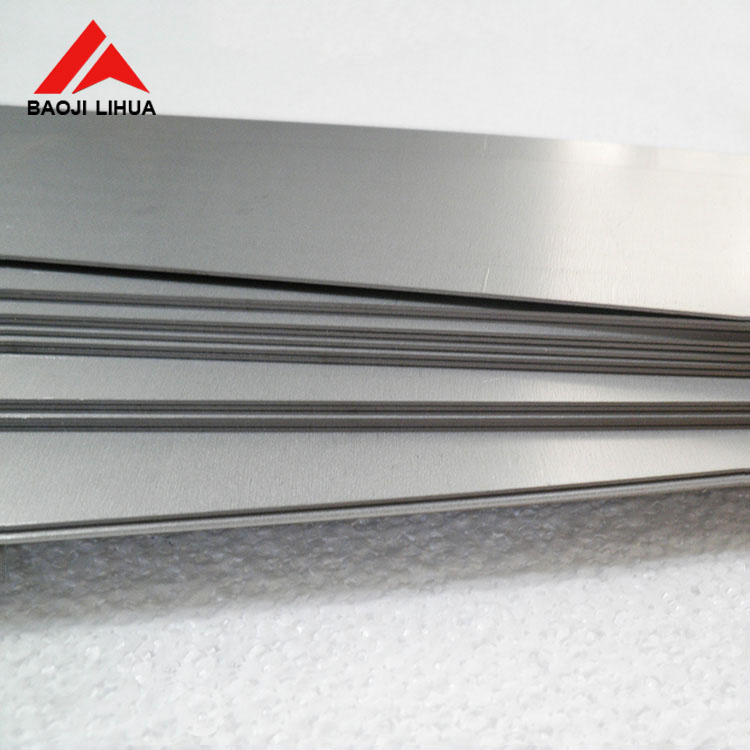
Gr2 Gr5 Ti-6Al-4V Polished 1mm Titanium Sheet & Plate
- Standard: ASTM B265 / AMS 4911
- Finish: Bright Annealed & Polished
- Thickness: 1.0mm (Custom Available)
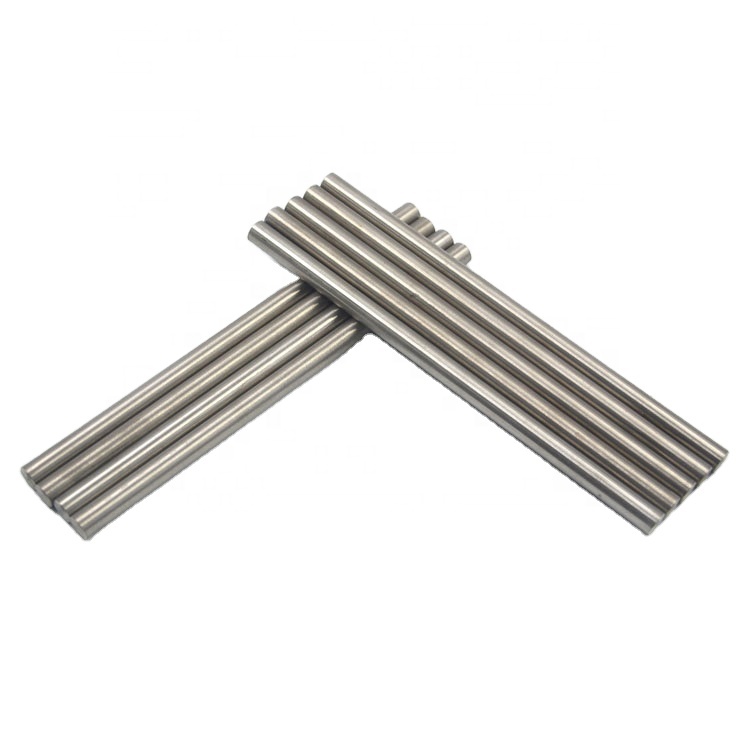
Nickel Titanium Alloy Super Elastic Nitinol Shape Memory Bar
- Composition: NiTi ~55% Nickel Balance
- Property: Superelastic / Shape Memory
- Standard: ASTM F2063 Medical Grade
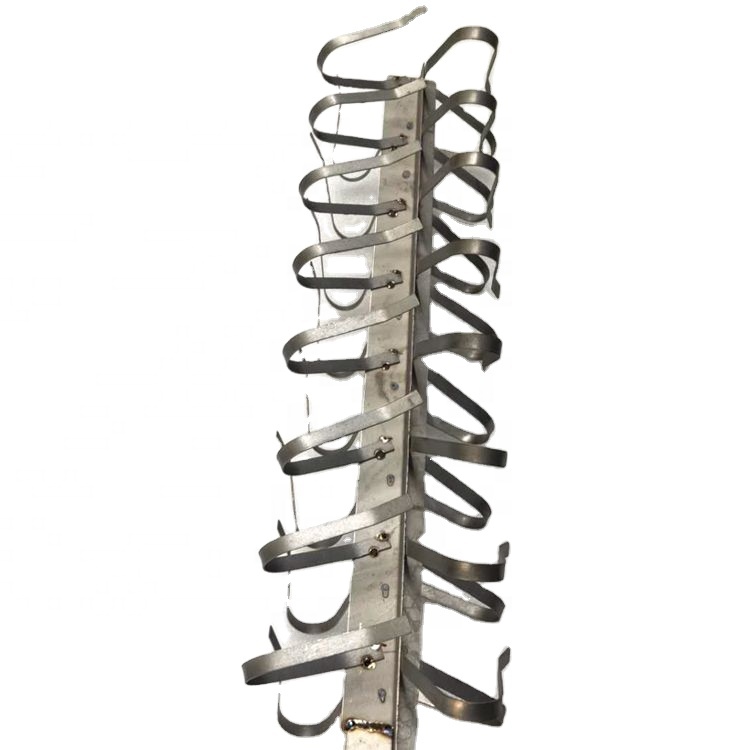
Grade 2 Titanium Jigs Rack Hook & Tube Components
- Material: ASTM B338 / B348 Gr2
- Joint Type: Inert Shield TIG Fusion
- Service: Anodizing, Pickling, PVD
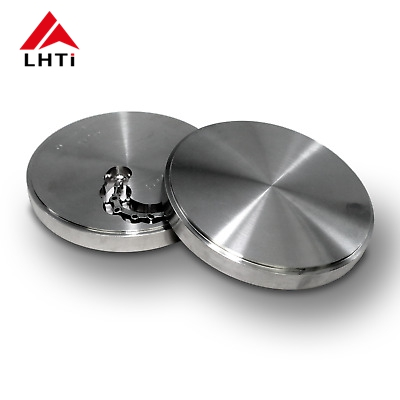
ASTM F136 Gr5 ELI / Gr2 98mm Disc for Dental Implants
- Purity: Extra Low Interstitial (ELI)
- Dimensions: 98mm Open CAD/CAM
- Certification: Biocompatibility Traceable
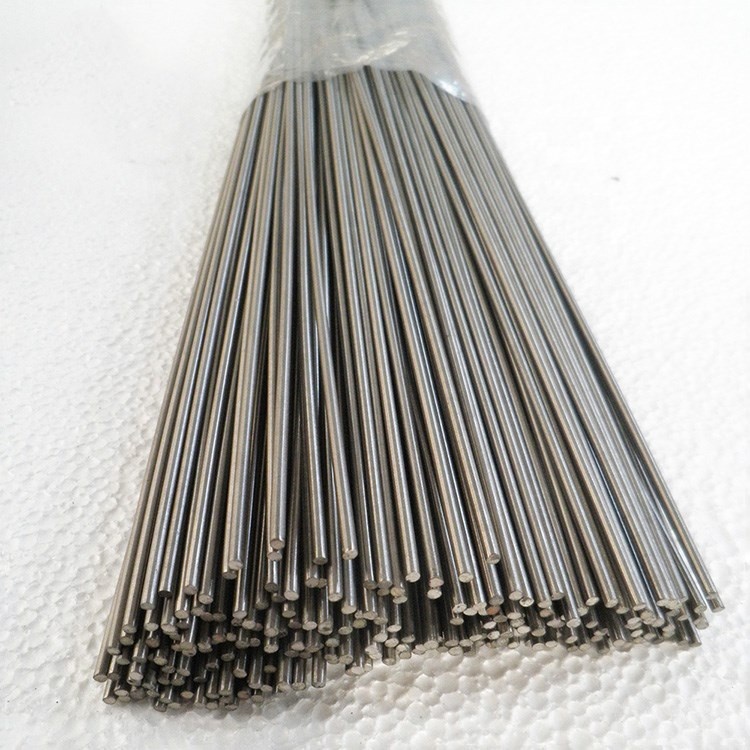
High-Tensile Thin Titanium Solid Rods & Flexible Wire
- Flexibility: High Modulus Elasticity
- Surface: Centerless Ground Polished
- Grade: Gr1 / Gr2 / Gr5 / Nitinol
Technical Whitepaper: Industrial Welded Titanium Pipe Manufacturing Paradigms
In modern process industries, power generation, and specialized motorsport engineering, the choice of piping infrastructure dictates plant safety, thermodynamic efficiency, and lifecycle capital expenditures. Welded titanium pipes fabricated per ASTM B862 (Standard Specification for Titanium and Titanium Alloy Welded Pipe) and ASTM B338 (Welded & Seamless Tubes for Condensers and Heat Exchangers) have replaced nickel-based superalloys and duplex stainless steels in severe corrosive environments. This shift is catalyzed by titanium's passive rutile ($TiO_2$) protective film, which reforms spontaneously upon physical abrasion in aqueous chloride conditions.
As premier factories operating from Baoji—the epicenter of global titanium synthesis—advanced production lines implement continuous automated Tungsten Inert Gas (TIG / GTAW) and high-density Plasma Arc Welding (PAW) systems. Unlike traditional structural carbon welding, welded titanium tubular products require absolute atmospheric evacuation. Total trailing gas shielding and inert back-purging using Class 5.0 (99.999% purity) Argon are deployed to eliminate intergranular contamination from ambient oxygen ($O_2$), nitrogen ($N_2$), and hydrogen ($H_2$). When heated past 425°C, unprotected titanium rapidly absorbs interstitial gases, inducing severe alpha-case embrittlement and catastrophic stress-corrosion cracking.
Continuous Roll-Forming
Strip uncoiling with multi-stage cold roller calibration ensures circularity within 0.2% OD tolerance, minimizing edge mismatch before welding arc induction.
Chamber Shielded Welding
Plasma-TIG hybrid keyhole welding delivers full-penetration square butt joints on wall thicknesses up to 8mm without chemical filler dilution.
Vacuum Stress Relief
Sub-atmospheric vacuum heat treatment at 600°C–650°C redistributes residual thermal stresses without discolouration, stabilizing metallurgical lattice integrity.
Welded titanium pipe systems manufactured with modern automatic seam-tracking sensors achieve continuous joint efficiency factors ($E=1.00$), matching the burst threshold and hoop-stress limits of seamless hot-extruded tubes while delivering superior longitudinal wall-gauge consistency, internal hydraulic smoothness, and up to 35% reduction in production raw-material costs.
Titanium Alloy Grade Selection & Joint Metallurgical Criteria
Direct comparative engineering parameters for industrial piping fabrication per ASTM B862, ASTM B338, and ASME Section VIII Division 1 design calculations.
| Alloy Grade | UNS Designation | Yield Strength (Min, MPa) | Tensile Strength (Min, MPa) | Primary Industrial Use Case | Welding / NDT Protocol |
|---|---|---|---|---|---|
| Grade 1 (CP-4) | UNS R50250 | 170 MPa | 240 MPa | Deep-drawn plate heat exchangers, aggressive chemical relining, marine desalination plates. | 100% Radiographic / Dye Penetrant; exceptional cold ductility. |
| Grade 2 (CP-3) | UNS R50400 | 275 MPa | 345 MPa | Global chemical piping benchmark, seawater cooling water mains, exhaust system fabrication. | Continuous online Eddy Current + Hydrostatic proof testing at 1.5x design pressure. |
| Grade 5 (Ti-6Al-4V) | UNS R56400 | 828 MPa | 895 MPa | Aerospace structural ducting, deepwater offshore risers, high-performance racing downpipes. | Controlled atmosphere glovebox welding or orbital vacuum GTAW; ultrasonic immersion. |
| Grade 7 (Ti-0.15Pd) | UNS R52400 | 275 MPa | 345 MPa | Severe reducing acids, hot hydrochloric / sulfuric environments, chemical crevice conditions. | Matched ERTi-7 filler wire; 100% X-ray seam verification per ASME Section IX. |
| Grade 9 (Ti-3Al-2.5V) | UNS R56320 | 483 MPa | 620 MPa | High-pressure hydraulic lines, submarine hulls, performance bicycle and aerospace tubular tubing. | Inert trailing shroud automatic orbital welding; pneumatic helium leak test. |
| Grade 12 (Ti-Mo-Ni) | UNS R53400 | 345 MPa | 483 MPa | High-temperature brine process piping, chlorine-alkali diaphragms, geothermal heat extraction. | Post-weld stress annealing required for peak crevice corrosion resistance. |
Product Procurement & Technology Trends: The 2026–2035 Horizon
The global procurement market for welded titanium tubing and piping infrastructure is transitioning from conventional off-the-shelf catalog sourcing to tightly audited, vertically integrated supply chains. As enterprise buyers manage geopolitical supply chain vulnerabilities, the following three industry megatrends have become defining procurement vectors:
1. Sponge-to-Spool Traceability
Tier-1 EPC contractors demand end-to-end provenance. Every mill heat number must trace directly to raw titanium sponge reduction, eliminating recycled scrap adulteration. ISO 17025 accredited third-party validation (such as the BaoTi National Testing Laboratory) has become an immutable contractual requirement for EN 10204 3.1 & 3.2 certifications.
2. Precision Laser-Arc Hybridization
High-capacity factories are shifting from conventional multi-pass GTAW to continuous multi-kilowatt fiber laser-arc hybrid welding. This shrinks the heat-affected zone (HAZ) by 60%, refines grain coarsening across the weld boundary, and delivers higher fatigue limits in vibration-intensive vehicle and aerospace exhausts.
3. Net-Zero & Decarbonization Mandates
Green hydrogen electrolysis plants, carbon capture scrubbers (CCUS), and nuclear power generation are adopting Grade 2 and Grade 7 welded pipe manifolds to handle aggressive condensates. Long operational lifespans (>40 years maintenance-free) dramatically lower total Scope 3 carbon and capital lifecycle footprints compared to coated steel.
Procurement directors are actively moving toward combined contracts that bundle welded titanium pipe with matched forged ANSI/ASME B16.5 flanges, ASTM B363 titanium stub ends, concentric reducers, and high-strength Grade 5 lug assemblies, minimizing galvanic corrosion risks across heterogeneous metallurgy.
Why Jovzi Titanium Industry Represents the Forefront of Baoji Manufacturing
Founded in 2006 within the heart of China's "Titanium Valley" (Baoji High-Tech Industrial Zone), Jovzi Titanium Industry Co., Ltd. operates state-of-the-art smelting, cold roll-forming, forging, and CNC machining lines. Backed by 4 senior metallurgical specialists and 5 certified intermediate mechanical engineers, Jovzi bridges the gap between raw aerospace-grade sponge processing and global field application.
Geographical Hub Advantage
Direct supply-chain coupling with Baoji's smelting pools ensures uninterrupted ingot supply, superior cost control, and rapid metallurgical dispatch.
Full Traceability Protocols
Every batch of welded pipe, bar, or flange is shipped with rigorous EN 10204 3.1 Mill Test Certificates; BaoTi Center third-party testing available upon request.
Comprehensive Production Matrix
From 1.0mm thin-wall vehicle exhaust tubes to large-diameter ASTM B381 forged rings (up to OD 1074mm) and ASTM B16.5 spectacle blinds.
Proven Export Track Record
Over 19 continuous years exporting to tier-one industrial hubs across North America, Germany, Belgium, Japan, and Southeast Asia under FOB, CIF, or DDP terms.
Frequently Asked Technical & Sourcing Questions
Clear, engineer-backed insights addressing quality assurance, dimensional tolerances, and cross-border commercial execution.
ASTM B338 covers seamless and welded standard titanium tubes designed for surface condensers, evaporators, and heat exchangers, focusing on tight diameter and wall thickness tolerances for roller expansion into tube sheets. ASTM B862 covers welded titanium pipe designed for general industrial fluid transportation, high-pressure piping manifolds, and chemical process piping, accommodating larger diameters (NPS 1/2 to 60) and standard Schedule wall thicknesses (Sch 5S, 10S, 40S, 80S).
Our fabrication lines employ high-purity (99.999%) Argon shielding. We use customized primary gas lenses, extended trailing shoe diffusers that protect the solidified weld pool until it drops below 350°C, and dedicated internal purging mandrels. Weld seam surfaces are inspected against AWS D1.9 / ISO 15614-5 criteria: only bright silver and light straw temper colors are permitted; dark blue, gray, or powdery white oxide formations are rejected.
Yes. Grade 1 and Grade 2 welded pipes undergo longitudinal reverse flattening and flare testing per ASTM B862 specifications without exhibiting microscopic cracking along the seam. When fabricating tight-radius exhaust pie cuts, mandrel bends, or lap-joint stub ends, fully annealed Grade 2 pipe can be cold bent to centerline radii down to 1.5D using proper internal mandrels and anti-galling lubrication.
Every welded pipe undergoes 100% continuous online Eddy Current testing (ASTM E426) or Hydrostatic pressure testing to guarantee zero through-wall defect leakage. For critical ASME boiler and pressure vessel code projects, we provide 100% X-ray radiographic inspection (RT) along the full weld seam, accompanied by positive material identification (PMI) and third-party ultrasonic immersion testing.
For common industrial sizes (e.g., OD 25mm to 114mm in Grade 2 CP Titanium), MOQ starts at just 50 meters or single-piece sampling for qualified project evaluations. Custom alloy pipe (Grade 7 Palladium-stabilized or Grade 9 high-strength) or custom wall gauges are scheduled per production coil batch (typically 100 kg minimum). Sample dispatch occurs within 48 hours for stock items; mill fabrication runs average 15 to 25 business days.
We support FOB Shanghai/Tianjin, CIF, CFR, CIP, FCA, and turnkey DDP (Delivered Duty Paid) directly to client warehousing in Europe and North America. All shipments feature anti-scratch protective poly-wrapping, reinforced ISPM-15 export fumigated timber crates, and complete commercial documentation including Certificate of Origin, Form E, and raw material heat tracing.