High-Performance Titanium Bars & Specialized Components for Laos
Direct supply from Baoji "China Titanium Valley" manufacturing workshops, optimized for industrial mining, electroplating, chemical reactors, and mechanical engineering projects across Vientiane, Khammouane, and Savannakhet.
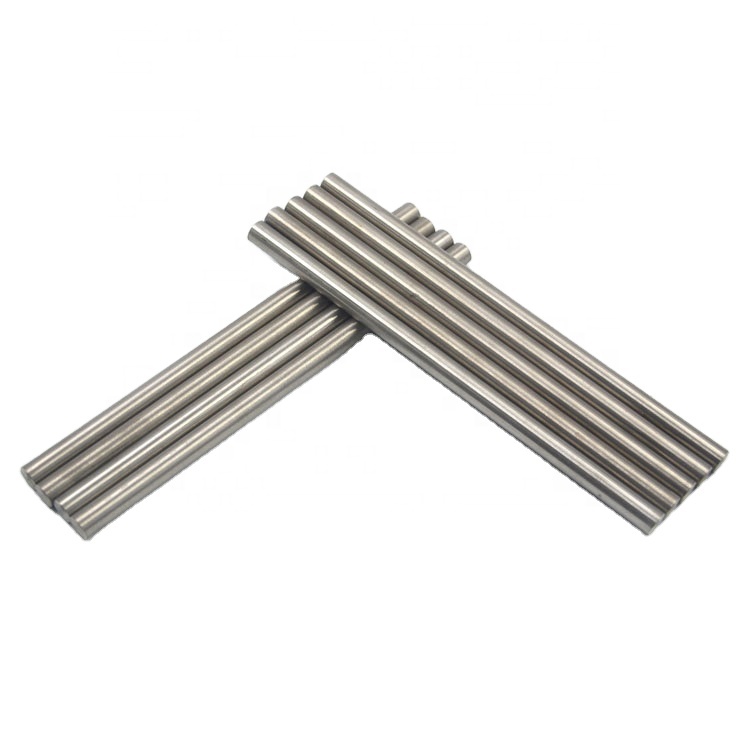
Nickel titanium alloy super elastic and shape memory nitinol bar price per kg
- Material: NiTi Shape Memory Alloy
- Elasticity: Superelastic / High Damping
- Applications: Precision Sensors & Actuators
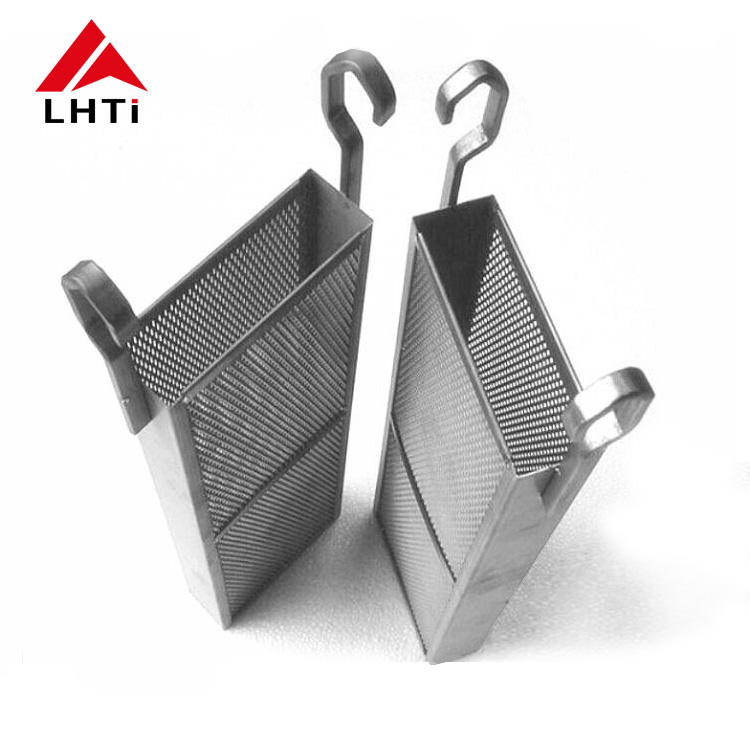
Gr2 Titanium Anode Basket Electroplating 5x10 6x12mm for Chemical Industry
- Grade: ASTM B265 Grade 2 CP Ti
- Mesh Size: 5×10mm / 6×12mm Micro-expanded
- Feature: Acid Leaching & Electroplating
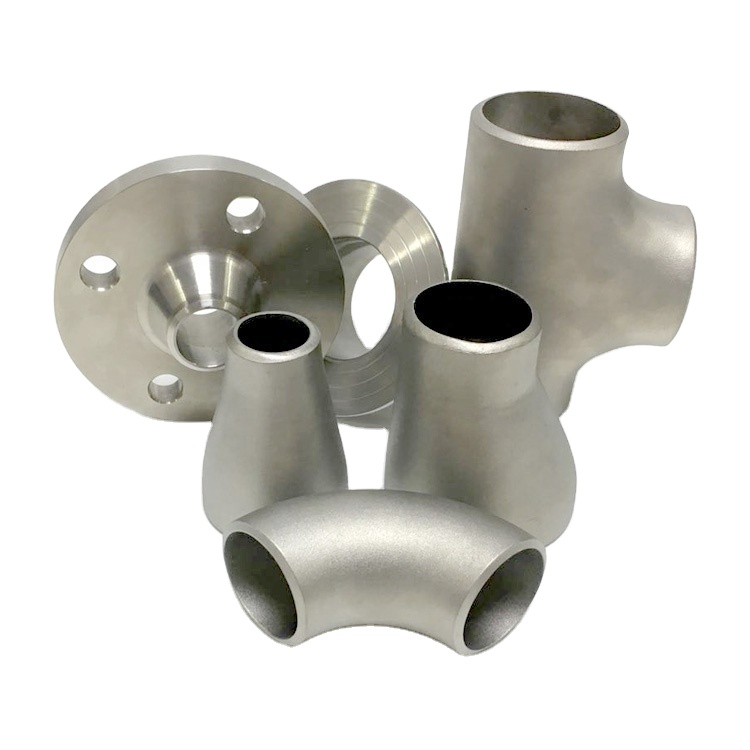
Ti-pure Titanium Seamless Concentric Reducer Pipe Fitting
- Standard: ASME B16.9 / ASTM B363
- Type: Seamless Concentric Reducer
- Resistance: Wet Chlorine & Saline Slurry
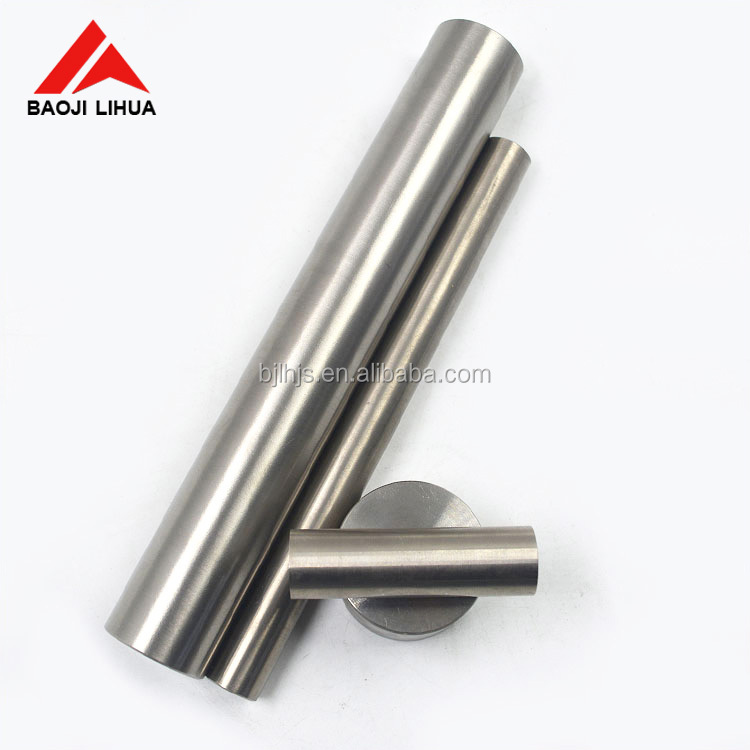
Titanium bar rod billets price per kg for industrial
- Standards: ASTM B348 / ASME SB348
- Grades: Gr1, Gr2, Gr5 (Ti-6Al-4V), Gr7, Gr12
- Diameter: Ø6mm – Ø350mm (Custom Lengths)
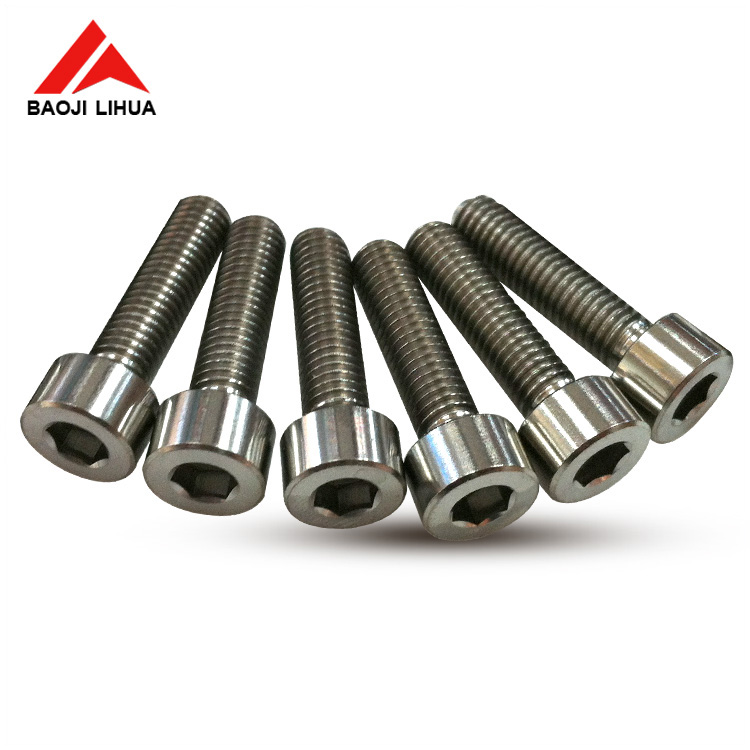
High Quality Gr5 Titanium Bolt M6 M8 M10 DIN912 Titanium Screws
- Norm: DIN 912 / ISO 4762 Hex Socket
- Tensile: ≥ 895 MPa High Strength
- Usage: Mining Pumps & Submersible Mounts
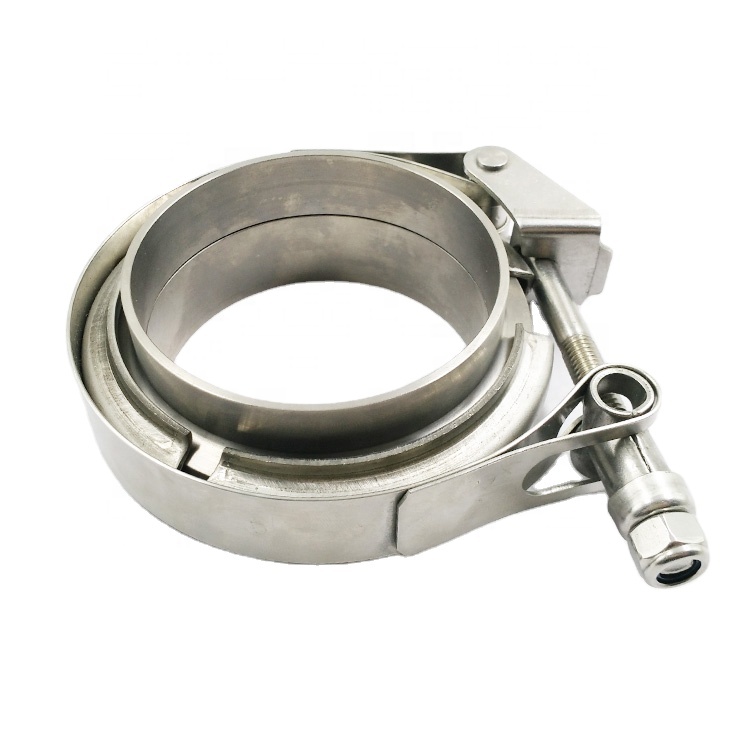
Titanium Gr1 Gr2 2inch 3inch 4inch 5inch V Band Clamp With Male and Female Flanges for Titanium Vehicle Exhaust Systems
- Diameters: 2.0", 2.5", 3.0", 3.5", 4.0", 5.0"
- Connection: Quick-Release Male/Female Interlock
- Corrosion: Exhaust Acid Condensate Proof
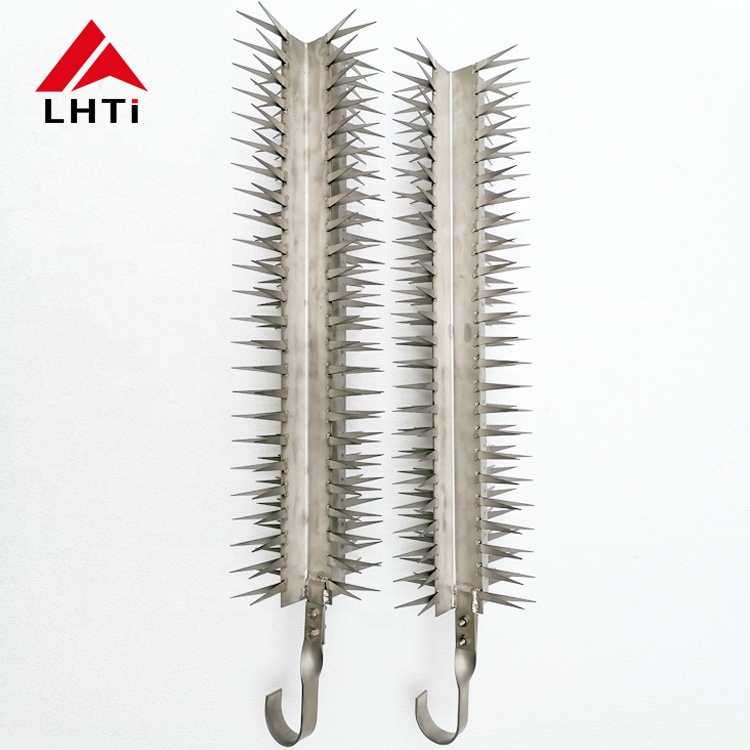
Customized Anodizing Gr1/Gr2 Titanium Jigs for Industry Coating Colors
- Alloy: CP Titanium Grade 1 / Grade 2
- Fabrication: Precision Spot Welded / Formed
- Lifespan: High Current Conductivity & Long Life
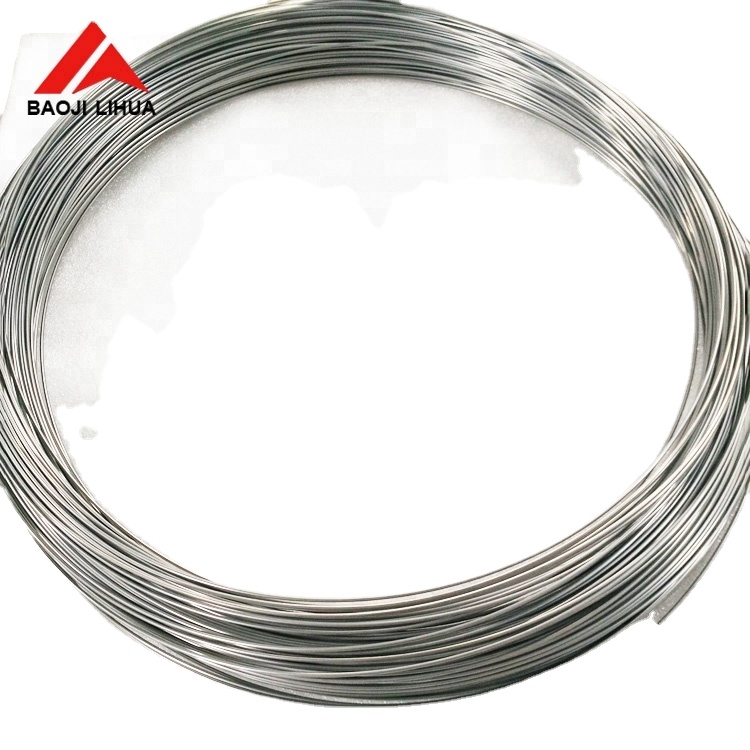
Nitinol Wire Shape Memory Alloy Superelastic Niti Wires 0.45 0.5 0.55MM
- Dimensions: Ø0.45mm, Ø0.50mm, Ø0.55mm Spooled
- Phase Transformation: AF: -10°C to +40°C Custom
- Compliance: ASTM F2063 Medical & Technical
Navigating Titanium Rod Metallurgy, Sourcing Dynamics & Industrial Infrastructure in the Lao PDR
The industrial landscape of the Lao People's Democratic Republic is currently navigating an unprecedented structural transformation. Driven by heavy capital injection under the Belt and Road Initiative (BRI), extensive resource exploitation in the Vientiane Potash Basin, aggressive copper-gold hydrometallurgical operations at Sepon and Phu Kham, and large-scale hydro-energy deployment across the Mekong tributaries, the demand for corrosion-resistant non-ferrous metals has surged exponentially. In these demanding operational environments, conventional 316L stainless steel, duplex alloys, and standard structural bronzes frequently suffer catastrophic premature failure caused by concentrated chloride-induced stress corrosion cracking (SCC), severe sulfuric acid leaching attack, and rapid cavitation wear. Consequently, ASTM B348 titanium rods, bars, and billets have emerged as an indispensable material of choice for industrial project designers, procurement directors, and maintenance engineers across Laos.
As one of China’s seasoned precision titanium manufacturing entities operating out of Baoji, Shaanxi ("China’s Titanium Valley") since 2006, Jovzi Titanium Industry Co., Ltd. has established an agile, factory-direct supply corridor connecting domestic titanium sponge reduction, vacuum consumable electric arc melting (VAR), billet forging, and CNC precision centerless grinding directly with Lao enterprise buyers. With the full commercial integration of the China-Laos Railway (Kunming–Boten–Vientiane freight line), critical titanium rod shipments that historically required 25–40 days of volatile maritime transshipment through Thai coastal ports (such as Laem Chabang) can now reach Vientiane South Logistics Park in as little as 3 to 5 business days, backed by authentic EN 10204 3.1 Mill Test Certificates and bilateral ASEAN–China Free Trade Agreement (ACFTA Form E) zero-tariff customs protocols.
Engineering Grade Selection: Chemical & Mechanical Performance Standards
Procurement teams must align titanium rod chemical compositions and heat treatment conditions with the specific mechanical stresses and chemical concentrations found at Lao project sites. Below is our engineering reference matrix covering primary grades exported to Laos:
| ASTM Grade | UNS No. / Alloy Chemistry | Tensile Strength (MPa min) | Yield Strength (0.2% MPa min) | Elongation (% min) | Primary Industrial Field in Laos | Key Corrosion / Mechanical Advantages |
|---|---|---|---|---|---|---|
| Grade 1 (CP Ti) | UNS R50250 (99.5% Pure Ti) | 240 | 170 | 24 | Electrochemical cells, Anodizing | Exceptional ductility; superior resistance to high-salinity chloride electrolytes. |
| Grade 2 (CP Ti) | UNS R50400 (Standard Industrial Ti) | 345 | 275 | 20 | Potash crystallizers, Mine piping | Optimal balance between strength, weldability, and resistance to oxidizing acids and brine. |
| Grade 5 (Ti-6Al-4V) | UNS R56400 (α-β Alloy) | 895 | 828 | 10 | Agitator shafts, Hydro valve stems | High strength-to-weight ratio; yield strength double that of SS316; resistant to fatigue and shock. |
| Grade 7 (Ti-0.15Pd) | UNS R52400 (Palladium Stabilized) | 345 | 275 | 20 | Hot dilute sulfuric/HCl leaching | Pd addition suppresses anodic dissolution in hot, acidic reducing chloride media; zero crevice corrosion. |
| Grade 12 (Ti-Mo-Ni) | UNS R53400 (0.3%Mo-0.8%Ni) | 483 | 345 | 18 | Potash refining steam evaporators | Cost-effective alternative to Grade 7; elevated resistance to high-temperature chloride crevice corrosion. |
| Nitinol (NiTi) | 55% Ni – 45% Ti Memory Alloy | 850–1200 | 195–690 | 15 | Automated valves, Geological sensors | Thermal shape recovery effect and superelastic mechanical damping under high cyclic strain. |
Localized Applications of Titanium Rods Across Lao Industry Verticals
From underground potash salt layers along the Mekong River plain to high-altitude opencast copper mines and run-of-the-river hydropower plants, titanium rods serve as mission-critical components.
Potash Mining & MOP Refining
The vast potash deposits of the Vientiane Basin and Khammouane Province involve hot, hyper-saline Carnallite and Sylvinite slurry handling at temperatures exceeding 90°C. Standard alloys suffer catastrophic pitting and stress-cracking in these saturated chloride brines. Gr2 and Gr12 titanium round bars are precision-turned into centrifugal slurry pump shafts, level-sensing probe shafts, and crystallizer agitator spindles, ensuring years of non-stop operation without corrosion-induced downtime.
Copper-Gold Hydrometallurgy (Sepon & Phu Kham)
Autoclave pressure leaching and solvent extraction-electrowinning (SX-EW) circuits in Lao copper operations utilize high-temperature sulfuric acid solutions containing high ferric ion concentrations. Grade 5 (Ti-6Al-4V) and Grade 7 (Ti-Pd) bars are machined into autoclave high-shear impellers, thermowells, and high-pressure valve trim. The microscopic oxide barrier ($TiO_2$) self-heals instantaneously in oxidizing acid environments, protecting against dynamic erosion-corrosion.
Mekong Hydropower Turbine & Dam Engineering
With dozens of operational and planned hydropower dams (e.g., Nam Theun 2, Xayaburi, Luang Prabang), cavitation pitting on sluice gates, intake runners, and deep submersible valves presents constant maintenance headaches. Precision-forged Grade 5 titanium rods provide high tensile endurance (≥895 MPa) combined with exceptional cavitation resistance, making them ideal for high-stress hydraulic valve actuator rods and ultrasonic underwater monitoring instrumentation.
Chemical Fertilizers & Industrial Anodizing Plants
Downstream processing of mineral outputs into phosphate and sulfate fertilizers requires specialized fluid transport and electro-deposition equipment. Jovzi supplies solid Grade 2 titanium rods used for fabrication into busbars, contact tips, immersion heaters, and bespoke electroplating racks that maintain electrical conductivity without shedding corrosive metal contaminants into sensitive electrolyte baths.
China-Laos Railway & Heavy Transport Maintenance
Operating railway stock along the high-humidity, mountainous Boten–Vientiane corridor generates heavy wear on bogies, suspension linkage pins, and exhaust manifolds. Jovzi provides high-tensile Gr5 titanium alloy hex bolts, stud bars, and lightweight structural connection rods that eliminate rust seizure, reduce unsprung axle mass, and withstand tropical thermal cycles.
Geotechnical Exploration & Borehole Core Drilling
Underground mineral exploration in the rugged Annamite Range demands drill string components capable of surviving harsh torque loads and acidic subterranean aquifers. Jovzi produces centerless-ground ASTM B348 Ti-6Al-4V rods with strict straightness tolerances (≤0.5mm/m), utilized as non-magnetic drill collars and sensor sub housings for direction drilling instrumentation.
Macro Trends Reshaping Titanium Rod Procurement in Laos (2025–2030)
Three tectonic shifts in logistics, engineering specifications, and mineral extraction are defining how engineering firms in Laos purchase advanced metallurgy.
1. Logistics Revolution: The China-Laos Railway Freight Corridor
Previously, importing precision titanium products from China meant shipping by sea via Guangzhou/Fangchenggang to Bangkok or Laem Chabang, followed by cross-border trucking across the Friendship Bridge into Vientiane. This process took up to 35 days and carried high transshipment costs. Today, direct rail freight from Baoji through Kunming to Mohan-Boten and directly into Vientiane cuts transit lead times down to 3 to 5 days. This logistics leap enables mining contractors to maintain agile, lean inventories without halting operations for emergency spare parts.
2. Rapid Migration from Stainless Steels to Titanium Gr2 & Gr12
As Lao potash extraction moves into deeper, hotter, and higher-chloride underground seams, traditional Duplex 2205 and 316L pump components are experiencing severe crevice corrosion within months. Mining operators are shifting capital expenditure directly toward ASTM B348 titanium bars. Although raw material costs are higher up front, titanium's near-infinite operational lifespan in saturated brine reduces plant shutdowns, yielding an amortized ROI within 8–14 months.
3. Direct Mill Quality Traceability via BaoTi Inspection Laboratories
Engineering, Procurement, and Construction (EPC) managers on international projects in Laos now routinely mandate third-party certified metallurgical inspection reports to avoid inferior re-melted scrap or uncertified regional stock. Every single consignment from Jovzi is matched with an authentic EN 10204 3.1 MTC issued by the accredited BaoTi Test Center, verifying exact chemical chemistry, Charpy impact toughness, microstructural alpha-beta grain morphology, and ultrasonic non-destructive flaw detection (AMS 2631).
Why Southeast Asian Engineering Firms Choose Jovzi Titanium
Founded in 2006 in Baoji, Shaanxi — China’s global hub for titanium raw material and precision CNC manufacturing — Jovzi provides unparalleled technical depth and reliable export execution.
Baoji Heart of Titanium
Direct integration with domestic 0A-grade sponge titanium suppliers ensures uncompromised chemistry, eliminating trace contaminants like iron and carbon at the root source.
Engineering Mastery
Our team includes 4 senior metallurgists and 5 intermediate mechanical engineers experienced in tight-tolerance rod extrusion, rotary swaging, and centerless lathe grinding.
Independent Lab Testing
In addition to internal quality controls, we partner with the authoritative BaoTi Test Center for complete chemical composition and mechanical tensile verification on every single production heat.
Global Export Pedigree
With an export ratio exceeding 85% across the EU, North America, and ASEAN, our logistics team manages ACFTA Form E certifications, DDP rail documentation, and export wooden box packaging.
Frequently Asked Questions: Sourcing Titanium Rods for Projects in Laos
Key technical, commercial, and freight considerations addressed by our cross-border industrial trade specialists.
Q1: How are titanium rods delivered from Baoji to industrial sites in Laos?
Shipments depart directly from our Baoji processing facility via containerized rail freight to Kunming, traversing the Mohan-Boten border checkpoint straight to Vientiane South Logistics Station. For urgent maintenance requirements (e.g., breakdown at a remote mine site in Khammouane), express door-to-door air freight via Kunming Changshui International Airport directly into Wattay International Airport (Vientiane) is available within 48 to 72 hours.
Q2: What preferential customs tariffs apply under the ASEAN–China Free Trade Area?
Titanium bars, rods, and shapes (HS Code 8108.90) qualify for zero or preferential import duties in Laos when accompanied by an authentic Certificate of Origin (Form E) issued under the ASEAN–China Free Trade Agreement. Jovzi Titanium prepares all Form E documentation alongside commercial invoices and packing lists to ensure immediate, duty-exempt clearance at Boten customs.
Q3: Can Jovzi supply titanium rods with custom surface finishes and tight dimensional tolerances?
Yes. Our in-house centerless grinding and peeling machinery achieves dimensional tolerances matching ISO h7, h8, and h9, with outer diameters ranging from Ø3mm up to Ø350mm. Surface roughness can be delivered from rough-peeled Ra 3.2μm down to mirror-polished Ra 0.4μm, ideal for hydraulic piston shafts, dynamic seals, and precision pump shafts.
Q4: How does Jovzi prevent hydrogen embrittlement and surface micro-cracking in titanium bars?
All titanium ingots undergo multiple vacuum consumable electric arc remelting (VAR) cycles to minimize gaseous impurities. Following hot forging, our bars are subjected to vacuum annealing at precisely controlled temperature ranges (650°C–750°C for Grade 2; 700°C–800°C for Grade 5) to relieve residual stresses without introducing hydrogen pickup or interstitial grain boundary embrittlement.
Q5: What documentation is provided with our titanium rod consignments?
Every commercial delivery includes an original EN 10204 3.1 Mill Test Certificate (MTC) indicating the unique heat number, ingot chemical assay, yield/tensile strength, elongation, and ultrasonic examination compliance according to AMS 2631 Class A/AA. Third-party independent test reports from the National Titanium Quality Inspection Center (BaoTi) are provided upon request.
Q6: What is the Minimum Order Quantity (MOQ) for custom-cut titanium rods?
For standard stocked diameters (Ø10mm to Ø120mm in Gr2 and Gr5), our MOQ starts from as little as 1 kg to 5 kg for testing, trial machining, or emergency repairs. For custom alloy forgings or tailored dimensions (e.g. Gr7 or Gr12 billets), order terms are determined per project drawing and billet casting weight.
Connect with Jovzi's Metallurgical Application Specialists
Whether you require standard ASTM B348 Grade 2 titanium bars for potash refining slurry lines, Grade 5 Ti-6Al-4V shafts for high-torque agitators, or Grade 7 alloy billets for extreme acid leaching, our engineering desk will prepare a detailed technical quotation and delivery schedule within 8 hours.