High-Performance Titanium Mill Products & Composite Assemblies
Directly factory-sourced from Baoji, China's Titanium Valley, fully certified to ASTM, ASME, and DIN standards for industrial applications in the Helsinki metropolitan area and across the Uusimaa region.
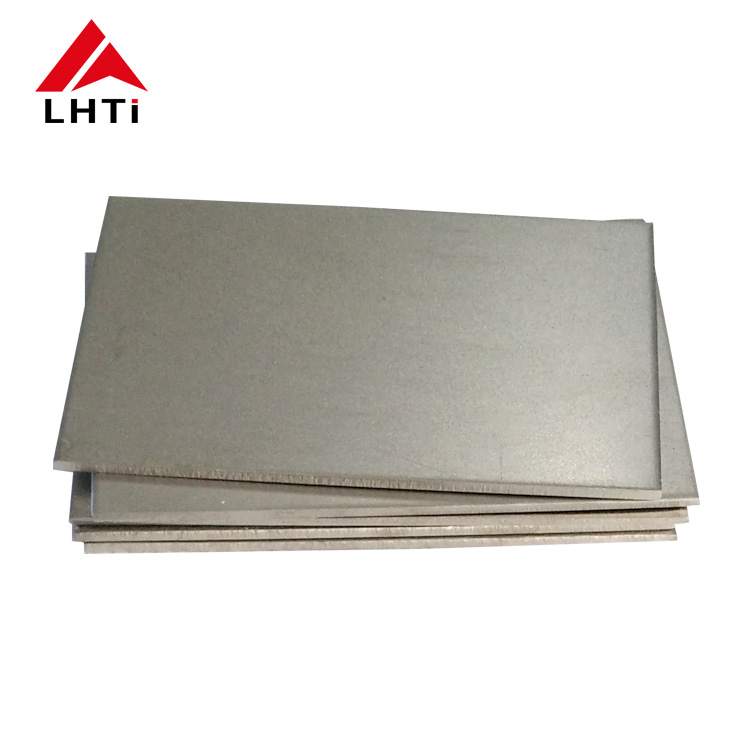
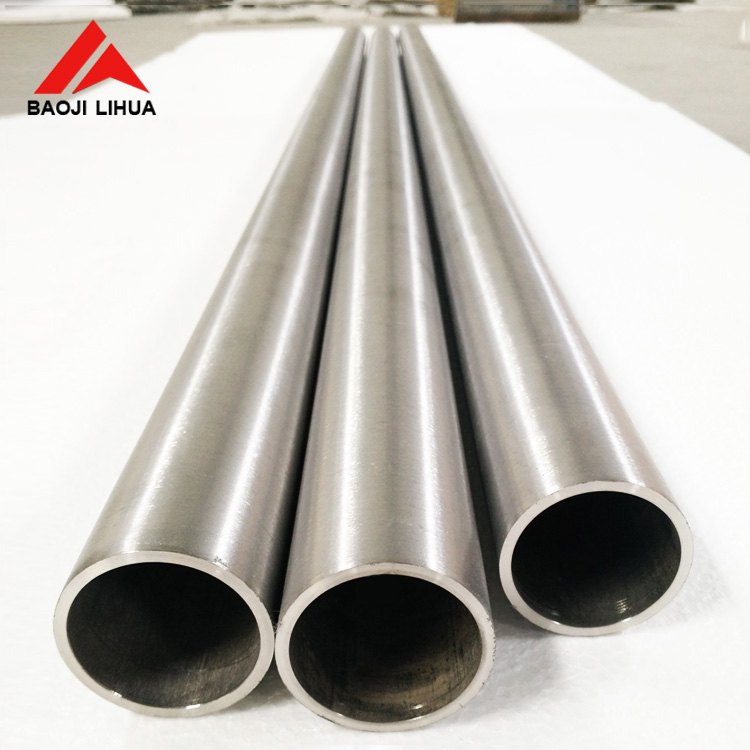
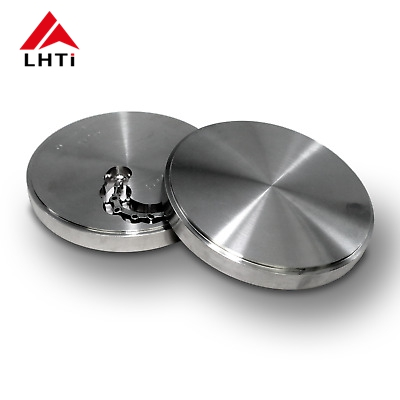
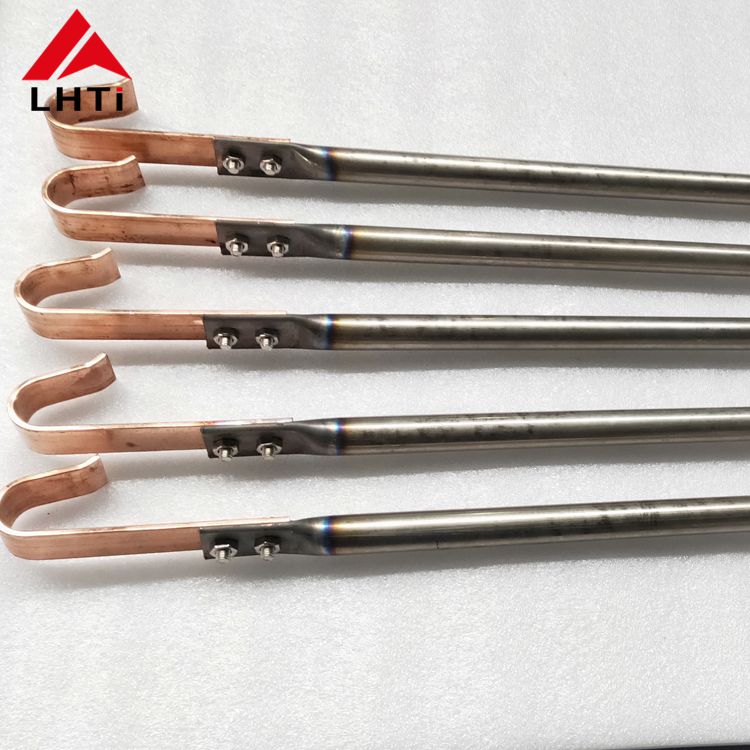
1. Technical Architecture of Titanium Clad Copper Sheets (Ti-Cu Bimetal)
In modern hydrometallurgical operations, chlor-alkali electrolysis, and marine industrial systems across Finland, engineering teams encounter the fundamental dilemma of conductor materials: pure copper boasts world-class electrical conductivity (58 MS/m, 100% IACS) and superior thermal dissipation, yet it corrodes rapidly in aggressive acidic, chloride-rich, and maritime environments. Conversely, commercially pure titanium (ASTM Gr1 and Gr2) forms an instantaneous, self-healing rutile-anatase TiO₂ passive oxide film capable of resisting hot wet chlorine, nitric acid, seawater, and severe electrolytic solutions, but its electrical conductivity is roughly 3% IACS, resulting in massive Joule heating losses if utilized as a primary conductor.
Titanium Clad Copper (Ti-Cu) sheets and busbars manufactured by Jovzi Titanium Industry Co., Ltd. bridge this metallurgical chasm. By metallurgically bonding an outer cladding layer of CP Grade 1 or Grade 2 titanium onto a core of high-conductivity oxygen-free copper (OFC, C10200) or tough pitch copper (ETP, C11000), our composite plates achieve unbroken, atomically interlocked cross-sections. Using dynamic explosive cladding (explosion welding) followed by precision hot-rolling and inert vacuum diffusion annealing, we prevent the formation of brittle intermetallic compounds (such as CuTi, Cu₃Ti, and Cu₄Ti₃) at the bonding interface.
The resulting composite demonstrates continuous electrical continuity with near-zero interfacial contact resistance, while guaranteeing an interfacial shear bond strength exceeding 140 MPa—well in excess of the 98 MPa minimum mandated by ASTM B898 (Standard Specification for Reactive and Refractory Metal Clad Plate).
| Property Parameter | Pure Titanium (Gr2) | Pure Copper (C11000 ETP) | Ti-Clad Copper Sheet (Jovzi B898) | Engineering Benefit for Finnish Buyers |
|---|---|---|---|---|
| Electrical Conductivity | ~3.1% IACS | 100 - 101% IACS | ≥90 - 94% IACS (based on core ratio) | Eliminates massive power loss in Helsinki electrowinning plants. |
| Corrosion Resistance | Exceptional (Cl⁻, Seawater, HNO₃) | Poor in wet salts & acid mist | Immune (Hermetic Ti Enclosure) | Zero copper ion contamination into refined electrolyte solutions. |
| Interfacial Shear Strength | N/A (Monolithic) | N/A (Monolithic) | 140 – 210 MPa (ASTM B898 Class 1) | Withstands severe thermal shock cycling between -35°C and +120°C. |
| Ultrasonic Testing (UT) | ASTM B265 Standard | ASTM B152 Standard | 100% Bond Rate per ASTM A578 Level B | Eliminates internal delamination, voids, and localized hot-spots. |
Localized Engineering Applications Across Helsinki & the Gulf of Finland
Engineered to meet the stringent ecological, energy efficiency, and operational benchmarks of Nordic chemical, marine, and mineral refining ecosystems.
Hydrometallurgical Refining & Electrowinning
Finland hosts advanced zinc, nickel, and precious metal extraction plants. Jovzi Ti-Cu clad sheets act as anode header hanger bars and distribution plates, conducting currents up to 30,000 A/m² without thermal degradation while completely resisting corrosive sulfuric acid and chloride baths.
Baltic Maritime & Ice-Class Vessel Ballast Systems
Helsinki's shipbuilding and marine engineering clusters rely on Mixed Metal Oxide (MMO) coated titanium-clad copper plates for electrochlorination biofouling control and ballast water management systems (BWMS), resisting harsh brackish Baltic sea ice abrasion.
Green Hydrogen PEM & Alkaline Electrolyzers
As the Greater Helsinki region expands its clean-energy hydrogen corridor, Jovzi's ultra-flat bimetal plates serve as current collectors and bipolar separator interfaces, providing stable ohmic contact with zero corrosion at elevated anodic overpotentials.
2. Metallurgical Process Optimization: Explosion-Clad vs. Hot-Roll Composite
A recurring issue identified by procurement managers in Finland involves the premature failure of cheaper, co-extruded or mechanically sleeved conductive bars sourced from sub-tier suppliers. In mechanical slip-fit assemblies, microscopic air gaps persist between the titanium sleeve and the copper core. When exposed to current cycling, thermal expansion mismatches cause localized arcing, oxidizing the copper internally and elevating electrical resistance until catastrophic open-circuit meltdown occurs.
At Jovzi Titanium Industry Co., Ltd., we adopt a two-tier metallurgical bonding process tailored to exact dimensional requirements:
1. Explosive Cladding (Dynamic Welding): Under microsecond detonation velocities, high-energy shock waves force the titanium cladding plate against the pure copper base at extreme impact pressures (several gigapascals). This process ejects surface oxide layers as a jet of plasma, creating a characteristic atomic wavy interface with continuous metallographic interlocking. No filler metal is introduced, ensuring 100% boundary cohesion without brittle ternary intermetallic alloys.
2. Diffusion Vacuum Hot Rolling & Leveling: For thin titanium clad copper sheets (1.0 mm to 6.0 mm total thickness), explosive composite slabs undergo high-vacuum hot rolling at strictly monitored temperatures (680°C - 780°C). This ensures uniform cladding thickness tolerances within ±0.05 mm, followed by multiple-roll tension leveling to achieve surface flatness of ≤1.5 mm/m—essential for automated laser welding and CNC machining in Helsinki production facilities.
Every single composite sheet undergoes automated immersion ultrasonic testing (UT) in accordance with ASTM A578 / ASTM B898 Level B standards. Jovzi guarantees zero unbonded zones exceeding 25 mm² and an overall bonding yield exceeding 99.8%.
3. Macro Market Dynamics: Sustainable Procurement Trends in Finland (2025–2030)
Finland's industrial sector operates under the European Union's strictest environmental mandates, emphasizing carbon neutral lifecycle operations, circular metals stewardship, and absolute process durability. In Helsinki, Vantaa, and Espoo, corporate engineering directives increasingly reject temporary or frequent-maintenance metallic components in favor of sustainable, long-cycle materials.
The Decarbonization Mandate in Non-Ferrous Smelting: Outokumpu and Boliden partner ecosystems are continuously pushing for lower electrical kilowatt-hour consumption per ton of refined cathode. Switching from monolithic lead or solid titanium busbars to high-ratio titanium-clad copper sheets cuts inter-cell bus voltage drops by up to 220 mV across industrial electrodeposition tanks. In a standard copper or nickel electrowinning plant operating continuous 24/7 schedules, this drop translates into annual electricity savings of hundreds of thousands of kilowatt-hours.
Traceable, Conflict-Free Supply Chains: Nordic supply chain controllers enforce thorough compliance with EU ESG rules. Jovzi maintains complete traceability from raw titanium sponge sourced in Baoji to certified high-purity copper cathodes. Every batch arrives in Helsinki with dual EN 10204 3.1 certification detailing mechanical properties, chemical spectroscopic validation, and third-party laboratory verification from the accredited BaoTi Test Center.
Engineered Advantages from Baoji to Helsinki
Direct manufacturing prowess combining nineteen years of international trade reliability with Titanium Valley raw material advantages.
ISO 9001 Certified Quality
Certified since 2006, Jovzi operates strict QA workflows. In-house mechanical, chemical, and metallographic testing guarantees full conformance to ASTM B898 standards.
Epicenter of Titanium Valley
Situated in Baoji, Shaanxi, Jovzi accesses premium titanium sponge and ingots directly from prime mills, ensuring exceptional purity and stable pricing.
Rapid CNC Customization
Our senior engineering staff provides precise CNC cutting, waterjet trimming, drilling, thread tapping, and bent-corner edge sealing tailored to your CAD/STEP drawings.
Rapid Helsinki Logistics
Full logistics handling: sea freight via Port of Helsinki (Vuosaari), expedited rail freight, or air freight via Helsinki-Vantaa Airport (HEL) with full DDP support.
Frequently Asked Questions: Sourcing Ti-Cu Clad Sheets in Helsinki
Essential technical, regulatory, and logistics answers for Finnish purchasing directors and plant engineers.
1. What cladding ratios and thickness dimensions can Jovzi supply to Helsinki?
2. How does your factory verify the bond integrity and eliminate delamination risks?
3. Can titanium clad copper sheets be cut, machined, and welded without edge debonding?
4. What documentation accompanies shipments to Finland for customs clearance and QA?
5. What are the delivery times and Incoterms available for Helsinki buyers?
Plan Your Next Bimetallic Project with Jovzi Engineers
Send your project blueprints, electrical ampacity targets, or corrosion service specifications to our engineering team in Baoji. We deliver fast technical assessments, CAD analysis, and competitive direct-mill quotes within 8 working hours.