Featured High-Performance Piping & Alloy Selection
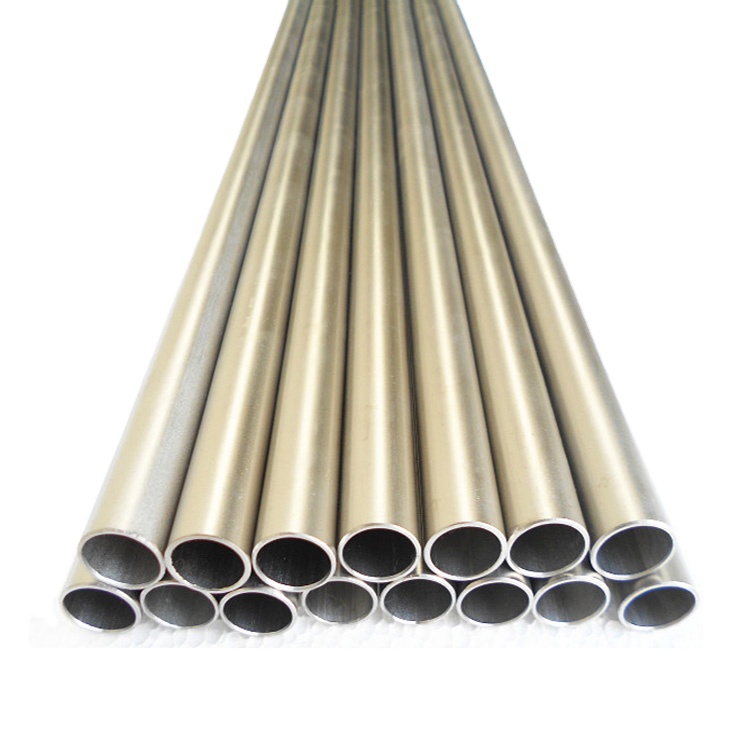
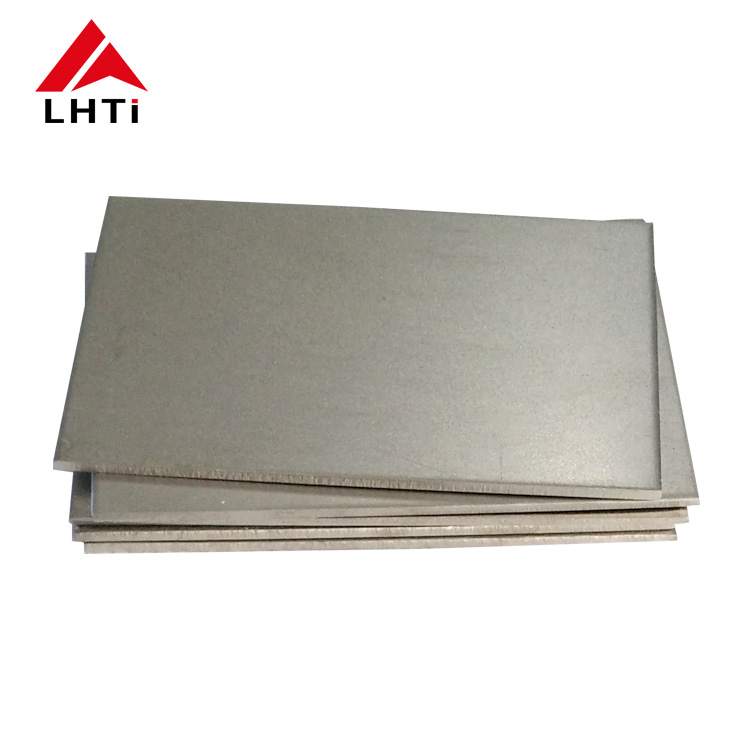
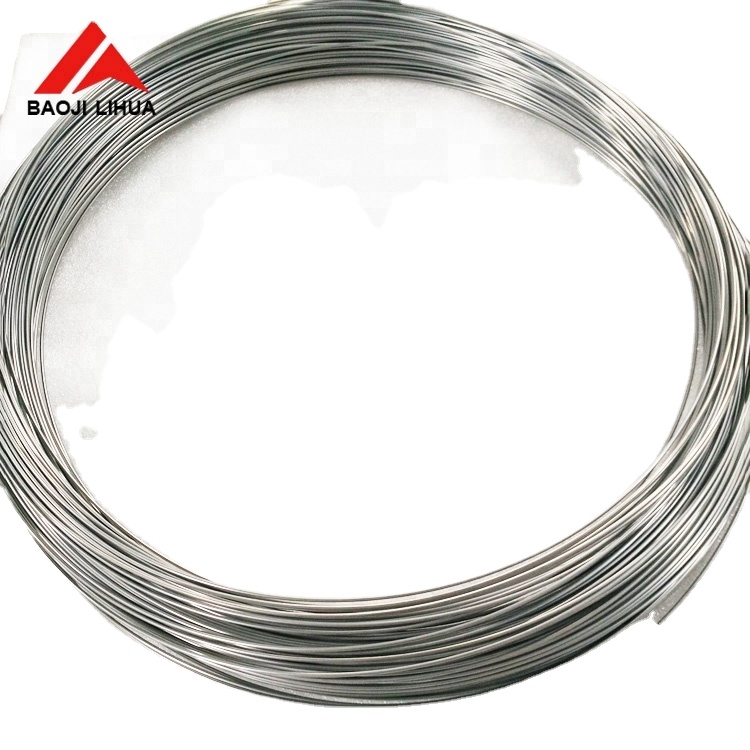
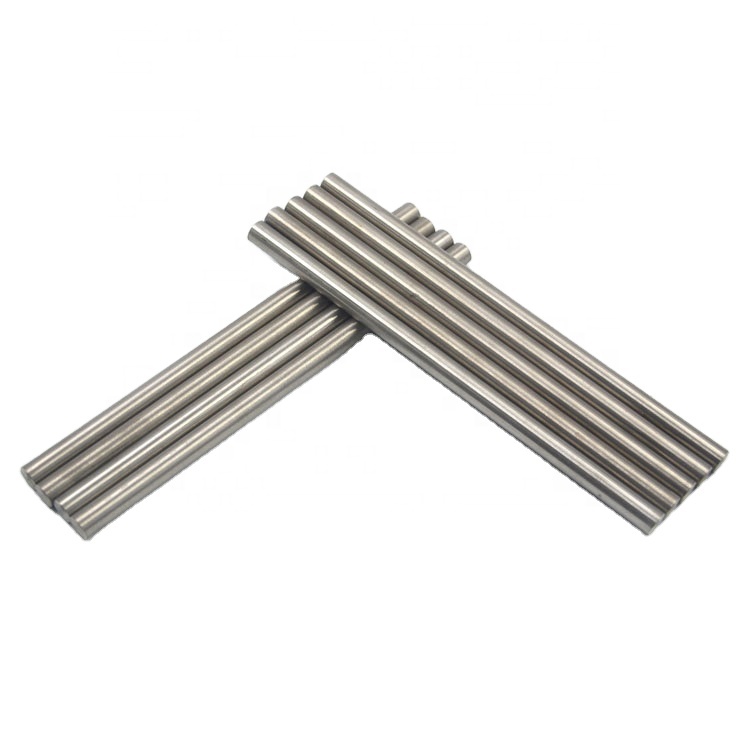
Direct factory supply adhering to ASTM, ASME, and DIN standards. Tailored for extreme corrosive processing, high-pressure hydrocarbon transport, and advanced refining environments.
Navigating the Palembang Industrial Landscape: Strategic Metallurgy Demands
Palembang, the economic epicenter of South Sumatra (Sumatera Selatan), commands an indispensable role in Indonesia's industrial and energy sectors. Flanked by the Musi River artery and hosting mega-scale refining, fertilizer production, coal liquefaction, and geothermal ventures, the regional operating conditions impose extreme thermal and chemical stresses on transport piping and balance-of-plant components. Sourcing certified nickel alloy and titanium tubing is not merely an inventory exercise; it is an operational safeguard against unscheduled downtime, severe stress-corrosion cracking (SCC), and corrosive media erosion.
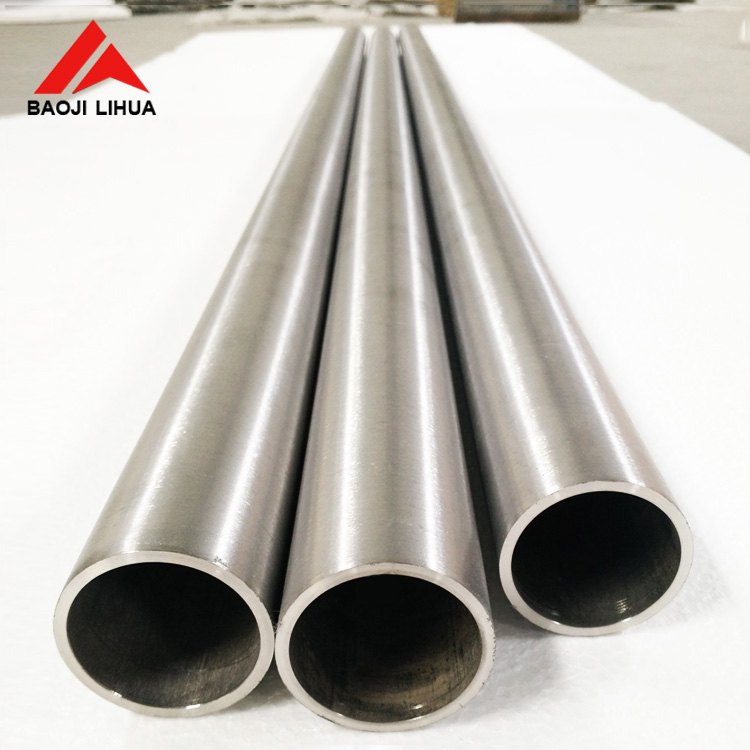
In facilities such as the Plaju-Sungai Gerong refining complex and major agricultural fertilizer operations like PT Pupuk Sriwidjaja (PUSRI), piping networks handle volatile hydrocarbon streams, wet hydrogen sulfide (H2S), hot chloride environments, and concentrated nitric and sulfuric acids. Standard austenitic stainless steels (such as SS304 or SS316L) routinely suffer pitting and catastrophic stress failure under localized thermal and chloride cyclic loading. As a dedicated precision manufacturer based in Baoji—China's Titanium Valley—with global delivery routes, Jovzi Titanium delivers high-integrity Nickel 200/201, Monel (Ni-Cu), Inconel (Ni-Cr-Fe), Hastelloy (Ni-Mo-Cr), and CP/Alloy Titanium pipes engineered to meet strict ASME, ASTM, and DIN constraints.
Understanding regional compliance, including Indonesia's SKK Migas specifications, SNI (Standar Nasional Indonesia), and international standards (ASTM B161, B163, B167, B444, B622), enables our metallurgy team to supply direct, fully traceable piping systems to EPC contractors and engineering procurement managers operating across South Sumatra.
Industrial Applications Across the Palembang Basin
Engineering deployment scenarios where nickel and titanium piping networks outperform conventional alloys under aggressive operating parameters.
Refining & Petrochemical Synthesis
Deployed within hydrocracker units, amine treaters, and distillation reboilers around Plaju. Incoloy and Inconel seamless pipes maintain microstructural stability at temperatures exceeding 650°C while resisting polythionic acid stress cracking.
Fertilizer & Agrochemical Production
Serving the massive PUSRI complexes along the Musi River, our pure Nickel 200/201 and Hastelloy pipes resist concentrated caustic soda, urea melt crystallization loops, and aggressive nitric acid stripping phases where standard steels corrode rapidly.
Geothermal & Thermal Power Stations
South Sumatra's vast geothermal reservoirs produce high-enthalpy steam laden with hydrogen sulfide, carbon dioxide, and silica. Titanium Gr2/Gr7 and Nickel-Chromium piping resist heavy scaling, non-condensable gas attack, and steam erosion.
Musi River Marine & Desalination Plants
The brackish, silt-heavy waters of the Musi River require robust heat-exchanger tubing. Titanium CP Grade 2 and Monel 400 tubing eliminate micro-fouling corrosion and velocity-induced impingement under high water flow rates.
Pulp & Paper Bleaching Lines
Surrounding Ogan Komering Ilir (OKI) houses major industrial pulp processing facilities. Titanium Grade 2 and nickel alloys withstand chlorine dioxide (ClO2) bleaching stages that dissolve standard 300-series steels within weeks.
Coal Bed Methane & Gas Transmission
Exploiting the deep South Sumatra basin, gas extractors utilize high-yield titanium and corrosion-resistant alloy tubing for sub-surface gathering manifolds exposed to sour gas (H2S-CO2-water) conditions.
Comprehensive Metallurgy Specification Matrix: Nickel & Titanium Alloys
Precision selection requires evaluating minimum tensile properties, yield strength thresholds, and operational media resistance. Below is an engineering overview of grades supplied to the Palembang regional market:
| Material Grade | UNS / Norm | Tensile (MPa min) | Yield 0.2% (MPa min) | Key Corrosion & Chemical Resistance Profile |
|---|---|---|---|---|
| Nickel 200 / 201 | UNS N02200 / N02201 | 380 / 345 | 105 / 70 | Unsurpassed resistance to dry halogens and caustic alkalis (NaOH/KOH) up to molten states. |
| Monel 400 | UNS N04400 | 480 | 195 | Superior protection against hydrofluoric acid, non-oxidizing salts, and high-velocity river/marine currents. |
| Inconel 625 | UNS N06625 | 827 | 414 | Molybdenum-niobium matrix provides pitting (PREN > 45) and thermal fatigue resistance up to 980°C. |
| Hastelloy C-276 | UNS N10276 | 690 | 283 | Exceptional resistance to wet chlorine, hypochlorite, chlorine dioxide, and strong oxidizing salts. |
| Titanium Gr2 (CP) | UNS R50400 | 345 | 275 | Optimal strength-to-weight ratio, complete seawater resistance, outstanding performance in oxidizing acids. |
| Titanium Gr7 (Ti-Pd) | UNS R52400 | 345 | 275 | Palladium micro-addition provides extreme resistance to low-pH reducing crevice corrosion. |
* All raw heats undergo hydrostatic testing, ultrasonic examination (UT per ASTM A388/E213), eddy current inspection, and EN 10204 3.1 material test certification.
South Sumatra Industrial Modernization Trends (2025–2030)
The industrial footprint of South Sumatra is progressing rapidly through major national strategic initiatives. Three major trends govern industrial pipe sourcing in the Palembang zone:
1. Downstream Carbon Capture and Hydrocarbon Cleanliness (Decarbonization): Modernization projects across the Refinery Unit III Plaju prioritize energy transition mechanisms, including green refinery processing (HVO - Hydrotreated Vegetable Oil and bio-refining). These biochemical routes create aggressive organic acid streams, necessitating Inconel 625 and Hastelloy C-276 alloys over standard carbon or stainless steels.
2. Coal Gasification and Value-Addition Mandates: With Indonesia holding some of the world's largest lignite and sub-bituminous coal deposits in Tanjung Enim (adjacent to Palembang), DME (Dimethyl Ether) and coal-to-chemical plants require piping infrastructures capable of withstanding cyclic syngas erosions, slagging environments, and high-pressure steam at 1,000°C.
3. Geothermal Acceleration Across the Bukit Barisan Range: As clean baseload energy expansion targets increase across Lumut Balai and neighboring power zones, sour steam transport necessitates titanium grade 2/7 alloys and nickel-chromium tubing to eliminate costly plant shutdowns caused by H2S cracking.
Why Jovzi Titanium Industry Is Your Trusted Global Partner
Direct from China's premier metallurgical production hub in Baoji to the Port of Boom Baru and Tanjung Api-Api.
Baoji Manufacturing Base
Founded in 2006, our 3,000 m² production facilities integrate vacuum arc remelting, precise cold drawing, pilgering, and automated CNC machining.
Rigorous Testing Protocols
Every order is cross-inspected by certified independent testing authorities, including the BaoTi Test Center, verifying chemistry, microstructures, and tensile limits.
Complete Traceability
Full EN 10204 3.1 certification accompanied by raw heat numbers, ultrasonic test (UT) reports, and dimensional inspection sheets in every crate.
Export & Logistics Mastery
With an 81–90% export ratio, we manage reliable sea freight (FCL/LCL) directly into Indonesian discharge ports, including Palembang, Jakarta, and Surabaya.
Frequently Asked Questions: Palembang Procurement & Engineering
Clear, direct answers regarding compliance, material testing, minimum order thresholds, and logistical support for Indonesian industrial buyers.
What specific documentation is provided to satisfy Indonesian project audits?
How do seamless nickel alloy pipes compare with welded configurations for refinery service?
What are typical lead times and logistics routes from Baoji to Palembang?
Can Jovzi produce custom pipe spools, flanges, and machined components to engineering drawings?
What are the minimum order quantities (MOQ) and accepted trade terms?
Accelerate Your Palembang Infrastructure Project
Connect directly with our engineering procurement desk. Request mill quotes, technical data sheets, and custom fabrication assessments for high-pressure nickel and titanium systems.
Get a Quote