Precision Titanium Valves & Associated Metallurgy Products
Engineered to ASTM B348, B381, B363, and ASME B16.5 / B16.34 standards. Every component is produced in China's Titanium Valley (Baoji) with full EN 10204 3.1 chemical and mechanical traceability for Massachusetts engineers.
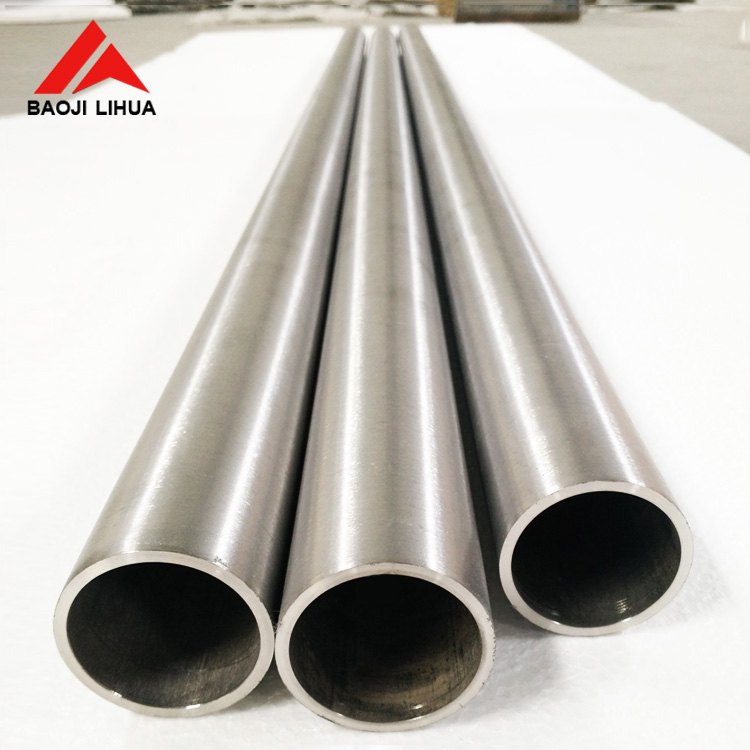
Gr1/2/9 Titanium Pipe & Tube for Flow Systems
Available in 38mm to 102mm diameters. High ductility, superior hydro-forming capability, and pitting resistance in acidic and saline environments.
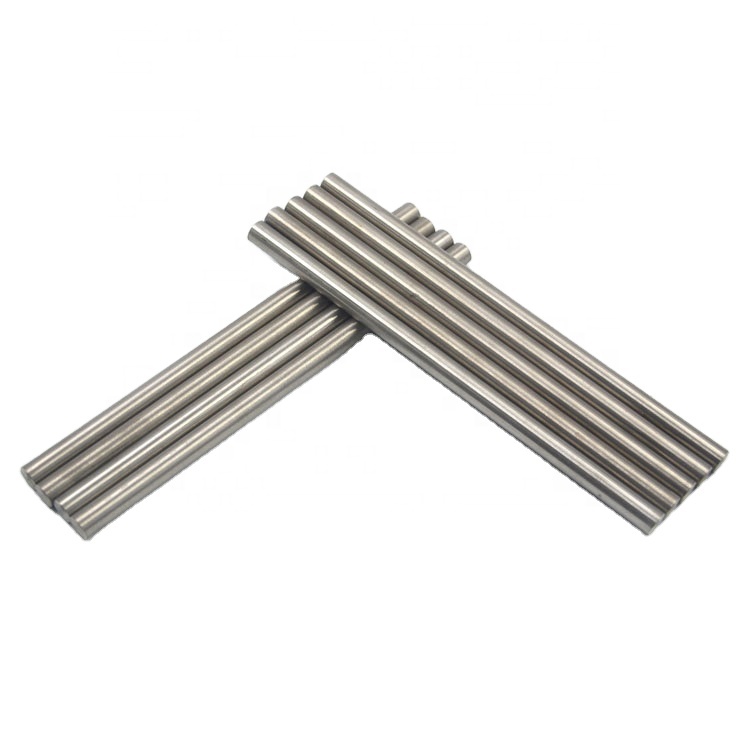
Superelastic Nickel-Titanium Shape Memory Nitinol Bar
Custom phase transition temperatures (-20°C to +80°C). Widely specified by Boston biotech hubs and robotic surgical instrument developers.
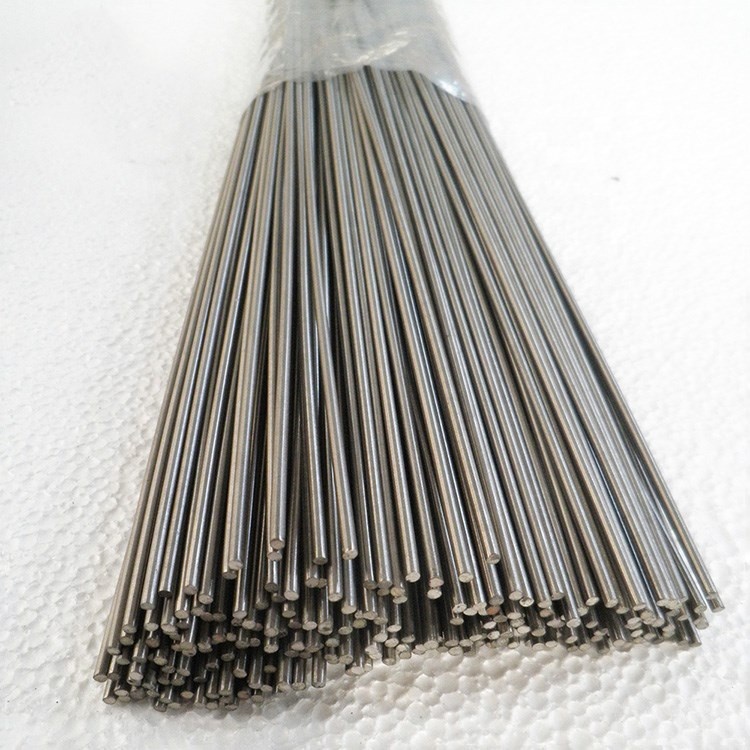
High-Tensile Thin Titanium Solid Rods & Core Bars
Precision ground solid titanium alloy bars featuring elastic resilience, corrosion immunity in North Atlantic seawater, and lightweight balance.
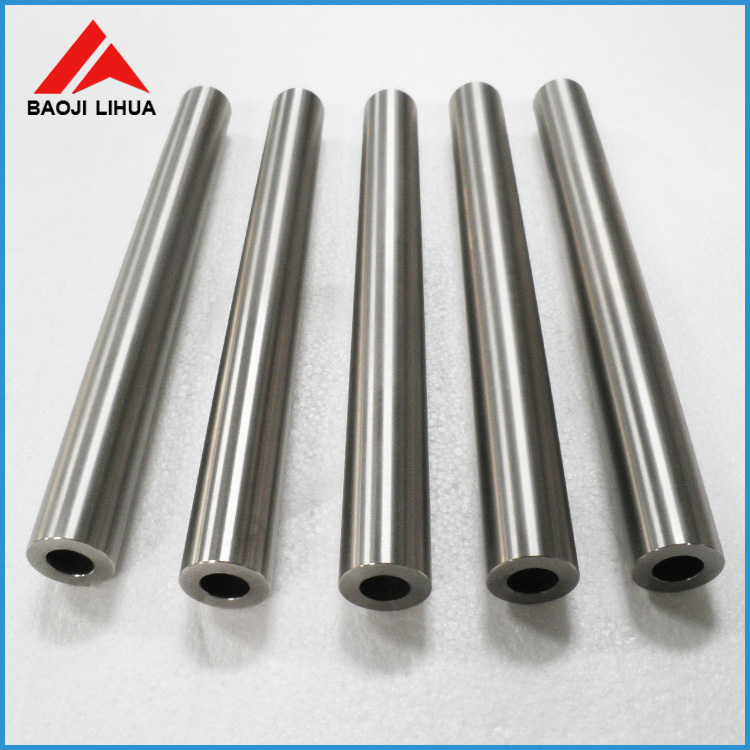
Titanium Gr2 / Gr7 Industrial Corrosion-Resistant Pipes
Seamless or welded pipes with palladium trace alloy (Gr7) for aggressive reducing acids, localized crevice corrosion defense, and autoclave fluidics.
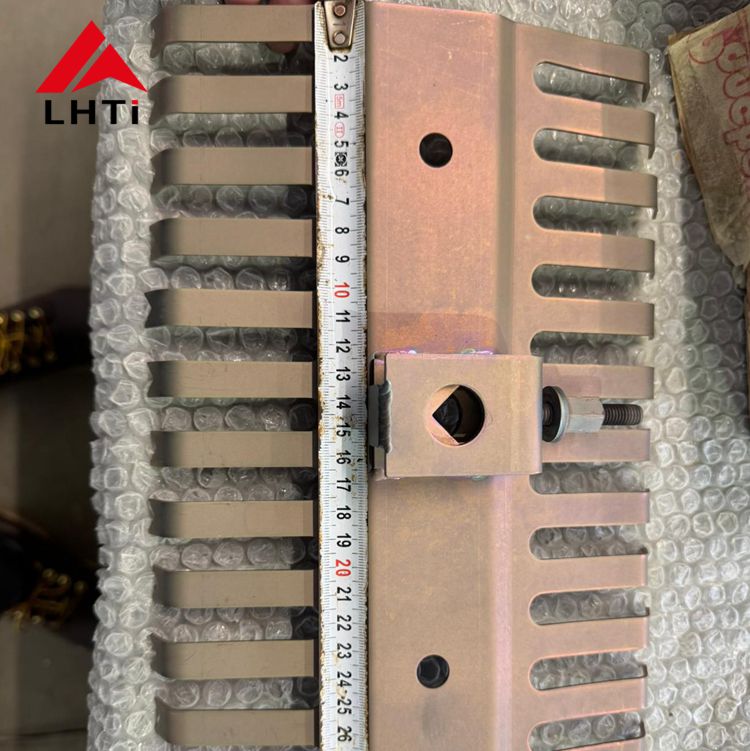
Gr2 Customized Titanium Rack & Fixture Assembly
Non-reactive, high-conductivity custom titanium jigging structures engineered for automated pharmaceutical anodizing and precision cleanroom electro-dipping.
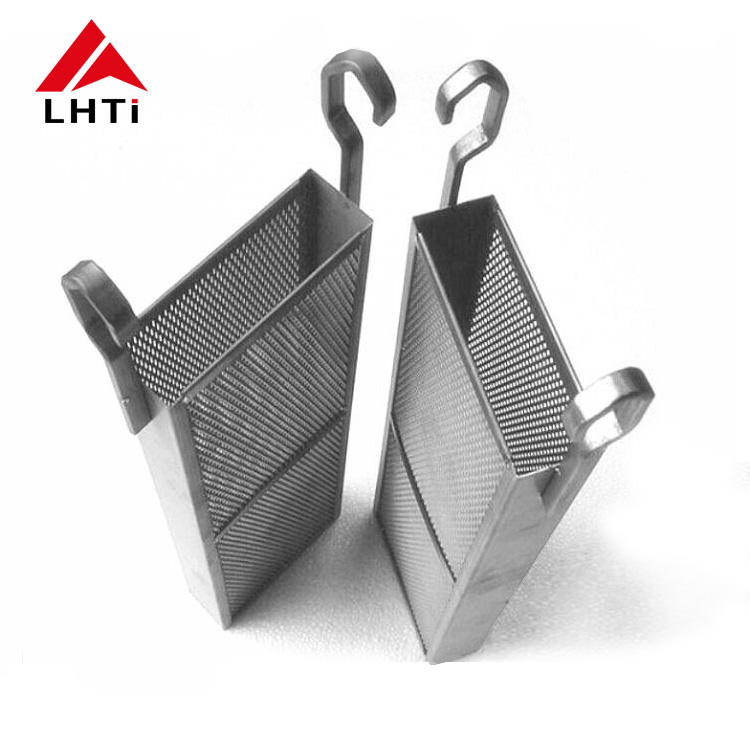
Gr2 Titanium Anode Basket & Mesh for Chemical Industry
Micro-welded spot construction with 5x10mm diamond mesh. Maintains structural geometry and zero bath contamination throughout continuous acidic cycles.
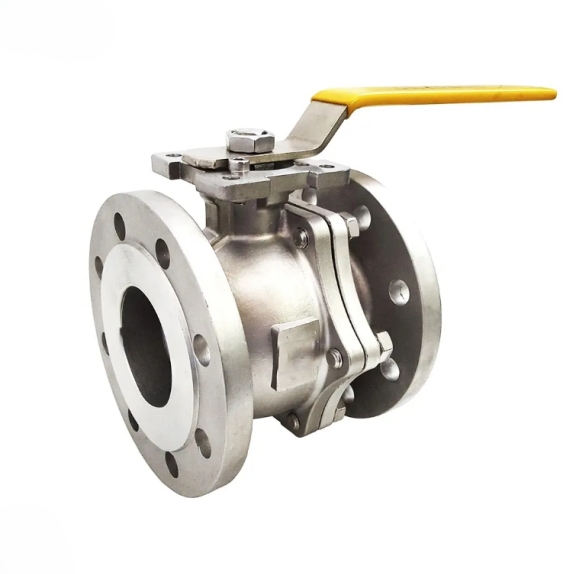
Titanium Flange Ball Valve 150 LB / 300 LB ASME B16.5
Engineered for full-port, zero-leakage isolation. Fitted with Gr2 or Gr5 body, anti-blowout stem, ISO 5211 direct mounting pad, and virgin PTFE or PEEK seats.
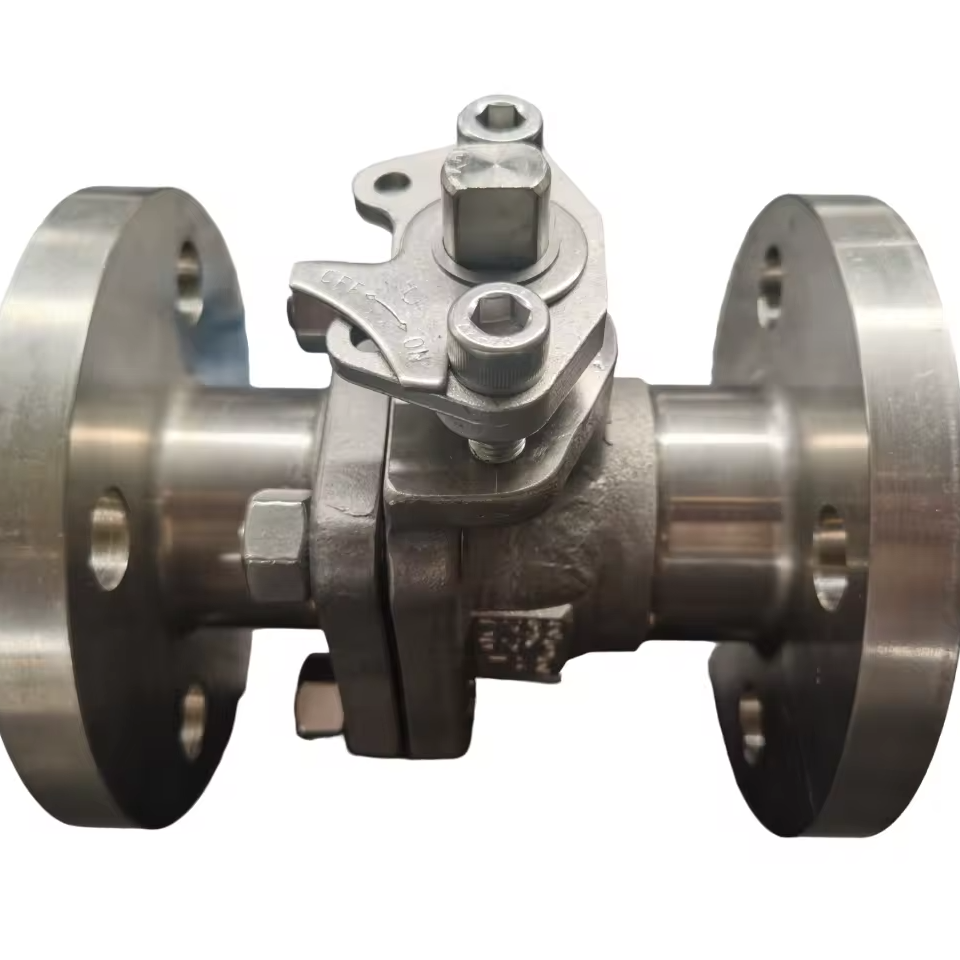
Custom Titanium Alloy Solid & Hollow Floating Valve Ball
Mirror-polished Ra < 0.1 μm surface finish in Gr2, Gr5, and Gr12. Reduces operating torque by up to 35% in high-pressure automated fluid skids.
Metallurgical Integrity & Valve Engineering for Critical Flow Infrastructure
In corrosive fluid processing, pharmaceutical bioseparation, and marine science, selecting the right valve metallurgy is not just about avoiding early plant replacement—it is a critical safety and compliance necessity. Jovzi Titanium Industry Co., Ltd. serves the greater Boston and New England industrial ecosystem with high-performance titanium ball valves that offer zero crevice corrosion, structural strength at elevated temperatures, and superior weight reduction compared to conventional duplex stainless steels.
Spontaneous Passivation
Upon atmospheric exposure, Grade 2 and Grade 7 titanium instantly regenerate an unyielding, adherent titanium dioxide (TiO2) film. This micro-layer resists localized pitting, cavitation, and stress corrosion cracking in aggressive wet chlorine, bromine, and marine waters.
Micro-Finished Sealing Interface
Our hollow and solid floating titanium valve balls achieve a sphericity tolerance under 0.01 mm with diamond mirror finishing (Ra < 0.1 μm). This surface precision minimizes mechanical friction against PTFE, RTFE, or PEEK valve seats, dramatically extending seat cycle longevity.
Weight Reduction & Structural Safety
With a density of approximately 4.51 g/cm³, titanium provides 45% weight savings compared to equivalent ANSI 316L or Hastelloy ball valves. This advantage reduces cantilever pipe stress, lowers skid tare weight, and simplifies modular cleanroom skid architecture.
Titanium Ball Valve Material Selection Matrix
Procurement engineers across Cambridge, Waltham, and the Boston Seaport can reference the following ASTM and ASME specification breakdown to ensure optimal selection between commercially pure titanium and palladium-enhanced alloys:
| Titanium Grade | UNS Designation | Yield Strength (Min) | Tensile Strength (Min) | Primary Corrosion Defense | Typical Boston Application |
|---|---|---|---|---|---|
| Gr2 (CP Titanium) | UNS R50400 | 275 MPa (40 ksi) | 345 MPa (50 ksi) | Oxidizing media, seawater, chlorides, mild organic acids | Boston Harbor desalination, seawater intake, bioprocess RO loops |
| Gr5 (Ti-6Al-4V) | UNS R56400 | 828 MPa (120 ksi) | 895 MPa (130 ksi) | High strength-to-weight, erosion-cavitation resistance | High-pressure offshore subsea sampling, compact automated skids |
| Gr7 (Ti-0.15Pd) | UNS R52400 | 275 MPa (40 ksi) | 345 MPa (50 ksi) | Extreme reducing acids, low pH chloride crevices | Pharma chemical synthesis, harsh hydrochloric acid dosing lines |
| Gr12 (Ti-Mo-Ni) | UNS R53400 | 345 MPa (50 ksi) | 483 MPa (70 ksi) | Intermediate strength, elevated temperature crevice defense | High-temperature heat exchanger loops, LNG vaporizers |
High-Purity & Severe-Service Flow Control in Greater Boston
From Kendall Square biopharma facilities to marine research laboratories on Cape Cod and Boston Harbor maritime infrastructure, discover where titanium ball valves solve critical engineering challenges.
Biopharmaceutical Fermentation
In the bioprocessing hubs of Cambridge, Boston, and Framingham, ultra-pure water loops, buffer preparation, and high-salinity sterile media introduce chloride stress that destroys 316L stainless steel through localized pitting. Grade 2 titanium flanged valves provide a biologically inert surface with zero trace metal leaching, guaranteeing product purity during downstream filtration.
Marine Sciences & Oceanography
Boston Harbor, Woods Hole Oceanographic Institution, and regional universities rely on autonomous underwater vehicles (AUVs) and continuous seawater intake systems. Titanium Class 150 ball valves withstand constant North Atlantic saltwater exposure without microfouling decay or galvanic deterioration, providing decades of zero-maintenance operation.
LNG Bunkering & Marine Fuel Terminals
The Mystic River and Boston Harbor marine terminal network handle liquefied natural gas and cryogenic transfer. Titanium's hexagonal close-packed (HCP) crystalline lattice prevents brittle failure under cryogenic temperatures, while its lightweight properties ease mechanical loads on dockside marine manifolds.
Advanced Chemical Synthesis
Specialty chemical manufacturers throughout Massachusetts managing chlorinated solvents, ferric chloride catalyst dosing, and acetic acid mixtures require reliable shutoff solutions. Our Gr7 (titanium-palladium) valves prevent the rapid under-gasket crevice corrosion commonly experienced with nickel alloys.
University Material R&D Laboratories
Academic test facilities across MIT and Harvard often design high-pressure autoclave reactors requiring custom titanium balls, exotic port orientations (3-way L-port / T-port), and precision micro-metering. We provide direct OEM prototyping from CAD drawings with fast delivery.
Naval Defense & Coastal Security
Building on New England's long-standing shipbuilding and naval engineering heritage, naval auxiliary cooling lines, sonar fairing equipment, and torpedo launch systems utilize titanium flow valves for shock resistance, non-magnetic properties, and long-term seawater survivability.
Emerging Procurement Trends Shaping New England Valve Specifications
Industrial equipment sourcing in Greater Boston is undergoing a significant transformation. Procurement directors are moving away from short-term initial purchase cost toward Total Cost of Ownership (TCO) calculations. The key industry dynamics driving this shift include:
1. Transition from Duplex Steels to Pure Titanium
While Super Duplex 2507 and 6-Moly alloys offer reasonable resistance to chloride attack, localized micro-crevice corrosion under valve gaskets remains common. Boston facility engineers are increasingly specifying Grade 2 and Grade 7 titanium valves to avoid unplanned shutdown costs during scheduled bioprocess sanitization or continuous sea-water circulation.
2. Automated Actuation & Direct-Mount Standardization
With the rapid rise of digitized smart manufacturing, manual lever ball valves are rapidly being upgraded to automated packages. Our titanium ball valves feature precision-cast ISO 5211 mounting pads and square drive stems, enabling direct integration of pneumatic or electric actuators without bracket misalignment.
3. Stringent Material Verification & Traceability Audits
Federal regulatory oversight and FDA bioprocessing requirements in Massachusetts mandate complete origin transparency. Every Jovzi Titanium valve assembly is stamped with distinct heat lot numbers directly cross-referenced to independent BaoTi Test Center EN 10204 3.1 inspection certificates.
4. Low-Torque Hollow Ball Engineering
Energy efficiency initiatives across regional pharmaceutical campuses have heightened demand for lower actuation break-away torque. Our hollow floating ball technology decreases mass without sacrificing wall strength, allowing automated installations to utilize smaller, lower-power actuators.
Crafted in Baoji, China's Titanium Valley Since 2006
Operating out of the Gaoya Industrial Zone in Baoji, Shaanxi, Jovzi Titanium Industry Co., Ltd. is an ISO 9001 certified manufacturer with over 19 years of international export experience. Our engineering staff, including 4 senior metallurgists and 5 precision process engineers, transforms raw sponge and mill-certified titanium ingots into high-tolerance valves, forgings, fasteners, and fluid pipeline fittings.
Documented Quality Standards
- ISO 9001 Quality System: Every step from raw ingot selection to hydro-testing adheres to strict quality procedures.
- EN 10204 3.1 Certification: Complete chemical analysis and physical tensile/yield documentation with every valve shipment.
- API 598 Pressure Testing: 100% shell hydrostatic testing and low-pressure resilient seat leakage verification before crating.
- ASTM & ASME Compliance: Fully compliant with ASTM B348, B381, B363, ASME B16.5, and DIN 912 fastener standards.
Frequently Asked Questions by Boston Valve Buyers
Comprehensive answers addressing common questions regarding engineering certifications, minimum order quantities, lead times, and application compatibility.