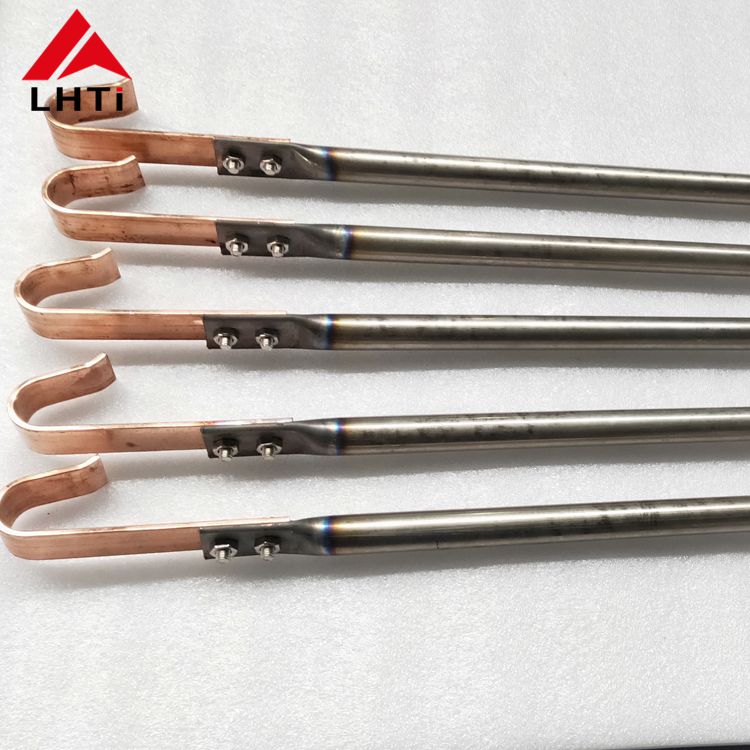
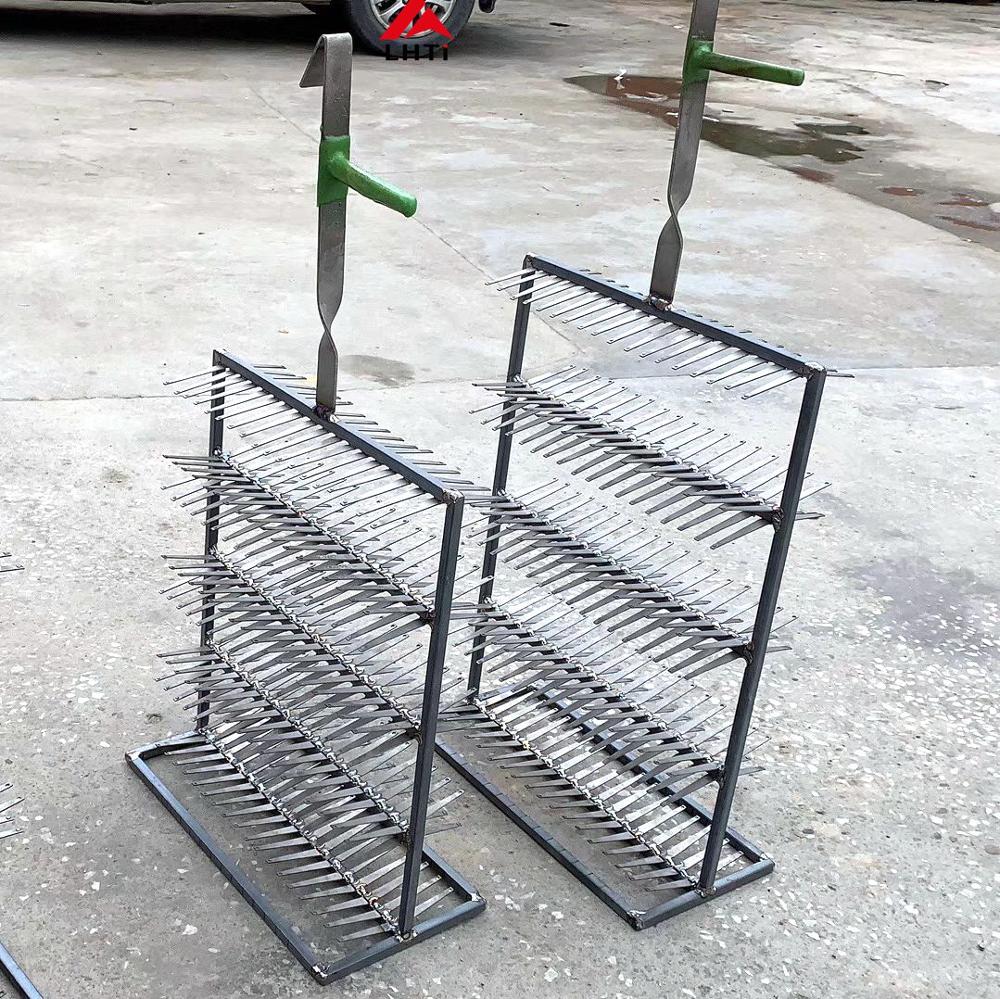
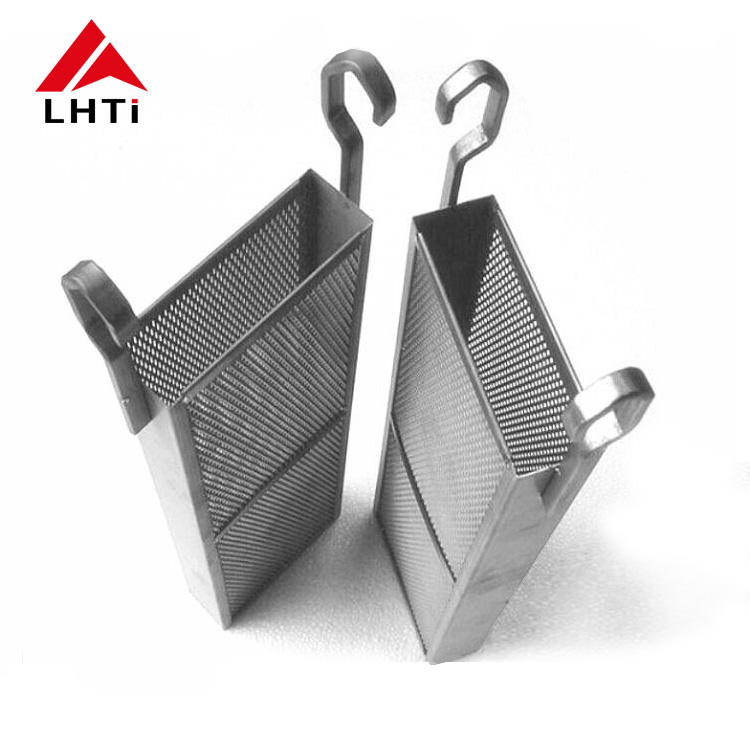
Anodizing Gr2 Titanium Shaft with Copper Hook for Plating
- Grade: Gr2 (Commercial Pure)
- Conductivity: Copper Core Clad
- Resistance: Acid & Thermal Plating
Supplying marine engineering, thermal operations, and specialized equipment fabricators serving the Soufrière and Eastern Caribbean industrial sectors.
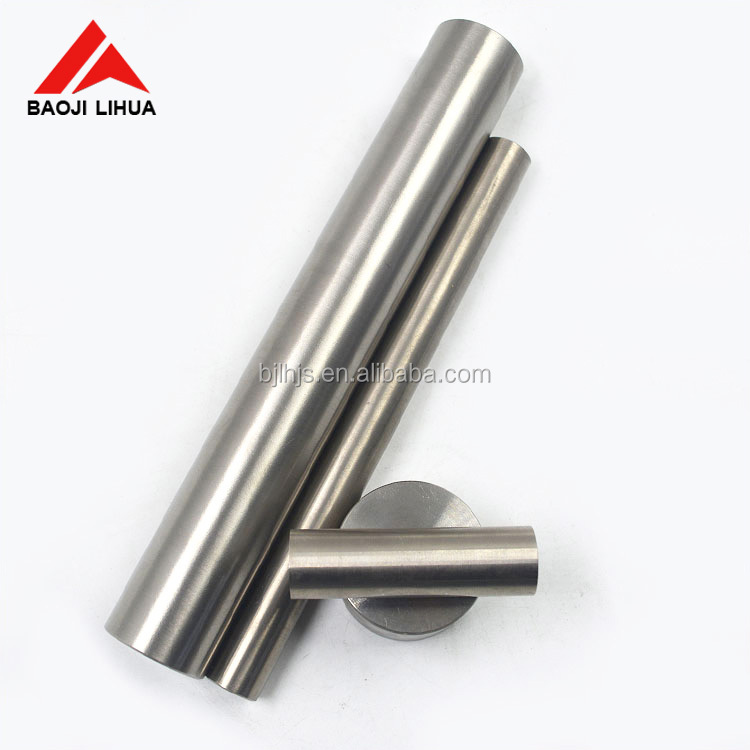
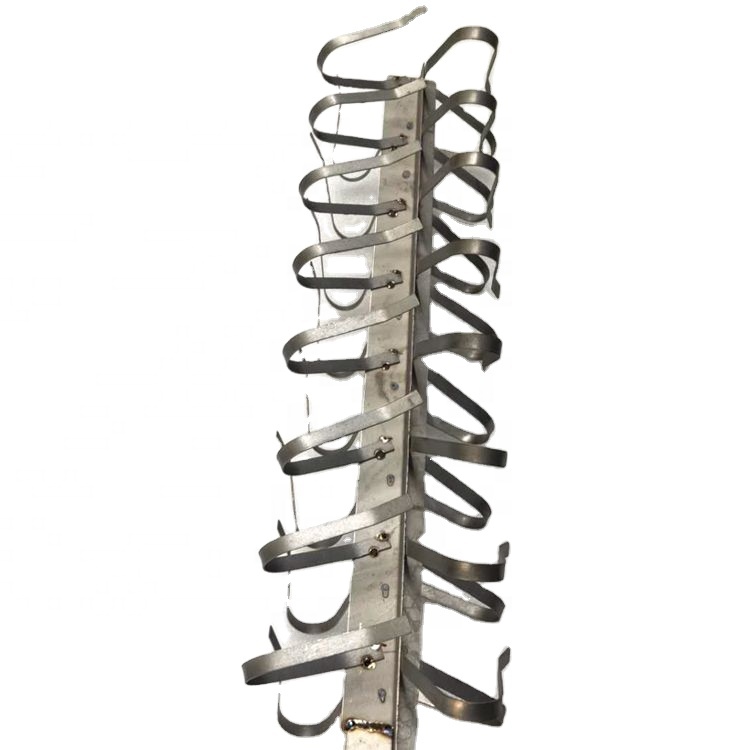
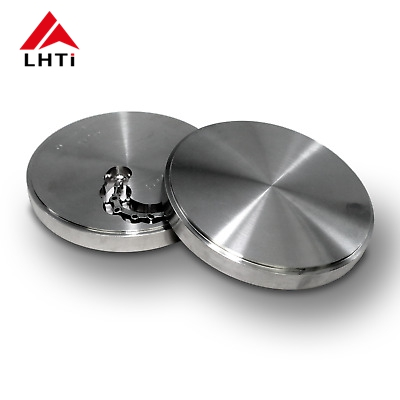
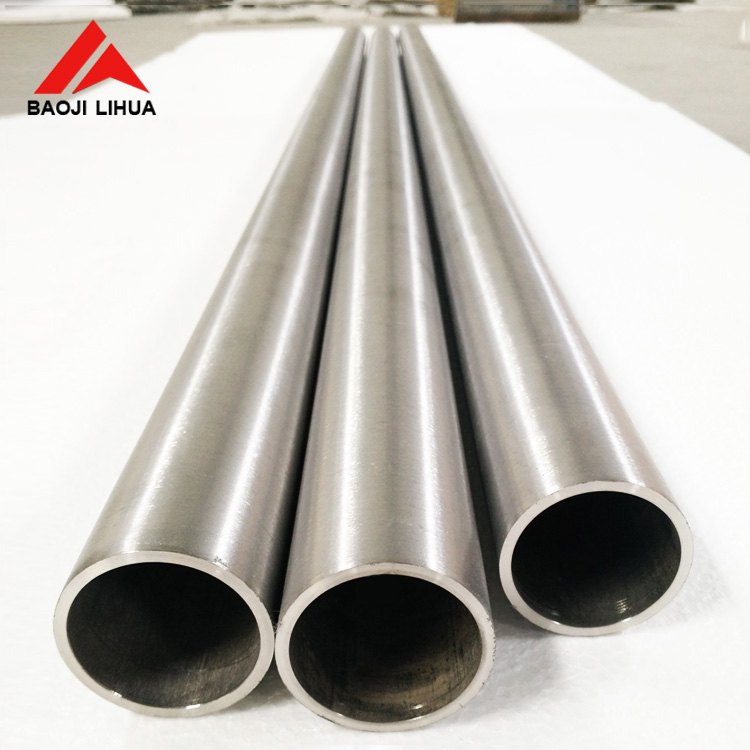
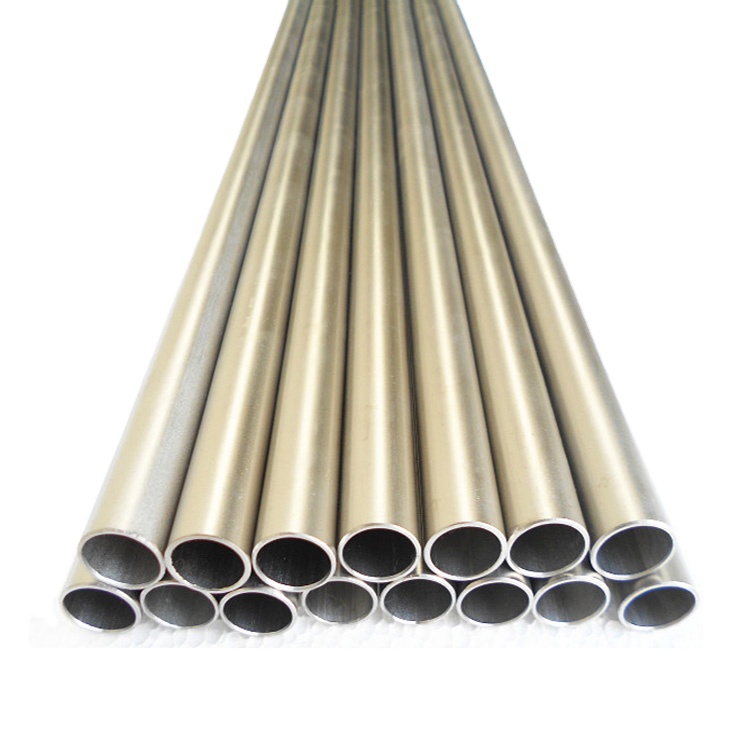
Procuring structural metal feedstocks within tropical volcanic terrains requires rigorous metallurgical scrutiny. Sourcing OEM/ODM Titanium Hex Bars for installation or fabrication within the Soufrière district of Saint Lucia demands an alloy selection capable of withstanding corrosive phenomena rarely encountered in conventional manufacturing centers. Known globally for its geothermal activity, volcanic solfataras, and exposed coastal interfaces, Soufrière exposes mechanical hardware to a hyper-aggressive cocktail of airborne hydrogen sulfide ($H_2S$), sulfur dioxide ($SO_2$), geothermal steam, high ambient humidity, and chloride-laden maritime air.
Conventional austenitics like AISI 304 and 316 stainless steels exhibit acute susceptibility to pitting, stress corrosion cracking (SCC), and sulfide stress corrosion when exposed to continuous geothermal condensates and chloride ions. In contrast, commercially pure titanium (Grade 2) and structural alpha-beta alloys (Grade 5 / Ti-6Al-4V, UNS R56400) form an instantaneous, ceramic-like, self-passivating titanium oxide ($TiO_2$, primarily rutile and anatase) film upon contact with oxygen. This passive surface barrier remains exceptionally stable at elevated temperatures and under acidic condensing vapors, giving ASTM B348 Titanium Hexagonal Bars unmatched longevity when machined into hex-drive fasteners, valve manifolds, sensor housings, and pump shafts.
| Titanium Grade | UNS / Composition | Yield Strength (Min) | Tensile Strength (Min) | Geothermal & Marine Resistance Mechanism |
|---|---|---|---|---|
| Grade 2 (CP-3) | UNS R50400 (Pure Ti) | 275 MPa (40 ksi) | 345 MPa (50 ksi) | Immune to general corrosion in seawater; exceptional resistance to dissolved sulfur species and organic condensates. |
| Grade 5 (Ti-6Al-4V) | UNS R56400 (6% Al, 4% V) | 828 MPa (120 ksi) | 895 MPa (130 ksi) | High strength-to-density ratio; resilient against erosive cavitation in geothermal brine steam valves and deep-sea winches. |
| Grade 7 (Ti-0.15Pd) | UNS R52400 (CP + Palladium) | 275 MPa (40 ksi) | 345 MPa (50 ksi) | Pd addition suppresses crevice corrosion in acidic chloride-sulfur systems under low-pH boiling thermal solutions. |
| Grade 12 | UNS R53400 (0.3Mo - 0.8Ni) | 345 MPa (50 ksi) | 483 MPa (70 ksi) | Cost-effective crevice and reducing acid resistance up to 300°C without palladium premium. |
As an ISO 9001:2015-certified OEM/ODM production mill operating in the heart of China's "Titanium Valley" in Baoji, Jovzi Titanium Industry Co., Ltd. coordinates every production stage—from vacuum consumable arc remelting (VAR) sponge melting to bar extrusion, precision hex cold drawing, centerless peeling, and annealing. By maintaining precise metallurgical homogeneity, our hex bars provide isotropic mechanical properties, ensuring flawless CNC turning, broaching, threading, and milling for engineering applications throughout Soufrière and the greater Lesser Antilles.
Analyzing the functional integration of custom-machined titanium hex stocks in the regional industrial, energy, and maritime infrastructure.
Soufrière's volcanic landscape—anchored by the Qualibou caldera and Sulphur Springs—provides significant geothermal potential. Converting superheated steam into electrical power requires steam trap valves, wellhead instruments, and heat-exchanger tie rods that resist wet $H_2S$ and chloride cracking. Custom-machined Gr7 and Gr12 titanium hex bolts and valve stems eliminate galvanic rot and catastrophic hydrogen-induced embrittlement.
Operating out of Soufrière Bay, local catamaran tour fleets, fishing vessels, and luxury yachts face intense galvanic and seawater attack. Gr5 titanium hex bars are machined directly into high-tensile propeller shaft couplers, underwater rudder pins, winch capstans, and anchor swivels. Because titanium is completely inert to stagnant seawater and microbiological colonization, it eliminates maintenance cycles for hull-penetrating hardware.
With clean municipal water relying increasingly on coastal reverse-osmosis (SWRO) facilities, high-pressure desalination pumps operate under severe chloride conditions. Titanium hex bars are converted into manifold tie bolts, pump impellers, and plunger shafts that endure brine pressures exceeding 70 bar, preventing chloride pitting and crevice corrosion under elastomeric seals.
Industrial procurement across Saint Lucia and CARICOM is shifting from short-term initial-cost considerations to comprehensive Life Cycle Costing (LCC). Historically, regional engineers relied on 304 or 316L stainless steel for coastal and processing plants due to lower entry prices. However, in regions like Soufrière where coastal salt spray mixes with acidic sulfur emissions, stainless steel components routinely fail within 12 to 24 months due to chloride-induced pitting, stress corrosion cracking, or galvanic corrosion.
Replacing corroded hardware—taking into account system downtime, offshore freight logistics, custom clearing delays, and specialized labor—costs up to ten times the original component value. Modern engineering projects are increasingly adopting Life-Cycle Sourcing, specifying ASTM B348 Gr2 and Gr5 titanium hex stock for exposed infrastructure. While the initial raw material investment is marginally higher, titanium provides a decades-long service life with zero material degradation, no protective painting or sacrificial zinc anodes needed, and complete resistance to localized atmospheric attacks.
Concurrently, the transition toward clean energy exploration, hydrothermal monitoring, and ecotourism infrastructure near the UNESCO Pitons Management Area requires resilient, non-toxic, and biocompatible materials. Titanium releases zero toxic heavy metals into sensitive coral and marine reserves, aligning with Saint Lucia’s environmental protection guidelines.
Rooted in China's Titanium Valley since 2006, delivering verified manufacturing and material consistency worldwide.
Located in Gaoya Industrial Zone, Baoji, we secure virgin sponge titanium directly from Tier-1 domestic smelters. Our vertical production integrates vacuum arc melting, rotary forging, multi-axis CNC milling, and cold drawing under one quality management system, avoiding third-party scrap blending.
Every lot ships with traceable EN 10204 3.1 Mill Test Certificates verifying complete chemistry (C, O, N, H, Fe, Ti, Al, V) and room-temperature mechanicals. We coordinate independent third-party physical inspections with the authoritative BaoTi Test Center on request.
All titanium hex bars, rods, and finished parts are wrapped with surface-protective films, separated by cellular dividers, and packed into ISPM-15 compliant, reinforced fumigated timber cases to prevent saltwater damage and surface impact during long-haul sea freight.
Direct technical and commercial answers addressing dimensional tolerance, logistics, alloy selection, and certification.
Whether you require precision hex bars for marine engineering, geothermal exploration, or specialized machining in Soufrière, our senior metallurgists and export team respond within 8 business hours.
Contact Us