Mandrel Tubing
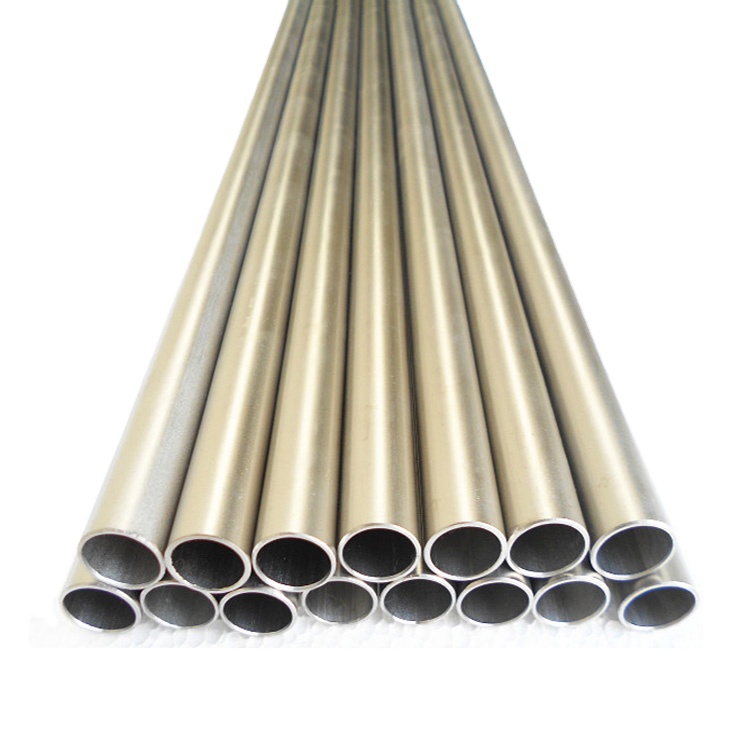
Gr1 GR2 GR5 GR9 Titanium Pipe Tube Exhaust
- GradeCP Gr1 / Gr2, Ti-6Al-4V Gr5, Gr9
- StandardASTM B338 / ASTM B861
- ProcessSeamless Cold-Rolled / TIG Welded
- Wall Gauge1.0 mm, 1.2 mm, 1.5 mm, 2.0 mm
Engineered for maritime harsh environments, subsea robotics, chemical electrolysis, and performance propulsion architectures in the Trondheimsfjord industrial corridor.
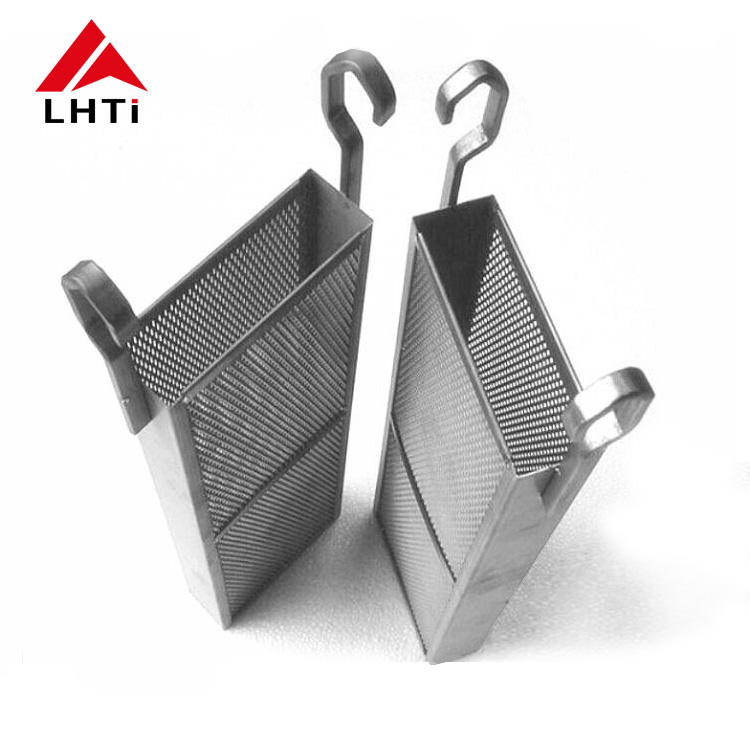
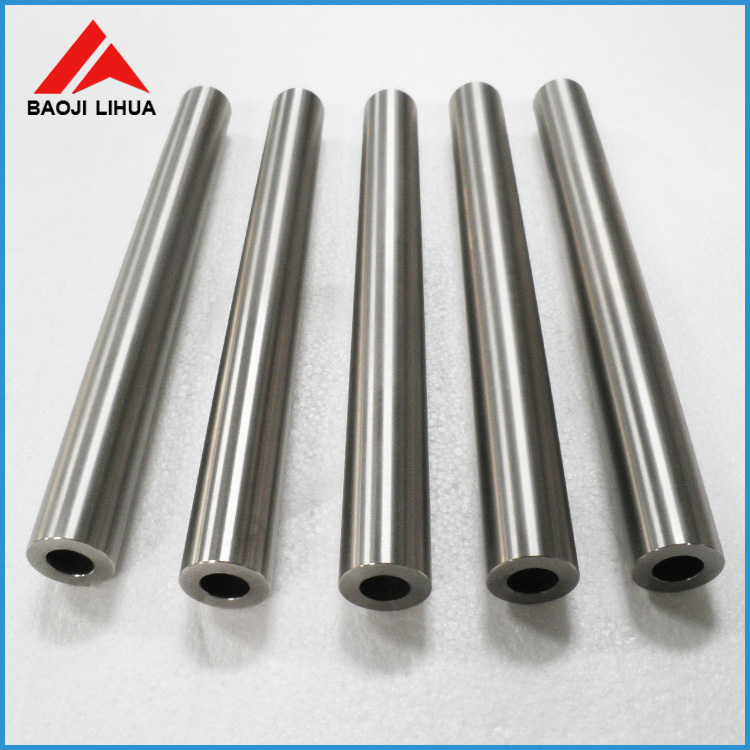
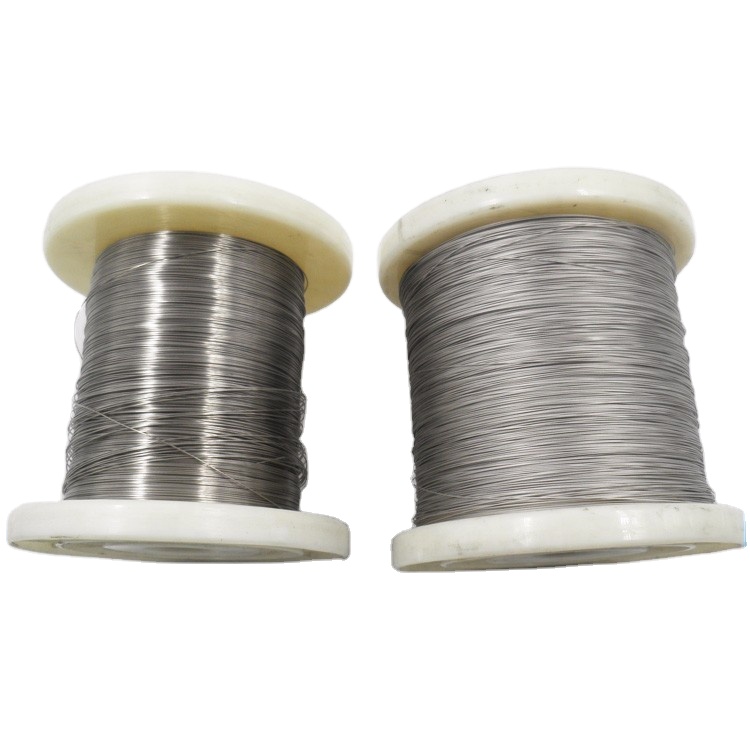
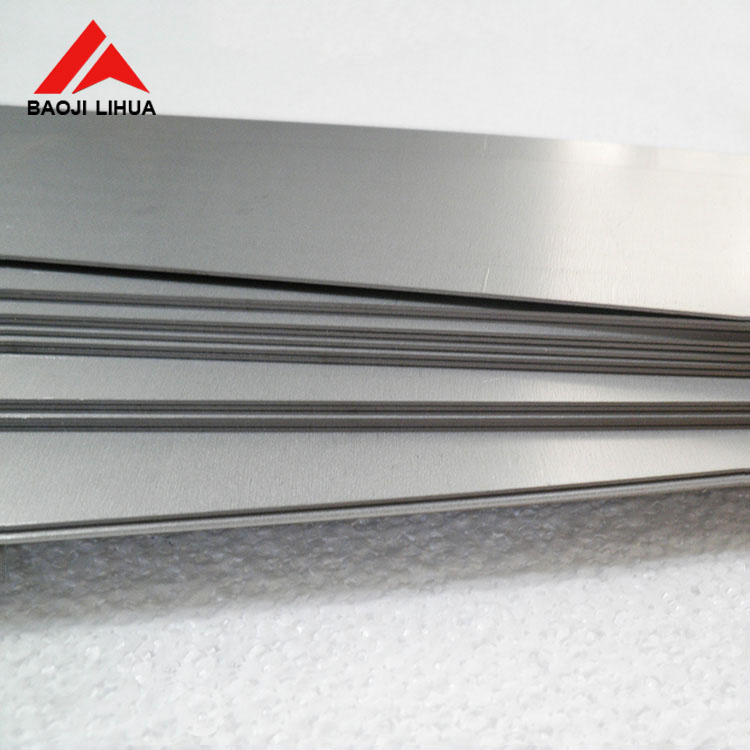
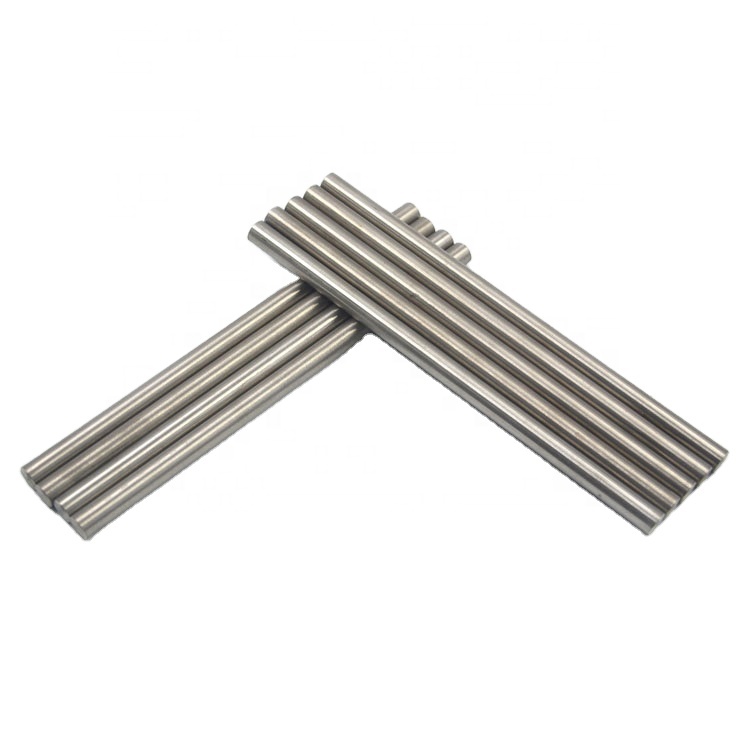
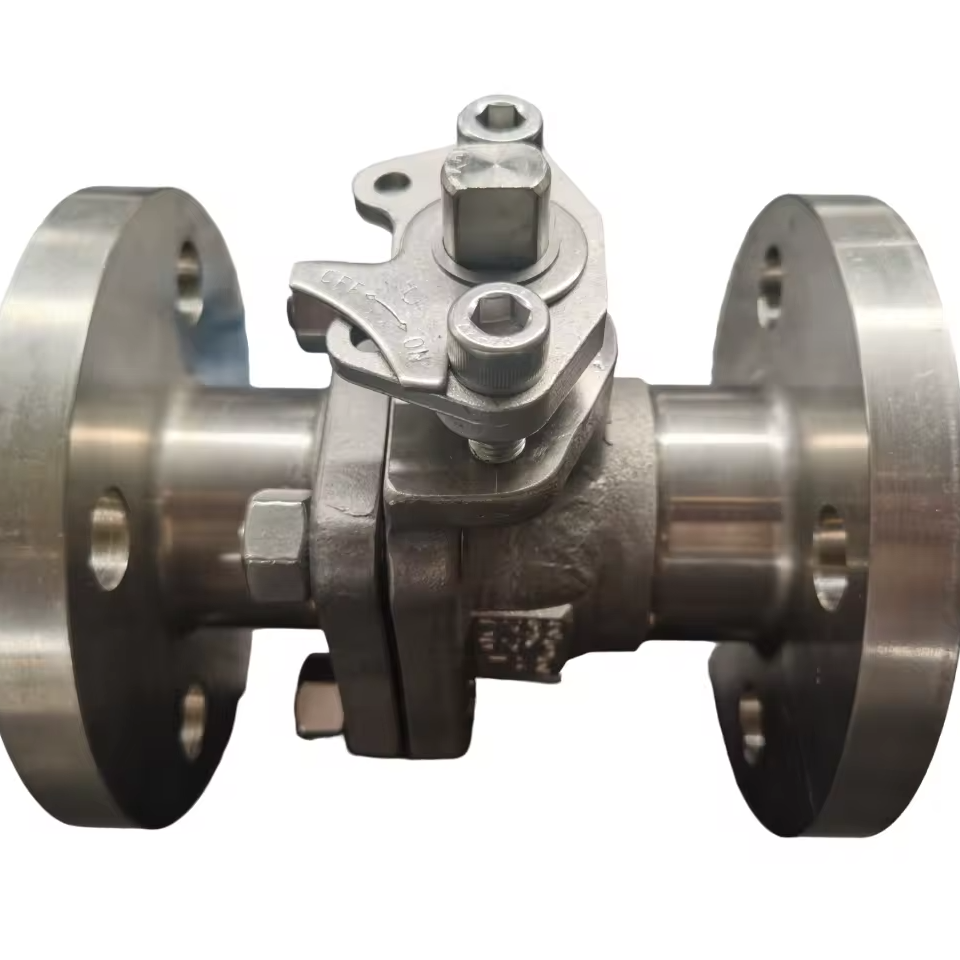
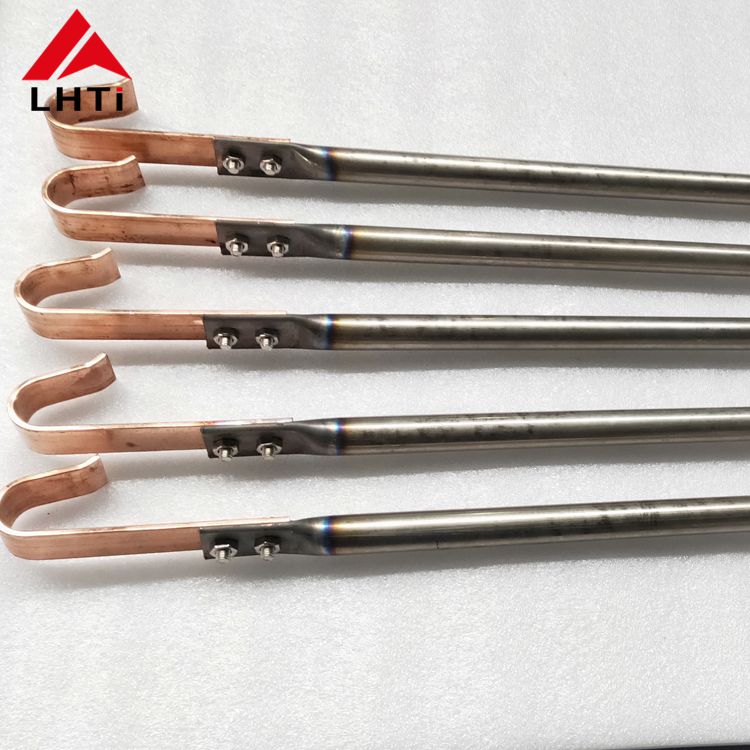
In extreme operating environments, conventional fabrication shortcuts like cut-and-weld pie sections can induce hydrodynamic turbulence, internal exhaust gas boundary drag, and localized thermal fatigue along the heat-affected zones (HAZ). For high-integrity naval propulsion, performance marine racing, and subsea thermal dissipation lines around Trondheim, cold rotary draw mandrel bending is the gold-standard production methodology. As an ISO 9001 certified manufacturer located in Baoji—China's Titanium Valley—Jovzi Titanium Industry Co., Ltd. implements multi-axis CNC mandrel-assisted cold bending that eliminates inner wall wrinkling, suppresses wall-thinning across the outer radius (extrados), and maintains strict cross-sectional roundness (ovality ≤ 1.2%).
Titanium's physical attributes present distinct manufacturing complexities: a relatively low modulus of elasticity (roughly 105 to 115 GPa, approximately half that of austenitic stainless steel) leads to pronounced elastic recovery and springback. Furthermore, titanium exhibits a strong galling tendency when in dynamic contact with conventional tool steels. Our production line resolves these metallurgical constraints through custom-designed aluminum-bronze (Ampco) wiper dies, chromium-nitride (CrN) coated internal articulated ball mandrels, and proprietary zero-chlorine synthetic drawing lubrications.
Our CNC rotary draw equipment leverages real-time laser feedback with dual-axis reverse overbending calculations. Every heat lot of ASTM B338 / ASTM B861 tubing undergoes mechanical pre-testing to configure precise yield strength algorithms, neutralizing batch-to-batch elastic return within ±0.25° angular tolerance.
Through pressurized hydraulic boost die technology applied during bending, longitudinal tensile forces on the outside radius are counteracted. This keeps wall thinning on 1.0 mm and 1.2 mm thin-gauge elbows below 8%, retaining burst pressure ratings and ASME B31.3 piping compliance.
Whenever welding or post-bend annealing is specified, Jovzi operates strict inert shielding protocols. Welding areas maintain oxygen concentrations under 20 ppm utilizing 99.999% pure argon chambers, guaranteeing full absence of alpha-case surface embrittlement and maintaining ductile grain boundaries.
"The metallurgical transition across marine subsea exhaust bends requires absolute control of interstitial elements (Carbon, Oxygen, Nitrogen, and Hydrogen). A minor oxygen uptake of 0.05 wt% can double notch sensitivity and trigger micro-fissuring in sub-zero North Sea and Norwegian fjord marine splash zones."
Located along the southern shores of the Trondheimsfjord, the city of Trondheim serves as the technological epicenter of Norway's maritime research, autonomous shipping, ocean engineering, and aquaculture innovation. Organizations such as SINTEF Ocean, the Norwegian University of Science and Technology (NTNU), and marine industrial clusters centered in Pirbadet and Brattøra demand specialized fluid-conveyance and exhaust architectures. Unlike standard automotive fabrication, components destined for Trondheim operate in cold, saline, oxygen-rich seawater conditions coupled with sulfur-containing combustion exhausts and severe thermal cyclical shifts.
Trondheim's maritime robotics clusters rely on Grade 2 titanium 90° and 180° mandrel return bends for hybrid diesel-electric generator cooling exhaust channels and underwater thermal relief systems, completely eliminating seawater galvanic pitting.
Operating continuously in the harsh waters of Frøya and Hitra, high-speed catamaran service craft experience acute exhaust riser vibration. Lightweight Gr2 and Gr5 exhaust bends eliminate cantilever stress cracking commonly seen in heavy 316L stainless manifolds.
Experimental naval architecture test vessels at NTNU utilize our tight-radius (CLR = 1.0D and 1.5D) mandrel elbows to fit complex twin-turbo exhaust layouts within tightly insulated engine compartments with zero backpressure penalty.
Trondheim-based automotive racing teams and private motorsport fabricators rely on Jovzi's 1.0 mm ultra-lightweight titanium bends, dropping up to 55% of exhaust mass while maintaining structural rigidity at 750°C gas temperatures.
Procurement teams in Norway are frequently caught in the decision loop between austenitic stainless steel (AISI 316L / 1.4404), super duplex (UNS S32750), nickel superalloys (Inconel 625), and titanium alloys (Gr2 / Gr7). In cold coastal environments like Trondheimsleia, wet exhaust systems suffer from exhaust gas condensate containing aggressive sulfurous, nitric, and hydrochloric acids interacting with cold saltwater. Titanium naturally generates an instantaneous, self-healing rutile and anatase titanium dioxide (TiO2) passive film that remains completely inert in seawater at all ambient temperatures.
| Engineering Property | CP Grade 2 (UNS R50400) | Grade 7 (Ti-0.15Pd R52400) | AISI 316L Marine Stainless | Inconel 625 (UNS N06625) |
|---|---|---|---|---|
| Density (g/cm³) | 4.51 (Ultra-light) | 4.51 (Ultra-light) | 8.00 (Heavy) | 8.44 (Very Heavy) |
| Yield Strength (0.2% offset) | ≥ 275 - 380 MPa | ≥ 275 - 380 MPa | ≥ 220 MPa | ≥ 415 MPa |
| Tensile Strength (MPa) | ≥ 345 - 450 MPa | ≥ 345 - 450 MPa | ≥ 520 MPa | ≥ 827 MPa |
| Pitting Resistance Equivalent (PREN) | Immune in Seawater | Supreme / Non-Pitting | PREN ~23 - 25 (Pits in stagnant brine) | PREN ~45 - 50 |
| Crevice Corrosion in Wet Gas Condensate | Resistant up to 80°C | Resistant up to 250°C | Severe risk under deposits | High Resistance |
| Thermal Conductivity (W/m·K) | 16.4 | 16.4 | 16.2 | 9.8 |
| Sub-Zero Ductility (-40°C Trondheim Winter) | No Charpy Ductile-to-Brittle Transition | Maintains High Impact Toughness | Ductile (FCC structure) | Ductile |
| Galvanic Potential in Flowing Seawater | Noble (+0.05 to +0.10 V vs SCE) | Noble (+0.05 to +0.12 V vs SCE) | Active-Passive (-0.10 to -0.30 V) | Noble (-0.10 to 0.00 V) |
Norway has enacted some of the most aggressive maritime decarbonization policies worldwide, mandating zero-emission zones across World Heritage fjords by 2026. This dynamic has catalyzed three distinct technological shifts directly impacting piping and exhaust component specifications in Trondheim:
Trondheim's maritime pilots in hydrogen fuel-cell ferries produce hot, ultra-pure water vapor exhaust requiring non-contaminating piping. Titanium prevents metal-ion leaching into fuel cell reclaim systems, outperforming passivated stainless steel.
Shipowners operating across Central Norway prioritize 25-year maintenance-free operational cycles. While titanium elbows carry a modest raw material premium, the complete elimination of exhaust line replacement schedules results in documented 40% net lifecycle savings.
Trondheim's offshore engineering firms design deep-water manifold recovery skids where weight-to-displacement ratios are vital. Jovzi's hollow forged titanium valve spheres and seamless mandrel manifolds cut subsea buoyancy pack requirements by hundreds of kilograms.
Originating in 2006 within the High-Tech Development Zone of Baoji, Jovzi Titanium Industry Co., Ltd. is positioned directly at the epicenter of 80% of China's titanium smelting and forging capacity. Our technical staff, consisting of 4 senior metallurgists and 5 intermediate mechanical engineers, oversees every stage of converting raw vacuum-arc remelted (VAR) sponge titanium into tightly formed mandrel elbows, seamless tubes, and precision titanium fasteners.
Beyond our in-house ISO 9001 quality system, every batch undergoes independent validation at the authorized BaoTi Test Center. Chemical analysis, hydrostatic burst testing, micro-hardness gradients, and flattening tests are certified directly in compliance with EN 10204 3.1 standards.
Our facility houses custom cold mandrel bending stations handling tube diameters from Ø25.4 mm (1.0") up to Ø127 mm (5.0") with Centerline Radii (CLR) of 1.0D, 1.2D, and 1.5D. Additionally, our fastener lines feature precision thread rolling post heat-treatment for fatigue-proof performance.
With more than 6 years of dedicated OEM execution for international industrial clients, we supply custom tangents, integrated titanium V-band weld flanges, laser-etched heat numbers, and specialized surface finishes ranging from cryogenic electropolishing to colored physical vapor anodization.
Procurement teams and mechanical engineers in Trøndelag frequently evaluate key technical variables when importing mission-critical titanium exhaust elbows. Below are verified engineering answers addressing regional concerns:
From our certified Baoji production hub to your machining facility, shipyard, or laboratory bench in Trøndelag, Jovzi ensures multi-layer protective packaging: each elbow is individually capped, sleeved in scratch-resistant polyethylene film, vapor-barrier sealed against moisture, and crated in heavy-duty international ISPM-15 compliant plywood boxes.
Connect directly with our Baoji metallurgical and engineering department. Whether you require standard 1.5D Grade 2 titanium mandrel elbows, ultra-thin 1.0 mm wall performance bends, or bespoke Grade 7 palladium-alloyed subsea manifolds to custom CAD drawings, Jovzi provides traceable precision backed by EN 10204 3.1 documentation.