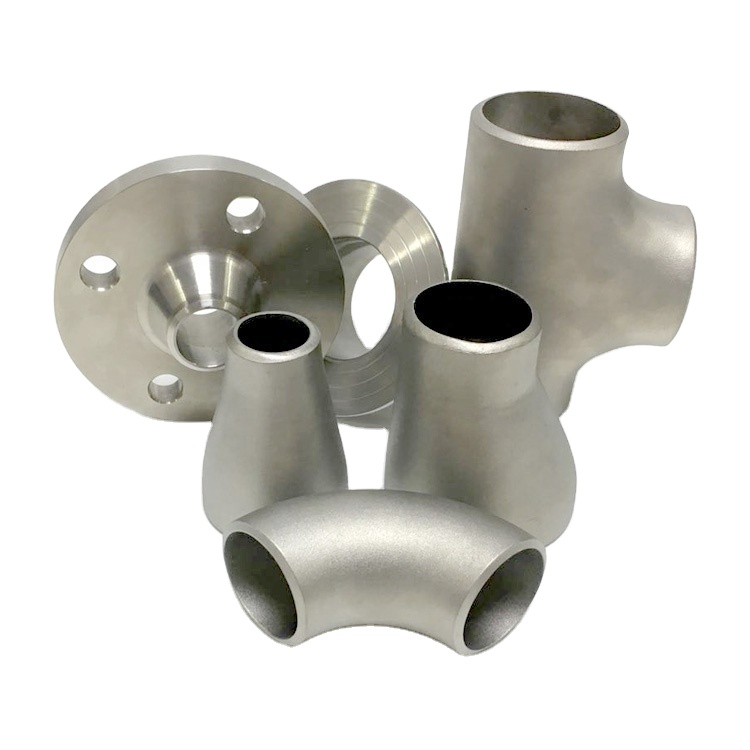
Certified High-Performance Alloy Catalog
Engineered in Baoji's precision metallurgical cluster and delivered with fully traceable EN 10204 3.1 mill test certification for Baltic industrial operations.
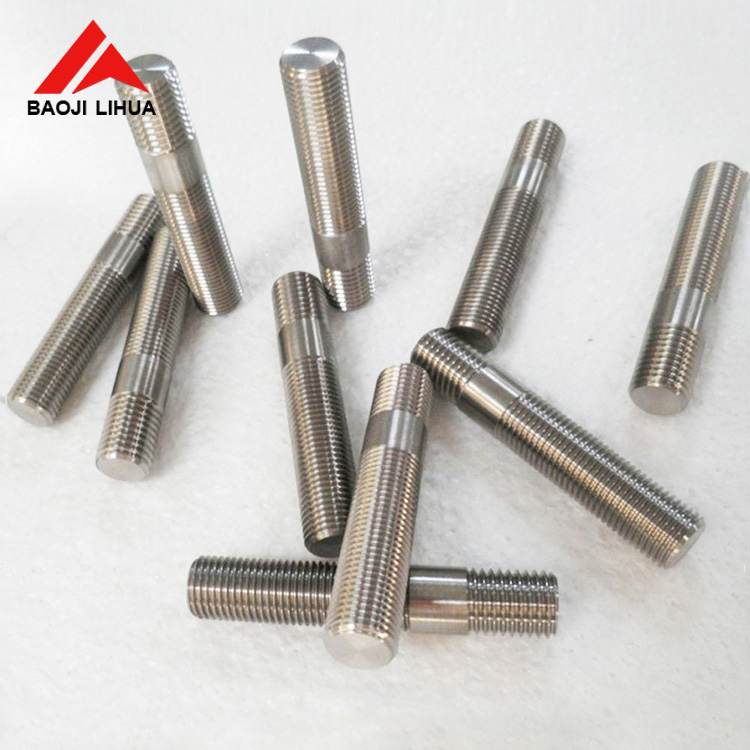
M8 M10 M12x30mm Gr2 Gr5 Titanium Auto Intake Exhaust Stud Bolt
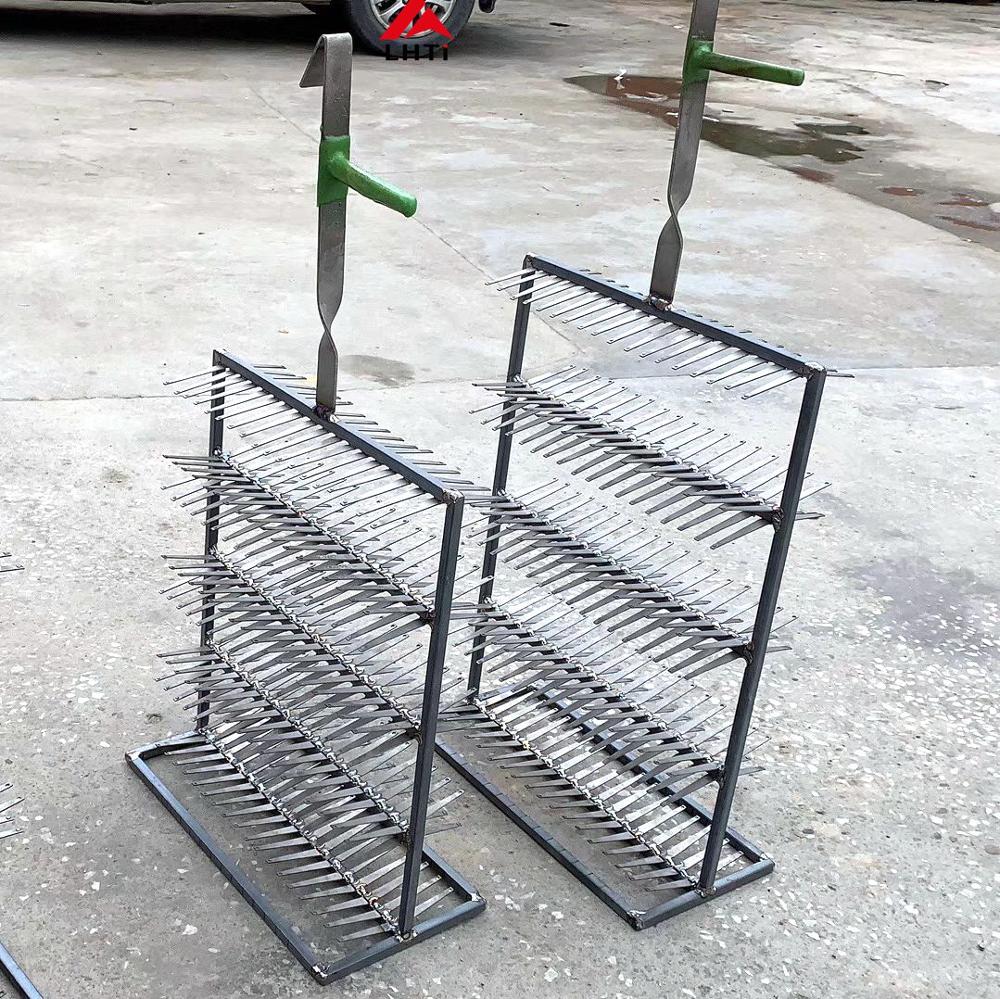
Anodizing Titanium Jig Hanger Rack Frame for Plating
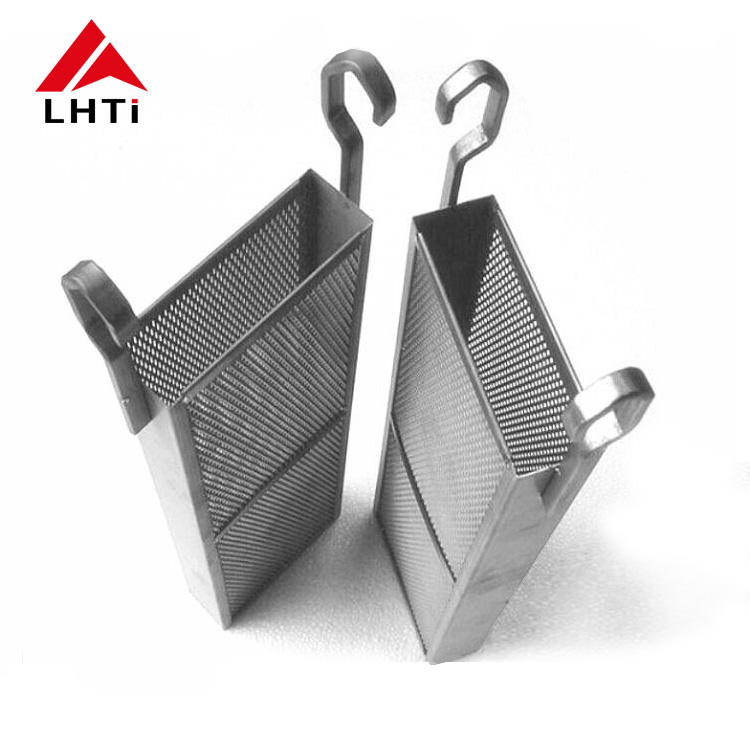
Gr2 Titanium Anode Basket Electroplating 5x10 6x12mm for Chemical Industry
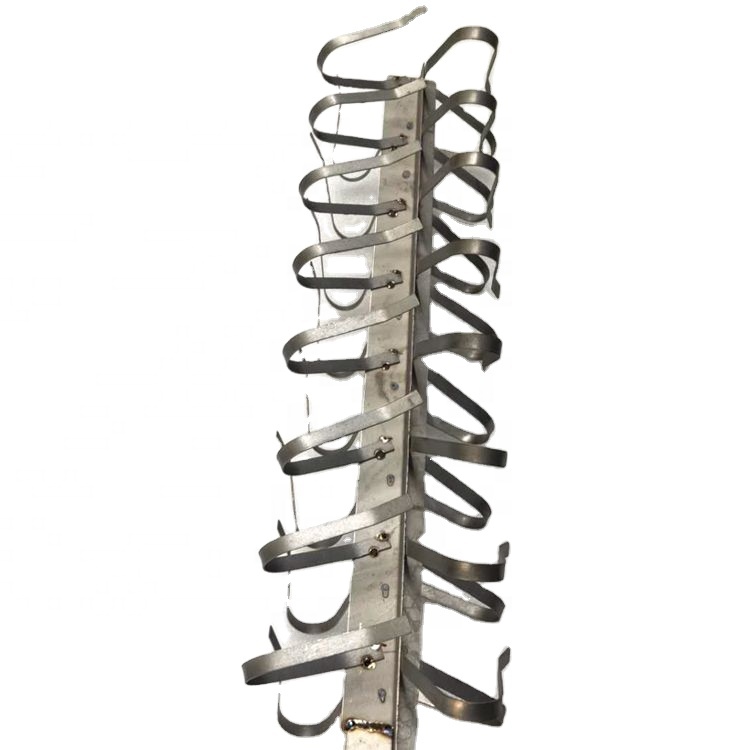
Grade2 Titanium Jigs Rack Hook Tube Components for Coating Electroplating
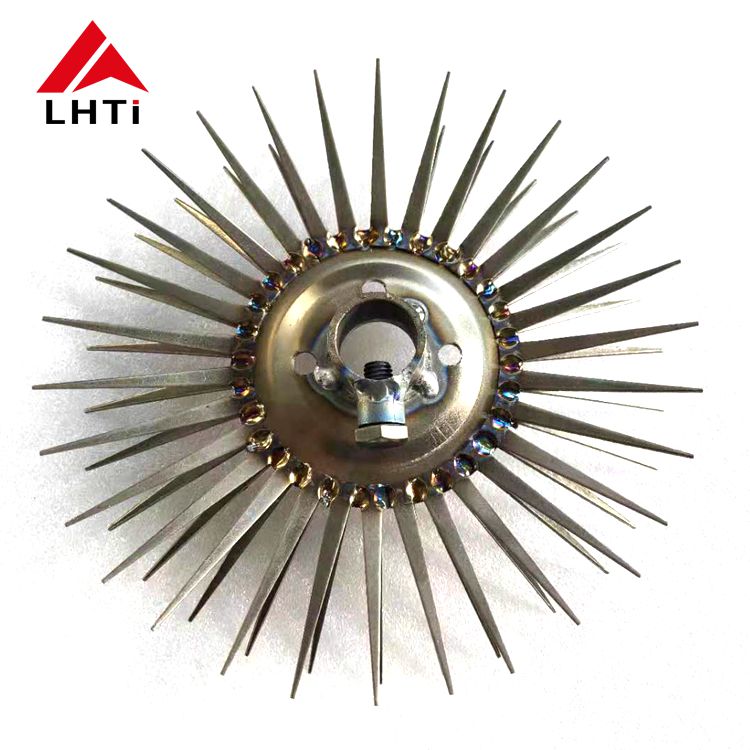
Gr2 Titanium 30 Split Fingers Disk Rack Dia220mm Thick1.5mm for Anodizing
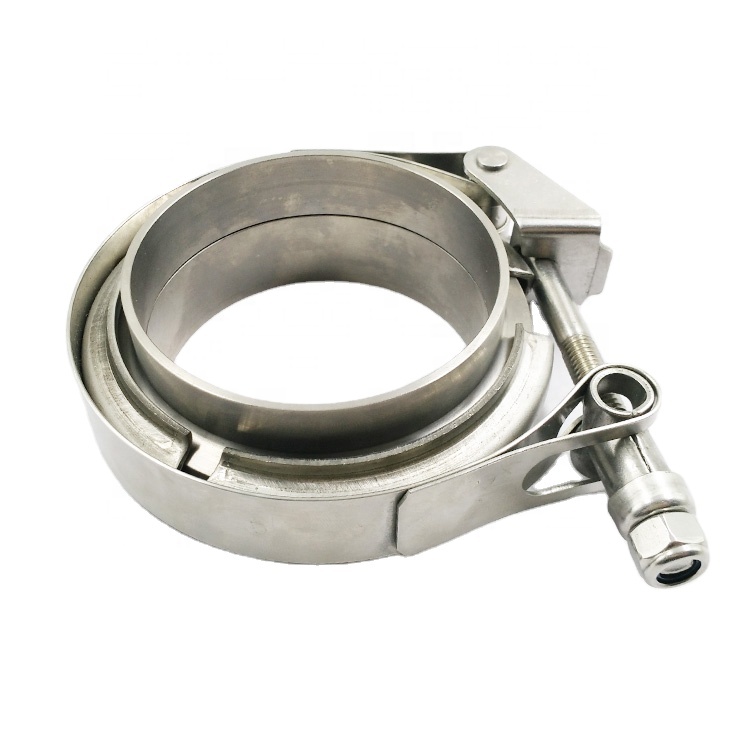
Titanium Gr1 Gr2 V Band Clamp With Flanges for Vehicle Exhaust Systems
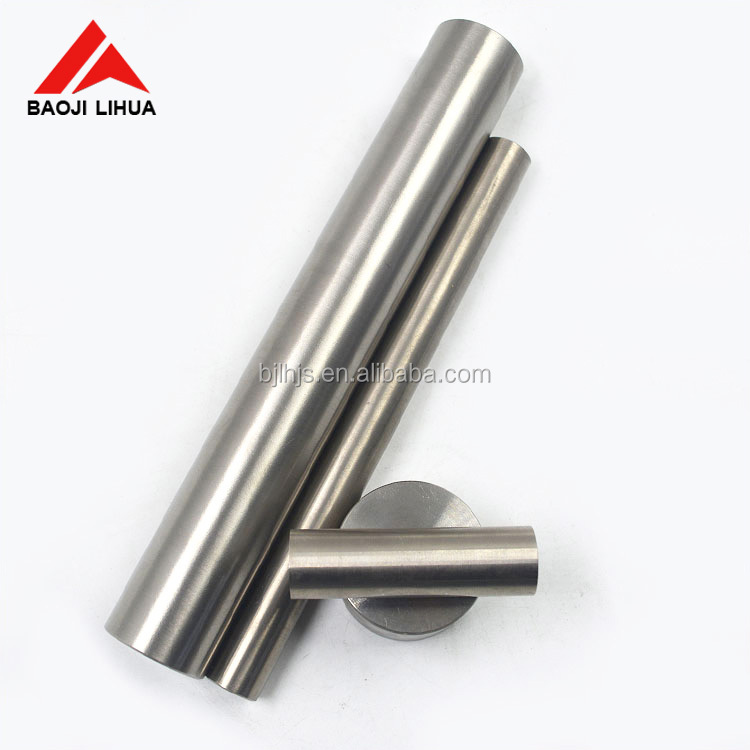
Titanium Bar Rod Billets Price per kg for Industrial Applications
1. Technical Metallurgy & Chemical Stability of Industrial Tantalum Tubing
Tantalum (chemical symbol Ta, atomic number 73) belongs to the Group 5 refractory transition metals. For procurement directors, chemical plant engineers, and research institutions across Lithuania and the greater Baltic basin, tantalum tubing represents the absolute apex of corrosion resistance in aggressive acidic media. Unlike standard austenitic stainless steels (such as AISI 316L) or nickel-based superalloys (such as Hastelloy C-276, Inconel 625, and Monel 400), tantalum exhibits a quasi-inert chemical nature that closely mimics glass, while maintaining the thermal conductivity, structural elasticity, and impact ductility of a fully cohesive metal.
The exceptional resistance of tantalum against corrosive degradation is governed by the immediate, spontaneous formation of an ultra-thin, continuous, thermodynamically stable dielectric tantalum pentoxide (Ta₂O₅) passive barrier film on its exterior and interior bore surfaces. This pentoxide film self-heals instantaneously in oxygenated or aqueous environments upon mechanical abrasion or micro-scratching. In severe chemical operating parameters—including boiling concentrated hydrochloric acid (HCl), concentrated nitric acid (HNO₃) at elevated temperatures, hot concentrated sulfuric acid (H₂SO₄ up to 95% concentration below 175°C), hydrobromic acid (HBr), and organic pharmaceutical solvent synthesis matrices—tantalum tubing maintains an annual corrosion penetration rate approaching zero millimeters per year (<0.001 mm/a).
Key Metallurgical Rule for Plant Engineers:
Tantalum is chemically inert to almost all organic and inorganic acids except hydrofluoric acid (HF), acidic solutions containing free fluoride ions, fuming sulfuric acid (oleum), and concentrated hot alkaline caustic solutions (such as KOH or NaOH over 40% concentration above 80°C), which break down the protective Ta₂O₅ layer. When evaluating process equipment for Lithuanian fertilizer or chemical plants, verify that fluoride impurity thresholds remain below 5 ppm to prevent hydrogen embrittlement.
Beyond aqueous corrosion defense, tantalum possesses a remarkably elevated melting temperature of 3,017 °C (surpassed only by rhenium, tungsten, and carbon), an exceptionally low vapor pressure at high vacuum thresholds, and a high linear thermal expansion coefficient compatibility with borosilicate glass and sapphire assemblies. This makes precision thin-wall seamless tantalum tubing indispensable for deep vacuum electron beam furnaces, high-power radio frequency transmitters, and advanced physical vapor deposition (PVD) systems operating in Vilnius University science parks and Kaunas high-tech manufacturing incubators.
| Alloy Grade | UNS Designation | Standard Specification | Chemical Composition | Yield Strength (Rp0.2, MPa) | Tensile Strength (Rm, MPa) | Optimal Baltic Application Focus |
|---|---|---|---|---|---|---|
| Pure Tantalum (Electron-Beam Melted) | UNS R05200 | ASTM B521 / DIN 17869 | Ta ≥ 99.95%, O ≤ 0.015%, C ≤ 0.010% | ≥ 140 MPa | ≥ 205 MPa | Vilnius biotech bio-reactor cooling coils; API pharmaceutical crystallization; high-vacuum sheath tubes. |
| Pure Tantalum (Powder Metallurgy) | UNS R05400 | ASTM B521 / ISO 13782 | Ta ≥ 99.90%, sintered, fine grain structure | ≥ 170 MPa | ≥ 240 MPa | Specialized thermo-well pockets, high-temperature sensor sleeves, vacuum sintering furnace charge pins. |
| Tantalum-2.5% Tungsten Alloy | UNS R05252 | ASTM B521 Gr. Ta-2.5W | W: 2.0–3.0%, Nb ≤ 0.05%, Balance Ta | ≥ 240 MPa | ≥ 345 MPa | Jonava & Kėdainiai chemical industrial acid reboilers; high-pressure sulfuric acid falling film evaporators. |
| Tantalum-10% Tungsten Alloy | UNS R05255 | ASTM B521 Gr. Ta-10W | W: 9.0–11.0%, Mo ≤ 0.02%, Balance Ta | ≥ 480 MPa | ≥ 585 MPa | Extreme pressure instrumentation tubes, Klaipėda marine corrosive gas injection, aerospace rocket propulsion sleeves. |
Strategic Industrial Applications Across Lithuania
Lithuania has evolved into Northern Europe's powerhouse for life sciences, high-power femtosecond lasers, and modern chemical processing, creating specific demands for high-integrity refractory metals.
Vilnius Life Sciences & Biopharmaceutical Synthesis
The Vilnius biotechnology corridor hosts world-leading facilities producing recombinant proteins, monoclonal antibodies, active pharmaceutical ingredients (APIs), and molecular biology reagents. In synthetic enzyme manufacturing and pure active chemical isolation, process liquids frequently incorporate chlorinated intermediates, acidic buffers, and aggressive halide catalysts that cause rapid localized pitting in 316L and duplex stainless steel. Our ASTM B521 UNS R05200 seamless tantalum tubes are utilized in U-bundle heat exchangers, steam bayonet heaters, and submerged dosing lances, completely eliminating trace iron, nickel, or chromium ion leaching into high-value injectable medicinal solutions.
Ultrafast Laser Photonics & Semiconductor Tooling
Lithuania produces more than half of the global market for scientific picosecond and femtosecond lasers, exported to research laboratories and semiconductor foundries internationally. Within laser beam generation cavities, plasma excitation vacuum chambers, and electron guns, tantalum capillary tubing functions as ultra-pure protective conduits, cooling nozzles, and electron beam collimation channels. Its low thermal expansion, immunity to thermal shock cracking up to 1,600 °C in vacuum, and ultra-low outgassing under ultra-high vacuum (UHV, <10⁻⁹ mbar) satisfy the strict cleanroom protocols of Lithuanian laser manufacturers.
Jonava & Kėdainiai Heavy Inorganic Chemical Production
Lithuania's central industrial basin relies heavily on continuous fertilizer and basic chemical manufacturing infrastructure (such as ammonia, nitric acid, and phosphorus compounds). Concentrated sulfuric and phosphoric acid recovery units require materials that survive severe erosive-corrosive boiling slurries. We supply heavy-wall Ta-2.5W (UNS R05252) welded and cold-drawn tubes for acid concentration reboilers, multi-stage evaporation calandrias, and sparging pipes. The added 2.5% tungsten content increases tensile and creep-rupture strength by 40% over pure tantalum, resisting mechanical vibrations caused by intense boiling vapors.
Klaipėda Port Chemical Terminals & Offshore Corrosive Handling
The Port of Klaipėda is the primary maritime logistics gateway connecting Lithuania with the Baltic Sea, handling bulk chemicals, LNG bunkering systems, and specialized marine processing gear. Tantalum tube sleeves, instrumentation capillary tubing, and diaphragm seal lines safeguard pressure sensors, continuous monitoring transmitters, and level detectors exposed to stagnant, oxygenated saltwater combined with volatile sulfurous compounds, ensuring dependable long-term measurement without chloride stress-corrosion cracking.
Nuclear Waste Management & Ignalina Decommissioning
Ongoing decommissioning at the Ignalina Nuclear Power Plant and accompanying radiochemical research at the Center for Physical Sciences and Technology (FTMC) necessitate robust materials for handling radioactive liquid waste, acidic decontamination washes, and molten salt matrices. Seamless tantalum tubing exhibits low neutron capture activation under moderate flux environments, does not suffer radiation-induced embrittlement at elevated temperatures, and resists concentrated nitric acid decontamination mixtures used during hot-cell washing sequences.
Proton Exchange Membrane (PEM) Electrolysis & Fuel Cells
In align with Lithuania's National Energy and Climate Plan 2030, rapid funding is flowing into green hydrogen production facilities across the Baltic corridor. PEM electrolyzer balance-of-plant components experience extreme electrochemical overpotentials alongside highly acidic fluoropolymer membrane breakdown fluids. Tantalum tube feeds, protective sensor sleeves, and micro-tubular current collector nodes provide zero degradation, mitigating catalyst poisoning and prolonging electrolyzer operating lifetimes beyond 80,000 continuous hours.
Emerging Trends Driving Refractory Alloy Demand in Lithuania
A strategic overview of macroeconomic, environmental, and technological transitions reshaping advanced procurement across the Baltic industrial sector.
1. The Transition to Green Chemical Synthesis & Circular Acid Recovery
Industrial sustainability mandates imposed by the European Green Deal and the EU Chemicals Strategy for Sustainability (CSS) have placed significant pressure on Baltic processing operations. Historically, many facilities mitigated chemical aggression through periodic equipment replacement or using disposable fluoropolymer (PTFE/PFA) lined carbon steel pipes. However, lined piping is prone to micro-permeation, thermal-cycle debonding, vacuum collapse, and mechanical abrasion during high-velocity slurry circulation.
Lithuanian facilities are transitioning from consumable components to lifetime capital installations. By designing heat exchangers, bayonet coils, and piping lines with thin-walled UNS R05200 seamless tantalum tubes (wall thicknesses as slim as 0.5 mm to 0.8 mm), plants exploit tantalum's superior thermal conductivity (54 W/m·K at 20°C, compared to just 0.25 W/m·K for PTFE). This drastically reduces total electrical consumption in reboilers, prevents catastrophic process downtime, and supports zero-leakage circular acid recovery workflows.
2. Expansion of High-Power Femtosecond Laser Precision Tooling
Lithuanian laser enterprises continue to expand their footprint from scientific laboratories into heavy industrial micromachining, medical device manufacturing, and semiconductor wafer dicing. Advanced EUV (Extreme Ultraviolet) lithography sources and deep-vacuum laser cutting machines require structural materials capable of handling direct optical reflections and stray plasma thermal shocks. Tantalum seamless tubes are increasingly integrated as ultra-pure liquid cooling jackets around crystal rods, ensuring no coolant micro-channel clogging or galvanic corrosion within the closed-loop cooling system.
3. Supply Chain Security, Conflict-Free Sourcing & EU Regulation 2017/821
Due to Lithuania's rigorous adherence to European Union regulatory directives, procurement managers cannot risk sourcing raw tantalum products with ambiguous origins. Tantalum is formally classified as a 3TG (Tin, Tantalum, Tungsten, Gold) mineral. EU Regulation 2017/821 mandates strict supply chain due diligence for importers and downstream manufacturers to ensure raw materials are entirely conflict-free.
Our company's production facilities operate under strict Responsible Minerals Initiative (RMI) guidelines, verifying raw tantalum powder and ingots are obtained solely from certified, conflict-free smelters. Every commercial shipment supplied to Lithuanian ports includes verified documentation confirming supply chain legitimacy, ISO 9001 quality compliance, and total alignment with REACH (Registration, Evaluation, Authorisation and Restriction of Chemicals) and RoHS environmental directives.
Why Lithuanian Engineers Source from Jovzi Titanium & Refractory Metals
Operating directly from Baoji, China's "Titanium Valley," we deliver direct-to-factory pricing, metallurgical traceability, and custom fabrication capabilities.
Founded in 2006: 19+ Years of Export Mastery
Established in the heart of Shaanxi's advanced non-ferrous metals industry, our factory houses state-of-the-art vacuum arc remelting (VAR) furnaces, electron-beam melting (EBM) systems, multi-roll cold tube pilger mills, and high-precision vacuum annealing lines. We maintain direct control over chemical composition and grain size from raw ingot processing to final ultrasonic tube verification.
Complete EN 10204 3.1 Traceability & BaoTi Testing
Every tube lot dispatched to Vilnius, Kaunas, or Klaipėda is accompanied by an authentic Mill Test Certificate (MTC) detailing complete chemical spectrometry, tensile yield benchmarks, elongation percentages, flaring test performance, and hydrostatic burst pressure values. On request, independent third-party validation reports are issued by the authoritative national BaoTi Test Center.
Precision Cold-Drawing & Custom Sizing
Our engineering team—supported by 4 senior and 5 intermediate metallurgical engineers—produces seamless tantalum tubes with outside diameters ranging from capillary sizes (OD 0.5 mm) up to large process piping (OD 114 mm), with wall thicknesses from 0.15 mm to 6.0 mm. We supply straight lengths, custom bent hairpins, U-tubes, and complete tantalum-clad steel tube assemblies built to drawing.
Optimized Baltic Logistics & Incoterms
We streamline import workflows for Lithuanian corporate buyers. Whether your terms specify FOB Shanghai, CIF Klaipėda, CIP Vilnius Airport, or complete DDP (Delivered Duty Paid with local customs clearing and VAT documentation), our dedicated logistics desk ensures reliable transit with multi-layered protective wooden crating and anti-oxidation packaging.
Frequently Asked Questions by Lithuanian Procurement Teams
Direct technical answers addressing engineering standards, import logistics, metallurgical testing, and localized purchasing workflows.
Which international manufacturing standards apply to tantalum tubes exported to Lithuania?
All our tantalum and tantalum-alloy tubing is manufactured strictly compliant with ASTM B521 (Standard Specification for Tantalum and Tantalum Alloy Seamless and Welded Tubes). For pressure-bearing equipment operating under the European Pressure Equipment Directive (PED 2014/68/EU), materials can be certified in accordance with DIN 17869 and EN 10204 type 3.1 or 3.2 inspection certificates. Capillary medical and analytical tubes comply with ISO 13782 benchmarks.
What is the practical difference between Seamless (SMLS) and Welded (WLD) tantalum tubes?
Seamless Tantalum Tubes are produced via hot extrusion of electron-beam melted ingots followed by multi-pass cold rolling (pilgering) and precision drawing with intermediate high-vacuum anneals. Seamless tubes feature zero heat-affected zones (HAZ), making them mandatory for high-pressure reboilers, bayonet heaters, and UHV vacuum devices. Welded Tantalum Tubes are fabricated from cold-rolled ASTM B708 sheet/strip utilizing automated GTAW (TIG) or laser welding under high-purity argon chambers. Welded tubes offer superior wall thickness uniformity and tighter concentricity over long lengths at lower production costs, ideal for low-pressure heat exchangers and venting conduits.
How are tantalum tubes tested for micro-defects before shipment to the Baltics?
Every production batch undergoes 100% Non-Destructive Testing (NDT). This includes continuous Eddy Current Testing (per ASTM E426) to detect surface and sub-surface cracks, and Ultrasonic Testing (per ASTM E213) to ensure absolute wall integrity. In addition, we execute hydrostatic pressure testing (up to 30 MPa depending on OD and wall thickness), pneumatic leak tests under water, pneumatic helium mass spectrometry leak testing for vacuum capillary tubing, and mechanical flattening/reverse flaring tests per ASTM B521 requirements.
Can tantalum tubing be welded to stainless steel or titanium piping in Lithuanian plants?
Direct fusion welding (such as standard MIG or TIG) of tantalum to stainless steel, carbon steel, or titanium is strictly contraindicated because it forms extremely brittle intermetallic compounds (such as Fe₂Ta or Ti-Ta eutectics) that crack spontaneously upon cooling. To connect tantalum tubing to conventional piping systems in Lithuanian plants, engineers utilize loose-backing lap-joint flanges with tantalum stub ends, explosive-bonded bi-metallic transition joints (tantalum to 316L), or vacuum brazing with gold-nickel or specialized silver-copper eutectic filler alloys.
What are the typical customs codes and import duty structures for Lithuania?
Tantalum tubes imported into the Republic of Lithuania (EU member state) are classified under EU TARIC code 8103 90 00 00 (Tantalum articles, including tubes and pipes). Depending on prevailing EU trade agreements, the third-country import duty generally ranges between 0% and 3%. Goods are subject to standard Lithuanian Value Added Tax (PVM, currently 21%), which is accounting-offset for registered VAT payers under intra-community and direct corporate customs clearance. We provide accurate commercial invoices, packing lists, and preferential certificates of origin to simplify clearance at Vilnius Airport or Klaipėda Port.
What is the Minimum Order Quantity (MOQ) and standard delivery lead time?
For standard stocked dimensional tube hollows (such as OD 19.05 mm x 0.5 mm or 25.4 mm x 0.8 mm), the MOQ can be as flexible as 1 meter or 1 kg, supporting R&D trials in university laboratories. For custom production runs requiring specialized cold-drawing dies or Ta-2.5W / Ta-10W alloys, typical MOQs start at 5 to 10 kg. Standard delivery times for air-freight orders to Vilnius International Airport (VNO) are 3 to 4 weeks, with expedited 14-day production available for critical plant maintenance outages.
How are thin-wall tantalum tubes protected against damage during international transit?
Due to tantalum's high density and malleability, mechanical protection during long-distance transit is paramount. Each individual tube is sleeved within high-density polyethylene (HDPE) netting or sealed inside individual PVC sleeves to prevent surface contact. The tubes are then placed in rigid internal structural tubing or heavy-wall reinforced cartons, and secured inside custom-built, export-grade fumigated wooden cases (ISPM-15 compliant) with shock-absorbing foam lining, preventing flexing or denting during air or sea transport.
How does tantalum perform compared to zirconium and Hastelloy in sulfuric acid?
In boiling sulfuric acid (H₂SO₄) at concentrations above 70%, nickel-based Hastelloy C-276 suffers rapid active corrosion exceeding 1.0 mm/year. Zirconium 702 demonstrates outstanding resistance up to 70% concentration at boiling, but experiences sudden, severe accelerated intergranular corrosion when acid concentrations exceed 75% or when oxidizing contaminants (such as Fe³⁺ or Cu²⁺ ions) enter the stream. Tantalum retains its full passive barrier up to 95% concentration at temperatures up to 175°C, impervious to the presence of oxidizing contaminants, making it the only dependable material for demanding acid reconcentration processes.
Can Jovzi fabricate custom pre-bent U-tubes and bayonet heater coils?
Yes. We possess dedicated CNC cold-bending and mandrel rotary draw bending equipment specifically configured for high-density refractory metals. We deliver custom U-bend tube bundles with bend radii down to 1.5 times the outer diameter (1.5D), followed by localized high-vacuum stress-relief annealing to eliminate cold-work residual stresses in the bend zone. Every bent tube is re-checked via liquid penetrant testing and ultrasonic thickness gauging across the outer extrados.
What documentation is supplied to confirm Conflict-Free Smelter compliance?
Each contract is backed by a formal Conflict Minerals Reporting Template (CMRT) declaration compliant with the Responsible Minerals Initiative (RMI). We verify that all raw tantalum ore is refined and smelted through facilities audited on the conformant smelter list, fully adhering to Section 1502 of the Dodd-Frank Act and EU Regulation 2017/821, ensuring complete regulatory compliance for our Baltic customers' annual sustainability audits.
Request an Engineering Consultation & Mill Quotation
Submit your tube dimensions, required alloy grade (UNS R05200, R05400, or Ta-W alloys), application environment, and estimated volume. Our technical sales engineers respond with detailed metallurgical evaluations and commercial proposals within 8 business hours.
Get a Quote