Featured Engineering Alloys & Machined Assemblies
Explore our core high-precision titanium products, thoroughly inspected by ultrasonic, chemical, and mechanical analysis to satisfy extreme corrosion and structural specifications in Hungary.
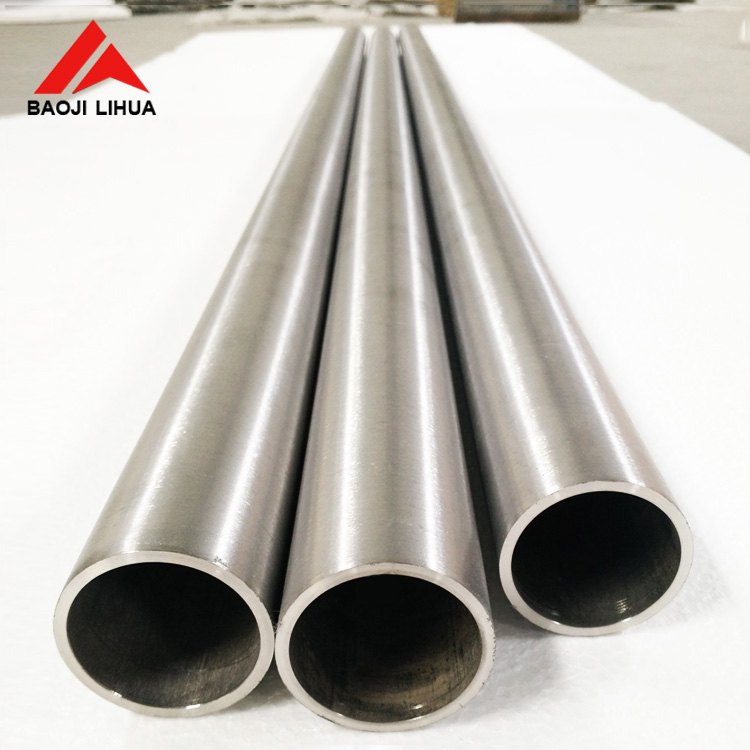
Gr1/Gr2/Gr9 Titanium Exhaust Tubing & High-Tolerance Pipe
- Standard: ASTM B338 / DIN 17866
- Outside Diameter: 38mm to 102mm
- Wall Thickness: 1.0mm – 1.5mm Ultra-Light
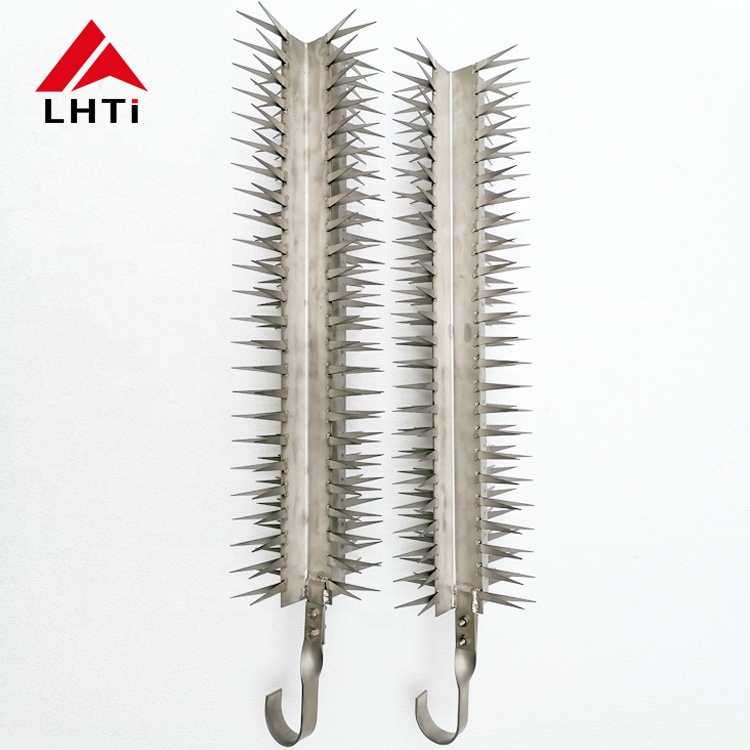
Customized Industrial Anodizing Titanium Jigs & Racks
- Material: High Purity Gr1 / Gr2
- Application: Electropolishing & Coating
- Fabrication: Custom CAD/Drawing Built
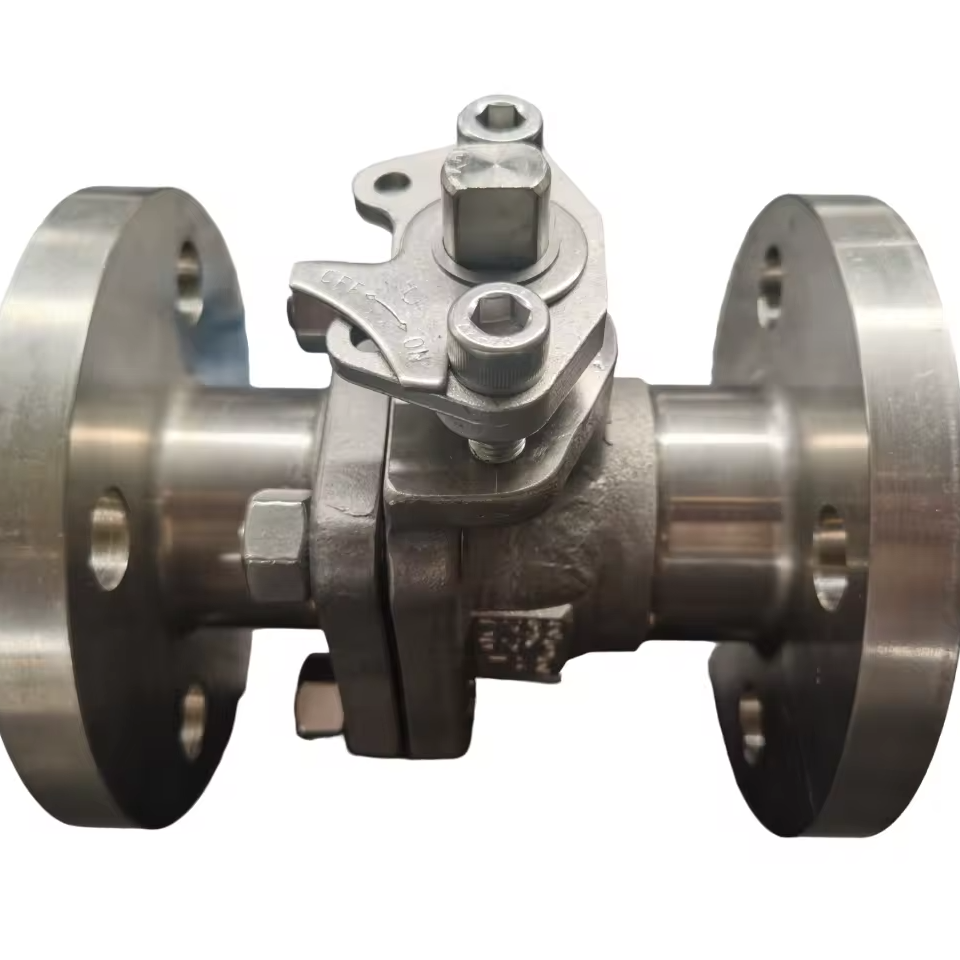
Precision CNC Titanium Hollow Floating Valve Ball
- Grades: Gr2 / Gr5 / Gr12
- Structure: Hollow Lightweight / Solid
- Tolerance: Sphericity within ±0.01mm
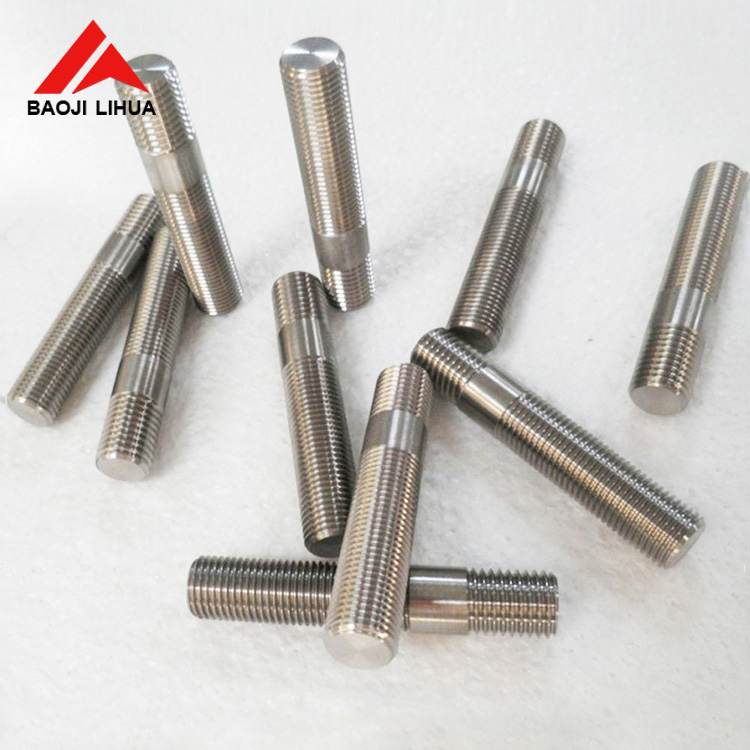
Gr5 (Ti-6Al-4V) Rolled-Thread Intake & Exhaust Stud Bolts
- Thread Pitch: M8, M10, M12 × 30mm
- Tensile Strength: ≥ 895 – 1000 MPa
- Processing: Thread Rolled Post-Heat-Treat
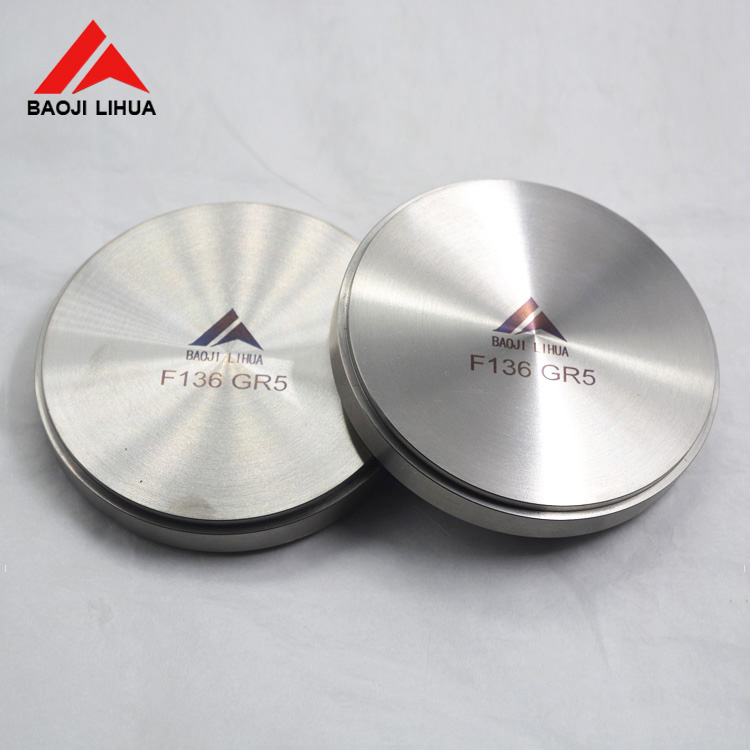
Medical Grade Gr5 ELI (Gr23) Titanium Block & Dental Disc
- Standard: ASTM F136 / ISO 5832-3
- Biocompatibility: Extreme Purity Interstitials
- Machinability: Open CAD/CAM Milling Ready
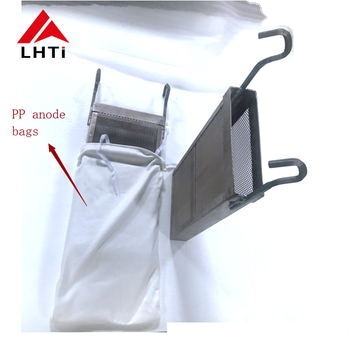
Gr2 Anodising Titanium Basket with PP Anode Filter Bags
- Configuration: Expanded Mesh / Sheet Hook
- Resistance: Sulfuric & Chromic Electrolytes
- Weld Standard: 100% Argon Shielded TIG
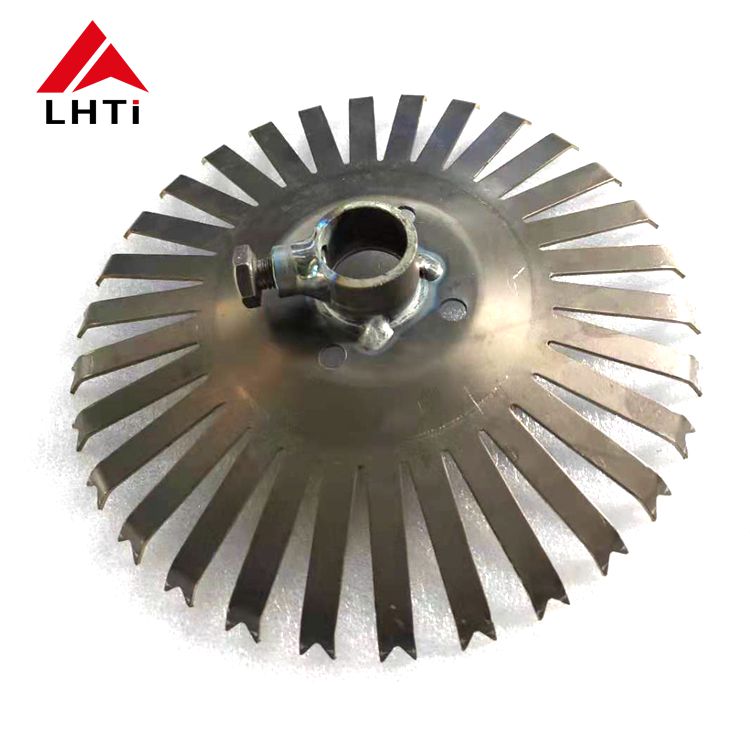
Anodizing Titanium 30-Teeth Disk Rack for Electroplating
- Spring Retention: High Elastic Recovery Gr2/Gr5
- Contact Points: Laser-Cut 30 Teeth Array
- Longevity: Multi-Cycle Acid Stripping Safe
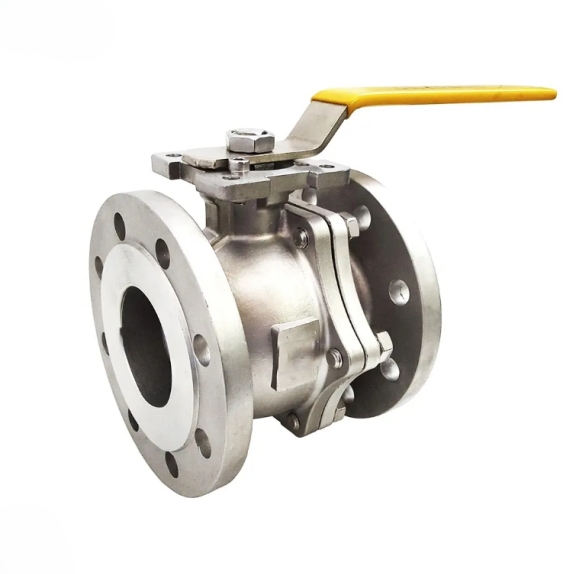
Titanium Flanged Ball Valve 150 LB / 300 LB for Severe Fluids
- Material: ASTM B381 F2 / ASTM B367
- Connection: ANSI RF Flanged Ends
- Target Medium: Wet Chlorine, Brines, Geothermal
Localized Industrial Applications Across Szeged & Csongrád-Csanád
Szeged has evolved beyond a historical crossroad into Hungary's premier Southern innovation epicenter. The rapid intersection of laser physics, high-yield greenfield automotive assembly, and intensive geothermal district heating requires robust, non-ferrous metallurgical mastery.
ELI-ALPS Laser Infrastructure & Ultra-High Vacuum (UHV) Physics
The ELI-ALPS (Extreme Light Infrastructure Attosecond Light Pulse Source) research facility in Szeged demands metallurgical purity that standard austenitic steels cannot sustain. Under intense ultrafast laser pulses, experimental beamlines and target manipulation chambers operate under UHV conditions (<10−9 mbar). Jovzi supplies ASTM B348 Gr5 and Gr2 peeled bars characterized by exceptionally low outgassing coefficients, virtually zero magnetic permeability (μr ≈ 1.00005), and supreme structural rigidity to prevent micro-deflections in high-precision optical mounts.
New Energy Automotive Industrial Park Supply Chain
The establishment of Europe’s marquee Electric Vehicle (EV) assembly complex in Szeged is transforming Southern Hungary into an automotive powerhouse. Battery pack tooling, robotic end-effectors, high-speed balancing shafts, and automated battery module production jigs utilize Jovzi’s Ti-6Al-4V Grade 5 forged round bars. With a density of 4.43 g/cm³ and a tensile yield exceeding 825 MPa, titanium tooling reduces mechanical inertia in high-frequency pick-and-place robotics while resisting harsh electrolyte splashback during cell sealing operations.
Geothermal District Heating & Thermal Brine Extraction
Szeged operates continental Europe's second-largest geothermal municipal heating network, substituting natural gas with 80–95°C deep thermal waters. These Pannonian subterranean brines carry intense chloride concentrations, aggressive silica content, and dissolved carbon dioxide, inducing lethal pitting and stress-corrosion cracking (SCC) in conventional Duplex and AISI 316 steels. Our ASTM B348 Gr7 (Ti-0.15Pd) and Gr12 (Ti-Mo-Ni) alloy bars are extensively turned into critical wellhead valves, downhole pump sensor housings, and heat exchanger tie-rods, completely neutralizing chloride attack.
Biomedical Implants & University of Szeged MedTech
Centering on the renowned Albert Szent-Györgyi Medical School and the University of Szeged (SZTE) scientific ecosystem, regional orthopedic and dental manufacturers rely on certified biocompatible feedstocks. Jovzi supplies vacuum-arc remelted ASTM F136 Gr5 ELI (Grade 23) and CP Grade 4 bars with microstructures rigorously controlled to ASTM E112 grain sizes (G7 or finer). Our mill certifications explicitly report interstitial nitrogen, oxygen, and carbon contents, ensuring seamless fatigue resistance in long-term human bone plates, spinal screws, and dental fixtures.
Fine Chemical, Agro-Processing & Paprika Extraction Lines
Szeged’s historic biotechnology and agricultural chemistry sectors utilize specialized extraction processes involving aggressive organic solvents, thermal distillation, and acidic food processing. Component fabrication for process agitators, centrifugal pump shafts, and reaction vessel fittings calls for ASTM B348 Grade 2 bars. CP Gr2 delivers unrivaled resistance to organic and nitric acids, ensuring zero ion leaching, absolute flavor integrity, and compliance with European sanitary processing standards.
Industrial Surface Finishing & Galvanic Rack Manufacturing
The electroplating, zinc-nickel coating, and powder anodizing workshops supporting local equipment makers require fixtures capable of handling relentless acid dip cycles without degradation. Our titanium bars, disc racks, and anodizing baskets exhibit exceptional electrolytic corrosion passivity. Jovzi's precision-welded titanium assemblies yield a prolonged operating life, ensuring optimal electrical conductivity and zero bath contamination across thousands of plating runs.
Engineering Whitepaper: Metallurgical Selection Criteria for Szeged Industrial Procurement
Sourcing titanium mill products from overseas requires rigorous technical alignment between international manufacturing standards and European mechanical specifications. In Central and Eastern European engineering procurement, the misclassification of grade variants frequently induces either unnecessary material expenditure or catastrophic mechanical shear under cycloid fatigue. Jovzi Titanium provides complete transparency into the crystal metallurgy and physical properties of its exported bar stock.
1. Alpha, Near-Alpha, and Alpha-Beta Phase Selection
Commercially Pure (CP) titanium grades (Grades 1 through 4) exist entirely in the hexagonal close-packed (HCP) α-phase at ambient temperatures. Grade 2 is the industrial workhorse, delivering a balanced tensile strength of 345–480 MPa with excellent weldability and spontaneous passive film (TiO2) generation. However, when design specifications require high shear load capabilities, such as CNC-machined dynamic shafts or load-bearing brackets in robotic automation, Ti-6Al-4V Grade 5 (α+β alloy) is mandatory.
The addition of 6% aluminum stabilizes the alpha phase, elevating tensile strength past 895 MPa, while 4% vanadium introduces the body-centered cubic (BCC) β-phase, enhancing responsiveness to heat treatments like solution treating and aging (STA). For critical biomedical applications operating within the Szeged medical corridor, Jovzi mandates the supply of Grade 5 ELI (Extra Low Interstitial, UNS R56401). By throttling interstitial oxygen content below 0.13%, the alloy’s notch toughness and crack propagation resistance under cyclical biomechanical stress are dramatically augmented.
| Titanium Grade | UNS / Standard | Yield Strength (Min, MPa) | Tensile Strength (Min, MPa) | Elongation (%) | Primary Industrial Role in Szeged |
|---|---|---|---|---|---|
| Grade 1 | UNS R50250 / ASTM B348 | 170 | 240 | 24 | Deep drawn chemical gaskets, thin UHV sensor baffles |
| Grade 2 | UNS R50400 / ASTM B348 | 275 | 345 | 20 | Corrosive fluid valving, geothermal heat exchanger shafts |
| Grade 5 | UNS R56400 / Ti-6Al-4V | 828 | 895 | 10 | Robotic arms, high-stress EV fixtures, laser beam manipulators |
| Gr5 ELI (Gr23) | UNS R56401 / ASTM F136 | 795 | 860 | 12 | Orthopedic osteosynthesis, dental implants, surgical pins |
| Grade 7 | UNS R52400 / Ti-0.15Pd | 275 | 345 | 20 | Aggressive Pannonian saline water extraction, boiling chlorides |
| Grade 12 | UNS R53400 / Ti-0.3Mo-0.8Ni | 345 | 483 | 18 | Intermediate-strength acidic chemical valves and impellers |
2. Advanced Machining & CNC Turning Guidelines for Local Engineers
While titanium possesses unrivaled strength-to-weight metrics, its metallurgical machinability index is notoriously low (~35–40% relative to AISI 1212 free-cutting steel). Jovzi’s engineering technical liaison provides regional workshops across Szeged with dedicated metallurgical machining advisories to optimize tool life and achieve sub-micron dimensional tolerances (±0.005mm):
• Thermal Dissipation Management: Due to titanium's low thermal conductivity (~6.7 W/m·K for Gr5 vs. 50 W/m·K for carbon steel), cutting heat cannot disperse into the chip and instead concentrates directly at the cutting edge. Procurement engineers must ensure high-pressure through-spindle coolant delivery (minimum 70 bar) utilizing semi-synthetic or synthetic emulsions with high extreme-pressure (EP) chlorinated or sulfurized additives.
• Tooling Geometry & Coating Selection: Uncoated sub-micron carbide inserts (K10–K20) or physical vapor deposition (PVD) titanium aluminum nitride (TiAlN) or AlTiN coatings should be selected. Chemical vapor deposition (CVD) coatings should be strictly avoided, as thick coatings strip sharp cutting edges. Always maintain a positive rake angle and razor-sharp clearance geometry to suppress work-hardening effects.
• Dynamic Rigidity: Titanium alloys possess an elastic modulus approximately half that of steel (114 GPa for Gr5 vs. 210 GPa for structural steel). Deep turning on slender bar stock causes considerable springback and chatter unless supported by hydraulic steady rests and dead centers.
Strategic Sourcing Trends in the Southern Hungary Metallurgy Landscape
Economic restructuring across Central Europe has triggered substantial changes in raw material procurement strategies among Hungarian manufacturers.
Near-Shoring Tier-1 EV Integrations
Global EV assembly plants in Csongrád-Csanád are localizing sub-assembly contracts. Local precision machine shops are upgrading from basic aluminum extrusion machining to multi-axis titanium handling to secure Tier-1 automotive qualification.
Geothermal Carbon-Neutral Initiatives
With aggressive EU municipal decarbonization directives, geothermal extraction sites across Hungary are replacing corroded stainless infrastructure with Palladium-stabilized titanium (Gr7/Gr11) to eliminate high maintenance shutdowns.
Direct Factory Mill Certification Auditing
Procurement teams increasingly bypass intermediate European trading houses. Sourcing direct from certified Baoji primary melting mills grants access to granular EN 10204 3.1 heat chemistry reports and third-party laboratory verification.
Buffer Inventory & Custom Sawn Billets
Fluctuating lead times make precision sawn cut-to-length titanium billets vastly more economical than domestic bar shearing. Regional buyers are scheduling batched container drops with scheduled releases.
Why Jovzi Titanium Industry Co., Ltd. Leads the Export Market
Rooted in Baoji—China's renowned "Titanium Valley"—we integrate sponge titanium smelting, free-forging, precision rolling, and CNC deep-processing into a single, seamless chain of custody.
Direct Origin Advantage
Located in the heart of Baoji, Shaanxi, Jovzi accesses 0-grade sponge titanium straight from national strategic sources. Operating our own vacuum arc remelting (VAR) furnaces ensures metallurgical cleanliness with zero secondary scrap contamination.
Traceable Quality Control
Every single titanium bar is marked with a traceable heat lot number and shipped with a comprehensive EN 10204 3.1 Mill Test Certificate. We regularly perform independent correlation tests via the internationally recognized BaoTi Test Center.
Dedicated Engineering Team
With 4 senior metallurgists and 5 intermediate tooling engineers on staff, we don’t just ship bulk bar stock. We provide CAD/CAM drawing reviews, custom CNC turning, centerless grinding, and deep-hole drilling to customer specifications.
Ultrasonic Flaw Detection
100% of our bar stock destined for European markets passes Class A or Class AA ultrasonic non-destructive testing (NDT) according to AMS 2631 and ASTM E2375, eliminating subsurface voids, inclusions, and shrinkage cavities.
Low MOQ & Cut-to-Size
Unlike massive state-owned mills that demand multi-ton minimums, Jovzi accommodates engineering pilots and custom trial runs starting from just 1 kg for bar stock or 1 pc for forged rings and precision CNC valve components.
Global Logistics Execution
With over 19 years of verified international trade records, we manage the complete export pipeline into Hungary: air express directly to Budapest Ferenc Liszt (BUD) or sea freight via Koper/Rotterdam, clearing customs under DAP/DDP incoterms.
Frequently Asked Questions by Hungarian Buyers
Clear, direct answers regarding metallurgical specifications, export documentation, and supply chain logistics for technical buyers in the Szeged region.