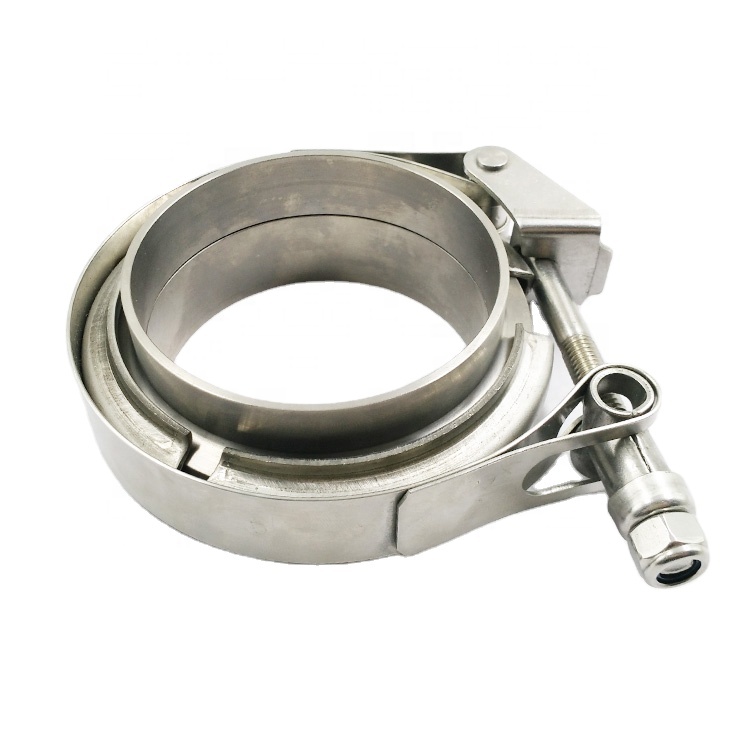
Factory Inventory & Production Matrix
High-Integrity Titanium Pipeline & Fixture Assemblies
Engineered to withstand intense corrosive attack, elevated operational pressures, and cyclical mechanical loading. Sourced from Baoji Titanium Valley with 100% traceable heat certificates.
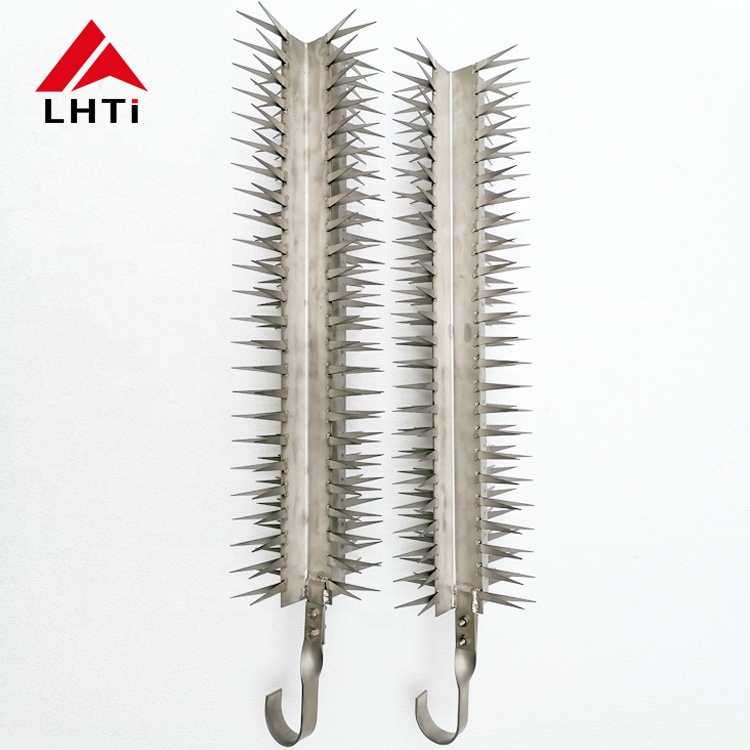
Customized Anodizing Gr1/Gr2 Industrial Jigs & Racks
View Engineering Specs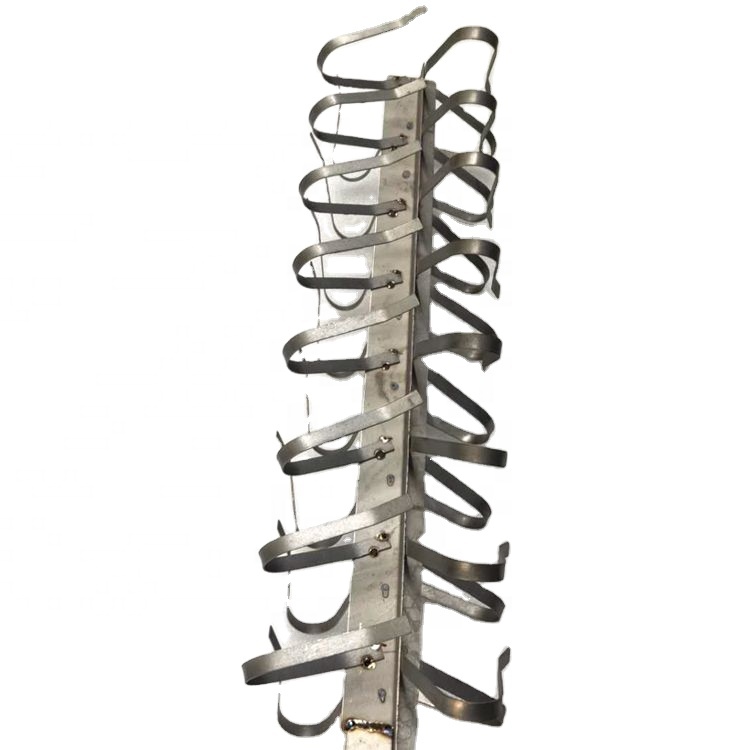
Gr2 Titanium Jigs Rack Hook & Tube Components
View Engineering Specs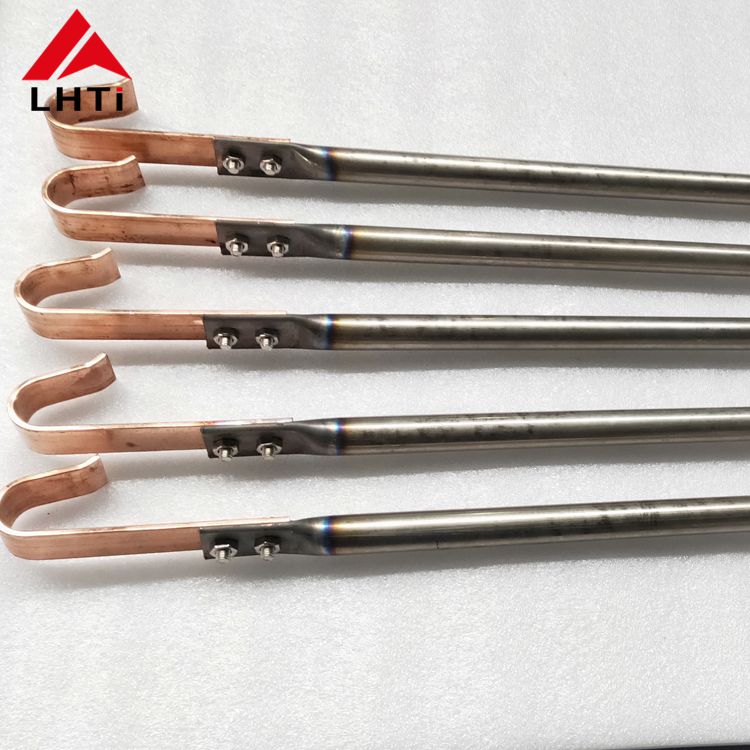
Anodizing Gr2 Titanium Shaft with Copper Core Hook
View Engineering Specs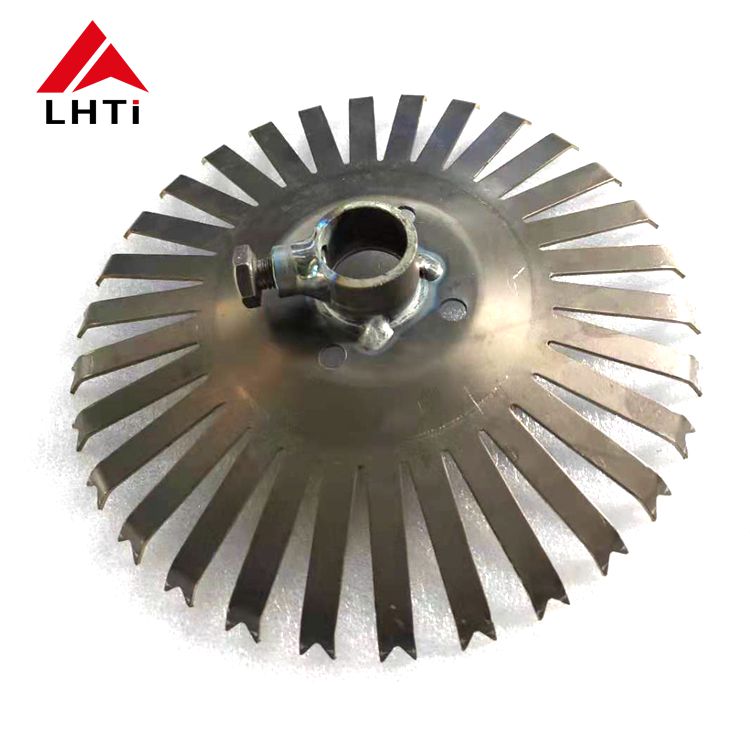
Anodizing Titanium 30-Teeth Precision Disk Rack
View Engineering Specs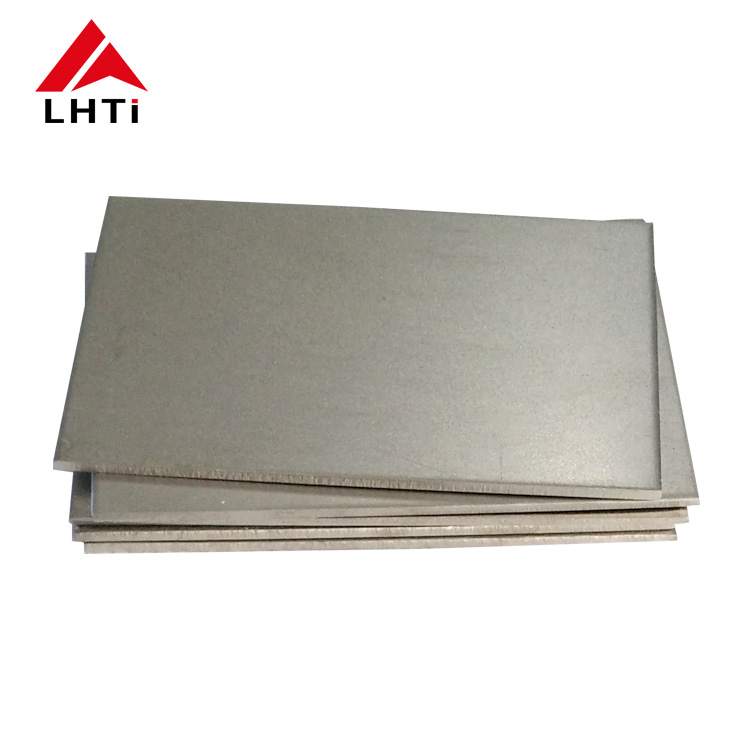
ASTM B265 Gr2 / Gr5 Industrial Titanium Plate
View Engineering Specs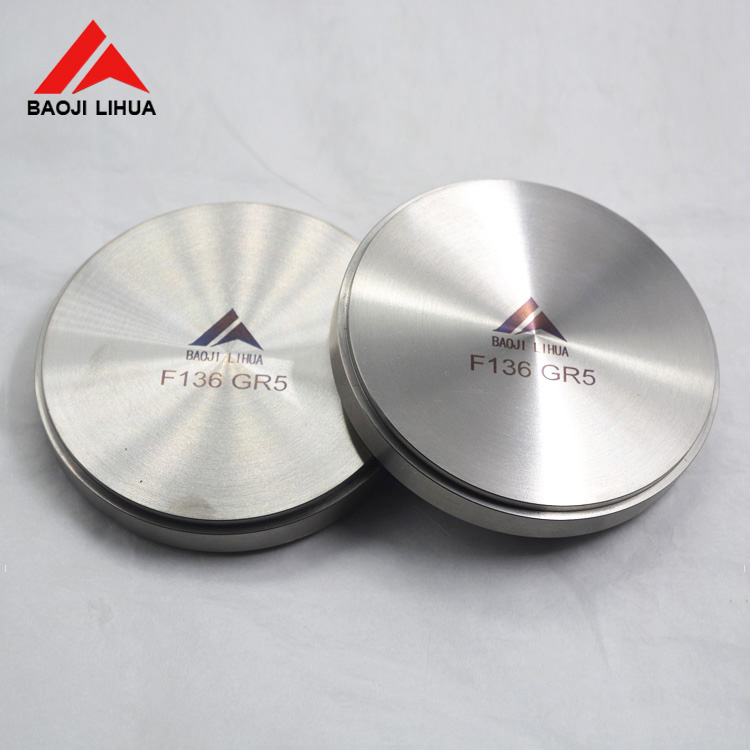
Medical Grade Gr5 ELI / Gr23 Forged Titanium Block
View Engineering Specs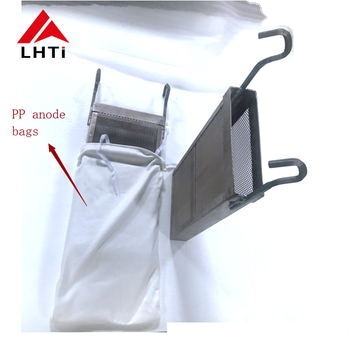
Gr2 Anodising Titanium Mesh Basket with PP Bags
View Engineering Specs
2006
Founding Year
100+ Tons
Annual Ingot Capacity
EN 10204 3.1
Certified Inspection
≤ 8 Hours
Technical Response
Procurement Whitepaper
Structural Mechanics and Metallurgical Imperatives of Titanium ANSI Blind Flanges
A rigorous metallurgical overview of ASME B16.5 class ratings, fluid dynamics, and non-destructive testing requirements for critical shut-off configurations.
In high-pressure piping assemblies and process containment vessels, the ANSI Blind Flange (also designated ASME B16.5 Blind Flange or "BLRF" for Raised Face configurations) serves as the primary barrier against hazardous chemical egress and pressure release. Unlike slip-on, weld neck, or socket-weld flanges that facilitate fluid transportation, a blind flange is exposed to the maximum bending stresses centered at its core. When operating in hyper-corrosive, chloride-dense, or high-salinity regimes, conventional austenitic stainless steels (such as 316L or 904L) regularly suffer from localized pitting, crevice corrosion, and catastrophic stress corrosion cracking (SCC). Consequently, Tier-1 engineering operations across West Yorkshire are transitioning critical terminal lines to commercially pure and alpha-beta alloyed titanium.
Manufactured strictly in accordance with ASME B16.5 and ASTM B381 (Grade F-2, Grade F-5, Grade F-7, and Grade F-12), Jovzi Titanium Industry Co., Ltd. machines blind flanges directly from homogeneous, hot-forged billets. By avoiding porous cast blanks or unrefined wrought materials, our forgings maintain an unbroken, directional grain flow around the sealing face, bolt-hole circle, and perimeter edge. This mechanical orientation dramatically enhances resistance to high-cycle fatigue, cyclic pressure surges, and hydrostatic testing overpressures up to Class 2500 ratings.
| Titanium Grade | UNS / Standard | Min Tensile (MPa) | Min Yield (MPa) | Primary Technical Characteristics | Recommended Operating Regimes |
|---|---|---|---|---|---|
| Grade 1 (CP 4) | UNS R50250 / ASTM B381 F-1 | 240 | 170 | Highest elongation, lowest interstitial oxygen, optimum formability | Low-pressure chemical containment, mildly oxidizing atmospheres |
| Grade 2 (CP 3) | UNS R50400 / ASTM B381 F-2 | 345 | 275 | Ideal balance of moderate mechanical strength and absolute corrosion resistance | Standard ASME B16.5 blind lines, cooling seawater loops, Leeds wet processing |
| Grade 5 (Ti-6Al-4V) | UNS R56400 / ASTM B381 F-5 | 895 | 828 | High strength-to-weight ratio, exceptional yield limit under internal hydrostatic pressure | Class 900–2500 lines, aerospace test benches, downhole tooling enclosures |
| Grade 7 (Ti-0.15Pd) | UNS R52400 / ASTM B381 F-7 | 345 | 275 | Palladium interstitial stabilization prevents micro-crevice corrosion | Extreme acidic chloride media, wet chlorine gas, low-pH industrial effluents |
| Grade 12 (Ti-Mo-Ni) | UNS R53400 / ASTM B381 F-12 | 483 | 345 | Enhanced resistance to crevice attack above 75°C without the high cost of pure palladium | High-temperature geothermal heat recovery, chemical synthesis reactors |
The sealing integrity of a titanium ANSI blind flange relies heavily on surface topography. Jovzi provides standard Raised Face (RF) finishes with a serrated concentric or spiral finish conforming to ASME B16.5 surface roughness requirements (typically Ra 3.2 µm to 6.3 µm / 125 to 250 micro-inches). This precise mechanical grooving ensures proper biting and sealing of PTFE, expanded graphite, or titanium-jacketed spiral-wound gaskets under bolt loading, eliminating micro-channel leak paths. For lethal service or severe chemical applications, we produce Ring Type Joint (RTJ) blind configurations engineered to API 6A tolerances with precision-cut octagonal grooves.
Regional Engineering Deployment
Localized Applications Across Leeds and West Yorkshire
Supporting advanced industrial clusters throughout the Aire Valley, Stourton, Kirkstall, and the broader M62 manufacturing corridor.
Advanced Chemical & Solvent Recovery in the Aire Valley
Processing complexes in East Leeds and along the River Aire utilize Grade 2 and Grade 7 blind flanges on pressure vessel cleanout nozzles and distillation towers. These units regularly encounter aggressive hydrochloric vapor, chlorinated organics, and hot volatile organic compounds (VOCs) that corrode 316 stainless steel within weeks.
High-Integrity Valve & Flow Control Manufacturing
Leeds holds a long-standing legacy as a global center for valve engineering and severe-service pumping stations. Major actuator and valve manufacturers in the region integrate our Grade 5 and Grade 2 blind flanges into their hydrostatic pressure verification benches to safely test subsea choke valves up to Class 1500.
Pharmaceutical & Biotechnology Cleanroom Loops
Yorkshire’s pharmaceutical corridor relies on ultra-pure fluid circulation loops. Titanium blind flanges, especially when configured with Ra < 0.4 µm electro-polished contact surfaces, completely prevent metallic ion leaching, providing absolute biosecurity for antibiotic and sterile API manufacturing lines.
Clean Energy, Heat Recovery & District Power
Modern sustainability projects across West Yorkshire leverage low-carbon thermal energy, utilizing titanium heat exchangers that harvest calories from harsh river water or industrial effluent. Our blind flanges ensure foolproof isolation during seasonal maintenance cycles, guaranteeing zero environmental leakage.
Procurement Forecasting
Emerging Procurement Trends in Yorkshire Heavy Industry
How the green transition, life-cycle cost (LCC) modeling, and supply chain reshoring shape titanium sourcing.
Procurement teams across Leeds, Bradford, and Sheffield are re-evaluating capital expenditure (CapEx) against total operational expenditure (OpEx). Historically, mechanical engineers defaulted to Hastelloy C-276, Inconel 625, or Super Duplex stainless steel (UNS S32750) for critical shut-off lines. However, wild price fluctuations in nickel and cobalt have led procurement directors to choose titanium. With a density of just 4.51 g/cm³ compared to nickel alloys (8.9 g/cm³) and steel (7.85 g/cm³), titanium offers significant weight savings that lower mechanical dead loads and reduce offshore logistics costs.
Furthermore, the UK Net-Zero 2050 framework is driving rapid expansion in hydrogen production infrastructure across the Humber and Yorkshire corridors. Electrolyzer facilities, which handle aggressive demineralized water circuits and catalytic byproducts, are standardizing on ASTM B381 Grade F-2 and F-12 blind flanges. The natural, self-healing titanium dioxide (TiO2) passive layer provides superior protection against both high-velocity fluid wear and microscopic hydrogen embrittlement at ambient operating temperatures, making titanium an increasingly preferred material for next-generation clean-energy installations.
The Jovzi Engineering Advantage
Engineered in China's Titanium Valley, Delivered Directly to Leeds
Direct mill sourcing, audited CNC manufacturing, and rigorous quality assurance since 2006.
Baoji Mill Integration
Situated in China's Titanium Valley, Jovzi sources ultra-pure titanium sponge with uninterrupted supply lines, shielding our partners from volatile spot-market markups.
Rapid UK Air Logistics
We maintain streamlined export channels to the UK, offering rapid air freight to Leeds East Airport, Manchester (MAN), and London Heathrow (LHR) within 5–7 business days.
MTC 3.1 & Lab Audits
Every blind flange is stamped with a traceable heat lot number and accompanied by an EN 10204 3.1 mill test certificate with third-party testing via the BaoTi Test Center.
Bespoke CNC Customization
Equipped with modern CNC turning and multi-axis machining centers, our 9 senior and intermediate engineers manufacture custom faces, taps, and RTJ profiles directly to customer drawings.
Procurement Clarifications
Frequently Asked Questions by Yorkshire Engineers
Essential guidance covering international standards compliance, galvanics, customs clearance, and logistics.
How do ASME B16.5 blind flange bolt holes mate with existing UK BS 4504 piping?
ASME B16.5 is an imperial standard with distinct Pitch Circle Diameters (PCD) and bolt hole dimensions compared to metric BS 4504 / EN 1092-1 flanges. Jovzi can machine dual-standard compatible bolt holes or produce custom transition blind flanges to ensure seamless mating with legacy UK pipe runs without on-site field modifications.
What preventative measures stop galvanic corrosion between titanium flanges and steel mating lines?
Titanium is noble on the galvanic chart. When mating a titanium blind flange to a carbon steel or stainless pipe spool in conductive electrolytes, install an electrical isolation kit comprising a reinforced dielectric gasket (G10/Mylar), insulating bolt sleeves, and non-conductive phenolic washers to isolate the assembly.
Can you provide blind flanges certified to UK Pressure Equipment Regulations (PE(S)R)?
Yes. We regularly supply pressure-containing titanium products fully compliant with the Essential Safety Requirements (ESRs) of the Pressure Equipment (Safety) Regulations 2016 and the European PED 2014/68/EU, supported by full EN 10204 3.1 certification and traceable heat records.
What are the Incoterms and delivery timelines for industrial destinations in Leeds?
We routinely deliver under DDP (Delivered Duty Paid), DAP, CIF, or FOB terms. Standard stock items and blanks ship by express courier within 5 to 7 days, arriving directly at your facility in Leeds, Bradford, or Stourton with UK customs and VAT clearance fully coordinated.
Request an Expedited Engineering Quote
Submit your ASME B16.5 blind flange schedules, material grades, or custom machining drawings. Our Baoji metallurgy team and technical specialists respond within 8 business hours with verified pricing, testing procedures, and delivery schedules.