Industrial
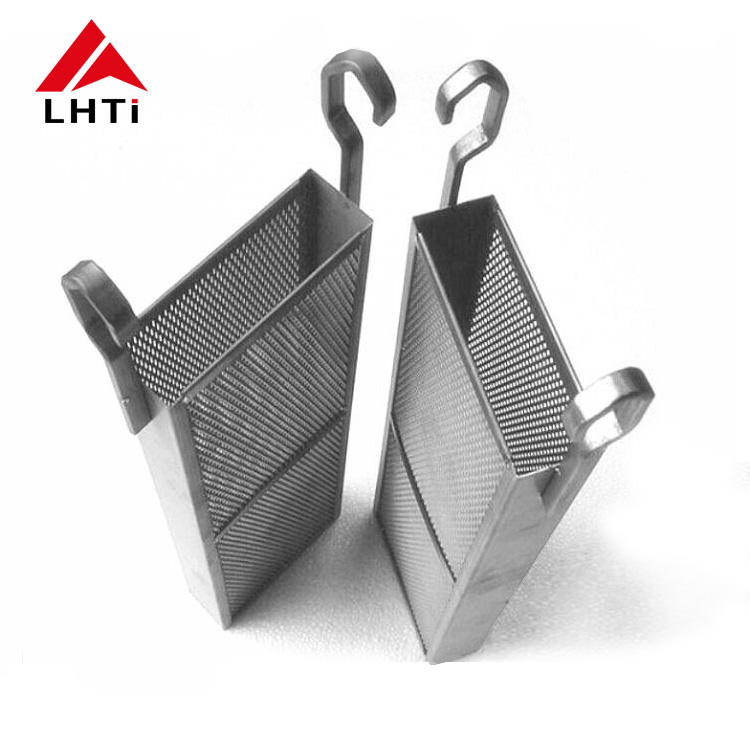
Precision-machined fasteners, specialty alloy shapes, and pressure components produced to ASTM, ASME, and DIN standards for delivery into Waterford and the European common market.
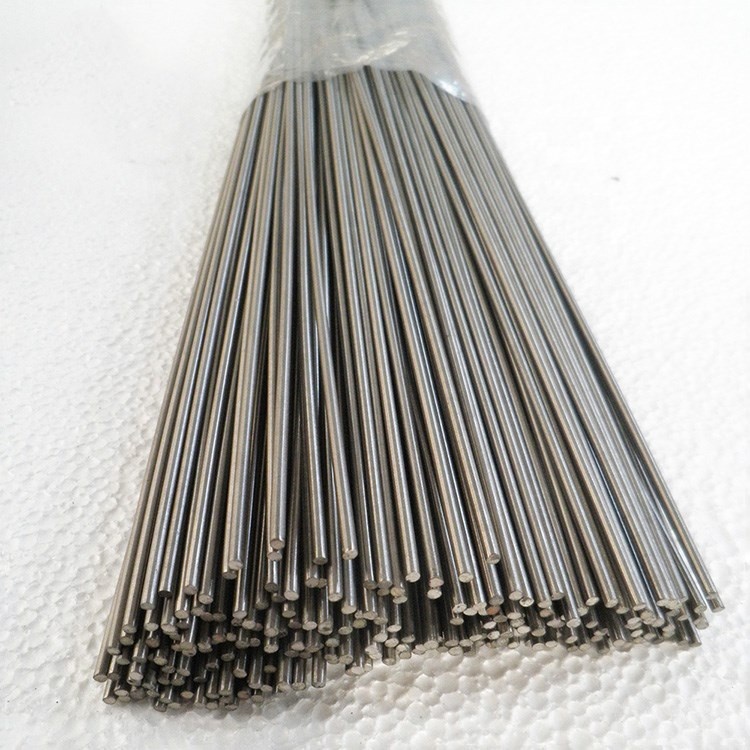
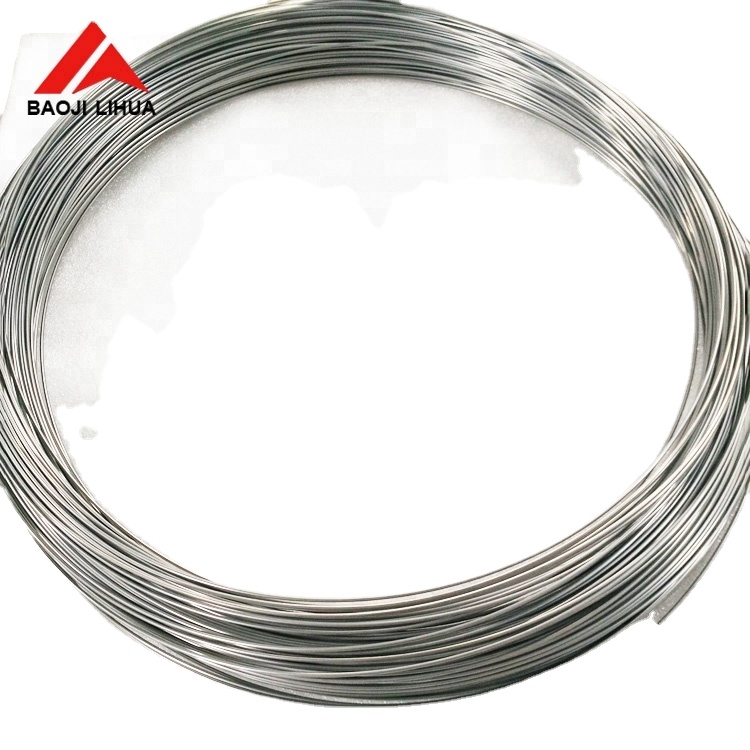
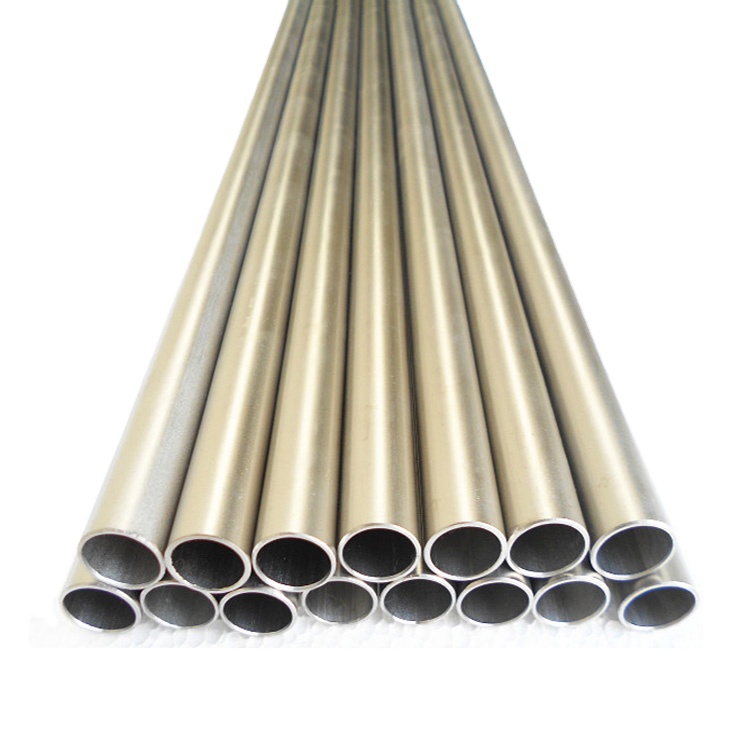
Exhaust manifold stud bolting is universally recognized as one of the most mechanically demanding fastener environments in combustion powertrain engineering. Operating in direct proximity to cylinder exhaust ports, manifold hardware is subjected to acute thermal cycling between ambient temperatures and post-combustion peaks often exceeding 750°C. In conventional automotive applications, low-alloy high-tensile steels (such as Grade 8.8 or Grade 10.9) and standard austenitic stainless steels (AISI 304 or 316) are deployed due to historical cost factors. However, in aggressive operational environments—such as coastal regions with ambient salinity and commercial logistics fleets—standard materials suffer rapid creep-rupture, stress-corrosion embrittlement, and catastrophic thread seizing.
For engine builders, fleet engineers, and performance fabricators across Waterford and the South-East of Ireland, the mechanical failure of an OEM exhaust stud entails hours of costly EDM extraction, head resurfacing, or scrapped cylinder castings. Upgrading to Grade 5 Titanium (Ti-6Al-4V, UNS R56400) stud bolt kits provides an authoritative metallurgical remedy by resolving the three primary root causes of exhaust interface failure: coefficient mismatch, thermal relaxation, and galvanic fusion.
Ti-6Al-4V demonstrates a linear coefficient of thermal expansion (CTE) of approximately 8.6 × 10⁻⁶/K at 20°C–400°C. Compared to stainless steels (16.0–18.0 × 10⁻⁶/K), titanium expands at a rate significantly closer to cast iron engine blocks and cast turbocharger scrolls, virtually eliminating thermal fatigue shearing across flange interfaces.
Under elevated exhaust gas temperatures, titanium naturally regenerates a dense, self-healing rutile and anatase titanium dioxide (TiO₂) passivation skin. This barrier prevents interstitial oxygen migration, eliminates scale pitting, and renders the fastener impervious to airborne sodium chloride mists and wet winter road slush.
Our factory utilizes multi-stage thread rolling processes post-solution heat treatment rather than single-point CNC cutting. Rolling burnishes the root fillets and forces the metallurgical grain structure into an unbroken contour, yielding up to 300% higher dynamic fatigue endurance under heavy turbo resonance.
When selecting hardware for manifold-to-head or turbocharger hot-side connections, procurement specialists must balance tensile yield, operational weight, thermal expansion characteristics, and real-world galling risk. The engineering matrix below contrasts Jovzi Grade 5 Titanium auto exhaust stud bolts against conventional automotive materials:
| Mechanical & Thermal Property | Jovzi Gr5 Titanium (Ti-6Al-4V) | Class 10.9 Alloy Steel | AISI 316 Marine Stainless | Inconel 718 (Nickel Superalloy) |
|---|---|---|---|---|
| Density (g/cm³) | 4.43 (Lightweight) | 7.85 (Heavy) | 7.98 (Heavy) | 8.19 (Very Heavy) |
| Yield Strength (MPa at 20°C) | 828 – 910 | 900 – 940 | 220 – 300 (Low Clamp) | 1,100 – 1,200 |
| CTE (20°C–400°C) [×10⁻⁶/K] | 8.6 – 9.2 (Stable) | 12.0 – 13.5 (Moderate) | 16.5 – 18.0 (High Expansion) | 13.0 – 14.2 (Moderate) |
| Salt Mist Corrosion Rating (ISO 9227) | Immune (>2000 hrs Zero Rust) | Poor (Severe Red Rust <48 hrs) | Good (Pitting in crevices) | Immune (>2000 hrs) |
| Galling & Seizing Tendency | Low (with PVD / Anti-seize) | High (Oxidative rust welding) | Severe (Cold-galling prone) | Moderate |
| Typical Exhaust Cycle Lifespan | Permanent (Engine Life) | Frequent Shear / Replacement | Thermal Stretch / Loosening | Permanent (High Surcharge) |
Why precision titanium fasteners deliver tangible operational payback within Waterford City, Port of Waterford (Belview), Tramore coastal routes, and surrounding motorsport facilities.
Waterford, Ireland’s oldest city and primary maritime logistics node for the South-East region, presents a distinct set of operating conditions that accelerate mechanical wear on conventional automotive exhaust assemblies. Bordered by the tidal waters of the River Suir and the aggressive coastal air currents of the Celtic Sea, hardware exposed to ambient atmosphere encounters constant chloride deposition. When vehicles traverse regional corridors such as the N25, M9, and local coastal routes connecting Dungarvan, Dunmore East, and Passage East, road spray laden with de-icing salts and sea water aerosol creates severe electrochemical corrosion cells.
In standard vehicle fleets and light commercial vans operating continuously around Belview Port, high-frequency stop-start heavy-load cycles generate extreme thermal shocks within the turbocharger and manifold studs. OEM steel studs repeatedly exposed to salty road surface water experience rapid galvanic oxidation at the thread roots where they seat into aluminum cylinder heads. This leads to catastrophic "rust jacking" and stress embrittlement, often resulting in stud snap-off during scheduled turbo replacements or manifold gasket reseals. By retrofitting with Jovzi Grade 5 rolled-thread titanium exhaust studs, commercial operations permanently eradicate galvanic thread freezing, slashing maintenance downtime and labor expenditures.
Simultaneously, County Waterford and neighboring Munster counties maintain an active enthusiast base centered around track-day tuning, rally preparation, and historic motorsport. High-boost turbocharged engines operating under competitive track conditions push exhaust manifold temperatures past 800°C. Standard stainless fasteners exhibit thermal elongation ("stretching") at these thermal plateaus, reducing bolt pre-load and triggering manifold gasket blow-outs. Titanium Grade 5 retains up to 80% of its yield capacity up to 450°C and maintains superior structural rigidity under momentary peak thermal spikes, guaranteeing airtight gas seals, stable boost curves, and zero turbine lag.
Heavy haulage, distribution vans, and port utility trucks operating around Belview Port benefit from zero-maintenance manifold bolting immune to damp brackish atmospheres.
Irish rally cars, drift series builds, and performance conversions in Waterford require high-temperature bolt retention under severe vibration and turbo thrust backpressures.
Diesel generators, inboard workboats, and sea-tenders docking at Dunmore East utilize titanium manifold hardware to resist open-water salt aerosol degradation.
Analyzing technical supply chain adaptations and regulatory demands shaping specialized fastener sourcing across Irish engineering hubs.
The manufacturing and automotive maintenance landscape across Ireland is undergoing a pronounced technological transition toward life-cycle asset optimization. Driven by the Irish National Climate Action Plan and corporate Environmental, Social, and Governance (ESG) guidelines, transport and engineering enterprises across the South-East are pivoting away from disposable, single-use steel fasteners toward durable, high-integrity materials that eliminate recurrent repair cycles. Sourcing managers are increasingly calculating the Total Cost of Ownership (TCO) rather than mere initial unit acquisition cost.
In high-mileage commercial vehicle operations, an unscheduled maintenance stoppage due to a snapped €2 OEM steel exhaust stud routinely incurs over €600 in auxiliary expenses, including mechanic workshop hours, specialist drilling kits, gasket kits, and lost route revenue. The initial capital expenditure for a premium Grade 5 titanium stud assembly—often less than 5% of a single roadside extraction cost—delivers immediate ROI. Furthermore, with Ireland’s growing ecosystem of advanced engineering startups, precision agricultural machinery modifiers, and bespoke automotive prototyping workshops, direct mill-level access to verified ASTM titanium stock represents a decisive competitive advantage.
Jovzi Titanium positions Waterford fabricators at the forefront of this industrial shift. By partnering directly with our manufacturing facilities in Baoji, Irish procurement directors secure certified aerospace-grade raw material, custom thread pitches (M8×1.25, M10×1.25, M10×1.50) with precision dog-point starting tips, and Allen-drive hex sockets that drastically streamline robotic and manual assembly line ergonomics.
Operating since 2006, Jovzi combines primary ingot processing, CNC precision thread machining, and certified metallographic quality verification for global exporters.
Situated in Shaanxi's Titanium Valley, we access superior 0A-grade sponge titanium, eliminating middlemen and assuring full melt-to-part metallurgical integrity.
Established in 2006, our factory supplies 81%–90% of our production to sophisticated buyers in Germany, the UK, the USA, and EU logistics hubs.
Every shipment is delivered with comprehensive MTCs detailing chemical heat numbers, yield and tensile curves, verified by the authorized BaoTi Test Center.
Rigorous inline quality control covering optical profile checking, eddy-current crack detection, and digital thread gauge verification across all fastener batches.
Staffed by 4 senior and 5 intermediate metallurgical engineers, we execute custom CAD/STEP drawings, unique head geometries, and functional PVD finishes.
Experienced shipping arrangements direct to Rosslare Europort, Dublin Airport, or Shannon, supporting DAP and DDP incoterms with full import compliance.
Direct, transparent answers regarding customs tariffs, torque specifications, anti-galling procedures, and delivery schedules to Ireland.
Equip your workshop, race team, or commercial fleet in Waterford with certified Grade 5 titanium exhaust bolting and precision alloy components. Fast mill-direct pricing and technical datasheets.