Engineered Titanium Components & Ball Valve Accessories
Precision-forged, CNC-turned, and dimensionally calibrated titanium alloys compliant with ASTM, ASME, and DIN standards for harsh operating media.
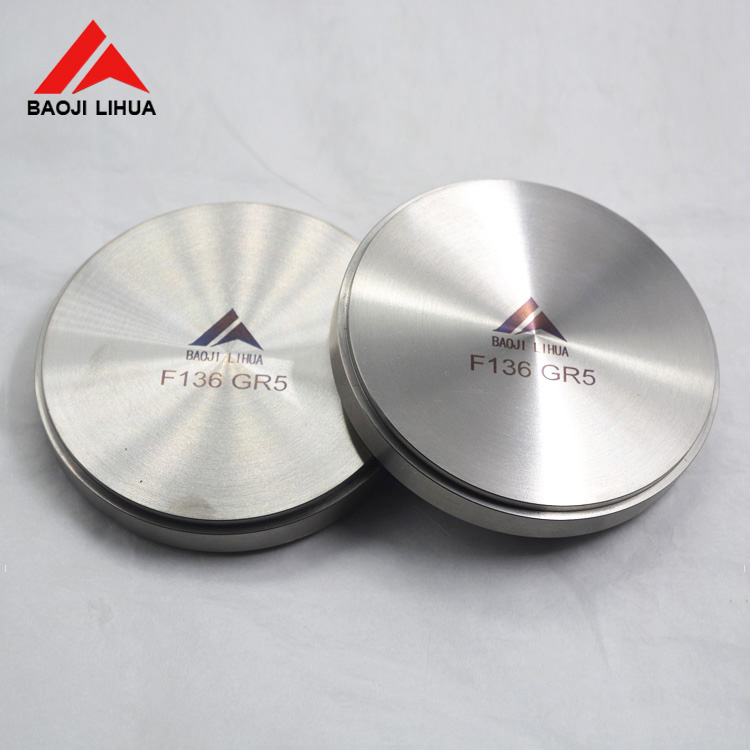
Medical Grade Titanium Block Gr5 ELI Gr23 Disc
- Grade: Gr5 ELI / Ti-6Al-4V
- Standard: ASTM F136 / B348
- Application: Precision Valve Cores
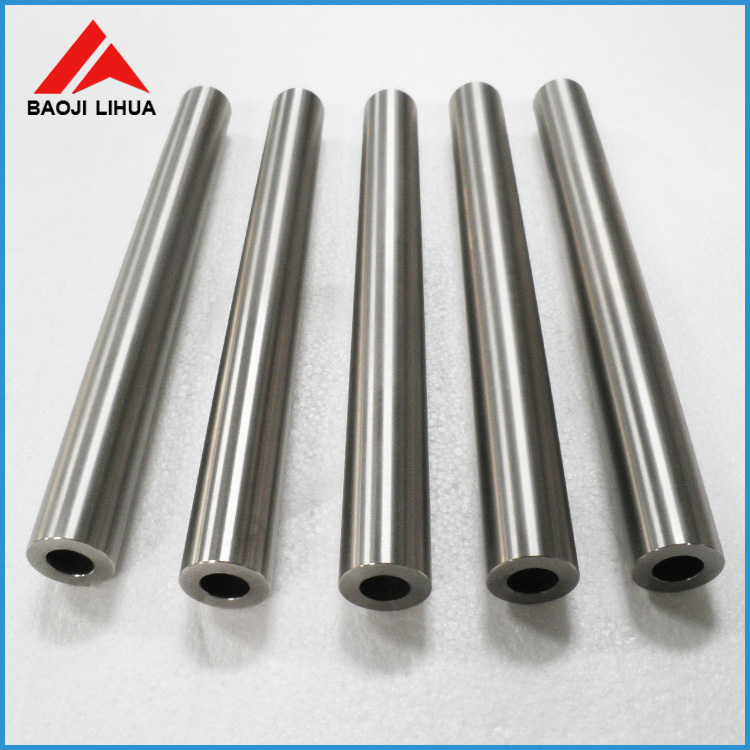
Gr2 & Gr7 Titanium Piping & Pressure Tubing
- Grade: Gr2 CP / Gr7 (Ti-0.15Pd)
- Standard: ASTM B338 / B861
- Suitability: Acid Piping / Corrosive Gas
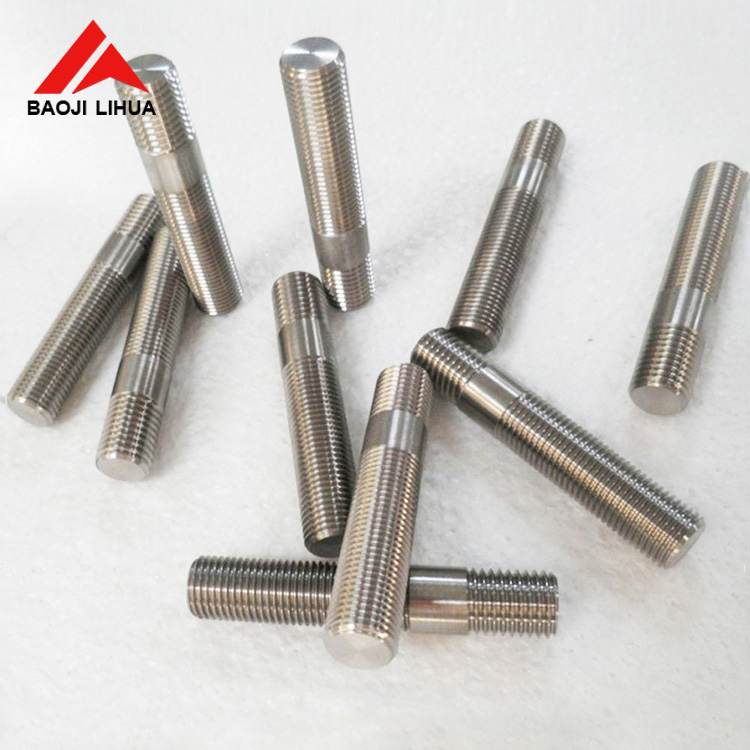
M8 M10 M12 Titanium High-Strength Stud Bolts
- Grade: Gr2 / Gr5 Ti-6Al-4V
- Process: Thread Rolled / Annealed
- Rating: Class 150/300 Bolting
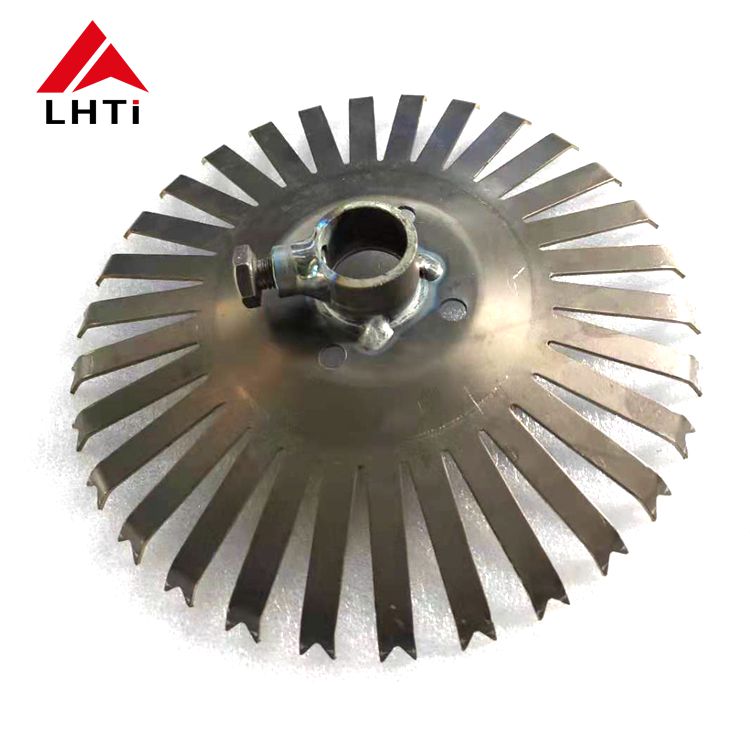
Anodizing Titanium 30-Teeth Disc Fixture Rack
- Grade: CP Grade 1 / Grade 2
- Resistance: Chromic & Sulfuric Bath
- Design: Custom CNC Laser Cut
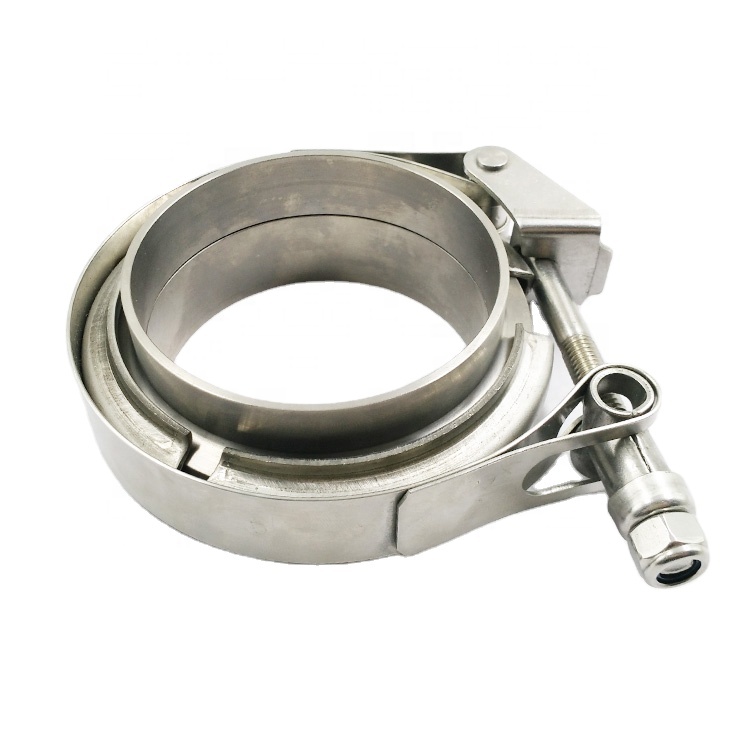
Gr1/Gr2 Precision Titanium V-Band Clamps
- Sizes: 2", 3", 4", 5" Diameters
- Profile: Male/Female Flange Fit
- Features: Zero-Gasket Leakage Path
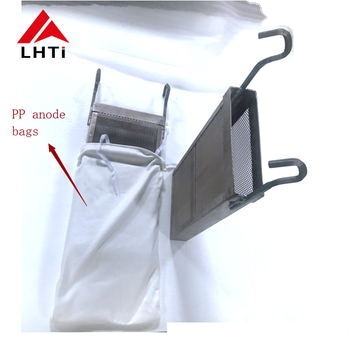
Gr2 Anodizing Titanium Basket Systems
- Material: ASTM B265 Gr2 Sheet/Mesh
- Accessory: PP Chemical Anode Bags
- Duty: Electro-Cladding Cells
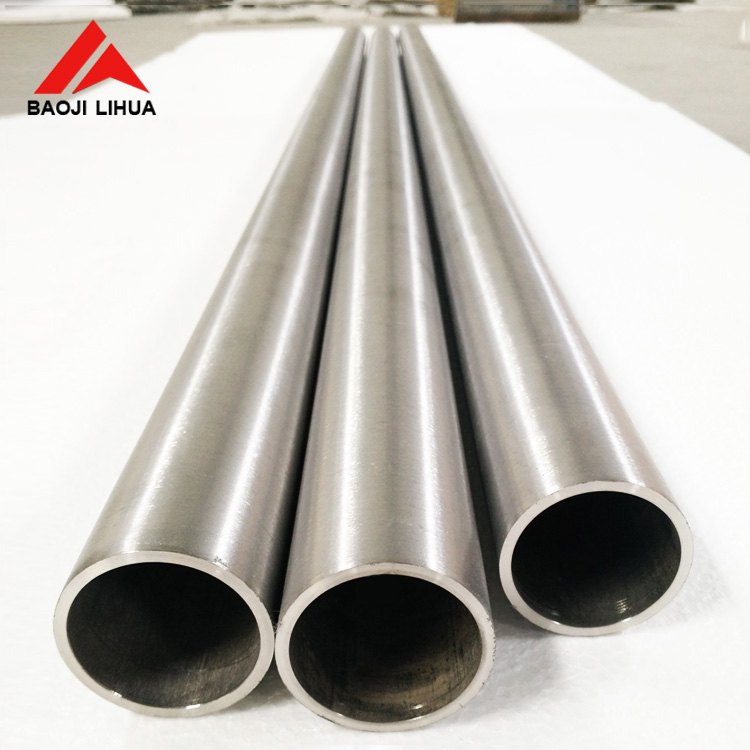
Gr1/Gr2/Gr9 Industrial Calibrated Pipe Tubing
- Diameters: 38mm to 102mm OD
- Tolerances: Cold Rolled / Annealed
- Integrity: 100% Eddy Current Inspected
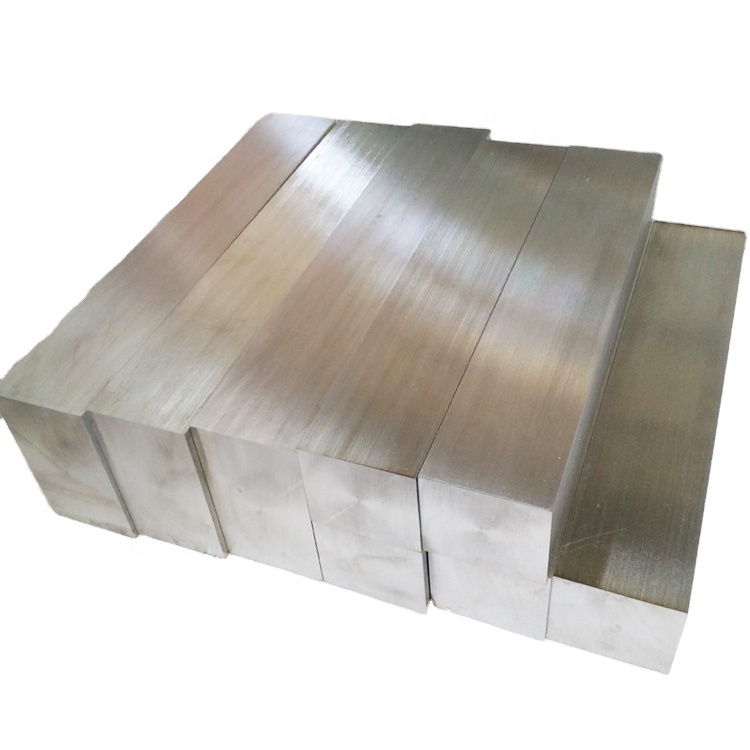
Titanium GR5 Ti-6Al-4V Block ASTM B348
- Grade: Gr5 (UNS R56400)
- Tensile: ≥ 895 MPa Yield Tested
- Utility: Custom Valve Bodies / Blocks
Whitepaper: Industrial Valve Geopolitics & Chemical Flow Metallurgy in Narva & Ida-Viru
As northeastern Estonia transitions its heavy industrial legacy, Narva occupies an invaluable geographic and technical juncture. Known historically for dense energy generation along the Narva River and chemical distillation complexes handling oil shale fractions, this territory faces an aggressive modernization imperative. In piping design, ordinary austenitic alloys (such as AISI 304 and 316L) routinely suffer from stress corrosion cracking (SCC) and rapid pitting when subjected to brackish cooling currents, high-temperature sulfur-bearing syn-gases, and localized chloride accumulation. Jovzi Titanium provides certified valve bodies, trunnions, and floating ball assemblies that mitigate this chemical failure mechanism at the metallurgical root.
Commercially Pure Grade 2 (UNS R50400) and Palladium-stabilized Grade 7 (UNS R52400) exhibit an instantaneously self-regenerating titanium dioxide (TiO2) passive film. In severe industrial processes common to Ida-Viru County—such as flue gas desulfurization (FGD), acidic scrubber wash, chlorine wash loops, and Baltic port logistics terminals—this passive layer remains thermodynamically stable across redox zones where nickel alloys experience depassivation. For pressurized isolation lines, our forged titanium ball valves, engineered in accordance with API 6D and ASME B16.34 parameters, ensure uncompromised fire-safe shutoff, bubble-tight sealing via modified PTFE/PEEK seats, and complete chemical immunity.
Furthermore, local environmental initiatives require zero fugitive emissions to align with EU Industrial Emissions Directive (IED) compliance. Jovzi Titanium's ball valve configurations integrate live-loaded stem seals, precision-lapped spherical balls with micro-finish roundness (≤ 0.05 μm Ra), and blowout-proof valve stems forged directly from single-billet ASTM B381 Grade F2 or Grade F5 stock. This construction completely eliminates micro-porosity defects typical of sub-standard sand castings, offering municipal water operators, power plant engineers, and downstream chemical process developers in Narva extended maintenance cycles spanning decades rather than months.
Localized Industrial Applications in the Narva Region
Engineered to resolve specific operational challenges across Ida-Viru's primary manufacturing, processing, and marine sectors.
Shale Oil Retorting & Syn-Gas Refining
Distillation scrubbers and condensate circuits carrying hydrocarbon vapor, hydrogen sulfide (H2S), and wet chlorine mixtures require Grade 7 / Grade 12 valves to prevent intergranular stress corrosion cracking at operational thresholds up to 260°C.
Baltic Brackish Cooling & Desalination
Intake facilities drawing from Baltic estuarine waterways encounter high sedimentation and micro-biological biofouling. Titanium CP Grade 2 valves offer absolute immunity to pitting and microbiologically influenced corrosion (MIC), outperforming duplex steels.
Green Hydrogen & Electro-Chemical Cells
In pilot regional decarbonization programs throughout northeastern Estonia, PEM and alkaline electrolysis plants mandate iron-free, non-contaminating titanium fluid path valves to ensure high electrolyte purity and resistance to nascent oxygen embrittlement.
Future Industrial Trends Shaping Eastern Estonia
Procurement criteria are rapidly shifting under European Union carbon neutrality directives and regional infrastructure pivots.
Just Transition Fund (JTF) Re-industrialization
With hundreds of millions in European transition financing arriving in Ida-Viru, legacy petrochemical works are transitioning into modern high-purity chemical processing, synthetic polymer development, and advanced magnetics production, requiring sterile, hyper-corrosion-resistant valve assets.
Total Life Cycle Costing (LCC) Dominance
Estonian procurement committees have decisively shifted away from short-sighted initial purchase prices. When factoring plant shutdowns, weld replacements, and hazardous leakage liabilities, installing ASTM B381/B348 titanium ball valves lowers capital lifecycle expenditure by up to 64% over a 15-year envelope.
Stringent Fugitive Emissions (TA-Luft / ISO 15848-1)
Cross-border proximity to sensitive Baltic ecosystems has prompted municipal monitoring networks around Narva and Sillamäe. Jovzi Titanium constructs dual-envelope low-emission quarter-turn systems tested via helium mass spectrometry to certify leak tightness down to 10⁻⁴ mbar·l/s.
Why Source From Jovzi Titanium Industry Co., Ltd.
Direct manufacturer access, localized industrial insight, and uncompromising aerospace-grade metallurgical verification.
Strategic Hub in China's Titanium Valley
Headquartered in Baoji since 2006, Jovzi operates alongside primary smelting centers, securing first-choice vacuum arc remelted (VAR) sponge titanium ingots for exceptional chemical purity and crystal density.
Rigorous BaoTi Testing Center Certification
We provide full EN 10204 3.1 Mill Test Certificates detailing chemical composition, yield, tensile strength, and impact tests. Third-party testing by the national-grade BaoTi Testing Center is available upon request.
Advanced CNC Precision & Ball Lapping
Our machining workshop utilizes 4-axis and 5-axis CNC machining, deep hole drilling, and spherical grinding to produce floating and trunnion-mounted valve balls with ultra-fine surface finishes down to Ra 0.05.
Senior In-House Engineering Team
Staffed by 4 senior and 5 intermediate metallurgical and mechanical engineers, we provide drawing conversions, structural finite element analysis (FEA), and custom OEM / buyer-label adaptations for engineering tenders.
Robust Export Logistics to the European Union
With an 81–90% export ratio, our trade personnel are experienced in EU clearance, CIP/DDP freight to Baltic hubs (Tallinn, Narva, Sillamäe), and seaworthy packaging that prevents atmospheric oxidation or mechanical impact.
Flexible Minimum Order Quantities
We support both industrial scale-ups and replacement requirements, offering low MOQs on standard items (down to 1 piece for custom forged blanks or stub ends) and dedicated prototyping for plant modifications.
Procurement FAQ: Sourcing Titanium Ball Valves in Narva
Practical answers to technical, commercial, and regulatory questions commonly encountered by engineering teams in northeastern Estonia.
Q: How do Jovzi titanium ball valves handle wet chlorine and brine in Narva?
Commercially pure Gr2 and Gr7 titanium build an inert, self-healing oxide film in oxidizing chloride and wet chlorine streams. Unlike stainless steel grades, titanium is virtually impervious to pitting, crevice corrosion, and stress corrosion cracking at standard operating temperatures.
Q: Can Jovzi provide compliance with EU PED 2014/68/EU standards?
Yes. Our pressure-retaining forged valve components and finished valve products are manufactured with raw materials adhering to harmonized ASTM/ASME standards and can be fully supported with EN 10204 3.1 inspection certification confirming chemical and mechanical compliance.
Q: What valve ball designs and seating options are offered?
We manufacture both hollow floating balls (for reduced operating torque and weight optimization) and solid trunnion-mounted balls for high differential pressures. Seat configurations include soft-seated PTFE, RPTFE, and PEEK, as well as metal-seated stellite/WC-coated options for abrasive media.
Q: How are custom flange connections adapted to existing Estonian piping systems?
We supply titanium valve bodies with end connections machined to ASME B16.5 (Class 150, 300) or EN 1092-1 (PN16, PN25, PN40) dimensions, facilitating direct bolt-in integration into both legacy Soviet/European infrastructure and contemporary modern lines.
Q: What is the lead time for shipments destined for Ida-Viru County?
Standard raw material bars and forged billets are typically stocked for expedited CNC machining within 15–20 days. Completed valve lots ship via air cargo (5–7 days to Tallinn Airport) or consolidated sea container freight directly to Baltic terminals under your preferred Incoterms.
Q: What documentation is included in each delivery?
Every consignment includes comprehensive EN 10204 3.1 mill test certificates, dimensional inspection records, hydrostatic/pneumatic test logs, and raw material heat trace records. Third-party testing via the BaoTi Center can be arranged upon request.