Shape Memory
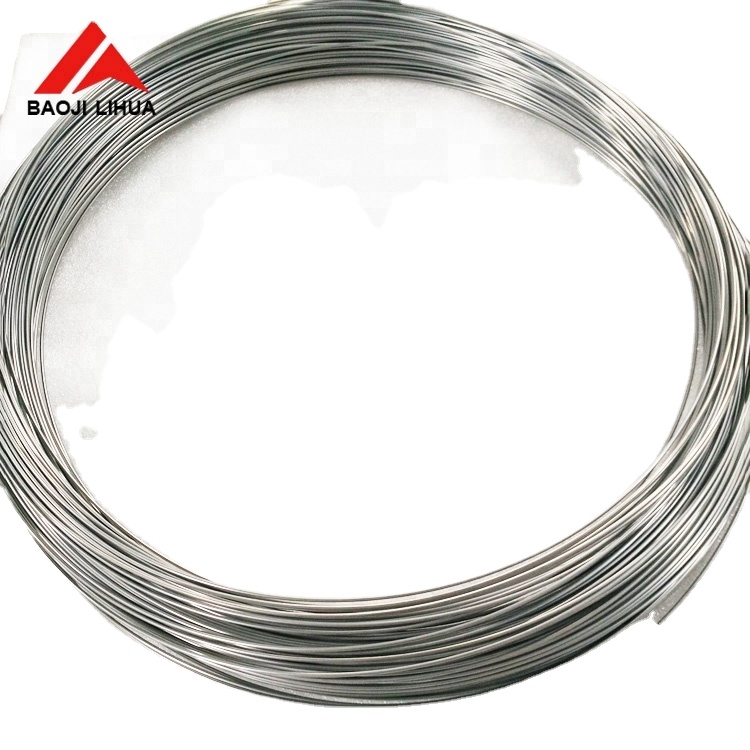
- Diameter: 0.45, 0.5, 0.55 mm
- Standard: ASTM F2063
- Delivery: Direct to Den Haag
Direct factory inventory and custom-machined products engineered to stringent European engineering norms and certified by accredited test laboratories.
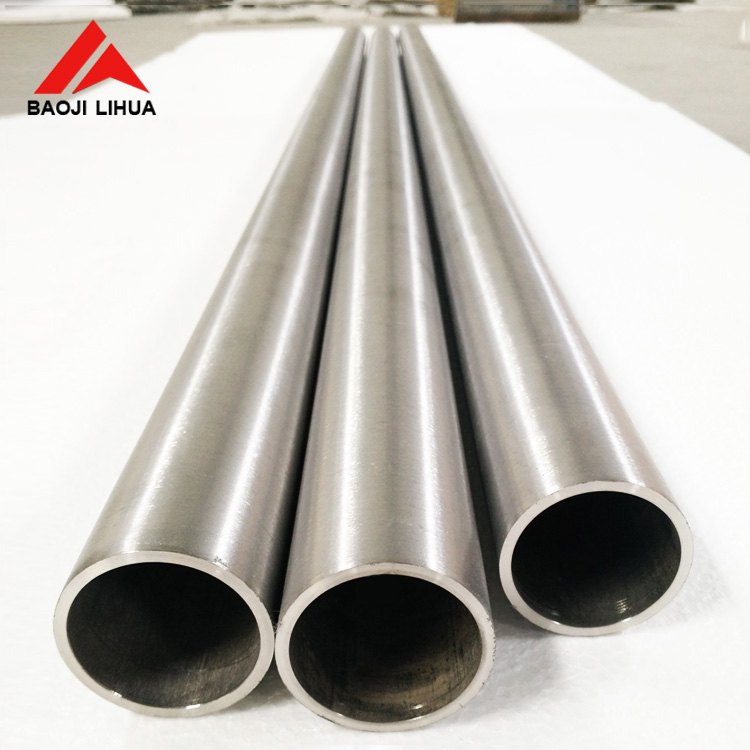
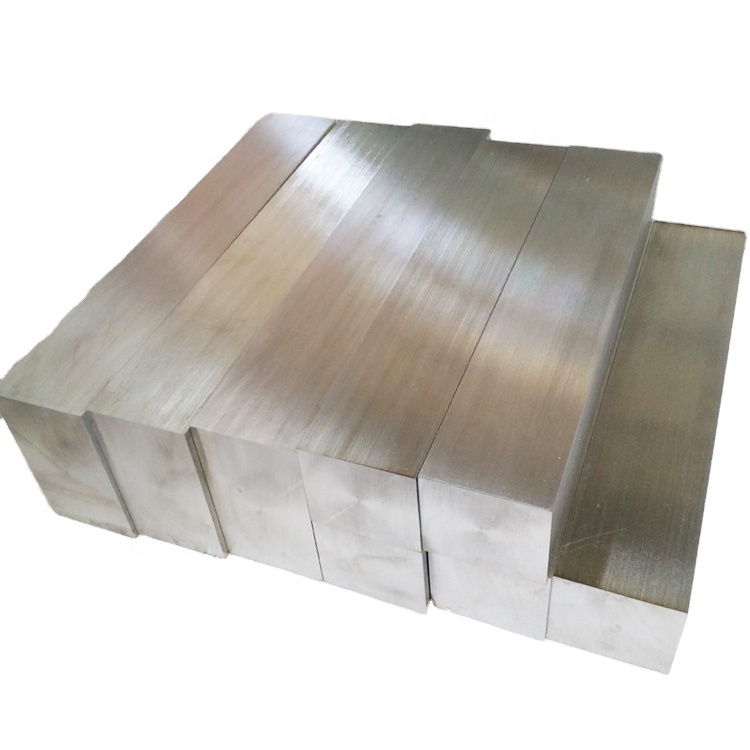
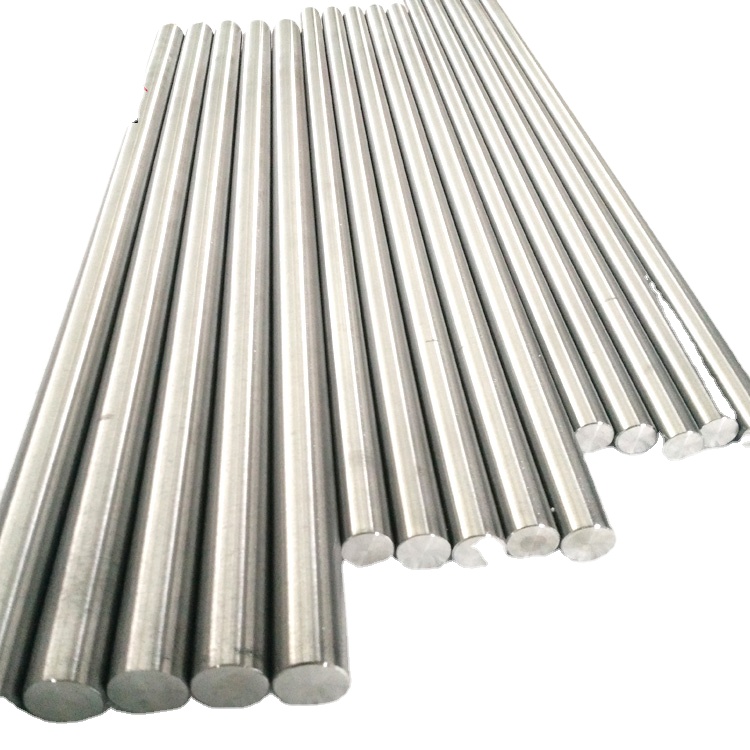
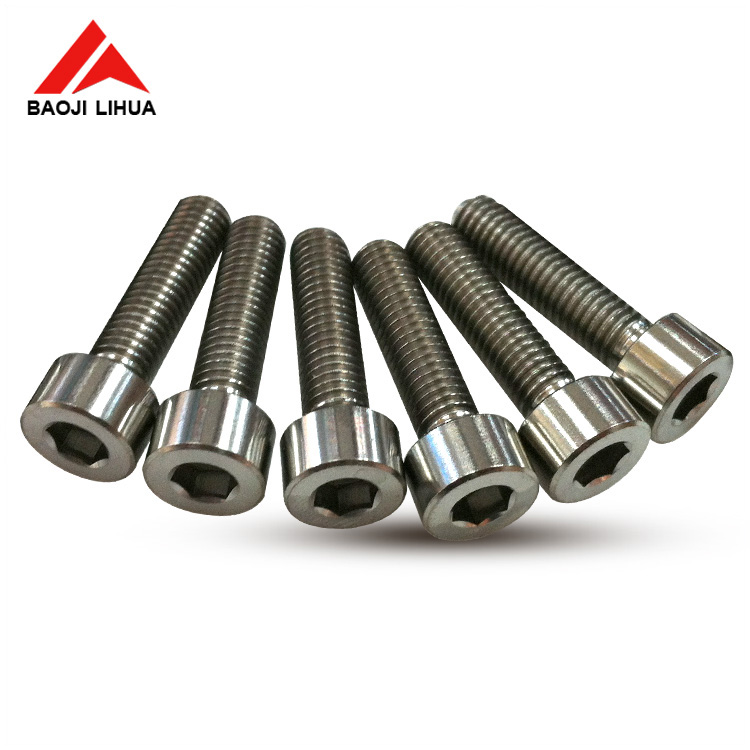
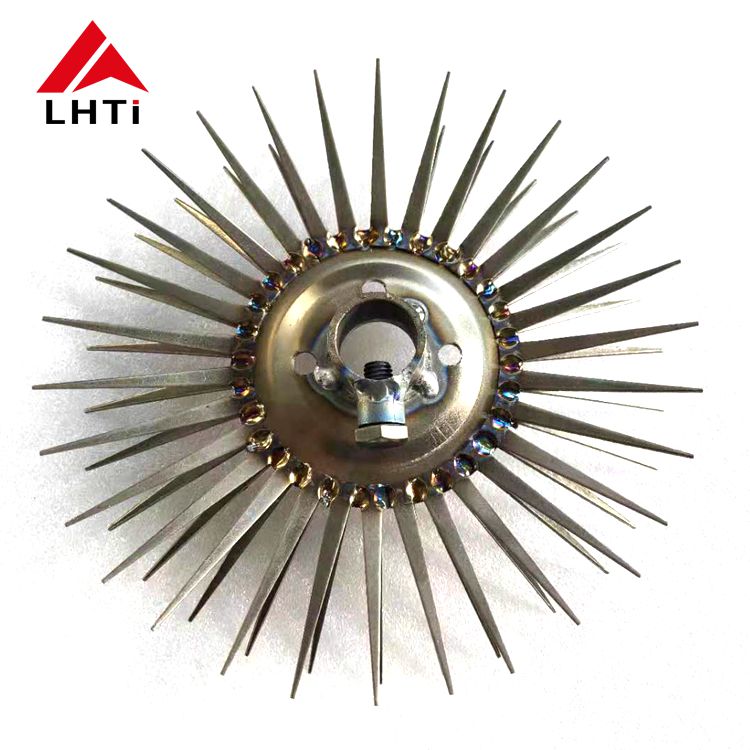
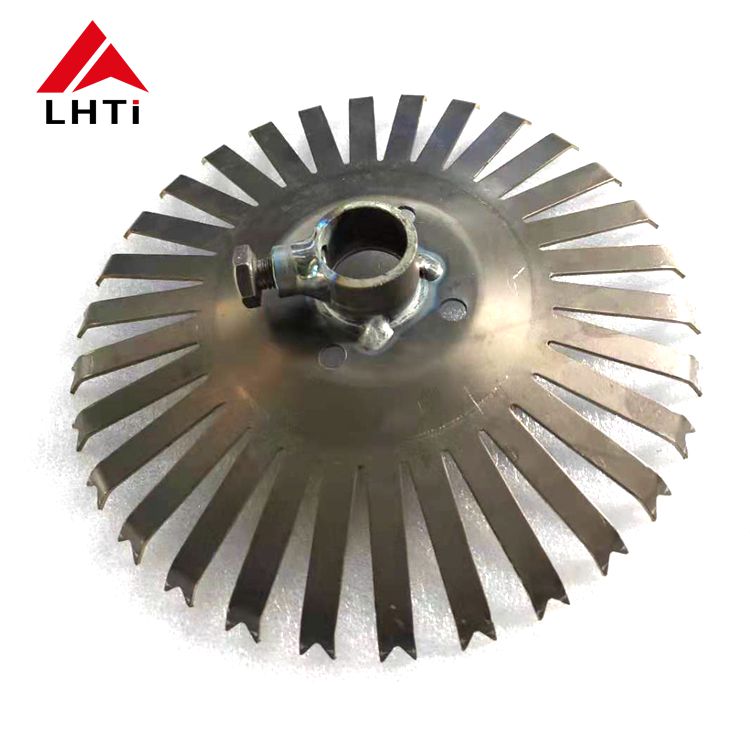
The industrial ecosystem surrounding The Hague (Den Haag), extending across Delft, Rotterdam, and the broader Zuid-Holland maritime-technology corridor, demands materials engineered beyond generic commercial limits. As the seat of the Dutch government and adjacent to Europe's maritime nexus, The Hague hosts premier scientific research institutions (TNO, TU Delft research satellites), subsea robotics integrators, offshore hydrogen pilot installations, and high-performance equipment builders. For these mission-critical sectors, procurement of ASTM B348 titanium bars, forged rounds, and medical-grade billets is not merely a purchase—it is an exercise in fracture mechanics, stress-corrosion immunity, and supply-chain risk mitigation.
Jovzi Titanium Industry Co., Ltd. operates directly out of Baoji, China—globally acknowledged as the "Titanium Valley"—controlling the production lifecycle from premium 0A-grade titanium sponge vacuum arc remelting (VAR) to multi-axis precision forging and rotary peeler peeling. When supplying titanium bars to OEMs and machine shops in The Hague, understanding the interplay between microstructural alpha-beta colony sizing, interstitial gas limits (H, O, N, C), and dimensional centerless grinding tolerances (h7, h8, h9) dictates whether a subsea valve body survives 3,000 meters of hydrostatic head or fails via stress cracking under high partial pressures of sour gas.
In particular, The Hague's growing leadership in offshore energy transition, including North Sea green hydrogen generation and carbon capture and storage (CCS) transport manifolds, demands titanium round bars that exhibit zero pitting potential in saturated chlorinated brine. Commercially pure Grade 2 (UNS R50400) offers supreme formability and general chemical passivity, whereas Ruthenium/Palladium-enhanced Grade 7 (UNS R52400) and Grade 12 (UNS R53400) prevent crevice corrosion in low-pH, elevated-temperature environments where standard austenitic steels disintegrate. Below is an engineering comparison of titanium bar grades frequently specified across Zuid-Holland infrastructure:
| Grade Designation | UNS / Standard | Yield Strength (Min, MPa) | Tensile Strength (Min, MPa) | Elongation (%) | Critical Application in The Hague / North Sea |
|---|---|---|---|---|---|
| Grade 1 (CP4) | UNS R50250 / ASTM B348 | 170 | 240 | 24 | PEM electrolyzer flow plates, marine heat exchangers, deep-draw flanges |
| Grade 2 (CP3) | UNS R50400 / ASTM B348 | 275 | 345 | 20 | Offshore seawater ballast lines, subsea sensor casings, port monitoring rigs |
| Grade 5 (Ti-6Al-4V) | UNS R56400 / AMS 4928 | 828 | 895 | 10 | Autonomous underwater vehicles (AUV), subsea drill stems, aerospace joints |
| Grade 5 ELI | UNS R56401 / ASTM F136 | 795 | 860 | 10 | Surgical prosthetics, orthopedic bone pins, deep-submergence pressure pods |
| Grade 7 (Ti-0.15Pd) | UNS R52400 / ASTM B348 | 275 | 345 | 20 | Severe chemical process equipment handling reducing chlorides and HCl vapors |
| Grade 12 (Ti-Mo-Ni) | UNS R53400 / ASTM B348 | 345 | 483 | 18 | Geothermal brine piping, coastal waste valorization, high-temperature brine pumps |
Mechanical compliance for Dutch buyers mandates complete lot integrity. Jovzi supplies every bar heat with rigorous ultrasonic testing (UT per AMS 2631 Class A or ASTM E1444) to ensure the absence of high-density inclusions (HDIs) or low-density voids (LDIs) originating from the melting phase. Microstructural verification guarantees an equiaxed alpha grain structure surrounded by intergranular transformed beta, avoiding continuous grain-boundary alpha phase networks that degrade low-cycle fatigue endurance during North Sea cyclic wave-loading regimes.
Strategic metallurgical deployments engineered for South Holland's marine, defense, chemical, and precision engineering sectors.
Autonomous underwater vehicles (AUVs) and seabed crawlers developed by South Holland maritime labs require Grade 5 (Ti-6Al-4V) round bars for depth-rated pressure vessels. Titanium's exceptional strength-to-weight ratio allows instruments to withstand 300+ bar compressive hydrostatic environments while minimizing total vessel displacement, eliminating ballast weight, and delivering complete immunity to microbially influenced corrosion (MIC) native to shallow coastal North Sea waters.
With Dutch initiatives ramping up North Sea green hydrogen generation, CP Grade 2 and Grade 7 round bars serve as crucial raw stock for high-pressure electrolysis cell manifolds, titanium valve bodies, and porous transport layer (PTL) supports. Titanium remains completely resistant to nascent oxygen evolution, caustic scrubbing liquids, and high-purity wet hydrogen gas streams, ensuring non-contamination of the fuel matrix and indefinite operational lifespans without recoating.
The Hague, home to intergovernmental defense agencies and sovereign security institutions, demands uncompromised physical security components. Titanium bars milled into non-magnetic naval fasteners, sensor mounts, sonar dome bracing rings, and lightweight armor fixtures deliver blast resilience, high acoustic transmissibility, and zero magnetic signature for specialized anti-mine surveillance vessels operating from nearby Scheveningen and Den Helder naval bases.
Serving biomedical device incubators across the Leiden-The Hague Life Sciences corridor, our ASTM F136 Grade 5 ELI and ASTM F67 Grade 4 round bars provide ultra-clean microstructures tailored for dental implants, trauma fixation plates, and spinal reconstruction rods. Tight limits on interstitial elements (< 0.13% Oxygen) optimize fracture toughness and osseointegration when machined in 5-axis Swiss-lathe facilities.
The subsurface coastal basin near The Hague holds extensive geothermal heating reservoirs intended for residential decarbonization. Extracting high-salinity thermal fluids creates catastrophic scaling and pitting in conventional stainless and duplex alloys. CP Grade 12 and Grade 2 titanium bars turned into wellhead isolation stems, temperature sensor wells, and downhole monitoring mandrels withstand hot brine without stress cracking.
Purchasing teams across The Hague are shifting away from intermediate European stockists burdened by high warehousing markups and fractured lot traceability. Instead, sophisticated Dutch procurement managers are consolidating direct relationships with primary mills. Key developments shaping the regional market include:
Strict Adherence to NEN-EN 10204 3.1 & Digital Traceability: Dutch engineering specifications rarely accept simplified certificates of conformity (CoC). In accordance with national safety standards and European Pressure Equipment Directive (PED 2014/68/EU), buyers require independent third-party laboratory verification (such as BaoTi Testing Center) documenting heat chemistry, room/elevated temperature mechanicals, and ultrasonic verification matching physical heat stampings on every bar end.
Near-Net Shape Billets and Scrap Reduction: Given energy and cutting tool wear on high-torque CNC machines, Dutch machine shops favor custom peel-turned titanium bars tailored with minimal machining allowance (+0.5mm / -0mm). This reduces cycle times, tool chatter, and costly titanium scrap generation during finish operations.
Supply Chain Security and Direct Logistics to Rotterdam Hubs: Capitalizing on The Hague's geographic proximity to the Port of Rotterdam (Europe's premier logistical gateway), direct containerized or express air shipments reduce transit lag. Direct FOB/CIF or DDP terms from Chinese ISO 9001 mills allow Dutch OEMs to establish rolling safety buffers, shielding manufacturing schedules from localized European stock shortages.
Leveraging Baoji's world-class raw material cluster with precision manufacturing standards verified for Western European markets.
Founded in 2006 in Baoji, Shaanxi, Jovzi operates in China's titanium epicenter. We access virgin sponge from state-of-the-art smelters, avoiding uncertified scrap melt. Our facility houses multi-ton hydraulic forging presses, centerless precision grinders, and computerized peeling units delivering complete dimensional accuracy.
Operated under strict ISO 9001 quality management systems. Every titanium bar batch is tested for tensile strength, yield, elongation, chemical composition, and microstructure. We provide authentic EN 10204 3.1 Mill Test Certificates, with independent validation by the authoritative BaoTi Test Center upon request.
With 4 senior metallurgists and 5 intermediate mechanical engineers, Jovzi provides engineering evaluations of customer blueprints. Beyond raw round bars, we support precision CNC machining, custom forgings, tight-tolerance thread rolling, and surface anodizing in small-batch and series production.
Understanding the prototyping and R&D cycles prevalent across Delft and The Hague academic spin-offs, our titanium bar stock begins at an accessible MOQ of just 1 kg for warehouse stock, extending to full container deliveries for high-throughput European manufacturers.
Finished round bars undergo precision chamfering, centerless polishing, anti-scratch protective plastic sleeving, and reinforced fumigated timber crating to prevent surface galling, bending, or moisture corrosion throughout sea freight or air cargo transit into Schiphol or Rotterdam.
Our international trade team guarantees technical quotations within 8 hours. We facilitate seamless trade with Dutch businesses by accepting EUR and USD under varied Incoterms: FOB, CIF Rotterdam, or direct DDP door-to-door delivery with customs clearance managed end-to-end.
Key compliance, logistical, and technical queries answered for Dutch manufacturing engineers.