Specialized Titanium Mill Products & Components
Certified vacuum-arc remelted (VAR) billets, high-grade forged round bars, structural fittings, and precision hardware ready for US customs clearance and port forwarding.
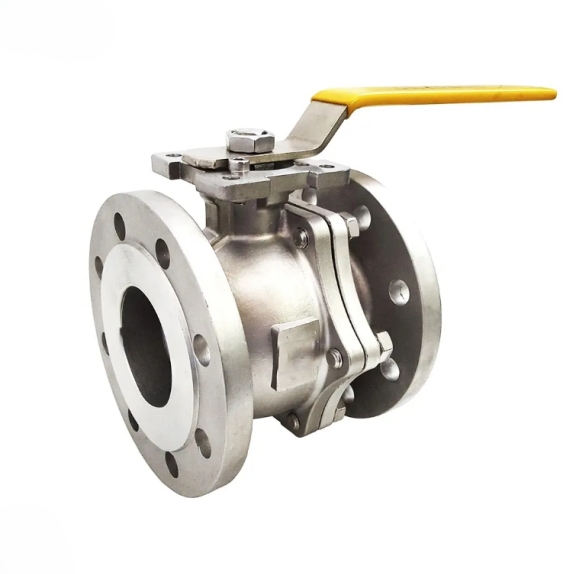
Titanium Flange Ball Valve 150 LB 300 LB Water Oil Gas Flange Ends
- Pressure Rating: Class 150 / 300
- Material: Gr2 / Gr5 / Gr12
- Standard: ASME B16.34
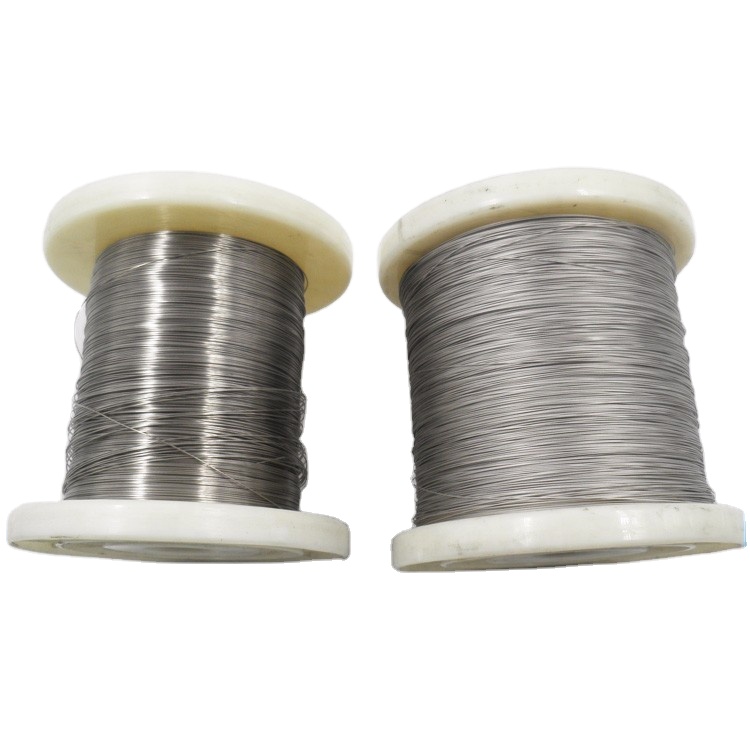
Best Price Aws A5.16 ERTi-2 0.05mm Pure Titanium Fishing Wire
- Grade: ERTi-2 / CP-Titanium
- Diameter: 0.05 mm – 3.0 mm
- Condition: Bright Annealed
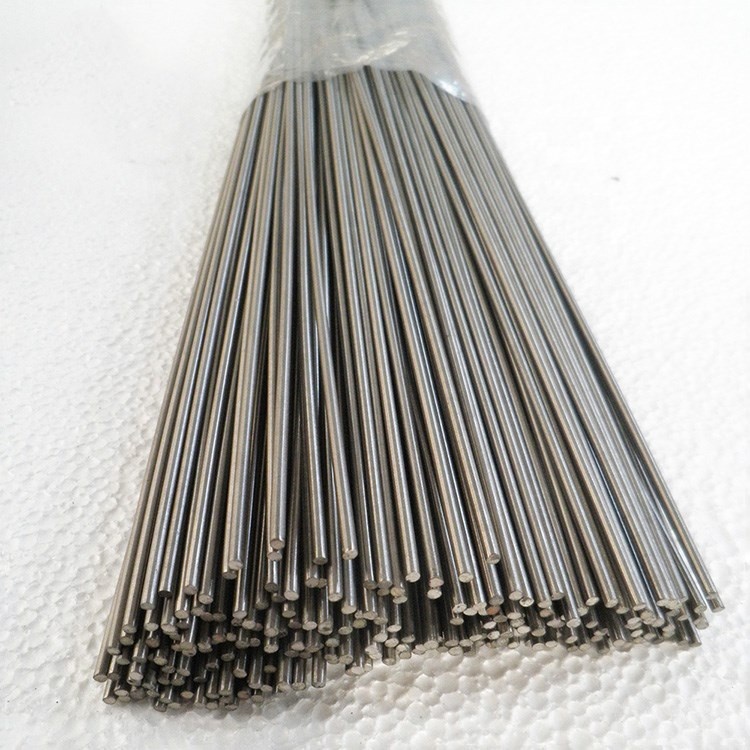
Hot sell thin titanium fishing rods price per kg
- Alloy Grade: Ti-6Al-4V Gr5 / Gr9
- Straightness: ≤ 0.5 mm/m
- Surface: Polished / Ground
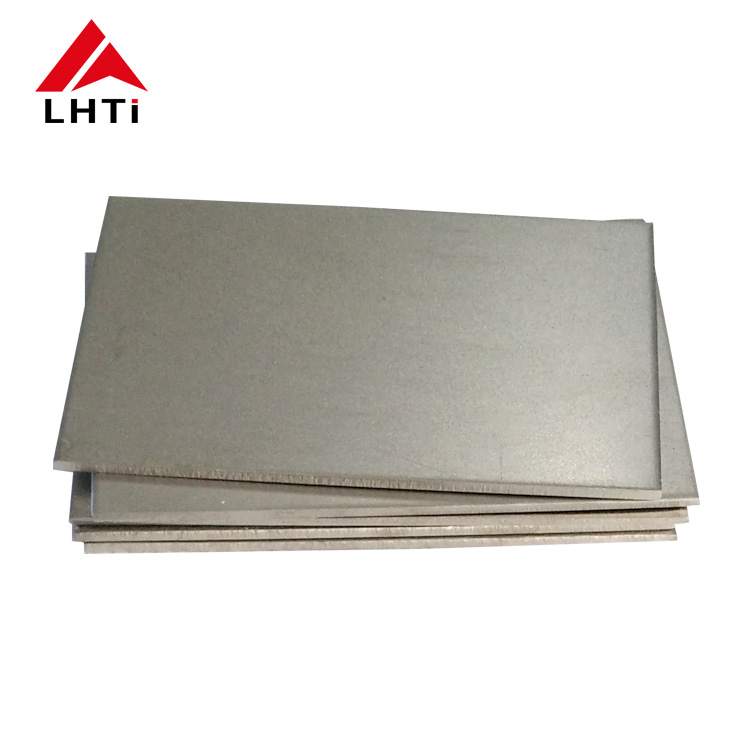
Gr5 Gr2 Titanium Plate Price ASTM B265 Titanium Sheet in stock
- Standard: ASTM B265 / ASME SB265
- Thickness: 0.5 mm – 60 mm
- MTC: EN 10204 3.1 Traceable
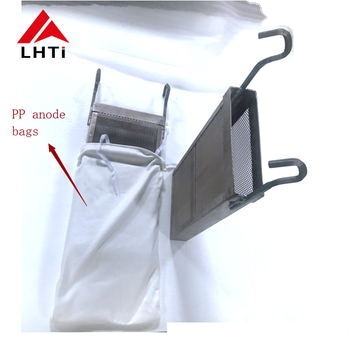
Gr2 Anodising Titanium Basket With PP Anode Bags for Electroplating
- Material: Grade 2 CP-Ti
- Weld Quality: TIG Argon Shielded
- Application: Metal Finishing / Anodizing
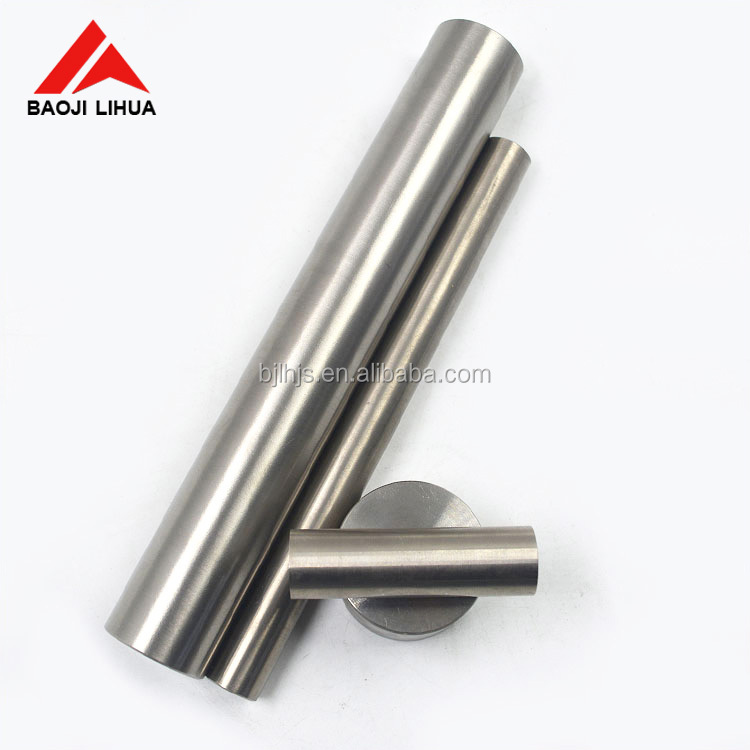
Titanium bar rod billets price per kg for industrial
- Diameter: Φ50 mm – Φ450 mm
- Grain Size: ASTM E112 Grade 6+
- Forging Ratio: ≥ 4:1 Consolidation
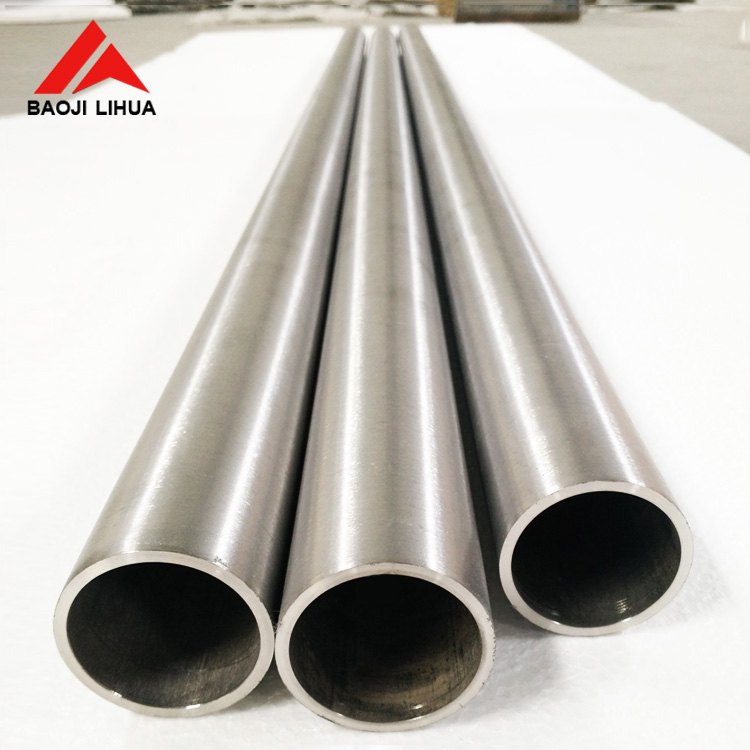
Gr1/2/9 38mm/51mm/63mm/76mm/89mm/102mm Titanium Pipe Tube Exhaust
- OD Range: 38 mm – 102 mm
- Wall Gauge: 1.0 mm – 1.5 mm
- Type: High-Frequency Welded / Seamless
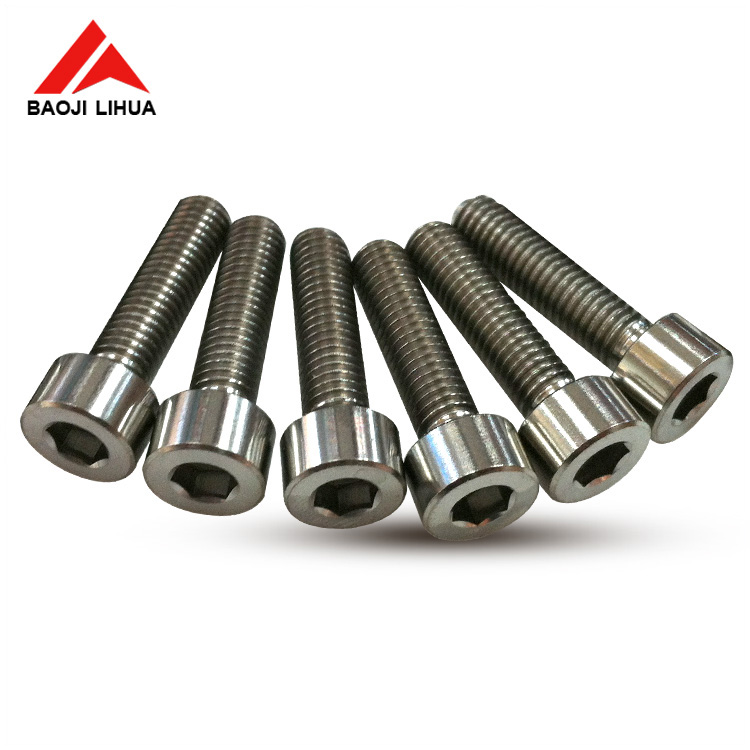
High Quality Gr5 Titanium Bolt M6 M8 M10 DIN912 Titanium Screws
- Standard: DIN 912 / ISO 4762
- Thread: Rolled Threads (M6–M24)
- Tensile: ≥ 895 MPa (Gr5 Ti-6Al-4V)
1. Metallurgy, Consolidation & Thermomechanical Processing of Titanium Billets
For US forge masters, closed-die impression shops, and ring-rolling mills, raw billet integrity dictates component reliability. Producing industrial and aerospace-grade titanium billets begins with primary vacuum metallurgy. At Jovzi Titanium Industry Co., Ltd. (operating in the heart of Baoji, China's Titanium Valley since 2006), sponge titanium is consolidated through multiple Vacuum Arc Remelting (VAR) cycles or Electron Beam Cold Hearth Melting (EBCHM). Multi-melt processing eliminates high-density inclusions (HDIs) from tungsten or refractor elements, and low-density inclusions (LDIs) resulting from localized nitrogen-rich spongy pockets.
Converting cast ingots (which characteristically possess coarse, as-cast columnar prior-beta grain boundaries) into fine, equiaxed billets requires stringent thermomechanical processing. Our hydraulic cogging and radial forging presses enforce a minimum forging reduction ratio of 4:1, typically exceeding 5:1. Cogging occurs across multi-stage beta breakdown steps followed by extensive alpha-beta field soaking. This break-up of coarse Widmanstätten structures ensures microstructural homogenization, achieving ASTM E112 micro-grain sizes of Class 6 or finer, accompanied by uniform macro-etch profiles without central porosity or persistent alpha stringers.
Quality Assurance Benchmark: Jovzi titanium billets undergo comprehensive 100% immersion ultrasonic testing conforming to AMS 2631 Class AA / Class A1 and ASTM E2375 requirements. Flat-bottom hole (FBH) calibration prevents subsurface inclusions, segregation clusters, or voids from reaching high-stress machining lines in North American facilities.
2. Mechanical Properties & Chemistry Benchmarks (ASTM / ASME / AMS)
United States engineering standards demand narrow chemistry ranges to balance fracture toughness, high cycle fatigue (HCF) limits, and hot workability. The table below delineates the chemical boundaries, tensile metrics, and localized procurement focus across primary titanium billet grades:
| Alloy Grade | Specification | Tensile (UTS min) | Yield (0.2% YS) | Elongation (%) | Primary Industrial Use in USA |
|---|---|---|---|---|---|
| Gr. 1 (CP-4) | ASTM B348 / B381 | 240 MPa (35 ksi) | 170 MPa (25 ksi) | ≥ 24% | Deep-drawn plate heat exchangers, marine linings |
| Gr. 2 (CP-3) | ASTM B348 / ASME SB348 | 345 MPa (50 ksi) | 275 MPa (40 ksi) | ≥ 20% | Gulf Coast petrochemical, flue-gas scrubbers, CPI piping |
| Gr. 5 (Ti-6Al-4V) | ASTM B348 / AMS 4928 | 895 MPa (130 ksi) | 828 MPa (120 ksi) | ≥ 10% | Aerospace landing gear forgings, turbine discs, racing |
| Gr. 5 ELI (Gr. 23) | ASTM F136 / AMS 4930 | 860 MPa (125 ksi) | 795 MPa (115 ksi) | ≥ 10% | Surgical orthopedic implants, cryogenic pressure vessels |
| Gr. 7 (Ti-0.15Pd) | ASTM B348 / B381 | 345 MPa (50 ksi) | 275 MPa (40 ksi) | ≥ 20% | Aggressive HCl/sulfuric acid autoclaves, offshore sour service |
| Gr. 9 (Ti-3Al-2.5V) | ASTM B348 / AMS 4943 | 620 MPa (90 ksi) | 483 MPa (70 ksi) | ≥ 15% | Hydraulic aerospace lines, subsea umbilical tubing, cycles |
| Gr. 12 (Ti-Mo-Ni) | ASTM B348 / B381 | 483 MPa (70 ksi) | 345 MPa (50 ksi) | ≥ 18% | High-temperature chloride handling, brine evaporators |
3. Localized Applications Across the United States Industrial Corridors
Sourcing titanium billets for the US market is not one-size-fits-all; regional manufacturing hubs maintain sharply divergent engineering expectations:
The Gulf Coast Petrochemical & LNG Corridor (Texas & Louisiana): Houston, Beaumont, Baton Rouge, and Lake Charles host the highest density of downstream chemical process industry (CPI) infrastructure in the world. Equipment builders require Grade 2 and Grade 12 forged billets for turning large-diameter nozzle necks, blind flanges, and autoclave valve bodies. These components encounter harsh wet chlorine, sour crude, and hot brine where Austenitic stainless steels stress-corrode within months. Billet stock must carry complete EN 10204 3.1 MTCs verifying compliance with ASME Section VIII, Division 1 pressure vessel codes.
Pacific Northwest & Southern California Aerospace Hubs: From the Seattle metropolitan area down to Los Angeles, San Diego, and Phoenix, precision forge shops transform Ti-6Al-4V (Grade 5) and Ti-6Al-4V ELI (Grade 23) billets into structural airframe clips, nacelle components, rotor hubs, and engine mounts. Forgers operate tight pyrometric boundaries (AMS 2750 standard) where the beta transus temperature (∼995°C for Ti-6Al-4V) must be certified to within ±5°C. Jovzi measures and records the exact beta transus for each production heat, ensuring consistent forgeability during downstream die closure.
Midwest & Eastern Seaboard Medical Device Clusters: Warsaw (Indiana), Memphis (Tennessee), and Massachusetts medical technology firms depend on ASTM F136 Grade 23 titanium billets. Biocompatibility demands strict limits on interstitial elements (Oxygen ≤ 0.13%, Iron ≤ 0.25%, Hydrogen ≤ 0.012%). The billets are precision-ground into bar stock for CNC Swiss machining of orthopedic bone screws, spinal fixation rods, and prosthetic hip femoral stems.
4. US Titanium Procurement Trends: Supply Chain Resilience & Friendshoring
American heavy industry continues to face elongated domestic lead times for forged titanium stock, often stretching beyond 40 to 60 weeks from Tier-1 domestic mills. This capacity crunch has driven procurement executives to build redundant, resilient multi-regional supply architectures. To succeed in this landscape, foreign billet manufacturers must demonstrate strict alignment with US regulatory and trade norms.
Key market drivers include: (1) Information Gain in Material Testing: US procurement teams refuse standard generic MTC certificates. Jovzi pairs each heat with certified test data from the accredited BaoTi Test Center, documenting room-temperature longitudinal and transverse tensile testing, micro-cleanness, grain flow directionality, and spectrographic chemical analysis. (2) Flexible Tariff & Logistics Execution: Jovzi coordinates streamlined logistics through West Coast ports (Long Beach, Oakland, Tacoma) and Gulf ports (Houston, New Orleans), handling US Harmonized Tariff Schedule (HTS) classification under chapter 8108 for wrought titanium billets and forged bars with DDP (Delivered Duty Paid) or CIF options.
Specialized Deployment in US Manufacturing
Where precision-forged titanium billets deliver unmatched strength-to-weight and corrosion resistance across North American industrial infrastructure.
Aerospace Forging
Ti-6Al-4V Grade 5 AMS 4928 forged billets utilized for rotating engine components, structural brackets, landing gear trunnions, and high-fatigue airframe joints.
Chemical & LNG Refineries
ASTM B381 Gr2 and Gr12 billets machined into ASME B16.5 heavy flanges, flow-control valves, and offshore heat exchanger tubesheets along the US Gulf Coast.
Medical Implants
ASTM F136 Grade 23 (Ti-6Al-4V ELI) micro-fine grain billets forged into hip stems, trauma plates, and dental discs for Warsaw and Memphis medical manufacturers.
Motorsport & Marine
Ultra-lightweight high-tensile billets for CNC turning of racing valvetrain hardware, driveshafts, marine propeller shafts, and exhaust system manifolds.
Why US Engineers & Buyers Partner with Jovzi
Direct manufacturing authority from Baoji, China’s Titanium Valley — combining raw ingot control with Western QA documentation.
Baoji Valley Heritage
Founded in 2006 in Baoji, Shaanxi, Jovzi sits at the center of the world's most concentrated titanium melting cluster. We leverage raw sponge-to-ingot material pipelines from tier-1 Chinese smelters, backed by 4 senior and 5 intermediate metallurgical engineers.
ISO 9001 & BaoTi Testing
Every shipment is certified to EN 10204 3.1, detailing exact heat chemistry, mechanical tensile limits, and reduction ratios. Independent chemical and ultrasonic test reports from the state-accredited BaoTi Test Center are supplied with every major lot.
Reliable US Delivery
Exporting over 81%–90% of our production to North America and Western Europe, we handle FOB, CIF, or DDP terms with seaworthy fumigated timber crating, moisture barriers, and complete customs documentation for painless US port arrival.
Frequently Asked Questions by US Procurement Teams
Answers to critical questions regarding metallurgy, ASTM compliance, documentation, and import duties.
What forging reduction ratio is guaranteed on Jovzi titanium billets?
Can you supply material with EN 10204 3.1 MTCs and BaoTi laboratory validation?
How do Jovzi billets comply with US Ultrasonic Inspection standards?
What is your MOQ and typical ocean/air freight lead time to US ports?
How do you navigate US tariffs (Section 232 / Chapter 8108)?
What surface condition and dimensional tolerances are delivered?
Request a Mill-Direct Billet Quotation
Connect directly with our Baoji metallurgical engineering team. Send your required titanium grade, diameter, length, testing standard (AMS / ASTM / ASME), and target destination port for a comprehensive quote within 8 business hours.
Send an Inquiry