Exhaust & Flow
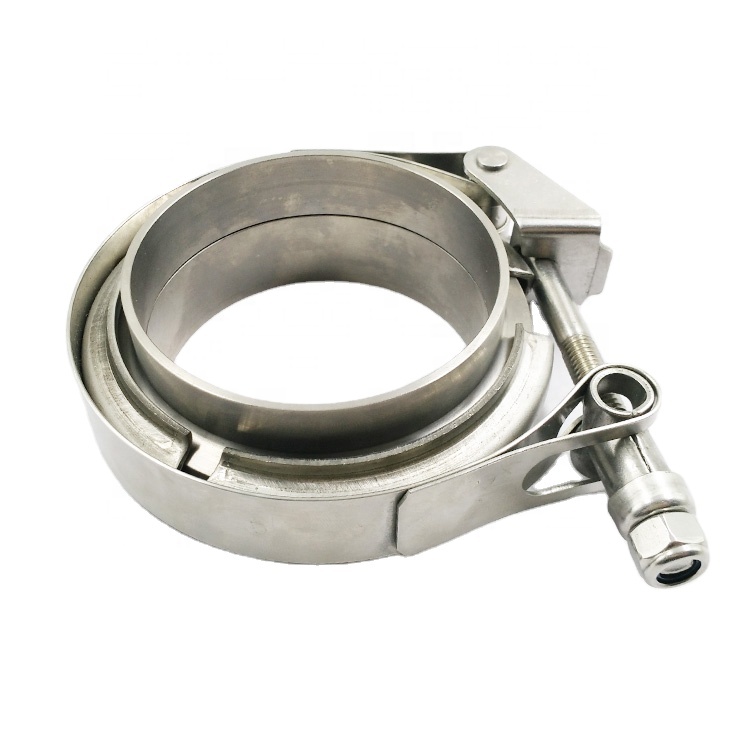
Titanium Gr1 Gr2 2"-5" V Band Clamp With Male/Female Flanges
- Grade: ASTM Gr1 / Gr2
- Connection: Male/Female Flange
- Profile: High Pressure Lock
Engineered in China's Titanium Valley (Baoji) and rigorously certified for severe industrial service across northern Japan's demanding plant installations.
Procuring industrial flow control systems in Sapporo and the surrounding Ishikari and Hokkaido coastal zones requires resolving a distinct trifecta of metallurgical stressors: extreme sub-zero atmospheric embrittlement, chloride-laden oceanic winds drifting from Ishikari Bay, and severe geothermal mineral scale. Standard austenitic stainless steels (such as SUS304 or even SUS316L) routinely succumb to localized pitting, galvanic degradation, and stress corrosion cracking (SCC) when exposed to cyclic freeze-thaw cycles combined with high-salinity de-icing runoff and thermal water extraction.
Jovzi Titanium butterfly valves solve these persistent structural vulnerabilities. Commercially pure Grade 2 (UNS R50400) and Grade 5 (Ti-6Al-4V, UNS R56400) offer an impervious, self-healing rutile-anatase titanium dioxide (TiO2) passive film that forms instantly upon atmospheric contact. Crucially, titanium retains exceptional Charpy V-notch impact toughness and ductility down to cryogenic thresholds (-196°C), entirely eliminating the ductile-to-brittle transition temperature (DBTT) issues that cause catastrophic failure in cast carbon or nodular iron valves during harsh Hokkaido winter spells.
For Sapporo's emerging green-hydrogen initiatives, brewery pasteurization lines, and municipal geothermal district heating networks (such as deep hot-spring tapping across Minami-ku and Jozankei), our Grade 7 (Ti-0.15Pd, UNS R52400) and Grade 12 (Ti-0.3Mo-0.8Ni) modified butterfly valves prevent crevice corrosion in acidic brine and hot reducing media where conventional nickel alloys and duple steels experience catastrophic pitting behind disc seals and stem packings.
Tailored flow control configurations built to satisfy Japanese JIS B2032/B2061 industrial standards and international ASME B16.34 criteria.
Sapporo's surrounding volcanic geology drives extensive hydrothermal district heating. High concentrations of hydrogen sulfide (H2S), chlorides, and silica aggressively erode traditional valves. Our Gr2 and Gr12 triple-offset butterfly valves ensure complete zero-leak shutoff without sulfur stress-corrosion.
Located immediately north-west of Sapporo, the Ishikari Bay energy hub requires marine cooling and ballast water management. Grade 2 titanium butterfly valves resist raw seawater cavitation, microbiologically influenced corrosion (MIC), and splash-zone bio-fouling for 30+ year design lives.
Hokkaido's renowned food processing and Sapporo's large-scale brewing sector demand high-purity sanitization. Titanium offers total biological inertness, zero metallic ion leeching, and full compatibility with rapid hot nitric acid clean-in-place (CIP) and steaming-in-place (SIP) sterilization cycles.
As northern Japan scales advanced high-tech fabs and ultra-pure chemical distribution, our custom precision-machined titanium bodies and PTFE/RTFE-lined discs prevent micro-contamination in hydrofluoric and sulfuric acid handling loops.
Sapporo processes heavy snowfall via subterranean road-heating and automated brine-spraying facilities. Concentrated salt brines severely attack cast steel valves; Jovzi's lightweight Gr2 butterfly valves eliminate recurrent valve replacements across city public works.
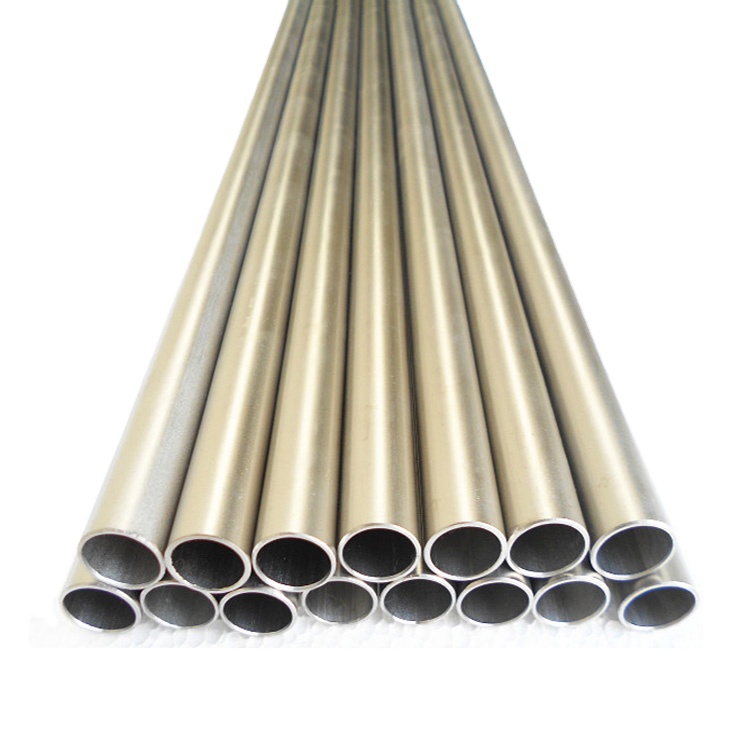
Providing wafer, lugged, and double-flanged titanium valves designed to absorb high flow velocity and sediment erosion without disc degradation or galvanic bonding to titanium and super-austenitic pipeline systems.
Manufactured to match JIS 10K/20K, ASME Class 150/300, and DIN PN10/PN16 flange drillings.
| Valve Component | Material Options | Applicable Standards | Performance Advantage |
|---|---|---|---|
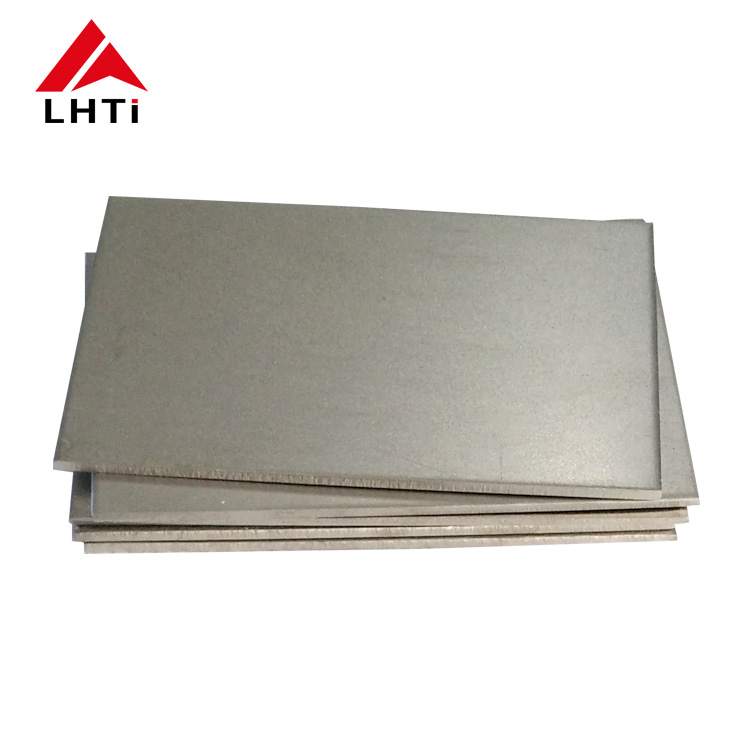
| Valve Body | ASTM B367 Gr C2 (Cast) / B381 F2 (Forged) / B265 Gr2 Plate | ASME B16.34, JIS B2032, API 609 | Lightweight (40% less than steel), zero pitting in cold chloride media |
| Disc (Obturator) | ASTM B381 Gr F2, Gr F5 (Ti-6Al-4V), Gr F7 (Pd stabilized) | ASME B16.5, ISO 5752, BS EN 593 | High velocity hydro-erosion resistance; cavitation resilient |
| Stem / Shaft | ASTM B348 Gr5 (High Tensile), Gr2 (Annealed) | ASTM B348, DIN 17862 | Minimum yield strength ≥ 828 MPa (Gr5); blowout-proof design |
| Seat & Linings | PTFE, RPTFE, EPDM (Low-temp rated), Metal-to-Metal Titanium | API 598 Pressure Leakage Class VI | Bubble-tight bi-directional isolation from -50°C to +260°C |
| Actuation Interface | ISO 5211 Direct Mount Pad (Manual Gear, Pneumatic, 24V/220V Electric) | ISO 5211, NAMUR Standard | Seamless integration with SCADA automated process loops |
Anticipating procurement shifts as Hokkaido transforms into a clean-energy and semiconductor manufacturing nexus.
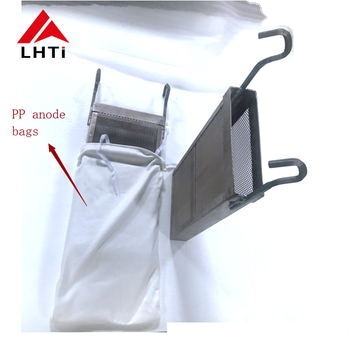
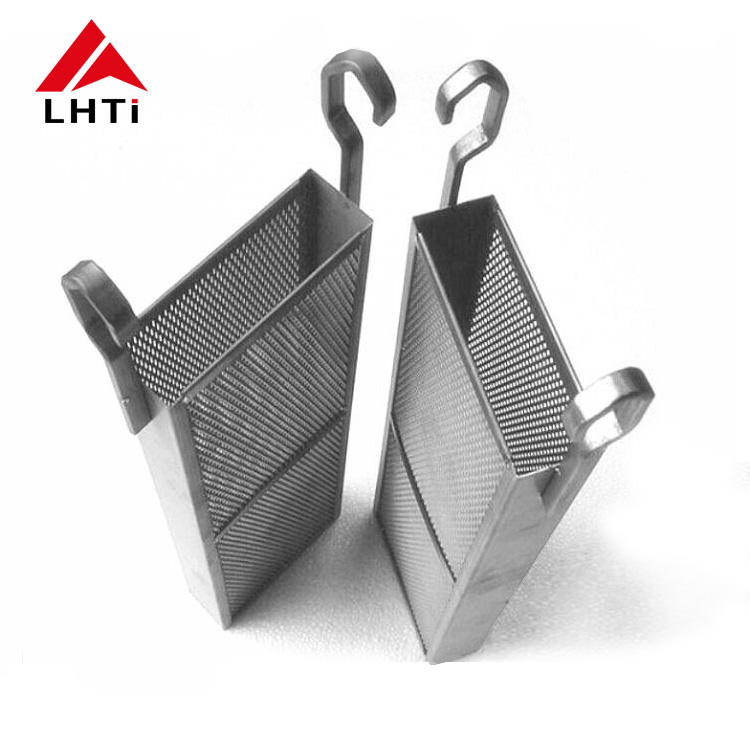
Hokkaido possesses Japan's highest renewable energy potential (wind and solar). Sapporo's policy initiatives prioritize water electrolysis for green hydrogen export. Titanium valve internals and anode baskets are indispensable for resisting active oxygen and harsh electrolytes inside large-scale PEM electrolysis plants.
With the massive Chitose-Sapporo semiconductor industrial belt deployment, high-purity chemical distribution systems require valves machined from forged titanium bars (ASTM B381) to avoid heavy metal leaching and resist ultra-pure etching chemical cocktails.
Modern binary-cycle geothermal power stations across Hokkaido leverage secondary working fluids (organic Rankine cycles). Titanium's exceptional heat transfer coefficients and non-corroding valve sealing properties secure total fluid containment against toxic gaseous blowouts.
Direct from China's Titanium Valley to Sapporo port terminals: certified mechanical verification and end-to-end traceability.
Founded in 2006, our Baoji manufacturing facility executes rigid quality protocols. Every single valve, flange, and pipe lot is supplied with an EN 10204 3.1 Mill Test Certificate proving optical emission chemical analysis, tensile yield, and elongation data.
Backed by 4 senior and 5 intermediate titanium metallurgical engineers, we specialize in high-precision CNC turning, custom triple-eccentric valve disc geometries, and precision thread rolling for structural titanium fasteners.
To satisfy Japanese plant import compliance and stringent third-party quality review, independent structural, ultrasonic non-destructive testing (NDT), and PMI chemical verification reports from the BaoTi National Testing Center are delivered upon request.
81–90% export ratio servicing global EPC clients. Flexible Incoterms including CIF Otaru/Tomakomai port or DDP Sapporo door-to-door express delivery with shockproof, fumigated seaworthy export wooden casing.
Direct answers to the most common engineering and commercial questions posed by Japanese procurement teams.
Whether you require standard wafer butterfly valves for coastal seawater systems or custom triple-offset Gr7 titanium units for geothermal extraction in Hokkaido, our engineering desk replies within 8 hours.
Inquire Now