Specialized Titanium & Metallurgical Components Portfolio
Precision-engineered titanium products manufactured in accordance with strict international ASTM, ASME, and DIN standards, ready for global industrial distribution and specialized operations in Kingstown.
Titanium Clad Copper Composite Technology & Metallurgy
An in-depth metallurgical analysis of explosive cladding, dynamic hot roll bonding, and electrical contact efficiency under harsh saline conditions.
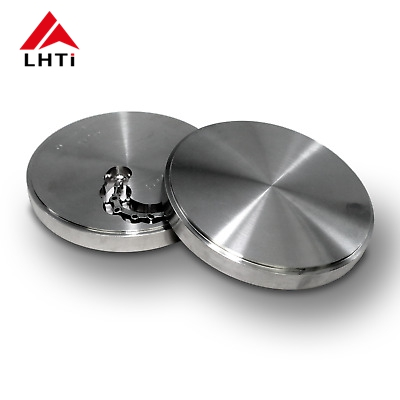
Technical Abstract: Titanium Clad Copper Sheets (ASTM B898 / ASTM B265 / ASTM B152) integrate the superior electrical and thermal conductivity of high-purity electrolytic copper (C11000 / OFHC) with the extraordinary localized, pitting, and crevice corrosion immunity of Grade 1 or Grade 2 Commercially Pure Titanium. Through vacuum-assisted explosive bonding or specialized hot-isostatic roll cladding, an intermetallic-free metallurgical interface is formed, achieving shear strengths upwards of 135 to 210 MPa with zero electrical interface losses.
Zero Resistance Interface
Micro-level atomic diffusion across the explosive weld seam eliminates electrical bottlenecks, lowering thermal impedance and enabling massive power savings in high-amperage chlor-alkali and electrowinning circuits.
Marine Electrolyte Immunity
CP Titanium (Gr1/Gr2) surface cladding generates an impenetrable TiO₂ passive film, guaranteeing full structural protection in chlorine ions, hypochlorite, wet chlorine gas, and hot Caribbean seawater environments.
Explosion-Clad Shear Integrity
100% ultrasonic C-scan non-destructive testing assures uniform continuous metallurgical bonding across the entire plate plane, passing severe 180° reverse bend tests without flaking, delamination, or embrittlement.
Material Specifications & Cladding Standards
Standard engineering criteria for explosive clad and roll-bonded titanium-copper plates supplied to industrial processors.
| Characteristic / Parameter | Titanium Cladding Layer (ASTM B265) | Copper Core Layer (ASTM B152) | Bonding Interface Properties (ASTM B898) |
|---|---|---|---|
| Grade / Alloy Designation | Gr1 (UNS R50250) / Gr2 (UNS R50400) | C11000 ETP Copper / C10200 OFHC | Explosion Bonding / Diffusion Roll Clad |
| Layer Thickness Range | 0.8 mm – 5.0 mm (Customizable) | 3.0 mm – 80.0 mm Heavy Plate | Cladding Ratio: 1:1, 1:2, 1:4 or As Specified |
| Electrical Conductivity (% IACS) | ~3.1% IACS | ≥100.0% IACS | Zero Interface Electrical Drop (ΔV ≈ 0) |
| Tensile & Shear Performance | Tensile ≥345 MPa (Gr2) | Tensile ≥220 MPa | Shear Strength ≥140 MPa (Exceeds ASTM standard) |
| Quality Inspection Protocols | PT Dye Penetrant & X-Ray Weld Scan | Spectrometric Purity Verification | 100% Ultrasonic Testing (UT ASTM A578 Class A) |
Industrial Deployment of Titanium Clad Copper in Kingstown
Kingstown serves as the maritime heart, logistics center, and maritime servicing hub of Saint Vincent and the Grenadines. Demanding climate factors create distinctive operational challenges for local infrastructure, utilities, and commercial facilities.
Marine Electrodialysis & Desalination Facilities
With clean municipal water reliance growing across the Grenadines, reverse osmosis and electrodialysis reversal (EDR) plants situated near Kingstown Harbor experience hyper-corrosive saline intake conditions. Conventional stainless busbars and copper terminals suffer rapid galvanic pitting and localized electrolytic corrosion. Jovzi Titanium Clad Copper Sheets serve as durable, non-corroding anode conductor bars, transferring megawatt-scale currents into electrolytic chlorination chambers without trace copper leaching or structural breakdown.
Shipyard Repair, Dockyard Anodic Protection & Luxury Marine Craft
In the Kingstown harbor drydocks and marina maintenance berths, impressed current cathodic protection (ICCP) systems prevent submerged vessel hull degradation and offshore piling decay. Clad copper plates provide robust junction heads and distribution feed plates. They bridge standard shipboard copper electrical lines to titanium mixed-metal oxide (MMO) anodes, fully eliminating galvanic degradation at connection nodes while enduring continuous exposure to salt spray and fluctuating tropical humidity.
Harbor Bunkering & Coastal Petrochemical Terminals
Coastal petroleum handling points, lubricant packaging terminals, and island electrical generation substations operating near the Atlantic shore require high-integrity grounding and current distribution terminals. Clad copper avoids atmospheric tarnishing and sulfate crusting caused by volcanic soil compositions and maritime trade-wind salinity, keeping contact resistances low and fire risks minimized over long operational cycles.
Electroplating & Surface Treatment Installations
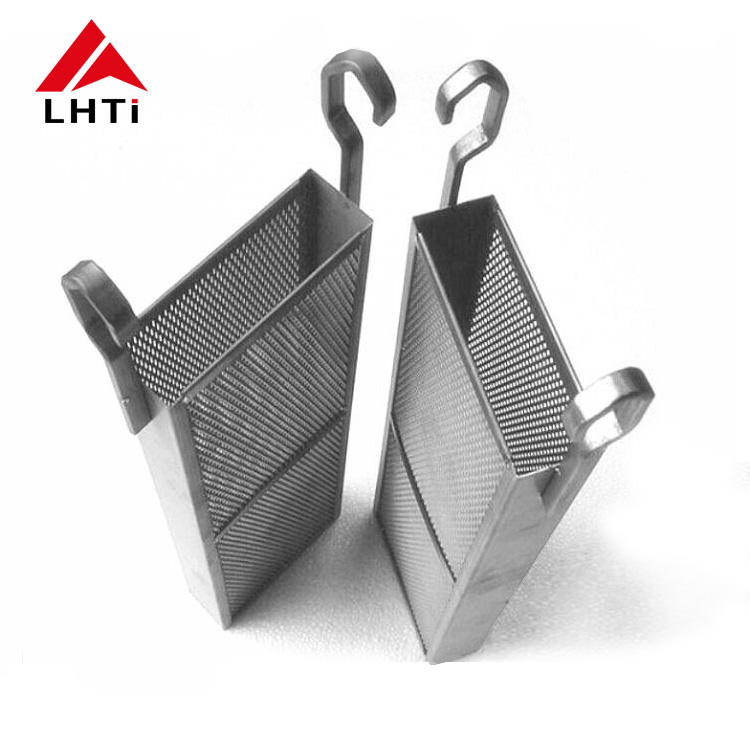
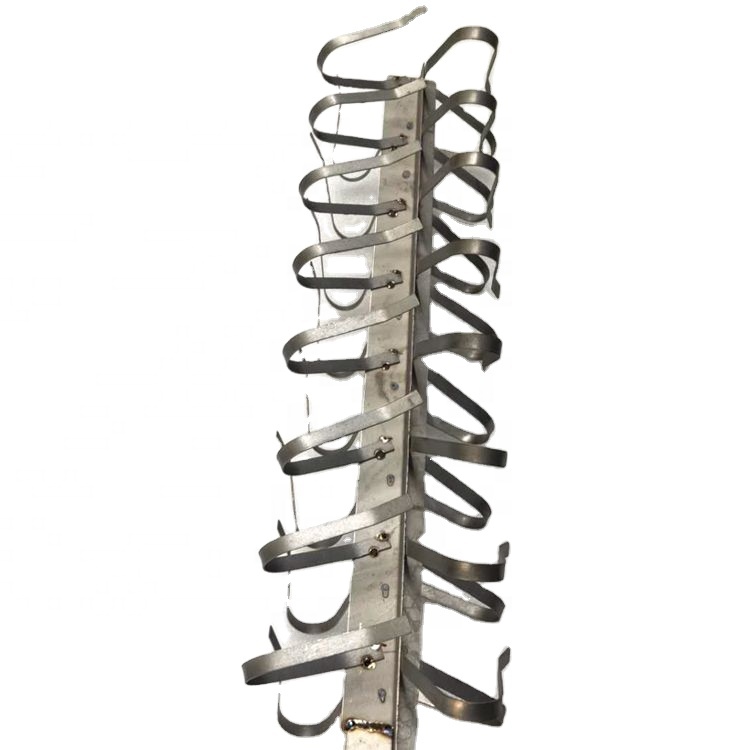
Regional workshops fabricating custom anodized structural extrusions and marine hardware utilize Jovzi Grade 2 Titanium anode baskets, titanium jigs, and titanium clad copper bus bars. The titanium shield halts acidic bath bath attacks (sulfuric, chromic, and hydrochloric mixes), preserving internal pure copper bars that supply consistent current distributions for uniform metal deposition.
Kingstown's Strategic Development & Emerging Engineering Demands
An objective evaluation of market drivers transforming non-ferrous metal procurement across Saint Vincent and the Eastern Caribbean archipelago.
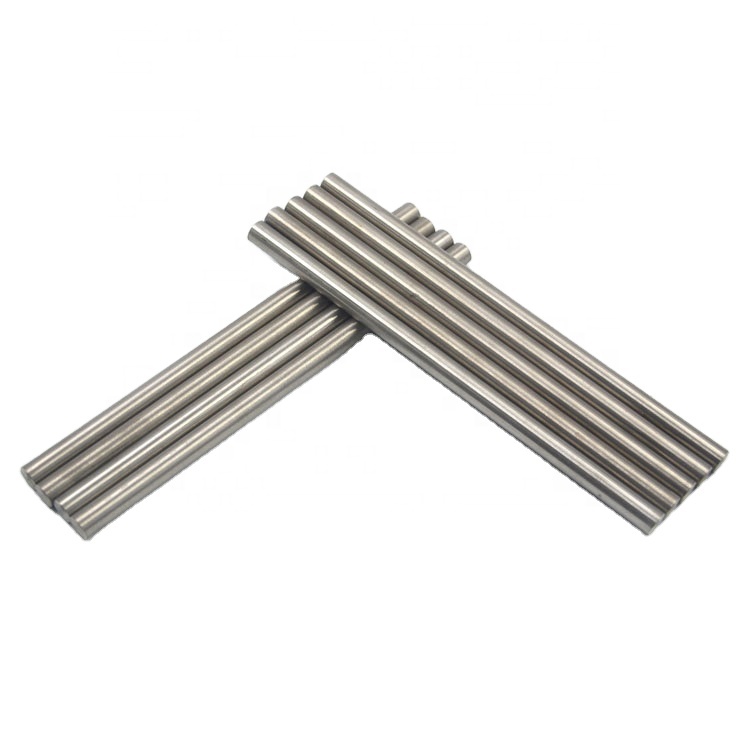
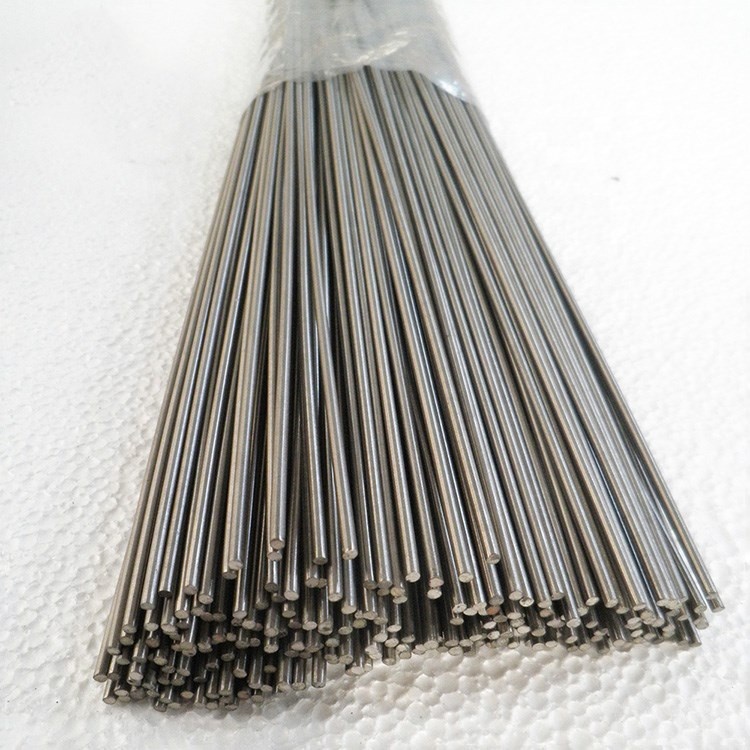
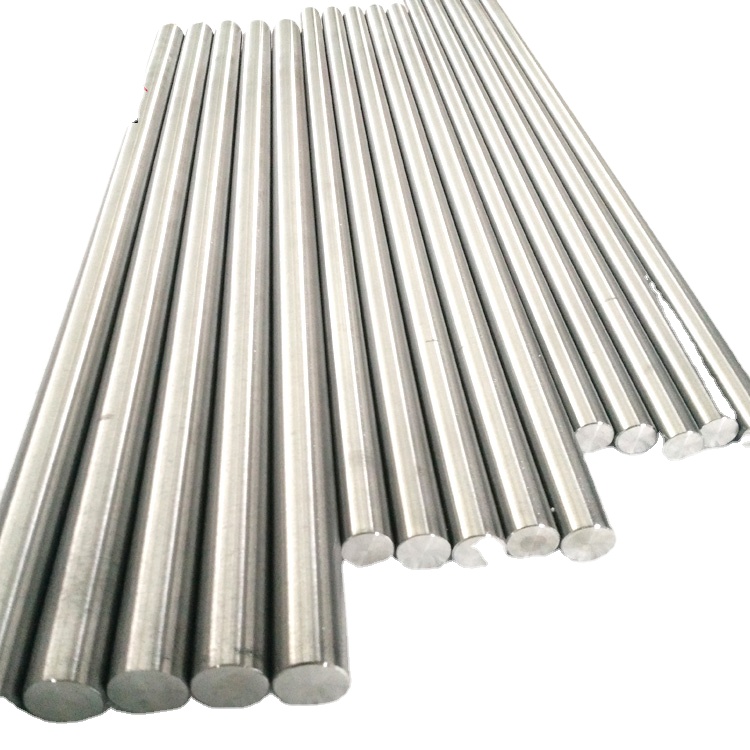
As the government of Saint Vincent and the Grenadines accelerates capital investments in port modernization, deep-water port expansions in Kingstown, and climate-resilient water infrastructure, traditional consumable alloys like bronze and 316L stainless steel are reaching their engineering limits. Frequent equipment change-outs cause steep import tariffs and operational downtime in remote island logistics. Infrastructure planners and technical contractors are migrating directly to noble refractory claddings: Titanium Clad Copper sheets and ASTM B348 Titanium rods offer decades-long design life without cathodic loss, dramatically reducing life-cycle capital expenditures across regional utilities.
Why International Engineering Teams Choose Jovzi Titanium
Delivering precision metallurgy from Baoji — China's premier Titanium Valley — directly to Caribbean fabrication contractors with rigorous quality controls and verified traceability.
Established Industry Pedigree (Est. 2006)
Over 19 years of dedicated manufacturing expertise, processing selected titanium sponge and high-purity ingots into forgings, flanges, rolled plates, and precision threaded components for global markets.
Independent BaoTi Lab Verification & MTC 3.1
Every single batch is supplied with an EN 10204 3.1 Inspection Certificate. Independent physical and chemical validation by the authorized BaoTi Test Center is available upon order request.
Ocean Export Packing & Express Sea Logistics
Custom-fabricated seaworthy timber crates, internal multi-layer anti-scratch film wrapping, moisture-desiccant barriers, and end protection keep clad sheets pristine on oceanic routes to Kingstown.
Frequently Asked Questions by Local Engineers & Buyers
Direct technical answers addressing machining, shear stability, custom configurations, and international delivery protocols.
What is the primary difference between explosive cladding and continuous hot-rolling for Titanium Clad Copper Sheets?
Can Titanium Clad Copper Sheets be bent, cut, or machined without delamination?
How does Jovzi protect the copper edges from coastal seawater ingress?
What documentation and testing accompanies shipments to Kingstown, Saint Vincent?
What are the standard order MOQs, lead times, and available maritime Incoterms?
Request a Factory-Direct Technical Specification & Quotation
Submit your CAD drawings, composite layer thickness ratios, or specific titanium grade requirements directly to our senior metallurgy and engineering team for evaluation within 8 business hours.
Inquire Now