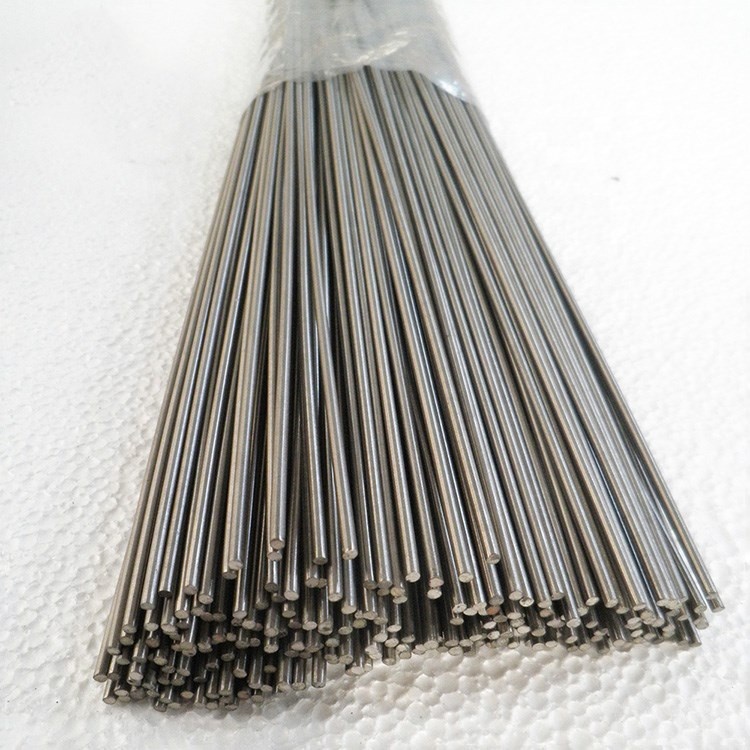
Hot sell thin titanium fishing rods price per kg
High-tensile Grade 5 / Grade 2 thin titanium solid rods engineered for sub-Arctic commercial fishing gear and flexible marine sensor shafts.
View SpecificationsEngineered for extreme sub-Arctic corrosive handling, including geothermal separators, chemical reactors, electrochemical processing systems, and high-velocity steam pipelines.
High-tensile Grade 5 / Grade 2 thin titanium solid rods engineered for sub-Arctic commercial fishing gear and flexible marine sensor shafts.
View Specifications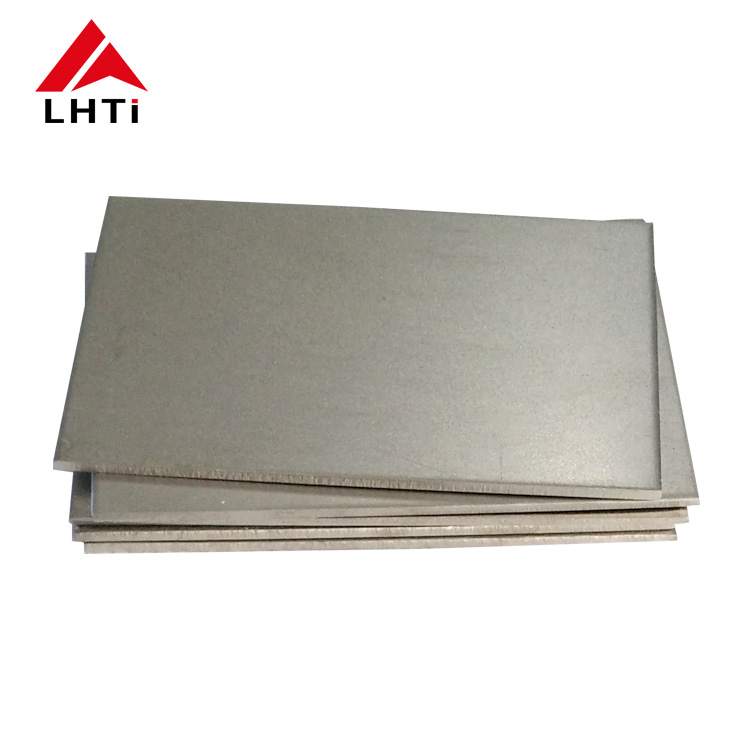
Direct mill plates used as corrosion-resistant facings for explosively bonded clad assemblies in geothermal pressure condensers.
View Specifications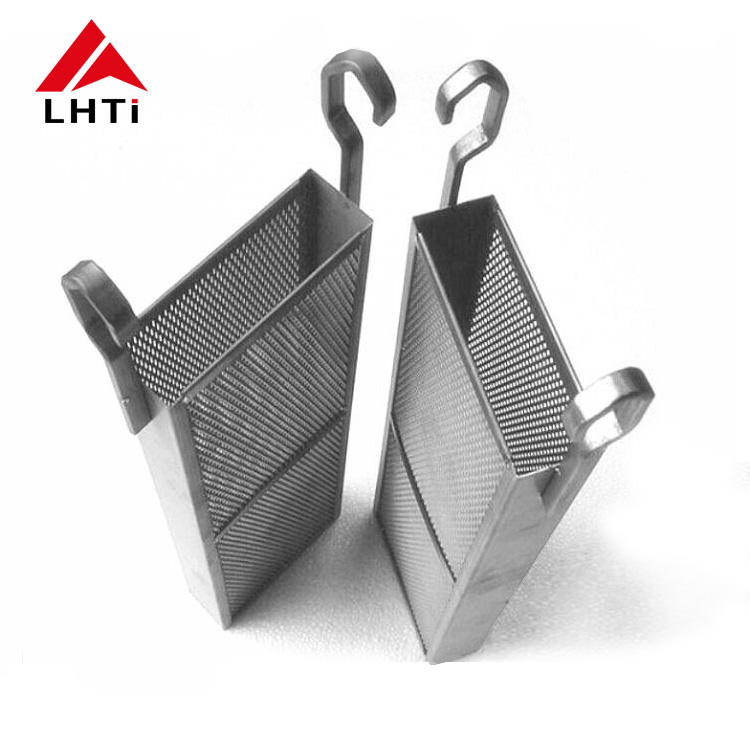
Precision micro-expanded mesh baskets designed for aggressive chemical electroplating, chlor-alkali brine processing, and hydrometallurgy.
View Specifications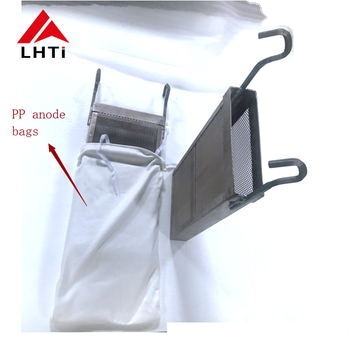
Industrial anodizing and metal recovery baskets equipped with high-durability polypropylene bags for acidic electrolytic bath stability.
View Specifications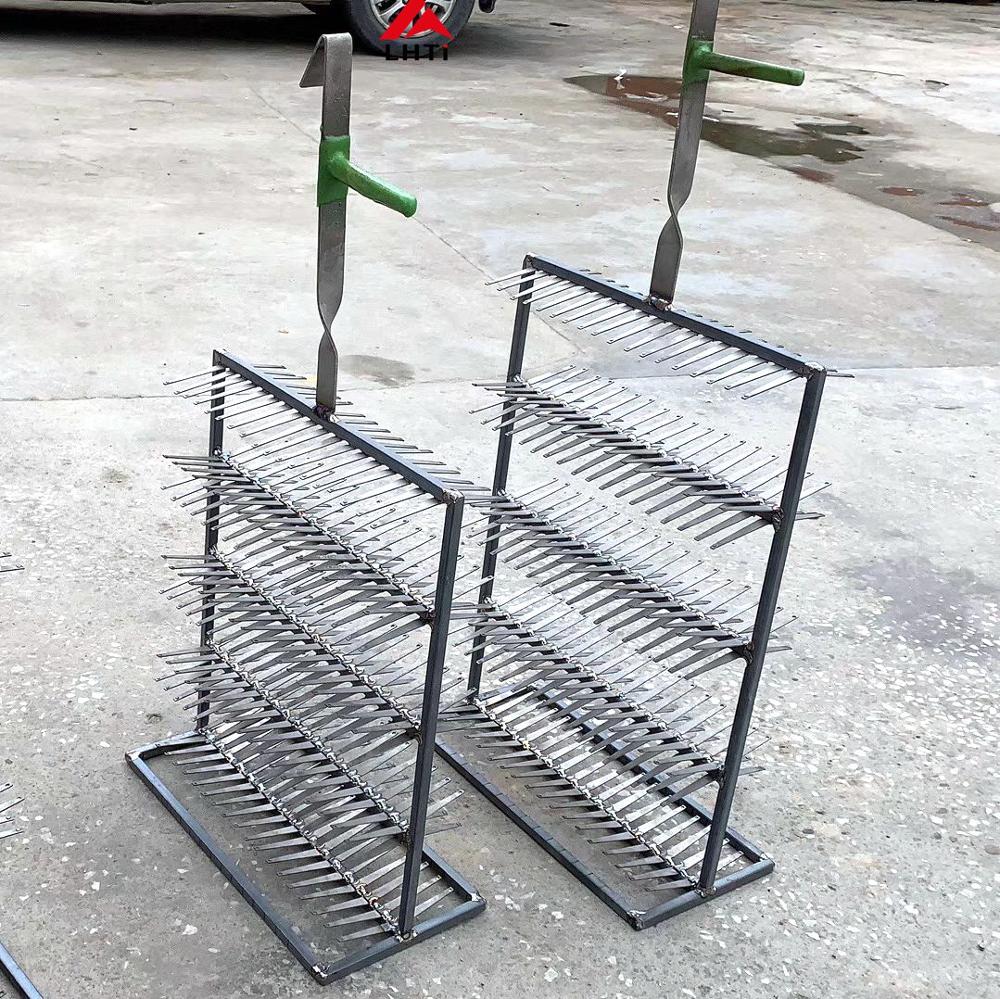
High-rigidity custom titanium jig structures and hanging frames engineered for high conductivity and non-contaminating surface treatment baths.
View Specifications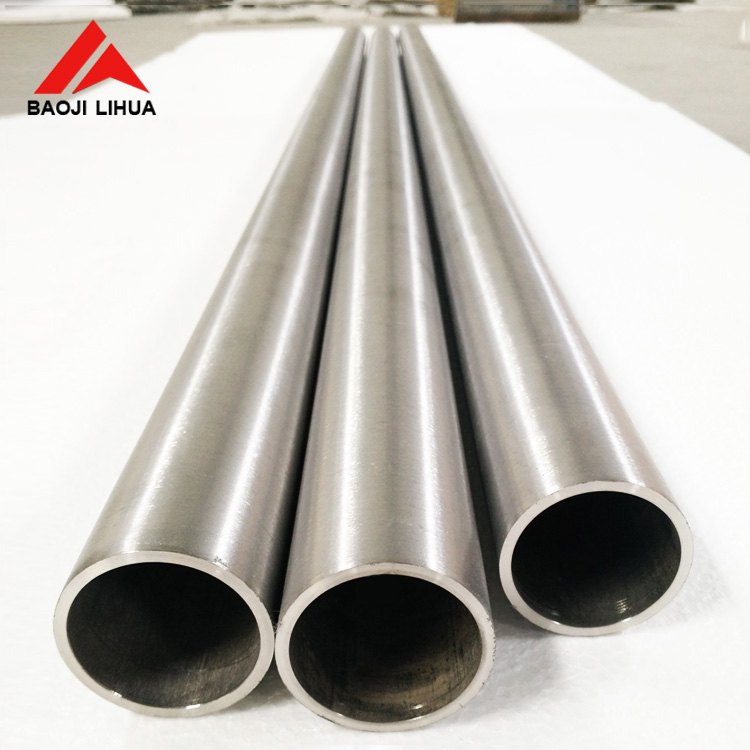
High-integrity thin-wall titanium process piping and exhaust sections providing zero-corrosion performance under continuous thermal-shock conditions.
View Specifications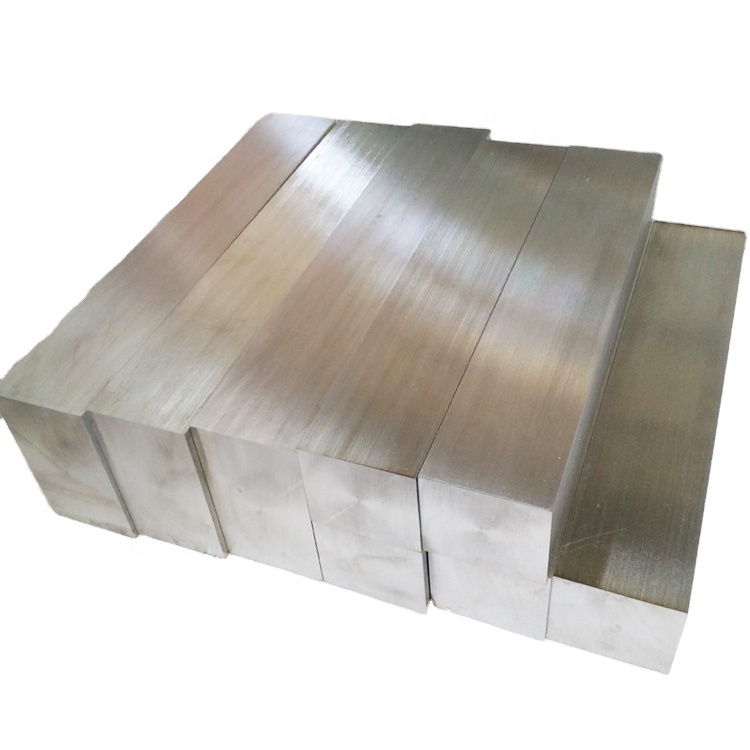
Heavy forged forged blocks suitable for CNC machining of geothermal high-pressure wellhead valves, high-stress nozzles, and marine actuators.
View Specifications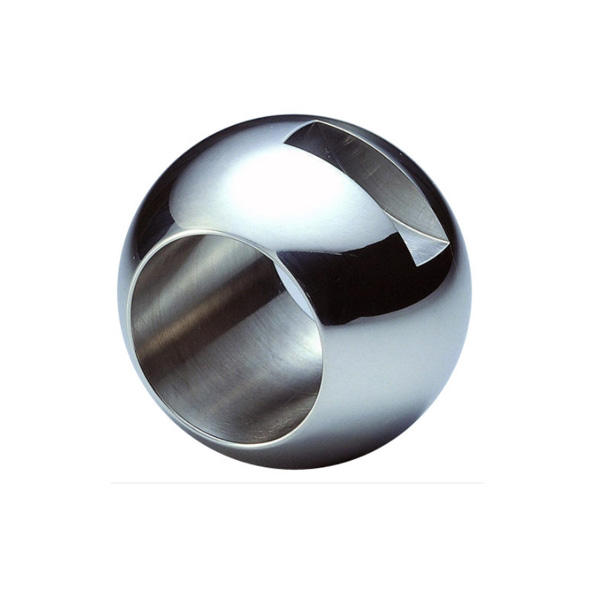
Mirror-polished, cavitation-resistant CP and alloyed titanium spherical valve cores engineered for supercritical steam and mineral-heavy flow isolation.
View SpecificationsSolving the thermodynamic dilemma of structural pressure containment versus exceptional chemical resistance in demanding sub-Arctic applications.
In modern industrial process engineering, designing vessels capable of sustaining internal pressures exceeding 25 to 50 bar while continuously resisting aggressive hot chemical electrolytes presents a severe economic and mechanical challenge. Solid titanium plates fabricated from ASTM B265 Grade 1, Grade 2, or Grade 7 provide an impervious passive titanium dioxide (TiO2, primarily rutile) film that prevents uniform and localized crevice corrosion in chloride media. However, manufacturing heavy pressure vessels entirely from solid titanium plates results in exorbitant capital expenditure, high structural weight, and difficult welding procedures for heavy wall thicknesses.
The engineering solution deployed by Jovzi Titanium Industry Co., Ltd. is the manufacture of Titanium-Steel Clad Heavy Plates conforming strictly to ASTM B898 (Standard Specification for Reactive and Refractory Metal-Clad Plates). By metallurgically bonding a thin corrosion barrier of titanium (typically 1.5 mm to 6.0 mm) onto an economical, high-strength carbon or low-alloy steel base layer (such as ASTM A516 Gr 70, ASME SA516, or structural EN 10025 steels from 10 mm to over 120 mm thickness), plant designers obtain the mechanical load-bearing capacity and thermal expansion control of pressure vessel steel alongside the absolute corrosion resilience of reactive titanium.
For applications demanding thinner overall gauges or larger surface areas with reduced thickness variability, Jovzi employs hot vacuum pack roll-bonding. Utilizing intermediate barrier foils—such as high-purity copper, vanadium, or nickel interlayers—our thermodynamic control prevents carbon migration from the structural steel into the titanium matrix. This mitigates titanium carbide (TiC) formation, which would otherwise induce micro-cracking and interfacial embrittlement during cyclic thermal operating conditions common to Icelandic processing facilities.
| Cladding Layer (ASTM B265) | Base Metal Substrate | Bonding Technology | Min. Shear Strength | Primary Industrial Utility |
|---|---|---|---|---|
| Grade 1 (UNS R50250) | ASTM A516 Gr 60/70 | Explosion Bonded | ≥ 140 MPa | Maximized cold formability, dished ends, deep draw heads |
| Grade 2 (UNS R50400) | ASME SA516 Gr 70 / Q345R | Explosion / Roll Pack | ≥ 145 MPa | Standard geothermal flash evaporators, condensers, marine desalinators |
| Grade 7 (Ti-0.15Pd / R52400) | ASTM A516 Gr 70 / 16Mo3 | High-Energy Explosion | ≥ 150 MPa | High-temperature acidic brines containing dissolved H2S and low pH |
| Grade 12 (Ti-0.3Mo-0.8Ni) | ASTM A387 Gr 11/22 | Explosion + Hot Rolling | ≥ 140 MPa | Elevated temperature crevice corrosion mitigation in chemical heat transfer |
How titanium-clad composites solve systemic material degradation in Iceland's sub-Arctic geothermal reservoirs, ocean fisheries, and clean industrial ecosystems.
Facilities in Hellisheiði, Reykjanes, and Nesjavellir tap into volcanic reservoirs where non-condensable gases (H2S, CO2, CH4) and high chloride concentrations destroy standard austenitic stainless steels (304L/316L) via Stress Corrosion Cracking (SCC). Jovzi titanium clad plate provides an invulnerable Ti Gr 2 barrier backed by heavy steel for main separator bodies and surface barometric condensers.
Pioneering Icelandic carbon capture projects (such as Carbfix and Mammoth) dissolve captured atmospheric CO2 into voluminous streams of geothermal and seawater prior to subterranean basalt injection. This pressurized carbonic fluid creates intensely corrosive, low-pH conditions. Clad titanium plates prevent vessel pitting and wall degradation over 40+ year lifecycle design spans.
Iceland's high-tech marine biotechnology sector utilizes enzymatic extraction from fresh Atlantic cod skins to yield biomedical-grade collagen. Any trace iron or copper contamination degrades pharmaceutical yields. Titanium-clad extraction tanks provide pure, unreactive, sterile contact surfaces while keeping processing equipment structurally sound under rigorous CIP cleaning cycles.
Massive land-based aquaculture installations on the Reykjanes peninsula leverage subterranean saline and brackish aquifers warmed by geothermal gradients. Large multi-plate heat exchanger frames and thermal balance holding tanks clad with Grade 2 titanium eliminate biofouling corrosion and withstand cold North Atlantic seawater intake indefinitely.
As Iceland shifts toward zero-emission maritime e-fuels (green hydrogen and ammonia synthesized using 100% renewable geothermal/hydro power), commercial PEM electrolyzer end-plates and separator drums require high structural rigidity coupled with strict electrolytic immunity against acidic degradation, flawlessly fulfilled by Jovzi titanium-clad sheet assemblies.
Forward analysis into the material demands generated by next-generation deep geothermal drilling and the electrification of North Atlantic shipping.
The Icelandic energy paradigm is actively evolving through the Iceland Deep Drilling Project (IDDP). Engineers are drilling down to 4–5 km depths to intersect supercritical hydrothermal fluids at temperatures exceeding 400°C to 500°C and pressures up to 220 bar. Fluids brought to the surface contain aggressive concentrations of dissolved silica, fluorides, hydrogen sulfide, and chlorine ions. Conventional super-duplex stainless steels (2507) and nickel alloys experience localized pitting and embrittlement under these supercritical flash conditions. As a result, titanium-steel clad plates—particularly involving Grade 7 (Ti-0.15Pd) and Grade 12 (Ti-Mo-Ni)—are transitioning from optional premium materials to mandated baseline specifications for high-pressure flash vessels and cyclonic wellhead separators.
Simultaneously, Iceland's aggressive commitment to become carbon neutral by 2040 has catalyzed major investments in green marine bunkering facilities at ports such as Grundartangi and Reykjavík. Green methanol and ammonia synthesis reactors operate under cyclic thermal swings and high operating pressures, demanding structural pressure vessel walls exceeding 40 mm. Clad metallurgy slashes material capital costs by up to 60% compared to monolithic solid titanium while ensuring that zero iron leaching enters catalytic synthesis reactors, guaranteeing absolute purity in fuel synthesis.
Headquartered in Baoji, Shaanxi—globally recognized as "China's Titanium Valley"—Jovzi Titanium Industry Co., Ltd. has established an integrated production chain encompassing vacuum arc remelting, dynamic explosion cladding, rolling, heat treatment, and precision CNC fabrication since 2006.
Every clad plate undergoes complete automated ultrasonic inspection adhering to ASTM A578 (Standard Specification for Straight-Beam Ultrasonic Examination of Rolled Steel Plates for Special Applications) Level I or Level II, verifying over 99.8% unbonded-free interfacial integrity.
Shipments include comprehensive chemical, mechanical, bend-test, and shear-test data directly tied to melt heat numbers, validated by the state-authorized BaoTi Test Center to satisfy strict European Pressure Equipment Directive (PED 2014/68/EU) import compliance.
Providing custom seaworthy fumigated timber framework packing, internal desiccants, and vacuum plastic film shrouding. Seamless delivery terms across CIF Reykjavík, FOB main Chinese ports, or DDP direct to your fabrication workshop with multi-currency settlement options (USD, EUR).
Our facility houses 4 senior metallurgical engineers and 5 intermediate non-destructive testing specialists dedicated entirely to reactive metal cladding. Operating across a multi-ton hydraulic press envelope and controlled detonation sites, Jovzi delivers plates with thicknesses up to 150 mm, widths up to 3,500 mm, and lengths up to 12,000 mm.
Direct technical, commercial, and logistical answers addressed to Icelandic project procurement managers and engineering consulting teams.
Solid titanium plates (ASTM B265) offer exceptional corrosion defense but have limited structural strength compared to steel when used in high-pressure steam vessels, requiring massive wall thicknesses that are commercially prohibitive. Jovzi Titanium Clad Plates (ASTM B898) utilize a 2 mm to 4 mm layer of Grade 2 or Grade 7 titanium bonded to high-strength carbon steel (such as ASME SA516 Gr 70). This composite structure delivers the mechanical pressure handling and high thermal conductivity of boiler steel at roughly 40% to 60% of the cost of a monolithic titanium shell, while offering absolute immunity against chloride stress cracking on the process-wetted side.
Yes. Our plates are engineered to endure cold and hot forming, including rolling into cylinder shells and pressing into ASME flanged and dished, elliptical, or hemispherical heads. During vessel fabrication, the steel backing is welded first from the outside using appropriate steel filler. The titanium clad side is then grooved back, cleaned, and completed using pure titanium batten strips or multi-pass titanium overlay welding with inert gas shielding (99.999% argon) to prevent iron contamination in the titanium pass.
Every shipment is delivered with a comprehensive EN 10204 3.1 Mill Test Certificate (MTC). This includes chemical composition analysis of both heats (base and cladding), longitudinal and transverse tensile tests, four-point bend tests (cladding in tension and compression), and interfacial shear test reports demonstrating shear strength values over 140 MPa. Ultrasonic inspection mapping reports (conforming to ASTM A578 Level I or Level II) are included as standard. Independent laboratory reports from the state-accredited BaoTi Test Center are provided on request.
For standard geothermal steam separators where operating temperatures are below 130°C and pH is neutral to mildly acidic, ASTM B898 with a Grade 2 (UNS R50400) titanium cladding is the industry standard. However, for volcanic reservoirs containing dissolved hydrogen sulfide (H2S), concentrated hydrochloric acid, and temperatures up to 250°C (such as deep wellheads on the Reykjanes ridge), we strongly specify ASTM B265 Grade 7 (0.15% Palladium addition) cladding. The palladium micro-alloying shifts the corrosion potential noble, preventing crevice corrosion in acidic chloride-reducing environments.
Production cycles for custom-dimensioned explosive or rolled clad plates typically range between 35 and 55 days, inclusive of stress-relief annealing, flattening, automated ultrasonic scanning, and edge trimming. Freight is typically consolidated via sea container lines from Qingdao, Tianjin, or Shanghai directly to the Port of Reykjavík or Hafnarfjörður via North European transshipment hubs (such as Rotterdam or Hamburg). Air freight options are readily available for emergency shutdown repairs or bespoke small-batch plates.
Connect directly with Jovzi's technical metallurgical team in Baoji. Send your pressure vessel design drawings, dimensional schedules, base metal preferences, and environmental chemistry for an optimized engineering quote within 8 business hours.