Core Products for High-Pressure Process Metallurgy
High-grade titanium semi-finished materials, clad substrate components, and electro-chemical tooling rigorously tested per ASTM, ASME, and DIN standards.
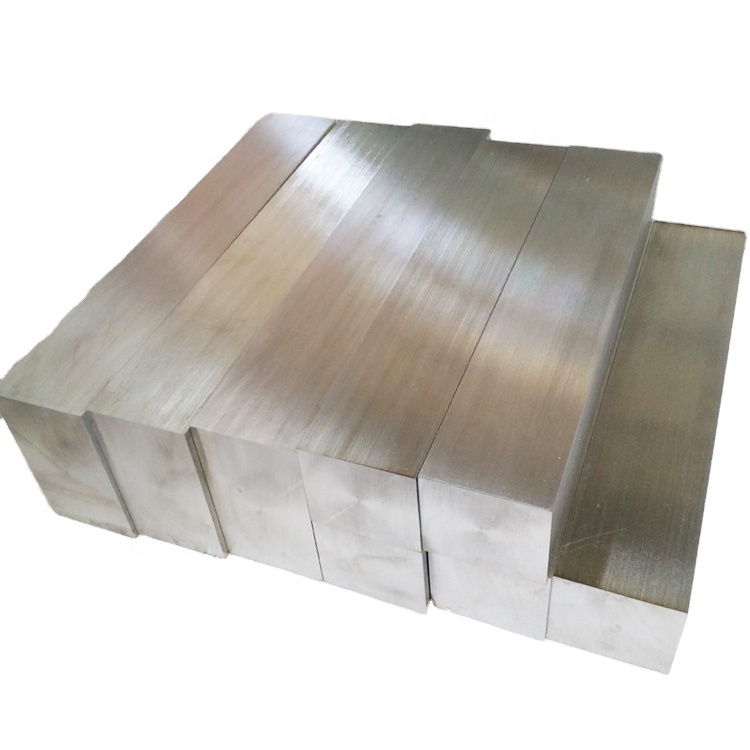
Titanium GR5 Ti-6Al-4V Block ASTM B348
- Standard: ASTM B348 / ASME SB348
- Tensile: ≥ 895 MPa
- Process: Hot Forged / Mill Annealed
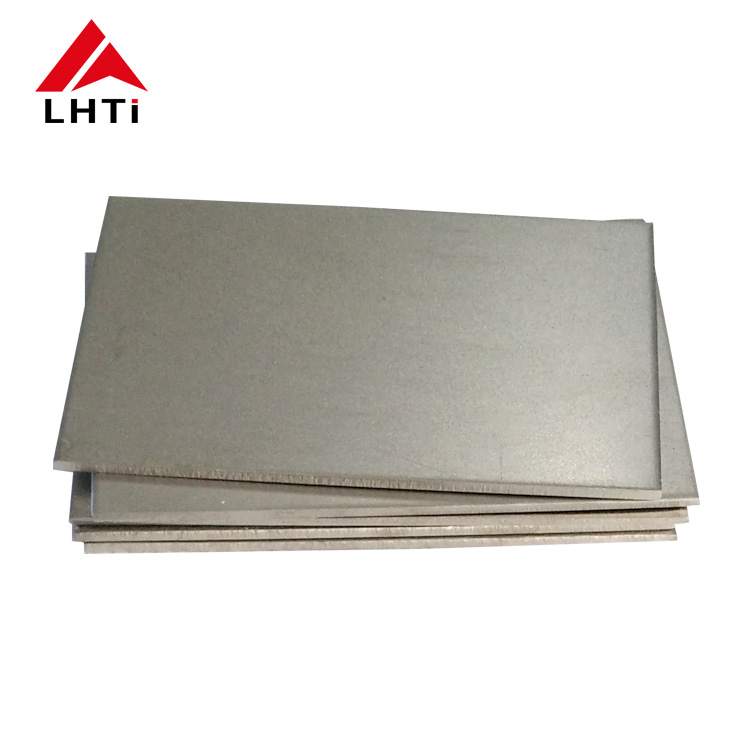
Gr5 Gr2 Titanium Sheet & Plate ASTM B265
- Grade: Gr2 (CP Ti) / Gr5 (Alloy)
- Thickness: 0.5 mm – 60 mm
- Application: Cladding Layer / Liners
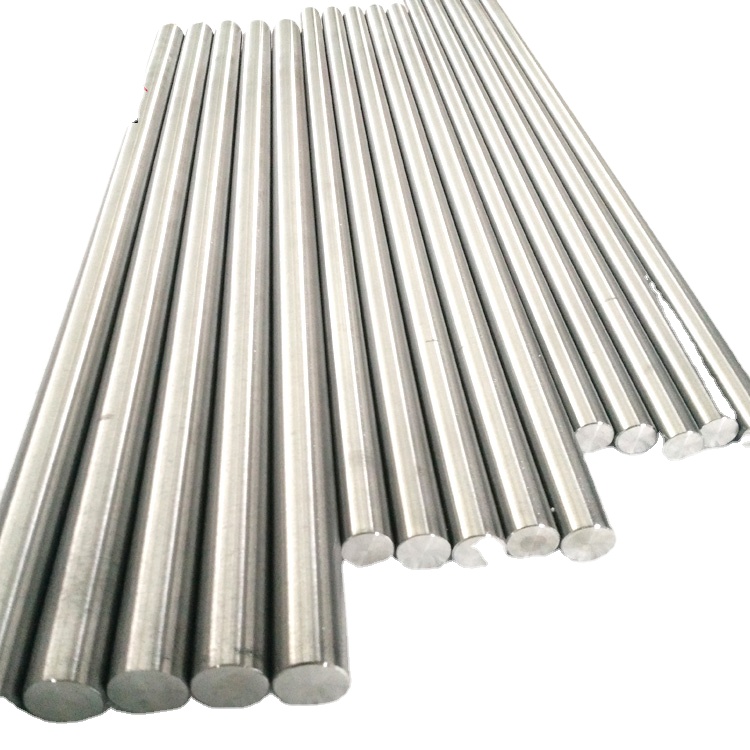
ASTM B348 GR5 Titanium Round Bar Ø100mm
- Diameter: 100 mm (±0.5 mm)
- Condition: Annealed (A) / Peeled
- Testing: 100% Ultrasonic Class A
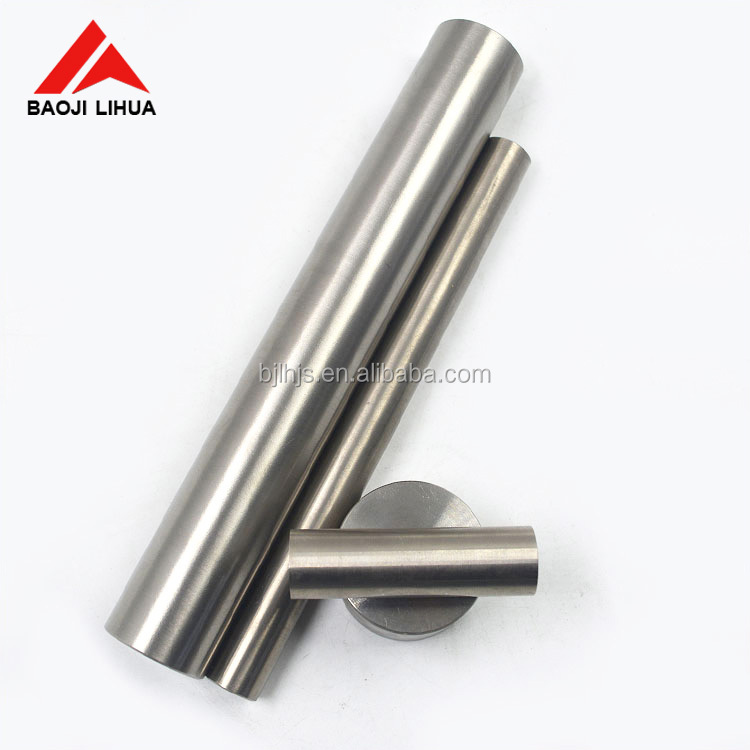
Industrial Titanium Bar Rod Billets
- Grades: Gr1, Gr2, Gr5, Gr12
- Finish: Forged / Turned / Peeled
- Traceability: EN 10204 3.1 Certified
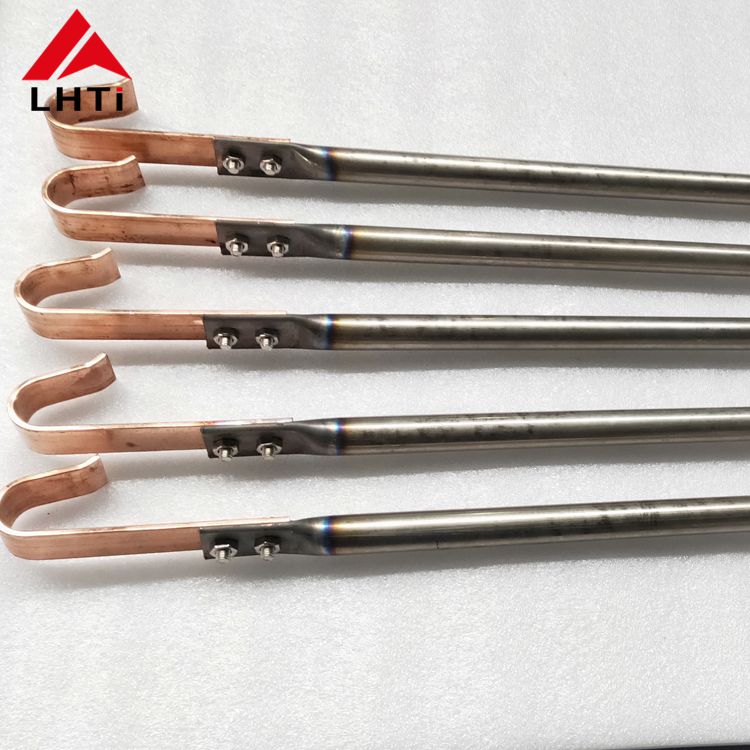
Anodizing Gr2 Titanium Shaft with Copper Hook
- Core: Electrolytic Copper Core
- Cladding: ASTM B265 Grade 2 Skin
- Conductivity: High Current Efficiency
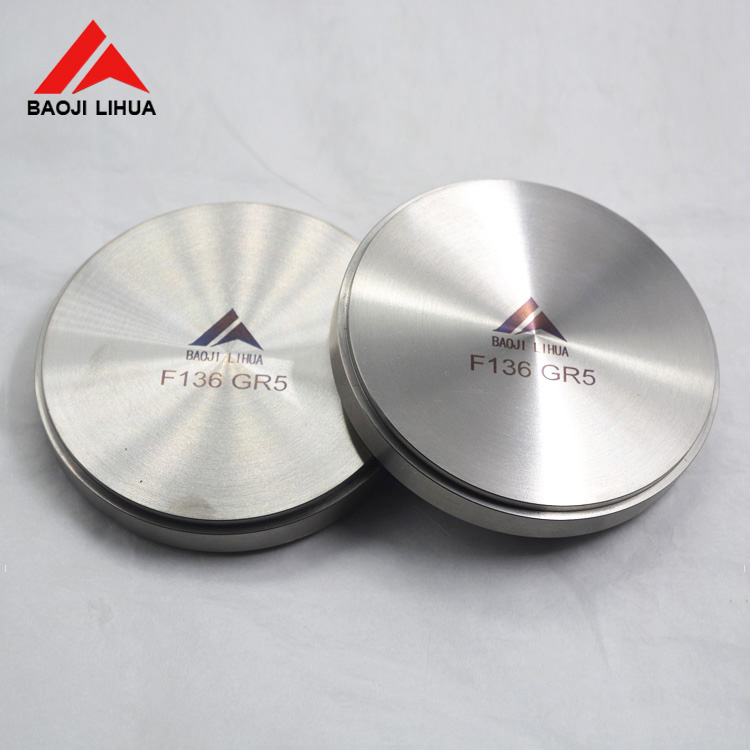
Medical Grade Titanium Block Gr5 ELI Gr23
- Standard: ASTM F136 / ISO 5832-3
- Purity: Extra Low Interstitial (ELI)
- Usage: Precision Machined Flanges
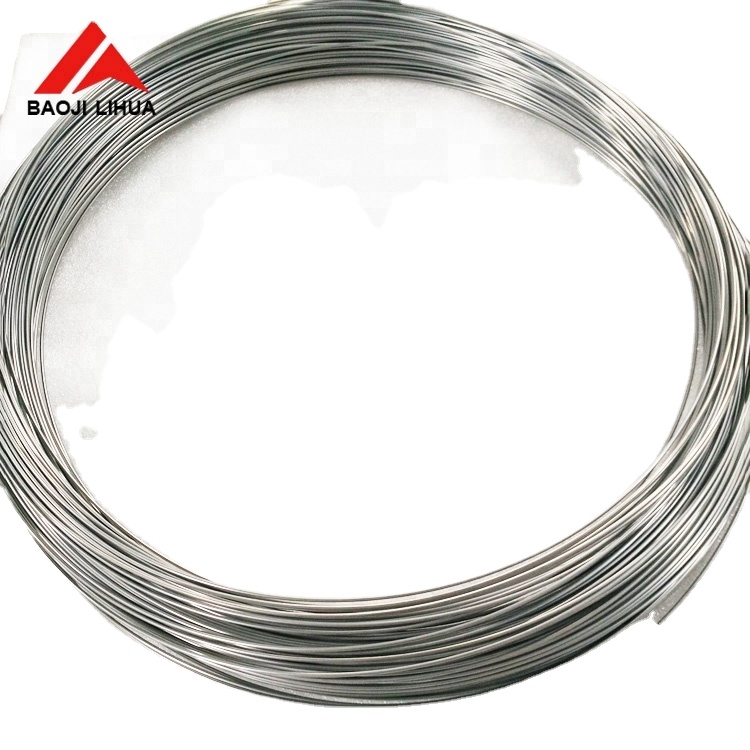
Superelastic Nitinol Shape Memory Wire
- Diameter: 0.45 mm – 0.55 mm
- Alloy: NiTi Superelastic / SMA
- Tensile: ≥ 1000 MPa
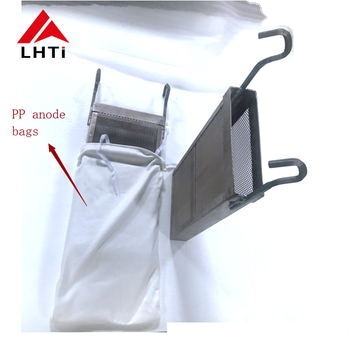
Gr2 Anodising Titanium Basket with PP Bags
- Material: Commercial Pure Gr2 Ti
- Features: Spot Welded Mesh / Acid Proof
- Accessories: Polypropylene Filter Bag
Engineering Fundamentals of Titanium Clad Steel Plates
A comprehensive analysis of metallurgical bonding kinetics, interfacial intermetallic prevention, and mechanical integrity for European pressure equipment compliance.
Procurement engineers and pressure vessel designers in Poland face a classic industrial dilemma: balancing aggressive chemical corrosion resistance with structural cost-effectiveness. In industrial facilities across the Mazovian Voivodeship, constructing heavy autoclaves, heat exchangers, and distillation columns from solid titanium alloys (such as ASTM B265 Grade 2 or Grade 5) is frequently prohibitive in terms of capital expenditure (CapEx). Titanium clad steel plates represent the metallurgical solution, uniting the unmatched chemical passivation of titanium with the cost-effective tensile strength and ductility of carbon or low-alloy pressure vessel steels.
The bond interface between titanium and carbon steel cannot be achieved through conventional fusion welding due to substantial differences in melting points, thermal expansion coefficients, and the rapid formation of brittle Fe-Ti intermetallic compounds (specifically FeTi and Fe2Ti). When liquid iron and titanium intermix, the resulting bond zone displays catastrophic embrittlement, often failing below 50 MPa in shear. To solve this, Jovzi Titanium deploys two strictly controlled manufacturing pathways tailored for Warsaw industrial tenders: Explosion Cladding (EXW) and Vacuum Hot Roll Bonding (HRB).
Explosive Welding (EXW)
Utilizes detonation-driven ultra-high velocity collision. Hydrodynamic jetting strips surface oxides, resulting in a metallurgical wave bond at atomic distances without bulk melting or phase embrittlement.
Vacuum Roll Bonding
Multi-layered assembly inside high-vacuum hermetic packs with proprietary intermediate barrier foils (such as Ni, Ta, or Cu interlayers) preventing carbon diffusion and Fe-Ti carbide synthesis during hot reduction.
Interfacial Integrity Verification
Every clad sheet destined for Central Europe undergoes 100% automated Ultrasonic Testing (UT) per EN 10228-4 or ASTM A578 Level I/II, guaranteeing no delamination voids exceeding 25 mm × 25 mm.
Per ASTM B898 (Standard Specification for Reactive and Refractory Metal-Clad Plate), shear strength across the bimetallic interface must exceed 137.9 MPa (20,000 psi). Jovzi Titanium's explosion-bonded plates consistently deliver shear values between 160 MPa and 220 MPa, well above the regulatory safety envelope required by the Polish Office of Technical Inspection (Urząd Dozoru Technicznego - UDT) and European Pressure Equipment Directive (PED 2014/68/EU).
Localized Applications Across Warsaw and Poland Industrial Hubs
Real-world integration scenarios where Jovzi Titanium bimetallic clad systems provide critical corrosion shielding and thermal reliability.
Warsaw Combined Heat & Power
Flue Gas Desulfurization (FGD) scrubbers, wet electrostatic precipitators, and tubular heat exchangers at facilities such as Siekierki and Żerań require Gr2/P265GH composite plates to resist sulfuric acid dew point attack.
Płock Petrochemical Corridor
Located immediately downstream in the Mazovian basin, refining complexes require titanium-clad reactor vessels, PTA (purified terephthalic acid) crystallizers, and chlor-alkali distillation columns operating under high halide pressures.
Wastewater & Sludge Pyrolysis
Warsaw's advanced environmental municipal works (including the Czajka facility) utilize titanium clad steel digester covers and wet oxidation vessels handling highly corrosive wet chlorine, ozone, and ferric chloride reagents.
Beyond static pressure containment, titanium-clad components are increasingly specified in Mazovian engineering contractor designs for tubesheet applications. When fabricating tubular heat exchangers for Baltic chemical processing and regional fertilizer plants, our explosion-bonded tubesheets (Gr1 or Gr2 clad on SA516 Gr70 or 16Mo3 base) ensure that the tube-to-tubesheet seal can be fully orbital TIG welded without galvanic or mechanical leakage hazards.
Technical Specification & Grade Pairing Matrix
Standard combinations, mechanical performance thresholds, and test protocols for industrial procurement.
| Cladding Layer (ASTM B265) | Base Plate Steel (EN / ASTM) | Bonding Process | Clad / Base Thickness | Min. Shear Strength | Target Corrosive Environment |
|---|---|---|---|---|---|
| Gr1 (UNS R50250) | P265GH / SA516 Gr.60 | Explosion Bonded (EXW) | 1.5 – 3.0 mm / 6 – 50 mm | ≥ 150 MPa | Plate heat exchangers, mild chloride brine, vacuum vessels |
| Gr2 (UNS R50400) | P355GH / SA516 Gr.70 | EXW / Roll-Bonded | 2.0 – 6.0 mm / 10 – 120 mm | ≥ 170 MPa | Petrochemical reactors, PTA plants, wet chlorine, FGD scrubbers |
| Gr7 (Ti-0.15Pd) | 16Mo3 / SA387 Gr.11 | Explosion Bonded (EXW) | 2.0 – 4.0 mm / 12 – 80 mm | ≥ 180 MPa | Reducing acid media, localized crevice corrosion zones |
| Gr12 (Ti-0.3Mo-0.8Ni) | P355NH / SA516 Gr.70 | EXW / Hot Roll Bonded | 2.0 – 5.0 mm / 10 – 90 mm | ≥ 165 MPa | High-temperature brine, low-pH chlor-alkali environments (>200°C) |
| Gr5 (Ti-6Al-4V) | S355J2+N / AISI 4140 | Explosion Bonded (EXW) | 3.0 – 10.0 mm / 15 – 100 mm | ≥ 210 MPa | High-stress structural baffles, defense, marine ballistic hulls |
*Note: Ultrasonic testing standard class compliance: EN 10228-4:1999 Class 3/4 or ASTM A578 Level I/II. Impact toughness testing of carbon base steel is maintained down to -40°C per EN 13445-2 requirements. Mill Test Certificates supplied strictly per EN 10204 3.1 or 3.2.
Emerging Procurement Trends in Poland: 2025–2030
How decarbonization targets, hydrogen valley expansions, and EU directives are shifting industrial metallurgy.
Under the framework of Poland's Energy Policy until 2040 (PEP2040) and European Fit for 55 regulatory pressures, Poland's heavy processing industry is undergoing a structural modernization phase. Engineering offices based in Warsaw, Wrocław, and Katowice are accelerating the phase-out of legacy, high-maintenance rubber-lined and glass-lined chemical vessels in favor of permanent bimetallic composites.
CapEx Rationalization
Replacing solid titanium shell designs with bimetallic plates slashes material costs by 45% to 65% while maintaining identical lifespan in aggressive oxidizing environments.
Clean Hydrogen Corridor
Mazovia's emerging Hydrogen Valleys require high-volume water electrolyzers and alkaline brine circuits where titanium clad steel plates serve as cathode frames and heat recovery cells.
Carbon Capture (CCUS)
Post-combustion amine scrubber towers operating in Polish power networks generate corrosive solvent mixtures, making titanium-clad gas contactors the benchmark standard.
Rail Logistics Streamlining
Transit via the Xi'an-to-Małaszewice Silk Road rail line enables delivery to Warsaw intermodal yards within 14-18 days, bypassing volatile oceanic freight routes.
Why Warsaw Engineering EPCs Partner with Jovzi Titanium
Combining world-class production origin in China's Titanium Valley with European traceability and rigorous metallurgical standards.
Baoji Strategic Heritage
Established in 2006 in Baoji, Shaanxi, Jovzi Titanium leverages immediate access to China's leading titanium sponge suppliers and ingot melting capacity. This vertical integration guarantees complete ingot-to-plate chemical homogeneity and zero foreign inclusions.
Senior Metallurgy Team
Our operations are led by 4 senior metallurgical engineers and 5 intermediate engineers specializing in explosive dynamics, hot rolling schedules, and vacuum seal design, ensuring each order meets strict mechanical tolerances.
Certified Quality Assurance
ISO 9001 certified quality management system. Every production lot is verified through mechanical, chemical, and micrographic evaluations with independent reports from the authorized BaoTi Test Center alongside EN 10204 3.1 MTCs.
Full Size & Shape Customization
From large-format shell plates (up to 3000 mm width × 9000 mm length) to dished heads, flange blanks, and pre-machined tubesheets with weld preparation bevels, we supply fully fabricator-ready bimetallic components.
Full Intermodal Logistics
Flexible commercial Incoterms including FOB, CIF Gdynia/Gdańsk, and direct DDP Warsaw warehouse deliveries. High-rigidity seaworthy wooden framing and anti-abrasion barrier films prevent handling scratches during cross-border transit.
Rapid Quotation & Technical Support
Our international engineering trade desk provides comprehensive technical feasibility studies, weld procedure specification (WPS) support, and detailed price schedules within 8 working hours.
Frequently Asked Questions for Warsaw Procurement Teams
Clear, technical, and regulatory answers addressing Polish technical inspection, welding, testing, and delivery standards.
Which standards govern titanium clad steel plates supplied to Poland?
How is the joint welded during pressure vessel fabrication in Warsaw?
1. Stripping the titanium cladding back approximately 10–15 mm from the weld bevel edge.
2. Performing full-penetration welding of the carbon steel or alloy base plate using conventional SMAW/SAW/GMAW techniques.
3. Inspecting the base weld (visual, radiographic or ultrasonic).
4. Installing a titanium backing strip or batten strap (cover strip) of the same grade over the exposed joint, and performing gas tungsten arc welding (GTAW/TIG) under 99.999% high-purity argon shielding. Alternatively, a pure copper or silver barrier interlayer can be applied prior to overlay passes.
What ultrasonic testing (UT) acceptance criteria are applied?
What is the typical shipping lead time and customs route to Warsaw?
1. Rail Freight (Fastest Ground Route): Cargo departs via direct China-Europe Railway Express (Xi'an/Baoji terminal to Małaszewice Hub / Warsaw Euroterminal), taking roughly 14 to 18 days transit.
2. Maritime Shipping (Cost-Optimal): FCL shipments route from Qingdao or Tianjin port to Gdańsk or Gdynia container terminals (approx. 32 to 38 days sea transit), followed by local trailer delivery across the Mazovian Voivodeship. We manage full export clearing, packing manifests, and provide EUR.1 origin certification assistance.
What base steel grades can be clad with titanium?
• Pressure Steels: P265GH, P295GH, P355GH (EN 10028-2) and ASME SA516 Gr. 60, 65, 70.
• Boiler & Chrome-Moly Steels: 16Mo3, 13CrMo4-5, SA387 Gr. 11/22.
• Austenitic Stainless Steels: 1.4301 (304), 1.4404 (316L), 1.4462 (Duplex 2205).
Cladding layers can be selected from Grade 1, Grade 2, Grade 7, Grade 12, or Grade 5 titanium, with thicknesses spanning from 1.5 mm up to 12 mm depending on vessel operating design pressures.