Mill-certified titanium exhaust fittings, high-pressure valves, superelastic wires, and fastening systems tested to ASTM, ASME, and DIN standards for industrial and racing applications.
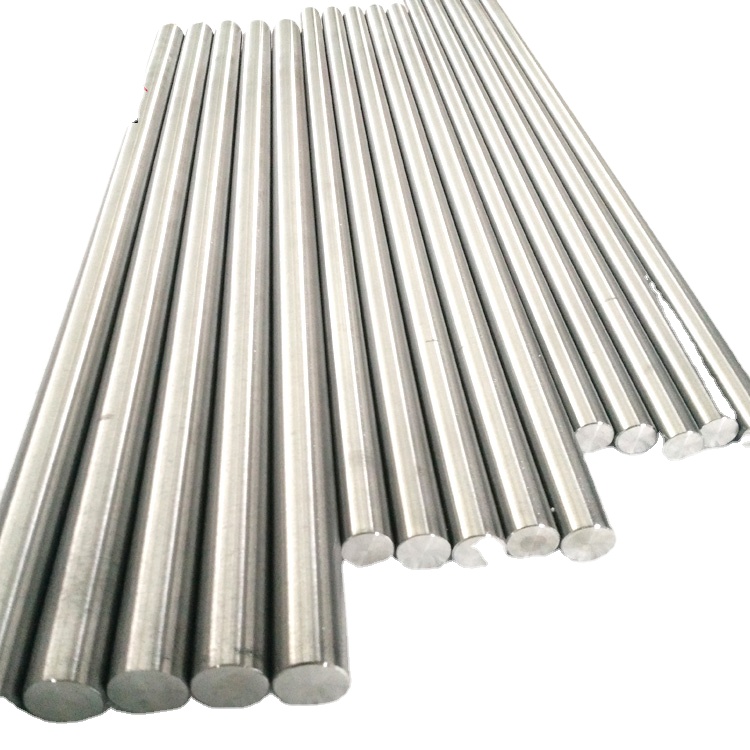
ASTM B348 GR5 Titanium Bar Dia 100mm
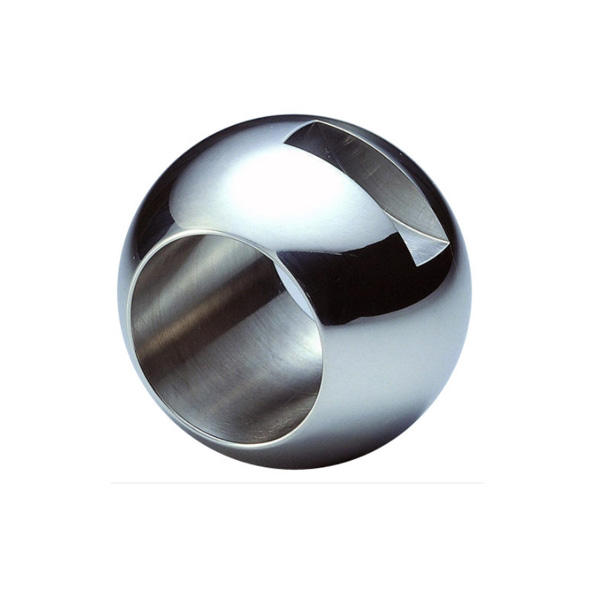
Titanium Ball Core Valve Accessories
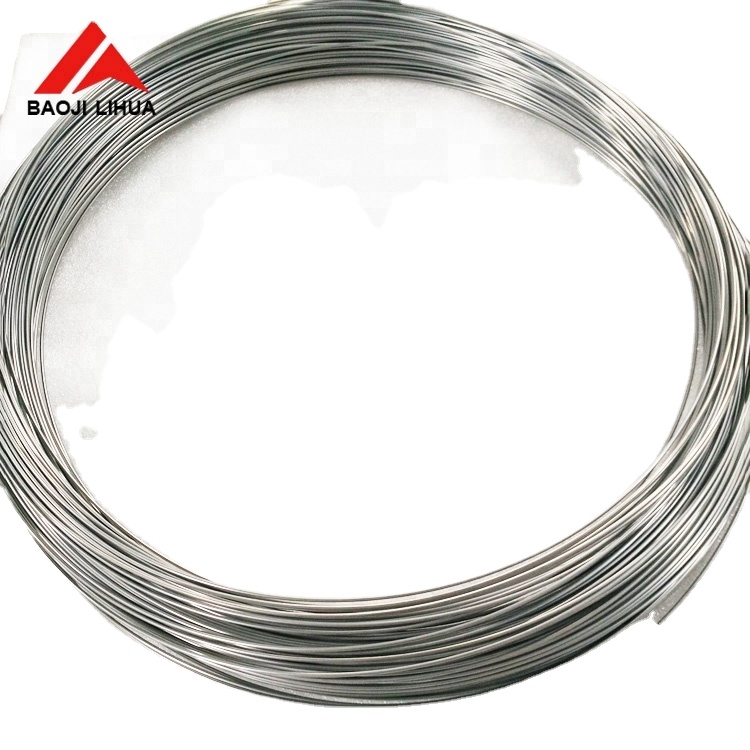
Superelastic Nitinol NiTi Memory Wire
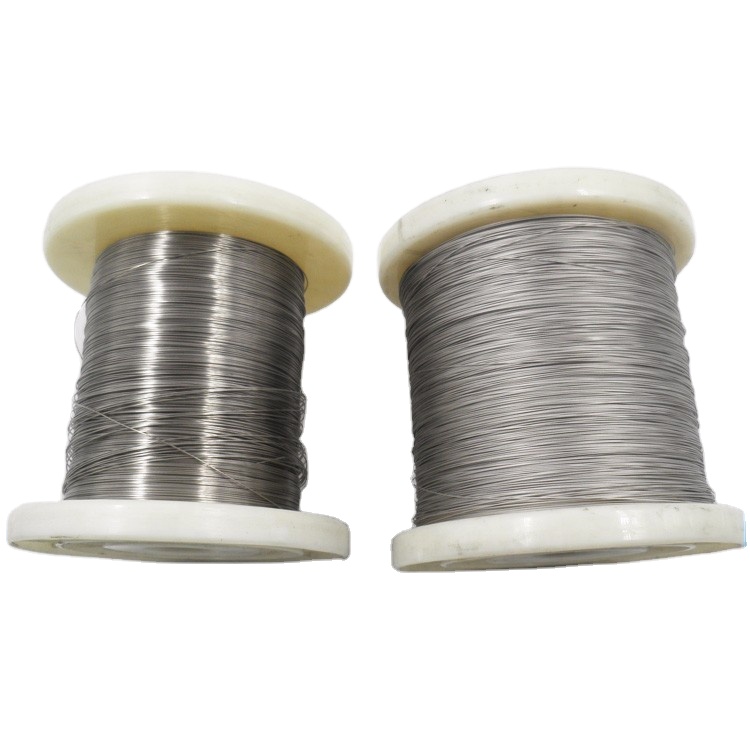
AWS A5.16 ERTi-2 Titanium Filler Wire
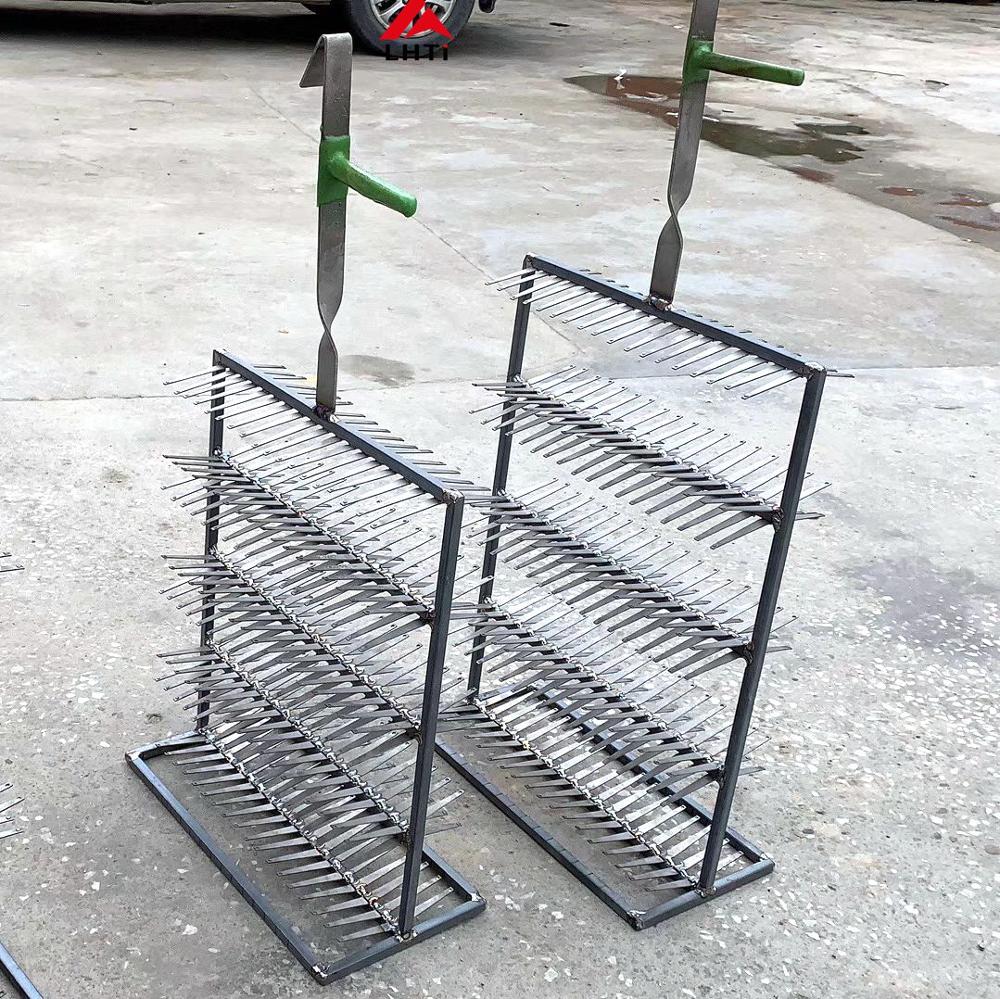
Anodizing Titanium Jig Hanger Rack
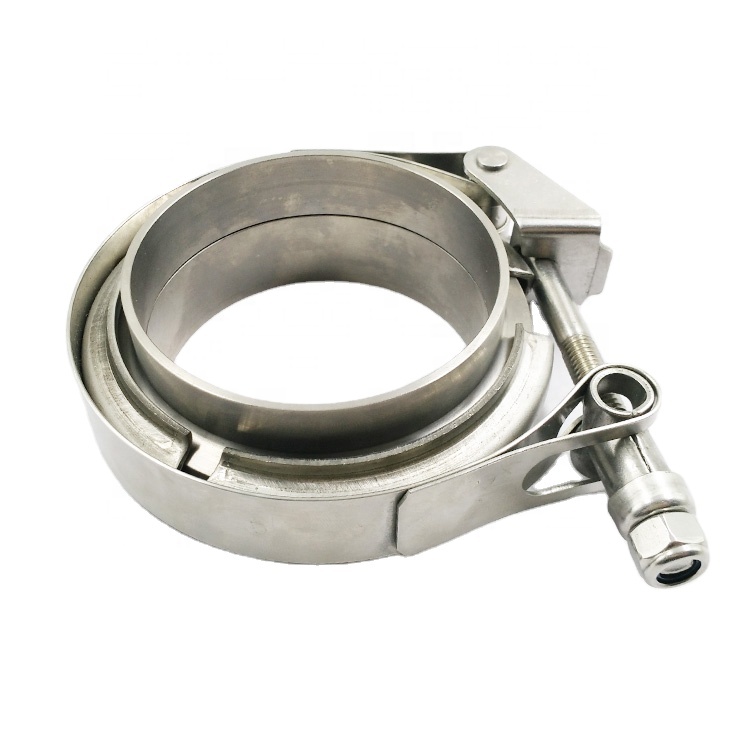
Titanium V-Band Clamp & Flange Assembly
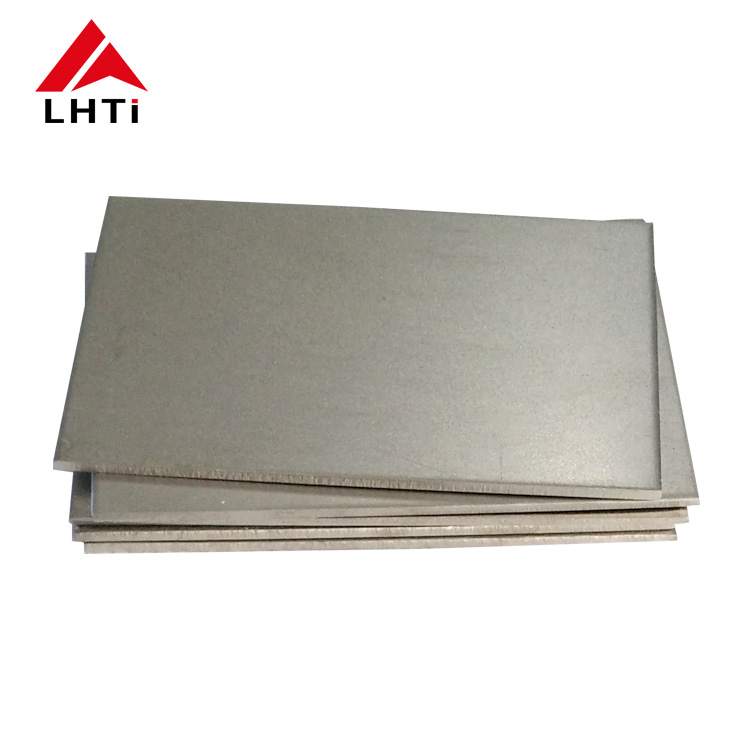
ASTM B265 Gr2 / Gr5 Titanium Sheet Plate
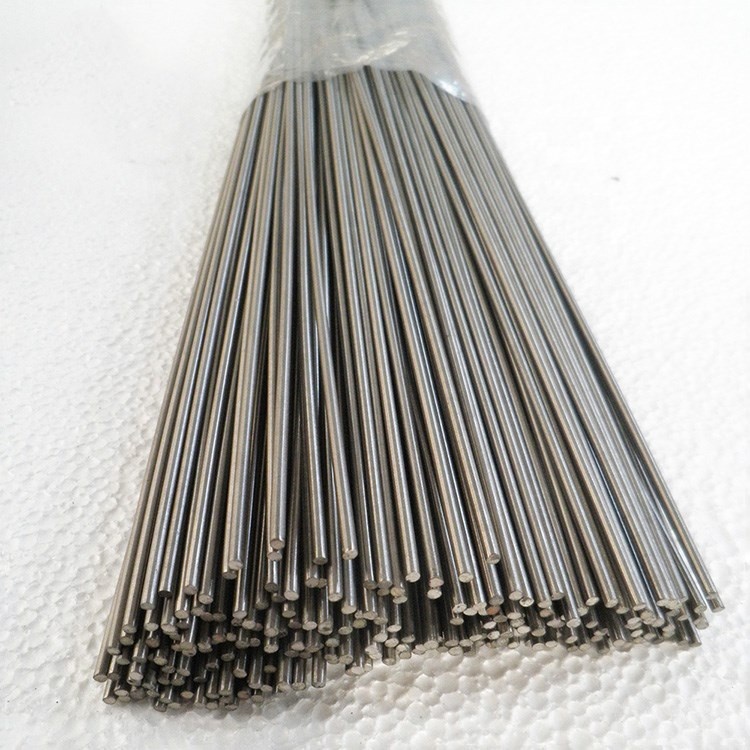
Precision Micro Titanium Rod Series
1. Exhaust Engineering Landscape in the Amsterdam Industrial Cluster
The Greater Amsterdam metropolitan corridor, bridging the industrial harbor of Port of Amsterdam, the Schiphol logistics axis, and the North Sea Canal innovation belt (IJmuiden to Zaandam), represents one of Europe's most demanding arenas for advanced metallurgy. In particular, the demand for precision titanium exhaust fittings, collectors, modular flanges, and flexible pipe transitions has surged across multiple cutting-edge sectors.
Historically reliant on 304 and 316L austenitic stainless steels or nickel-chromium superalloys like Inconel 625, Amsterdam’s mechanical fabricators, performance marine architects, and high-spec industrial retrofittees are increasingly pivoting to Grade 2 (UNS R50400) commercially pure titanium and Grade 5 (Ti-6Al-4V, UNS R56400). Titanium provides an exceptional strength-to-density ratio (density of 4.51 g/cm³ versus ~8.0 g/cm³ for stainless steel), offering up to a 45% to 50% mass reduction without sacrificing structural modulus or fatigue threshold.
2. Localized Application Scenarios Across North Holland
Sourcing titanium exhaust components in the Dutch market is characterized by several localized application realities:
A. Low-Emission Inland Waterway Craft & Hybrid Tug Systems: In accordance with strict emission reduction goals set by the Port of Amsterdam and the Central Commission for the Navigation of the Rhine (CCNR), commercial and tourist passenger craft navigating the Amsterdam canals are converting to hybrid and hydrogen combustion generation setups. Titanium exhaust collectors and wet-exhaust components deliver unmatched resistance against both canal micro-corrosion (brackish water interfaces) and sulfurous condensates produced during variable engine cycles.
B. High-Performance Automotive & Track Development: Just kilometers west of Amsterdam lies Circuit Zandvoort, creating an active technical sub-culture of high-performance exhaust builders, tuning laboratories, and race chassis fabricators. These custom workshops demand thin-wall (1.0mm to 1.2mm) Grade 2 pie-cuts, mandrel-bent bends, and CNC-machined titanium male/female V-band clamp sets capable of surviving track temperatures exceeding 650°C while handling severe cyclic vibration.
C. Green Hydrogen & Clean Fuel Cogeneration (CHP): Within the Amsterdam Westpoort industrial zone, distributed Combined Heat and Power (CHP) plants and pilot green hydrogen generation grids require flare and exhaust lines that resist severe embrittlement. Titanium Grade 7 (with palladium addition) and Grade 2 exhaust adapters maintain structural integrity under acidic gas streams and elevated thermal transients where conventional steels suffer accelerated intergranular attack.
| Titanium Grade | Yield Strength (Min) | Tensile Strength (Min) | Density | Primary Amsterdam Application |
|---|---|---|---|---|
| Grade 1 (CP4) | 170 MPa | 240 MPa | 4.51 g/cm³ | Deep-drawn acoustic baffles & complex exhaust end-caps |
| Grade 2 (CP3) | 275 MPa | 345 MPa | 4.51 g/cm³ | Standard exhaust tubing, pie-cuts, resonators, V-band assemblies |
| Grade 5 (Ti-6Al-4V) | 828 MPa | 895 MPa | 4.43 g/cm³ | CNC turbo adapter flanges, high-stress manifold studs, brackets |
| Grade 7 (Ti-0.15Pd) | 275 MPa | 345 MPa | 4.51 g/cm³ | Chemical exhaust lines, aggressive condensates, coastal marine stacks |
3. Metallurgy, Gas Shielding, and Fabricator Best Practices
Unlike standard ferrous alloys, working with titanium in exhaust fabrication requires rigorous procedural discipline to prevent interstitial contamination from atmospheric oxygen, nitrogen, and hydrogen at temperatures above 400°C (752°F). When titanium absorbs oxygen, it forms an alpha case layer—a brittle, micro-cracking boundary that quickly causes catastrophic failure under harmonic exhaust vibrations.
Dutch custom builders and mechanical contractors rely on Jovzi Titanium's strictly controlled manufacturing standards. Our exhaust tubes and pre-machined V-band fittings are cleaned, degreased, and deburred to guarantee optimal wettability for automated or manual TIG (GTAW) procedures. Utilizing pure argon shielding (minimum 99.995% purity) with secondary trailing shields and backside root purge boxes ensures silvery, straw-tinted weld zones that preserve optimal ductile-to-brittle transition metrics.
Key technological shifts reshaping procurement criteria for engineering buyers in the Netherlands.
Lifecycle Costing vs Initial Capital
Dutch industrial buyers increasingly assess total cost of ownership (TCO). While titanium carries a higher initial material expense than stainless grades, its resistance to chloride-induced pitting and salt-air stress corrosion in coastal zones like IJmuiden eliminates periodic maintenance and unscheduled line downtime.
Rapid Prototyping & Modular Pie-Cuts
Exhaust specialists in the Randstad region are shifting from traditional heavy mandrel tooling to precision pre-cut 1.5D laser-beveled titanium pie cuts (9° and 15° segments). This allows complex exhaust routing within constrained engine bays without internal diameter reduction or backpressure spikes.
Full Metallurgical Traceability
Compliance under European industrial frameworks demands verifiable certification. Importers and tier-one contractors in the Netherlands require complete EN 10204 Type 3.1 inspection certificates documenting chemical batch analysis, elongation, and yield limits for every mill run.
Direct from China's Titanium Valley (Baoji) to Western European fabricators with certified engineering precision.
Baoji Manufacturing Center
Established in 2006 in Baoji, Shaanxi—the heart of China's titanium refining cluster. We process select sponge to ingots, guaranteeing chemical stability and reliable supply across raw bars, sheets, and fittings.
In-House CNC Machining
Our workshop houses multi-axis CNC turning and milling centers, thread-rolling machines, and automated surface polishers capable of holding tolerances within ±0.01mm for high-pressure valve cores and precision exhaust flanges.
Certified Testing by BaoTi Center
Alongside our internal quality control inspection procedures, third-party laboratory verification and testing reports issued by the authorized BaoTi Test Center can be provided for complete material peace of mind.
Rapid International Logistics
Serving Western Europe with prompt FOB, CIF, or DDP shipments. Secure seaworthy wooden box packaging with protective film prevents galvanic contact and thread damage during long-distance multimodal transport.
Clear, direct technical answers addressing logistics, quality standards, and integration protocols for the Dutch market.
Q: How does Jovzi handle EN 10204 3.1 documentation for European imports?
Every shipment is accompanied by a comprehensive EN 10204 3.1 Mill Test Certificate (MTC). This certificate explicitly states the master heat number, optical emission spectrometry chemical breakdown, tensile properties, yield points, and elongation percentages. Independent testing from BaoTi Test Center is also available upon contract request.
Q: Can titanium exhaust components withstand direct North Sea marine environments?
Yes. Grade 2 and Grade 7 titanium form an instantaneous, stable, protective titanium dioxide (TiO₂) oxide layer upon contact with air or moisture. This film provides complete immunity to ambient marine atmospheres, saltwater splash zones, and seawater spray, completely outperforming 316L stainless steel, which remains susceptible to pitting and crevice corrosion under marine biofouling.
Q: What are the typical lead times and customs arrangements for the Netherlands?
Standard stocked components (such as ASTM B348 round bars, ASTM B265 titanium sheets, standard size V-band clamps, and ERTi-2 welding wires) can be dispatched within 3 to 7 working days. For custom OEM precision components machined to customer CAD/STEP drawings, delivery via air express (FedEx/DHL) takes 5 to 8 days, while sea freight to the Port of Rotterdam or Amsterdam takes approximately 28 to 35 days.
Q: What is the optimal welding wire for fabricating Grade 2 titanium exhaust assemblies?
We recommend AWS A5.16 ERTi-2 pure titanium filler wire. ERTi-2 closely matches the parent material’s physical and chemical composition, yielding a weld deposit with balanced ductility and tensile strength. For high-stress manifold sections subject to high vibrations, ERTi-5 (Ti-6Al-4V) filler wire is occasionally selected for targeted joints.
Q: What is your Minimum Order Quantity (MOQ) for custom fabricated parts?
For catalog products like standard bars, plates, or flanges, our MOQ starts from as little as 1 piece or 1 kg to facilitate initial prototyping. For custom CNC-machined components manufactured strictly to client blueprints, batch sizes are evaluated on a per-project basis, supporting both small-scale testing runs and bulk industrial deliveries.
Q: What payment terms and currencies do you support for European buyers?
We accommodate multiple transaction structures, including T/T (Telegraphic Transfer), L/C at sight, PayPal, Western Union, and Escrow services. We readily settle contracts in Euro (EUR) or US Dollars (USD), with clear terms defined under Incoterms 2020 rules (FOB, CFR, CIF, CIP, DDP).