Featured Titanium Components for Belgrade fabricators & OEMs
Explore our core catalog of mill-certified titanium fittings, medical grade raw billets, aerospace-grade fasteners, and high-corrosion process hardware designed for high-stress exhaust and industrial fabrication.
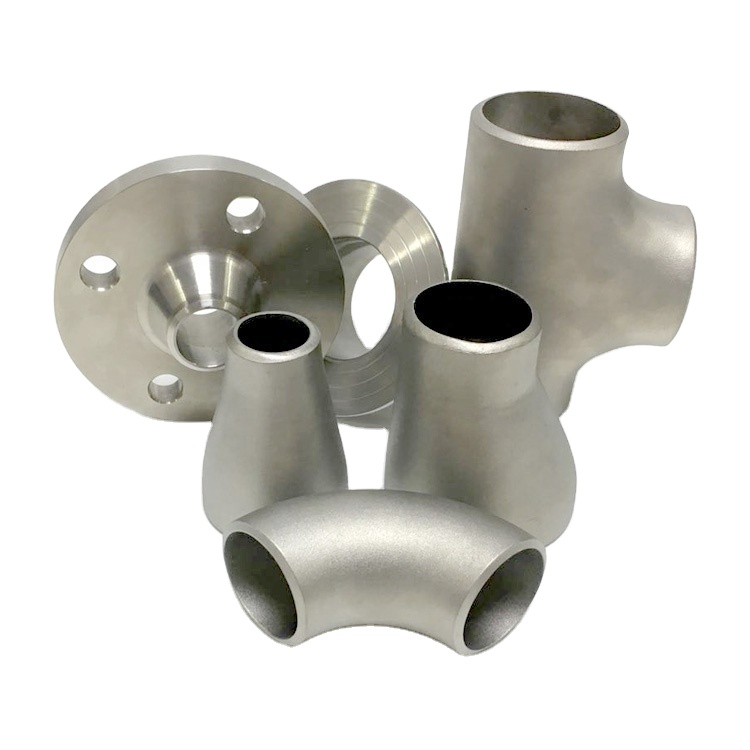
Ti-pure Titanium Seamless Concentric Reducer Pipe Fitting
- Grade: CP Grade 2 / ASTM B363
- Structure: Seamless Cold-Formed
- Application: Exhaust & Process Piping
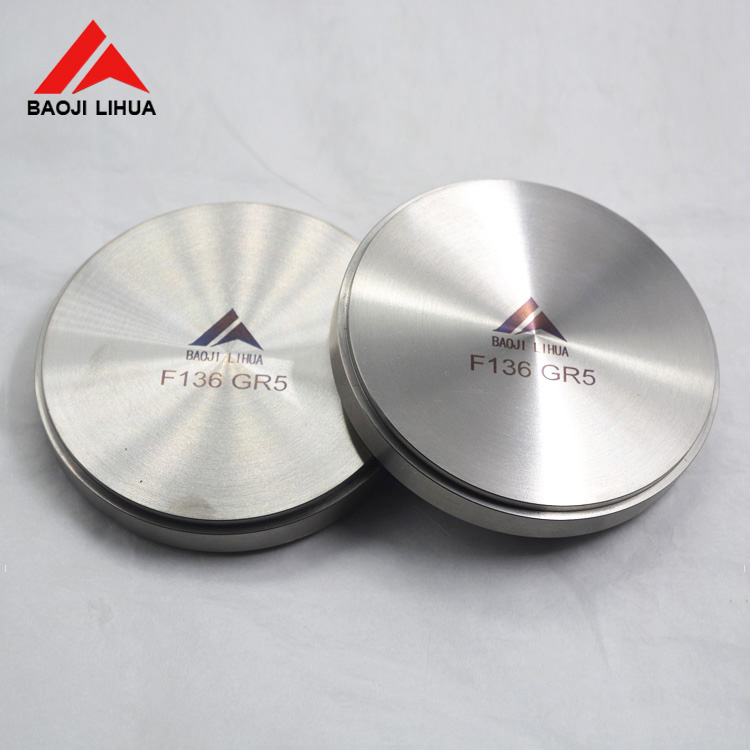
Hot Selling Medical Grade Titanium Block Gr5 Eli Gr23 Titanium Disc
- Standard: ASTM F136 / Gr23 ELI
- Purity: High Purity Biocompatible
- Application: Dental & Surgical Machining
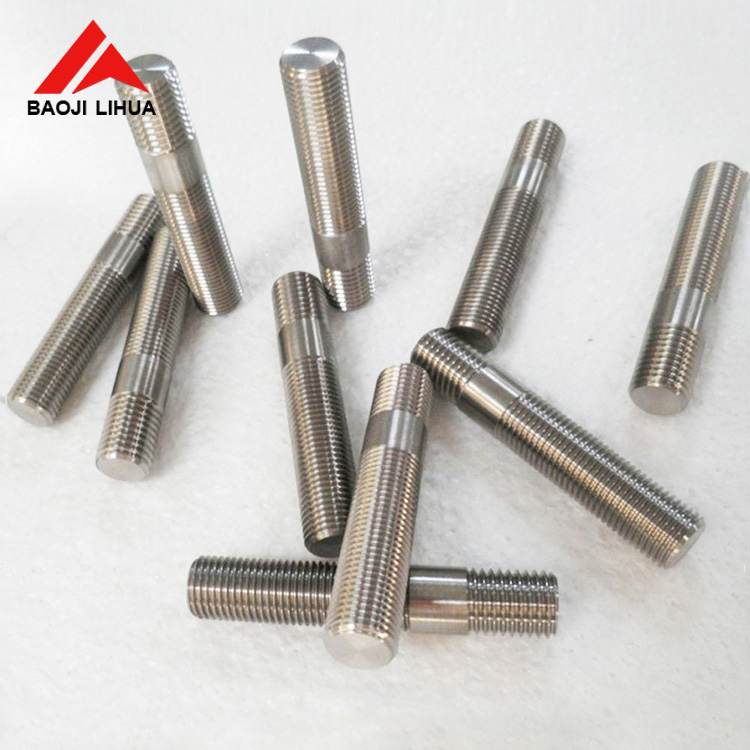
M8 M10 M12x30mm Gr2 Gr5 Titanium Auto Intake Exhaust Stud Bolt
- Grade: Grade 5 (Ti-6Al-4V) Rolled
- Features: Heat Treated / Anti-Gall
- Use: Turbo & Manifold Fastening
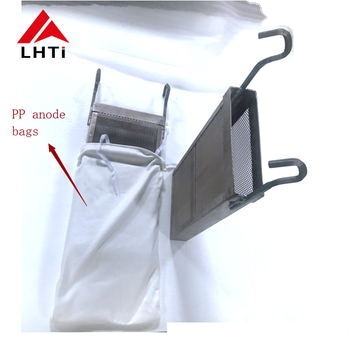
Gr2 Anodising Titanium Basket With PP Anode Bags for Electroplating
- Material: Commercial Pure Gr2
- Mesh: Micro Spot Welded Hooks
- Resist: Acid Baths & Harsh Electrolytes
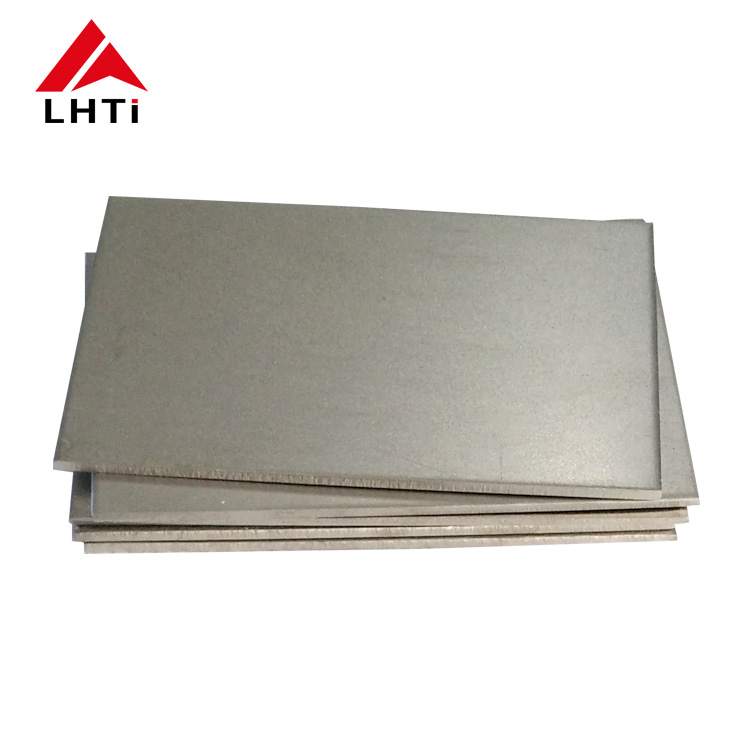
Gr5 Gr2 Titanium Plate Price ASTM B265 Titanium Sheet in Stock
- Standard: ASTM B265 / ASME SB265
- Thickness: 0.5mm – 45mm Cold Rolled
- Certification: EN 10204 3.1 Traceable
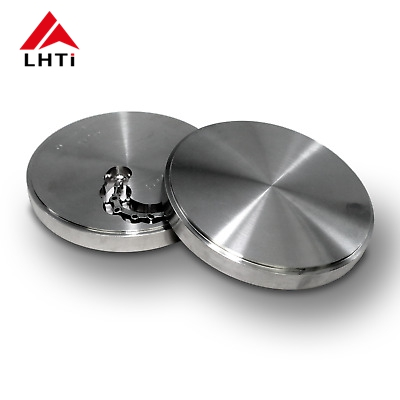
ASTM F136 Titanium Block Gr5 Eli Gr2 Gr4 Titanium Disc 98mm
- Diameter: 98mm Stepped CAD/CAM
- Alloy: Grade 5 ELI / Ti-6Al-4V ELI
- Yield: ≥ 795 MPa Fatigue Tested
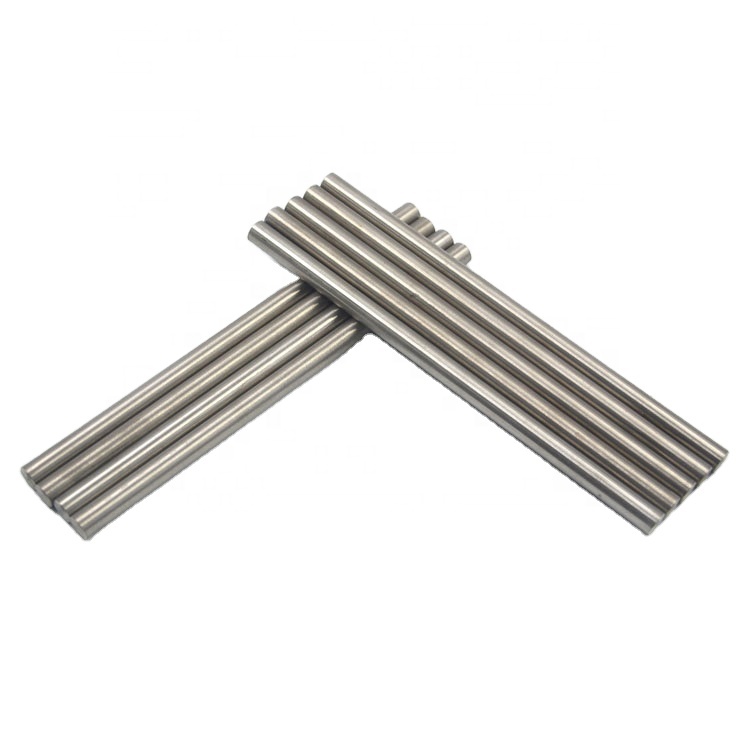
Nickel Titanium Alloy Super Elastic & Shape Memory Nitinol Bar
- Composition: Ni-Ti Binary (~55.8% Ni)
- Elasticity: Superelastic / Shape Memory
- Condition: Polished / Centerless Ground
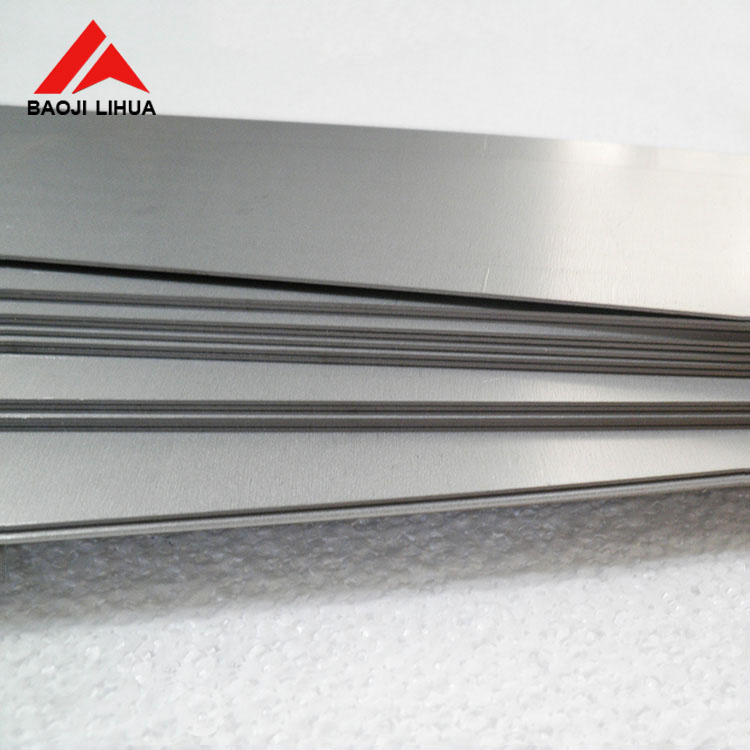
Gr2 Gr5 Ti 6al4v Polished 1mm Thickness Grade 2 Sheet Plate
- Thickness: 1.0 mm Mirror / Satin Finish
- Ductility: Deep-Draw & Bending Ready
- Application: Heat Shields & Exhaust Bellows
Titanium Exhaust Decoupling in Belgrade’s Expanding Automotive Hub
Belgrade sits at the strategic crossroads of Central and Southeastern Europe, functioning as Serbia’s logistics, automotive re-engineering, and advanced metal manufacturing epicenter along European transport corridors X and VII. With intensive highway cargo traversing the E70 and E75 motorways, coupled with expanding specialized automotive workshops in Dobanovci, Zemun, Šimanovci, and Pančevo, the demand for resilient, ultra-lightweight exhaust hardware has surged. In high-duty cycle applications, conventional austenitic stainless steel flexible bellows (AISI 304 and AISI 321) continuously suffer premature thermal fatigue cracking, embrittlement under cyclic vibration, and chloride-induced pitting from aggressive winter de-icing salts used on Balkan transit routes.
As Belgrade’s custom exhaust fabricators and industrial engine retrofitters pursue higher operational longevity, titanium exhaust flex pipe bellows manufactured from Commercially Pure Grade 2 (ASTM B338 / ASTM B265) and Palladium-stabilized Grade 7 titanium have transitioned from niche aerospace exotics into the benchmark solution. Titanium delivers an exceptional strength-to-weight ratio (density of ~4.51 g/cm³ versus ~7.9 g/cm³ for stainless steel), an exceptionally low thermal expansion coefficient (8.6 × 10⁻⁶/K compared to 16.5 × 10⁻⁶/K for 304 stainless steel), and near-total immunity to exhaust condensate acidity and winter road chlorides.
Multi-Ply Hydroformed Convolutions
Precision hydroformed dual-ply walls (0.35mm–0.5mm per ply) absorb high-frequency engine harmonic resonance while drastically decreasing spring rate rigidity, eliminating mechanical fatigue stress across turbocharger manifolds and catalytic downpipes.
Directional Interlock Liner Technology
Constructed with an aerodynamic titanium interlock liner that withstands sustained exhaust gas temperatures up to 850°C without unraveling, preserving maximum gas velocity and protecting the expansion convolutions from backpressure turbulence.
Chloride & Condensate Passivation
Titanium spontaneously creates a stable, self-regenerating TiO₂ passive surface layer that eliminates intergranular corrosion caused by sulfurous condensate, nitrogen oxides, and intense Balkan road de-icing salts.
Where Belgrade Engineers Deploy Titanium Bellows
From closed-course racing circuits to intensive river vessel propulsion on the Sava and Danube, our flexible titanium joints solve critical vibration and thermal displacement challenges.
Motorsport & Track Builds (NAVAK)
Belgrade racing fabricators tuning competitive touring cars and drag builds for trials at the NAVAK (National Driving Academy) circuit in Subotište deploy titanium flex bellows directly aft of turbo downpipes. Shedding over 55% of downpipe flex weight reduces bracket stress and absorbs harsh engine pitching under rapid gear shifting.
Intercity Commercial Fleet Retrofits
Heavy freight carriers operating out of logistics terminals in Batajnica, Dobanovci, and Krnješevci utilize titanium flex joints on high-vibration auxiliary power units (APUs) and modified turbo-diesel downpipes to prevent costly road breakdowns on international routes into Hungary, Romania, and North Macedonia.
Danube & Sava Commercial Marine
Barge pushers, passenger cruisers, and patrol crafts operating out of the Port of Belgrade encounter persistent wet exhaust condensation corrosion. Replacing failed stainless expansion joints with seawater-resistant Gr2/Gr7 titanium bellows guarantees zero corrosion failure from raw river cooling injectants.
Industrial Cogeneration & CHP Units
District energy facilities and localized bio-gas cogeneration plants in the Pančevo and Novi Beograd industrial districts install heavy-duty titanium flexible bellows to decouple mechanical vibrations generated by large stationary reciprocating gas engines from rigid ducting networks.
Titanium vs Stainless Steel Bellows Performance Matrix
Review the metallurgical characteristics that substantiate Jovzi Titanium bellows as the premier high-efficiency thermal decoupling solution for demanding engineering installations.
| Performance Attribute | CP Grade 2 Titanium (Jovzi) | Grade 7 Ti-0.15Pd (Jovzi) | AISI 321 Stainless Steel | Inconel 625 Alloy |
|---|---|---|---|---|
| Density / Weight Ratio | 4.51 g/cm³ (-43% Weight) | 4.51 g/cm³ (-43% Weight) | 7.90 g/cm³ (Standard Base) | 8.44 g/cm³ (+7% Heavy) |
| Thermal Expansion (20-500°C) | 8.6 × 10⁻⁶ / K | 8.6 × 10⁻⁶ / K | 16.5 × 10⁻⁶ / K (High Stress) | 12.8 × 10⁻⁶ / K |
| Yield Strength (Tensile) | 345 MPa / ≥275 MPa Yield | 345 MPa / ≥275 MPa Yield | 515 MPa / ≥205 MPa Yield | 827 MPa / ≥414 MPa Yield |
| Chloride Pitting Resistance | Immune (PREN Equivalent > 40) | Superior (Extreme Acids) | Vulnerable to Salt Pitting | High Resistance |
| High-Cycle Fatigue Resilience | Exceptional (Elastic Deflection) | Exceptional (Elastic Deflection) | Prone to Work Hardening | Excellent |
| Typical Belgrade Application | Motorsport / Downpipe Bellows | Chemical & Harsh River Marine | Standard Exhaust Replacement | Extreme Turbocharger Wastegates |
Belgrade & Balkan Exhaust Market Dynamics
Analyzing regulatory harmonizations, green transit incentives, and motorsport fabrication trends shaping local procurement strategies across Serbia.
Rigorous Euro 6 & Stage V Compliance
As Serbia aligns environmental frameworks with European Union industrial emissions directives, urban fleet operators across Belgrade are adopting compact Selective Catalytic Reduction (SCR) and particulate filter retrofits. The extreme exhaust gas temperatures necessary for regeneration cause rapid weld breakdown in conventional steel joints, necessitating titanium’s elevated thermal cycle stability.
Bespoke Fabrication Renaissance
Over the last five years, Belgrade has fostered a vibrant ecosystem of specialized CNC engineering workshops and boutique motorsport houses. Local builders are increasingly moving away from pre-packaged generic exhaust systems in favor of custom hand-TIG-welded setups built from raw pie cuts, titanium v-band assemblies, and flexible decoupling bellows sourced directly from certified Baoji mills.
Direct China-to-Belgrade Freight Integration
Strengthened logistics corridors between China and Serbia, including bonded cargo transit via Belgrade Nikola Tesla Airport (BEG) and overland rail connections via the Piraeus-Belgrade corridor, have dramatically truncated lead times. Belgrade manufacturing firms can now receive mill-direct consignments with verified test certificates in under 7 business days.
Why Belgrade Buyers Direct-Source with Jovzi Titanium
Founded in 2006 in Baoji, Shaanxi Province—the renowned heartland that yields over 80% of China’s premium titanium output—Jovzi Titanium Industry Co., Ltd. operates state-of-the-art multi-axis CNC machining, cold-spinning, and precision bellows hydroforming lines. Backed by 4 senior metallurgists and 5 intermediate engineers, we deliver traceable, zero-defect exhaust hardware directly to Serbian distributors and fabricators.
- ISO 9001:2015 Certified System
- EN 10204 3.1 MTC with Every Lot
- BaoTi Center Third-Party Lab Reports
- Custom Diameters (38mm – 127mm ID)
- OEM & Private Laser Marking
- Fast Air / Rail Shipping to Belgrade
Belgrade Buyers FAQ: Titanium Exhaust Bellows
Frequently asked questions concerning customs clearing, technical welding specifications, metallurgy validation, and freight handling for Serbian workshops.
What specific titanium grade is recommended for automotive exhaust flex bellows in Serbia?
For standard high-performance turbo-back downpipes, cat-back assemblies, and commercial exhaust decouplers, Commercially Pure Grade 2 Titanium (UNS R50400 / ASTM B338 / ASTM B265) is the international industry standard. Grade 2 offers an optimal balance of tensile strength (≥345 MPa), elongation capacity (≥20%), and excellent formability required for hydroforming complex multi-ply convolutions without work-hardening embrittlement. In marine applications on the Danube or industrial environments exposed to aggressive reducing chemicals, Grade 7 (Ti-0.15Pd) is specified due to its superior palladium-enhanced resistance to crevice corrosion.
How should Serbian workshops weld titanium exhaust bellows to stainless steel or titanium piping?
Titanium cannot be directly fusion-welded to stainless steel or mild steel because the two metals form brittle intermetallic Fe-Ti compounds (such as FeTi and Fe₂Ti) that fracture almost immediately under thermal load. To connect a titanium bellows to a stainless steel system, fabricators in Belgrade use CNC machined slip-fit slip joints, titanium-to-stainless explosion-bonded transition couplings, or bolt-together titanium V-band flange clamp assemblies with copper gaskets. If welding titanium bellows to titanium exhaust tubing, TIG (GTAW) welding with 99.999% high-purity argon shielding gas, a trailing shield cup, and dedicated internal back-purging is strictly required to prevent oxygen/nitrogen embrittlement.
What are the typical customs procedures and freight lead times for orders arriving in Belgrade?
Shipments to Serbian buyers are handled seamlessly via express air courier (DHL, FedEx, UPS) directly to Belgrade Nikola Tesla Airport (BEG) within 4 to 7 business days for urgent fabrication batches, or by consolidated air/ocean freight for commercial tonnage. We provide standard commercial invoices, packing lists with tariff HS Codes (typically 8108.90 for finished titanium articles), and EN 10204 3.1 Mill Test Certificates. Serbian customs brokers in Belgrade clear consignments through the local Customs Administration (Uprava Carina) under standard import declarations, with payments settled via EUR wire transfer (T/T), PayPal, or L/C.
Can Jovzi Titanium manufacture custom dimensions according to 2D/3D CAD drawings?
Yes. In addition to our standard exhaust bellows diameters ranging from 38mm (1.5"), 45mm (1.75"), 51mm (2.0"), 63.5mm (2.5"), 76mm (3.0"), 89mm (3.5"), to 102mm (4.0") ID, our Baoji facility specializes in custom engineering. We can tailor the total overall length, convolution depth, ply thickness, and integrated titanium sleeve extensions (weld cuffs) to fit strict engine bay clearances. Buyers can submit STEP, DWG, DXF, or PDF engineering drawings for an engineering review and quotation within 8 hours.
How does Jovzi ensure material purity and verify against counterfeit titanium?
Every single manufacturing run begins with virgin vacuum arc remelted (VAR) titanium ingots produced locally in Baoji. Each production batch carries strict heat-number marking throughout cutting, rolling, and hydroforming. Finished flexible bellows and tubing are delivered with an authentic EN 10204 3.1 Mill Test Certificate detailing spectral chemical composition (including trace elements: Fe, O, C, N, H) and mechanical tensile testing results. Independent third-party validation reports by the authorized BaoTi Test Center or National Center for Quality Supervision & Testing of Nonferrous Metals can be furnished upon request.
Request Your Engineered Titanium Bellows Quotation
Connect with our technical engineering sales team in Baoji for direct factory pricing, bespoke dimension design, and rapid delivery schedules to the Belgrade metropolitan area and the wider Balkan market.
Get Catalog