Precision Titanium Engineering & Exhaust Solutions
Certified mill solutions designed for automotive OEM prototypes, Daedeok Innopolis pilot plants, and aerospace research in Daejeon.
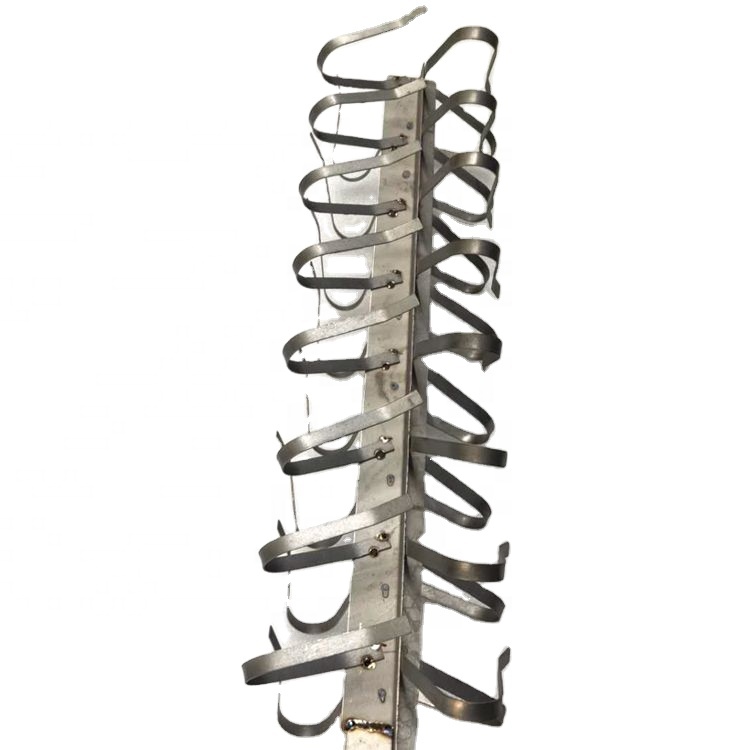
Grade2 Titanium Jigs Rack Hook Tube Components
- Standard: ASTM B338 / Gr2
- Yield Strength: ≥ 275 MPa
- Application: Electroplating & Anodizing
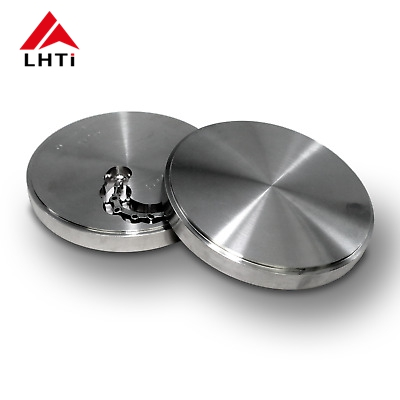
ASTM F136 Gr5 ELI / Gr2 Titanium Disc 98mm
- Grade: Ti-6Al-4V ELI (Medical)
- Purity: Extra Low Interstitial
- Standard: ASTM F136 / ISO 5832-3
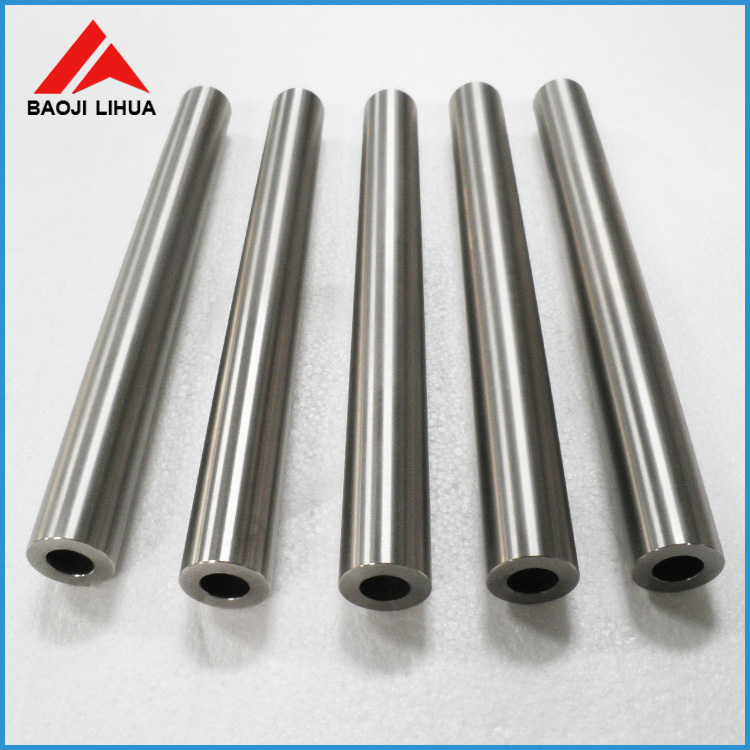
Gr2 / Gr7 Titanium Exhaust Tubing & Pipes
- Standard: ASTM B338 / ASTM B862
- Wall Thickness: 1.0 mm – 1.5 mm
- Corrosion: Pd Alloyed Option (Gr7)
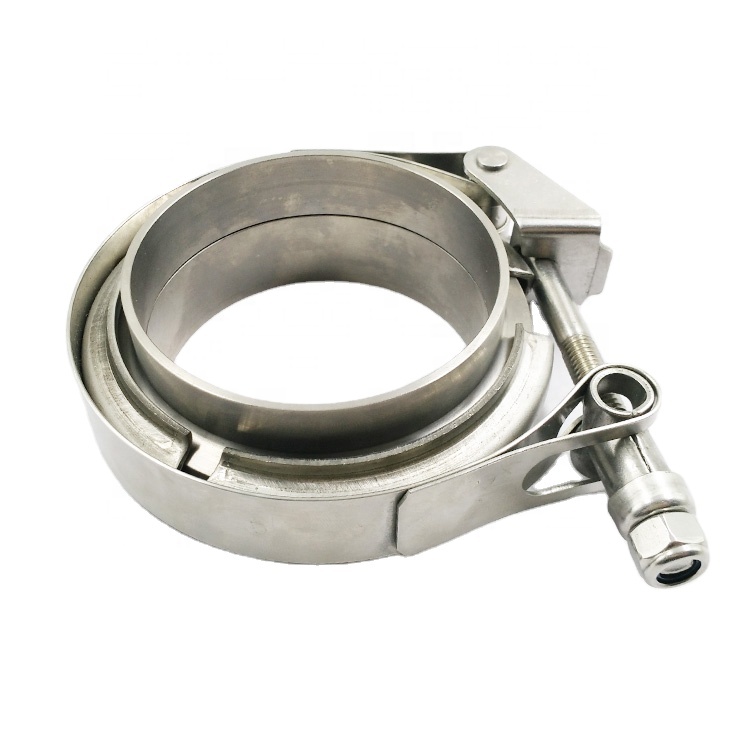
Titanium V-Band Clamp & Flange Assembly
- Diameter: 2.0", 3.0", 3.5", 4.0", 5.0"
- Material: Gr1 / Gr2 / 6061 Latch
- Seal: Male/Female Interlocking
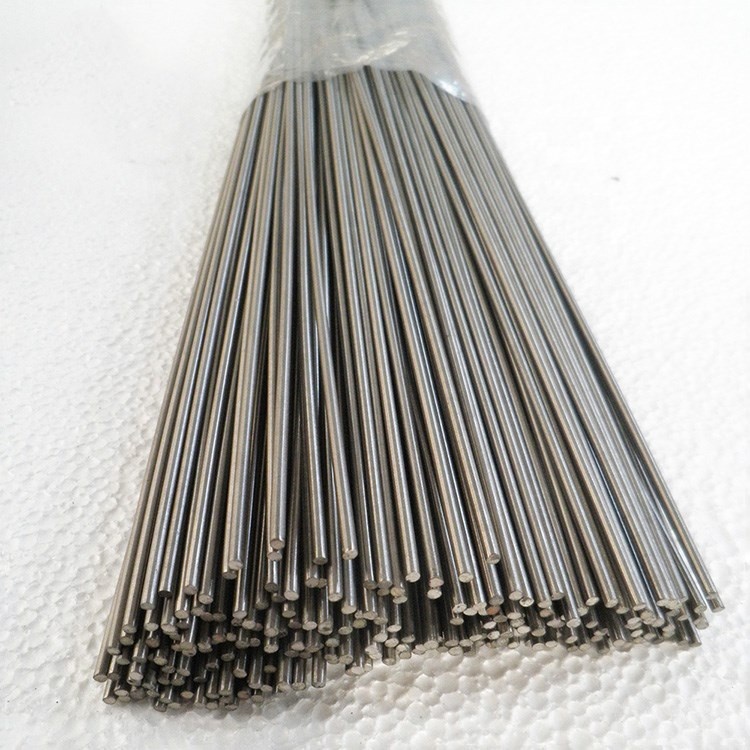
Thin Titanium Solid Rods & Resilient Wire
- Tensile: Up to 950 MPa
- Elasticity: High Flexural Fatigue Life
- Surface: Polished / Centerless Ground
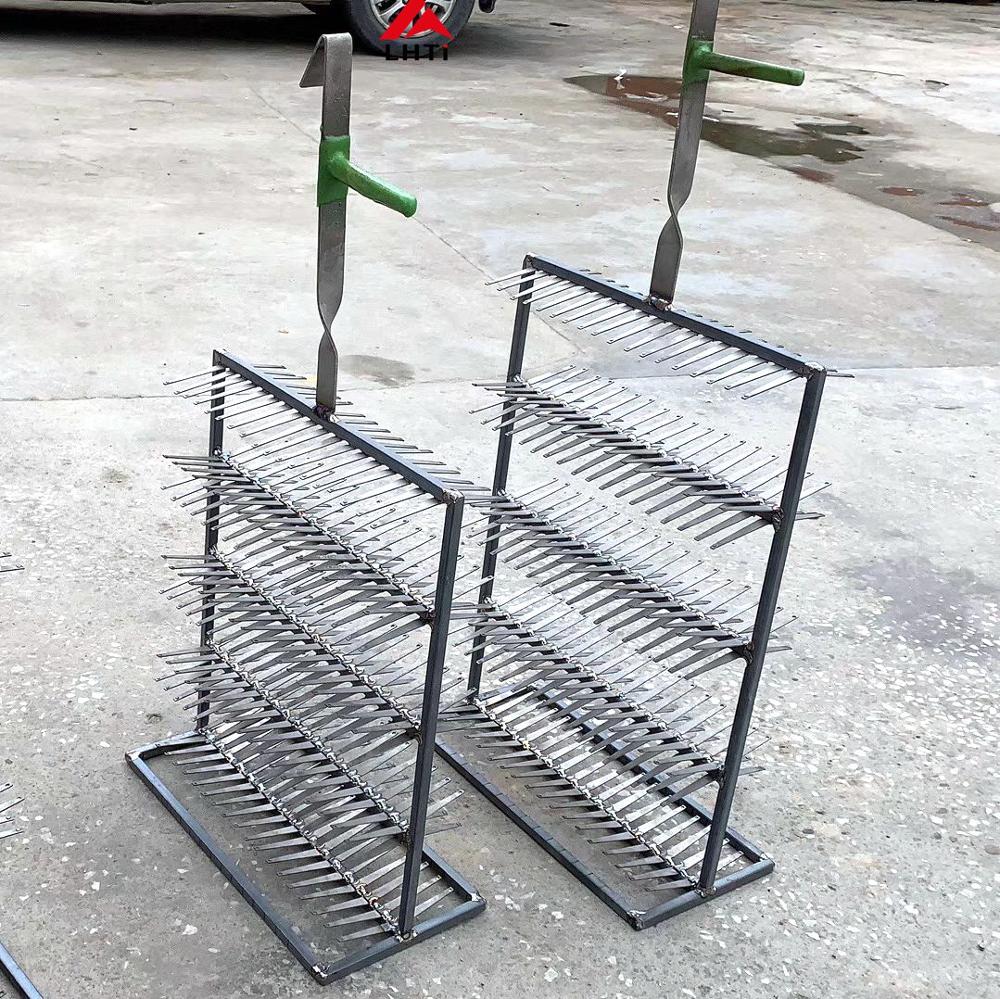
Anodizing Titanium Jig & Hanger Rack Frame
- Conductivity: Optimized Contact Resistance
- Chemical: Resistant to Chromic/Sulfuric
- Structure: Custom Welded Frame
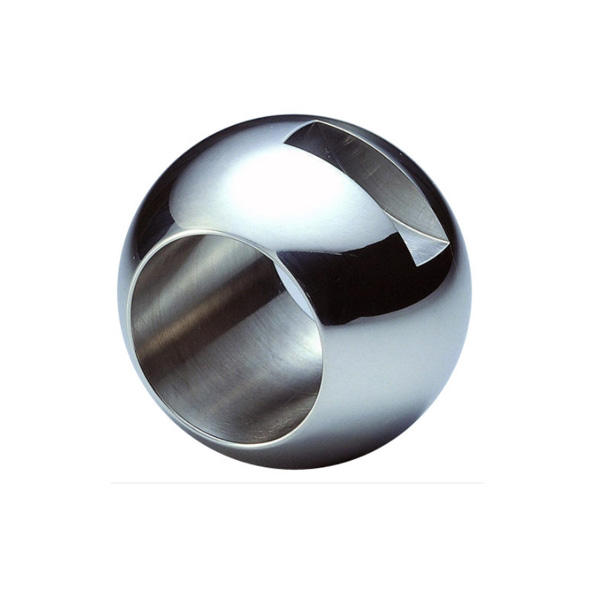
Titanium High-Pressure Valve Ball Core
- Standard: ANSI / ASME B16.34
- Pressure: Class 150 to Class 1500
- Roundness: Within 0.01 mm Sphericity
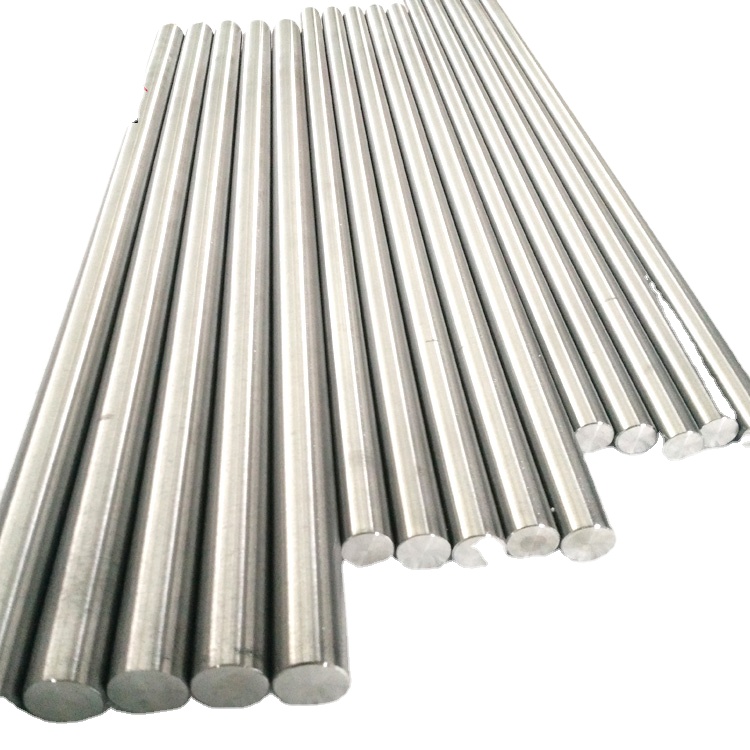
ASTM B348 Gr5 Titanium Round Bar (Dia 100mm)
- Standard: ASTM B348 / AMS 4928
- Tensile Strength: ≥ 895 MPa
- Testing: 100% Ultrasonic Flaw Detected
Metallurgical Dynamics of Titanium Exhaust Systems in Daejeon's R&D Ecosystem
A technical assessment for mechanical engineers, automotive test centers, and aerospace researchers.
As the undisputed research capital of South Korea, Daejeon anchors world-renowned science hubs including the Daedeok Innopolis, the Korea Advanced Institute of Science and Technology (KAIST), the Korea Aerospace Research Institute (KARI), and specialized R&D campuses of leading automotive mobility tier-1 suppliers. In advanced propulsion laboratories, high-output internal combustion test cells, and hydrogen-combustion development programs across Daejeon, the thermal management and acoustic dynamics of exhaust expulsion channels are critical engineering metrics.
Industrial procurement specialists frequently evaluate material transitions from austenitic stainless steels (such as AISI 304 and 321) to Grade 2 (Commercially Pure Titanium, UNS R50400) and Grade 7 (Palladium-Stabilized Titanium, UNS R52400). With a density of 4.51 g/cm³ compared to 8.0 g/cm³ for stainless steel, our titanium exhaust components immediately yield a 42% to 45% structural weight reduction while preserving outstanding cyclic fatigue resistance and low-cycle thermal shock tolerance.
| Alloy & Metallurgical Grade | Yield Strength (0.2% Offset) | Tensile Strength (Min) | Oxidation Limit (Continuous) | Optimal Exhaust Applications |
|---|---|---|---|---|
| CP Grade 1 (UNS R50250) | 170 MPa | 240 MPa | 350°C | Deep-drawn collector cones, flexible acoustic baffles, tailpipe trims |
| CP Grade 2 (UNS R50400) | 275 MPa | 345 MPa | 425°C | Cat-back systems, mid-pipes, mandrel-bent elbows, pie cuts, silencer casings |
| Grade 5 Ti-6Al-4V (UNS R56400) | 828 MPa | 895 MPa | 500°C | CNC turbo adapter flanges, slip-fit collector tabs, high-stress mounting brackets |
| Grade 7 Ti-0.15Pd (UNS R52400) | 275 MPa | 345 MPa | 450°C | Exhausts handling acidic condensate, marine hybrids, aggressive combustion chemicals |
Critical Engineering Note: Interstitial Gas Shielding for Titanium Exhaust Welding
Titanium’s aggressive affinity for oxygen, nitrogen, and hydrogen at temperatures exceeding 425°C dictates rigorous welding protocol during exhaust fabrication. Welds must be shielded using High-Purity Argon (minimum 99.999%) on both the torch cup (with a gas lens) and internally via an inert backing purge. Discoloration serves as an immediate visual QC check: silver-to-light-straw tint indicates zero embrittlement, whereas deep purple, blue, or grey chalking indicates interstitial embrittlement requiring weld excision.
Localized Applications Across the Daejeon Industrial Sector
Bridging pure metallurgical capabilities with specialized research and industrial projects in South Korea.
Aerospace Propulsion & UAV Prototypes
Daejeon’s aerospace institutes utilize our ultra-lightweight ASTM B338 Grade 2 precision tubing for turbojet exhaust deflectors, target drone engine conduits, and rocket auxiliary thrust gas routings, capitalizing on structural integrity at lower resonance weight.
Motorsport & Track Development Cells
High-performance tuning operations and OEM testing squads testing at regional race circuits depend on our tight-radius 1.5D pie cuts and precision slip-fit expanders to assemble high-velocity downpipes and valved mufflers that dissipate heat rapidly without resonant drone.
Hydrogen & Synthetic Fuel Test Rigs
With combustion temperatures and steam condensed moisture posing severe stress in hydrogen pilot tests in Daejeon's clean energy laboratories, our Grade 7 titanium tubing provides total immunity to carbonic and sulfurous condensed acids, outliving conventional steels.
Trends Reshaping Daejeon’s Titanium Component Procurement
Strategic directions impacting precision manufacturing, material compliance, and supply timelines.
Shift to Ultra-Thin Wall Tolerances (1.0 mm)
Traditional fabricators historically relied on 1.2 mm to 1.5 mm wall piping. Current Korean mobility teams require exact 1.0 mm and 0.8 mm cold-rolled, seamless ASTM B338 Gr2 tubing to extract the absolute maximum grams-per-horsepower benefit without compromising hoop strength.
Integration of Modular V-Band Assemblies
Threaded connections fail prematurely under extreme thermal cycling. Daejeon chassis fabricators are switching comprehensively to CNC-machined titanium male/female interlocking V-band clamps that assure positive, zero-gasket sealing even under intense exhaust pulses.
Stringent Independent Certification (MTC 3.1)
Research hubs require uncompromising paper trails. Every batch delivered into Daejeon from our mill is backed by dual-testing protocols: in-house testing verified via independent analysis from the authorized BaoTi Test Center, ensuring traceability from raw sponge to tube.
Factory Advantage: The Jovzi Titanium Industry Standard
Direct manufacturing from Baoji, China's "Titanium Valley" — Supplying Daejeon with verified excellence.
Established in 2006 in Baoji, Shaanxi — the geographic heart that supplies more than 80% of China’s total titanium processing volume — Jovzi Titanium Industry Co., Ltd. stands as a fully integrated manufacturer. Our technical core consists of 4 senior engineers and 5 intermediate metallurgists who oversee every melting, cold-drawing, CNC milling, and precision thread-rolling sequence. Operating across a standardized modern production floor, we eliminate third-party broker markups and guarantee technical compliance with ASTM B338, ASTM B862, ASTM B348, ASME B16.5, and DIN specifications.
ISO 9001 Certified Quality Management
Complete traceability from ingot heat number to final finished exhaust tube. We provide EN 10204 3.1 Mill Test Certificates detailing exact chemical breakdown and tensile tests for every shipment sent to South Korea.
Full OEM & Custom Drawing Fabrication
With more than six years of specialized OEM export service, our engineers review DWG, STEP, and PDF drawings to machine custom flanges, bend thin-wall bends, and furnish custom anodized rainbow or gold exhaust finishes.
Fast Logistics to Incheon & Daejeon Hubs
We supply flexible Incoterms including FOB, CIF, and door-to-door express (DDP/DDU) through direct air freight lanes into Incheon International Airport, reaching Daejeon facilities in as fast as 3 to 5 business days after inspection.
Frequently Asked Questions: Daejeon Procurement Specialists
Detailed technical answers for common engineering and logistics questions.
How does Grade 2 titanium compare to Grade 5 (Ti-6Al-4V) for vehicle exhaust tubing?
What are your standard dimensional tolerances for ASTM B338 Grade 2 exhaust tubes?
Can Jovzi Titanium provide Korean customs documentation and certificate of origin?
What are the minimum order quantities (MOQs) for custom pipe bends and V-band clamps?
What are your payment, lead time, and express delivery arrangements to Daejeon?
Ready to Build Your High-Performance Titanium Exhaust System?
Connect directly with our Baoji engineering department. We evaluate CAD/STEP drawings, supply material test samples, and quote transparent pricing for high-tech institutions and performance specialists in Daejeon.
Contact Us