High-Integrity Titanium Mill Products & Precision Assemblies
Alongside our custom DIN 6921 and ASME B18.2.1 titanium flange bolts, Jovzi Titanium Industry fabricates an exhaustive catalog of mill products, reactive metal anodes, custom hollow spheres, and specialty tubing certified to ASTM/ASME standards.
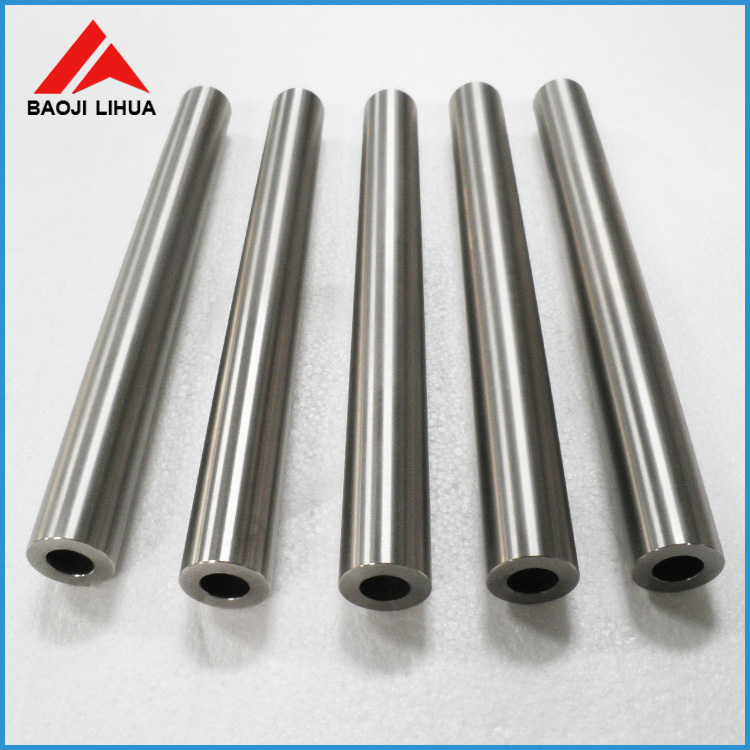
Titanium Exhaust Gr2 Gr7 Titanium Pipes Titanium Tube With High Quality
- Material Grade: CP Grade 2 / Pd-Alloy Gr7
- Execution: Seamless & Longitudinal TIG
- Application: High-Chloride Heat Exchange
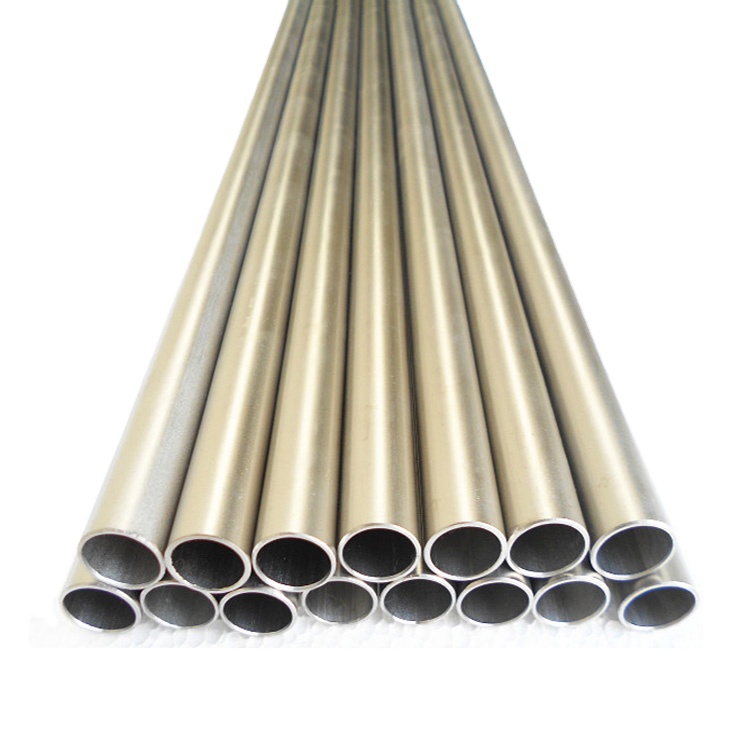
Gr1 GR2 GR5 GR9 Titanium Pipe Tube Exhaust
- Alloy Matrix: Gr1, Gr2, Gr5 (Ti6Al4V), Gr9
- Wall Tolerances: ASTM B861 / DIN 17861
- Features: Extreme Weight Reduction
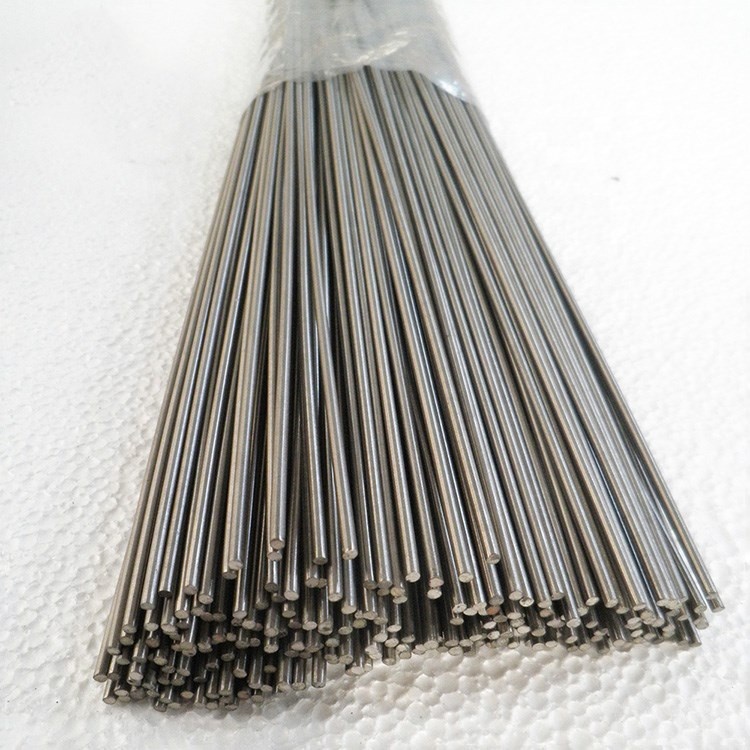
Hot sell thin titanium fishing rods price per kg
- Flexural Modulus: High Elastic Recovery
- Surface Finish: Polished Centerless Ground
- Corrosion Proof: 100% Brackish / Seawater Proof
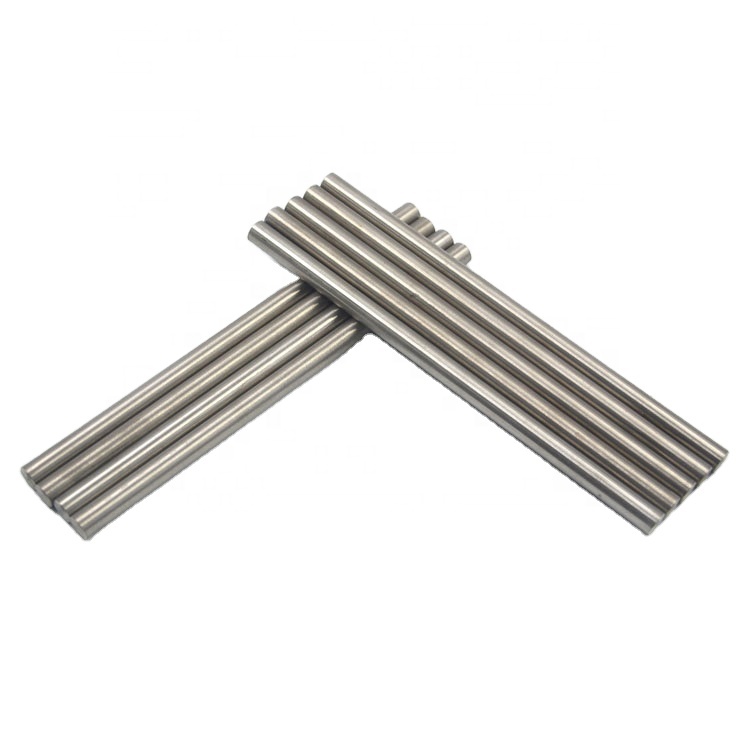
Nickel titanium alloy super elastic and shape memory nitinol bar price per kg
- Composition: Equiatomic Nickel-Titanium
- Transformation: Custom Af Temperature (-20°C to 95°C)
- Function: Thermal Actuators & Damping
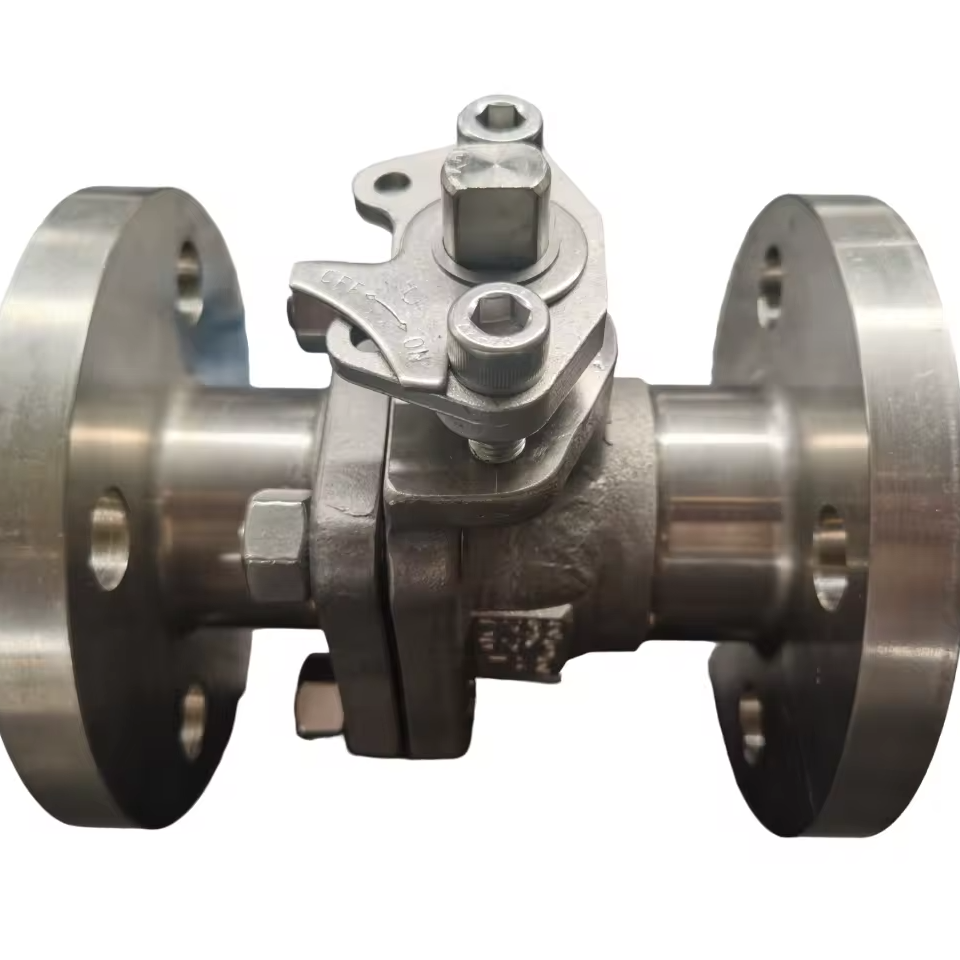
LHTi Group Valve Ball, Manufacturer Direct, Titanium and Titanium Alloy Valve Ball, Hollow Casing Floating Ball, Customized.
- Geometry: Precision Sphericity <0.01mm
- Alloy Options: Gr2 / Gr5 / Gr12 Ti-Mo-Ni
- Sealing Class: Zero Cavitation Floating Design
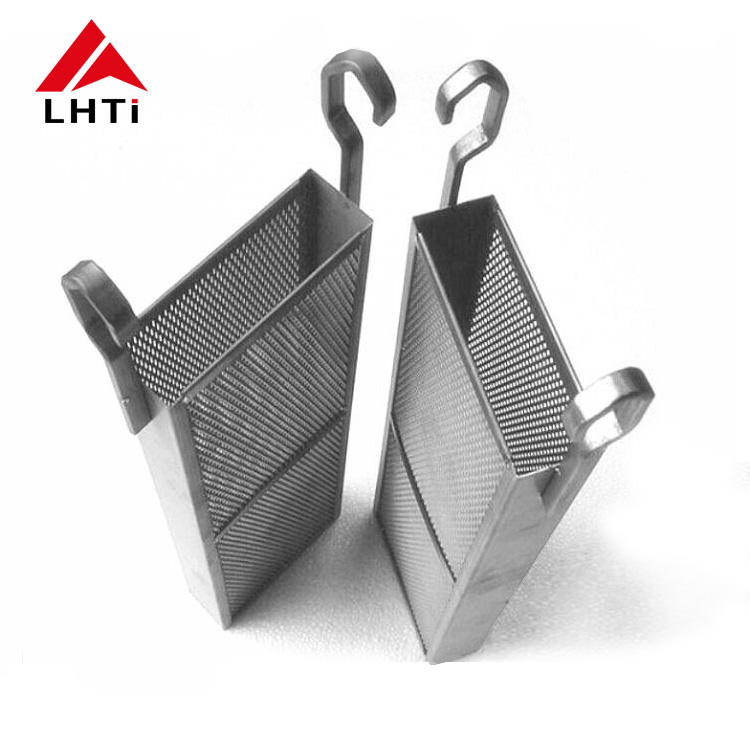
Gr2 Titanium Anode Basket Electroplating 5x10 6x12mm for Chemical Industry
- Mesh Dimensions: Micro-Expanded 5x10 / 6x12 mm
- Hook Conductivity: Solid TIG-Welded Copper Core
- Durability: Acid / Chromic Solution Resistant
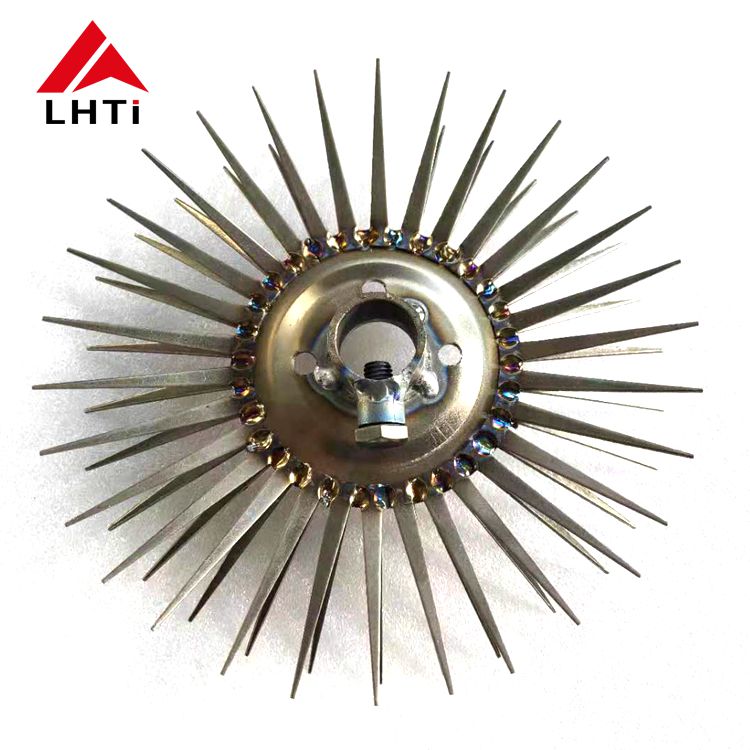
Gr2 Titanium 30 Split Fingers Disk Rack Dia220mm Thick1.5mm for Anodizing
- Design: 30 Split Finger Tension Clamp
- Dimensions: Dia 220mm / Thickness 1.5mm
- Lifecycle: Zero Stripping Degradation
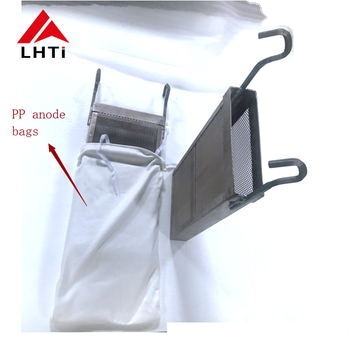
Gr2 Anodising Titanium Basket With PP Anode Bags for Electroplating
- Accessories: Acid-Proof Polypropylene Bags
- Weld Quality: Inert Chamber Automated TIG
- Use Case: Electro-Galvanizing Bath Lines
Precision Titanium Flange Bolting: Design Mechanics & Failure Mode Prevention
In high-pressure, vibrating, and aggressively corrosive industrial piping environments, fastener failure represents significant unscheduled downtime risk. Titanium flange bolts replace standard fasteners by combining high yield strengths with permanent chemical passivity.
1. The Integral Washer Flange Advantage in Dynamic Mechanical Assemblies
Unlike standard hexagon socket or cap screws relying on loose flat washers, a titanium hex flange bolt (DIN 6921 / ISO 4144) features a one-piece integrated circular flange face below the driving head. This metallurgical and geometric design distributes compressive clamp loads over a surface area up to 45% larger than a standard hex bolt head.
In heavy industrial processing machinery—such as centrifugal pumps, slurry valves, and high-flow tube sheet flanges operated throughout the industrial sectors around Tiraspol—vibrational loosening is a constant engineering challenge. Titanium Grade 5 (Ti-6Al-4V) exhibits an elasticity modulus of approximately 110–114 GPa, roughly half that of conventional structural steel (205 GPa). This lower modulus gives titanium bolts superior elasticity under strain: when torqued into tension, the bolt body acts as an internal tension spring, absorbing thermal expansion swings and cyclic pressure spikes without exceeding the material's elastic limit or backing out.
| Fastener Metric | Gr2 Commercially Pure (CP) | Gr5 Alloyed (Ti-6Al-4V) | Gr7 (Ti-0.15Pd) | 316L Stainless Steel | Class 8.8 Carbon Steel |
|---|---|---|---|---|---|
| Density (g/cm³) | 4.51 | 4.43 | 4.51 | 7.98 | 7.85 |
| Yield Strength (MPa, min) | 275 | 828 | 275 | 220 | 640 |
| Tensile Strength (MPa, min) | 345 | 895 | 345 | 520 | 800 |
| Modulus of Elasticity (GPa) | 105 | 114 | 105 | 193 | 206 |
| Chloride Pitting Resistance (PREN) | Immune (<80°C) | Immune (<60°C) | Immune (<250°C) | 23 – 25 | Zero (Rapid Attack) |
| Thermal Expansion (10−&sup6;/K) | 8.6 | 8.6 | 8.6 | 16.0 | 12.0 |
2. Thread Rolling vs. Thread Cutting: Why Grain Flow Matters
At Jovzi Titanium, all titanium flange bolts are manufactured with cold or warm rolled threads rather than cut or machined threads. Machining a thread severs the longitudinal grain structure of the titanium bar stock, creating microscopic stress concentration notches at the root of every thread. Rolled threading plastically deforms the titanium crystal lattice between cylindrical dies under controlled hydraulic pressure. This continuous, unbroken grain flow increases surface hardness at the thread flank, boosts fatigue endurance by over 30%, and lowers friction coefficients during tightening, drastically reducing thread galling risks.
3. Mitigating Galvanic Corrosion and Crevice Attack in Industrial Joints
A primary consideration for plant mechanical engineers in Eastern European manufacturing districts is galvanic coupling when joining dissimilar metals. Because titanium sits high on the galvanic noble scale, connecting a titanium flange bolt to standard mild steel or cast iron flanges in the presence of an electrolyte will accelerate corrosion on the steel component. Jovzi supplies engineers with complete mounting kits comprising precision-machined titanium flange bolts, Grade 2 hardened backup washers, and dielectric PTFE or glass-reinforced epoxy isolation sleeves. Where extreme acidic or reducing chloride environments exist—such as flue gas desulfurization (FGD) scrubbers or chlorinated processing loops—our Grade 7 (Palladium-stabilized) flange bolts prevent localized crevice attack beneath bolt heads up to 250°C.
Self-Passivating TiO2 Layer
Upon exposure to atmospheric oxygen or process moisture, titanium instantly generates a stable, tenacious rutile/anatase oxide layer (TiO2) measuring 10–20 nm, shielding the bolt substrate against ambient chlorides, nitrates, and corrosive industrial atmospheres.
High Strength-to-Weight Ratio
Grade 5 titanium flange fasteners provide tensile strength exceeding 895 MPa while weighing 45% less than carbon or stainless steel counterparts, reducing cantilever load moments on long-span overhead pipe racks and rotating assemblies.
Non-Magnetic & Cryogenic Stability
Maintaining zero magnetic permeability (µr ≈ 1.00005) ensures unhindered performance around heavy electrical transformers and switchgear, while retaining ductile impact toughness down to cryogenic temperatures without brittle transition.
Localized Applications for Titanium Flange Bolts Across the Tiraspol Ecosystem
The industrial landscape in Tiraspol and the surrounding Transnistria / Dniester economic corridor is anchored by large-scale thermal power generation, heavy electrical machinery fabrication, specialized metallurgy, and industrial agro-chemical processing. Here is where titanium flange fasteners deliver operational efficiency.
Moldavskaya GRES Thermal Power & Cooling Circuits
Situated nearby along the Cuciurgan Reservoir, regional thermal energy installations rely on massive steam condensers, cooling tower circulating pumps, and heat exchanger flanged channels. Brackish, mineral-dense cooling waters accelerate stress-corrosion cracking in conventional zinc-plated and brass studs. Titanium Grade 2 and Grade 12 flange bolts ensure decades of leak-free service on condenser water box covers and feedwater heater heads without maintenance shutdowns.
Electrical Equipment & Transformer Subassemblies
Tiraspol's historical prowess in manufacturing large-scale electrical motors, generators, and distribution hardware (such as legacy Electromash production lines) requires non-magnetic structural fasteners. Grade 5 titanium flange bolts prevent parasitic eddy current induction, reduce stray heat generation inside heavy generator stator housings, and maintain critical torque clamp loads during high electromagnetic vibration cycles.
Agro-Industrial Chemical Processing & Distilleries
The Dniester basin supports intensive agricultural processing, wine and spirits distillation (including regional brandy manufacturing like KVINT), and organic fertilizer facilities. Processing equipment involves organic acids, hot sulfur dioxide steam wash lines, and ethanol distillation columns where copper alloy or stainless steel hardware undergoes accelerated corrosion. Titanium flange bolts provide hygienic, FDA-compliant, zero-leach fastener integrity.
Electroplating & Surface Treatment Plants
Local metal finishing, hard chrome plating, and anodizing lines use sulfuric, hydrochloric, and chromic acid electrolytes. Grade 2 titanium anode baskets, hooks, and flange hardware withstand continuous immersion and aggressive acid mist exposure without contaminating sensitive baths.
Textile Machinery Dyeing Autoclaves
High-temperature dyeing and chemical bleaching vessels in regional textile manufacturing facilities subject vessel closures to elevated temperatures, pressurized steam, and aggressive bleaching agents where titanium bolts eliminate rust staining and gasket blowout.
Wastewater & Sludge Dewatering Pumps
Municipal wastewater and industrial sludge treatment installations along the Dniester River deal with abrasive grit and hydrogen sulfide gas (H2S). Titanium flange assemblies resist sulfide stress cracking (SSC) where hardened alloy steels fail catastrophically.
Custom Mechanical Engineering Overhaul & Retrofits
Maintenance, repair, and overhaul (MRO) engineering teams across Tiraspol frequently need to replace obsolete Soviet-era GOST specification hardware with modern ISO/DIN standards. Jovzi manufactures bespoke thread pitches and shank lengths according to technical drawings.
Shifting Industrial Procurement Trends Across Eastern Europe & Tiraspol
Industrial procurement departments in the region are executing strategic shifts in their fastener sourcing paradigms. The historical reliance on low-grade zinc-plated steels is giving way to high-performance reactive metal alloys.
1. The Transition from Initial Purchase Cost to Total Cost of Ownership (TCO)
In historical procurement models, commercial carbon steel or standard Grade 304 fasteners were favored due to low initial acquisition costs. However, plant maintenance managers in the Dniester industrial zone report that replacing corroded fasteners every 18 to 24 months creates direct expenses that quickly outpace material savings: specialized rigging, mechanical cutting of seized bolts, emergency gasket replacements, and lost process uptime.
Grade 5 and Grade 2 titanium flange bolts boast an operational lifecycle exceeding 30 years in wet chemical, cooling water, and outdoor atmospheres. Factoring in downtime mitigation, reduced labor hours, and zero chemical repainting requirements, titanium delivers a 40% to 65% reduction in lifecycle cost over a 10-year operational window.
2. Unifying Conflicting Standards: Bridging DIN, ISO, and GOST Formats
Plants in Tiraspol often maintain a dual infrastructure: legacy Soviet equipment engineered around GOST 7798-70, GOST 7805-70, and GOST 12815-80 flange configurations, operating alongside newly imported European automated skids constructed to DIN EN 1092-1 and ASME B16.5 standards. Jovzi bridges this dimensional divide. Our CNC multiaxis machining lines produce titanium flange fasteners matching metric coarse, metric fine (DIN 6921 / DIN 933), unified national coarse/fine (UNC/UNF), and custom GOST-dimensioned bolt head geometry.
3. Supply Chain Resilience & Direct Baoji Mill Collaboration
Given complex geopolitical logistics routes serving the region, industrial buyers in Tiraspol can no longer rely on multi-tier regional brokers with opaque inventory chains. Sourcing directly from Jovzi Titanium—situated in Baoji, China's "Titanium Valley"—eliminates distributor markups, ensures full EN 10204 3.1 chemical and mechanical traceability back to the initial vacuum arc remelt (VAR) ingot, and secures dependable batch production schedules.
Why Procurement Leaders Source Titanium From Jovzi
Established in 2006 in Baoji, Shaanxi, China, Jovzi Titanium Industry Co., Ltd. combines nearly two decades of reactive metal metallurgy, precision forging, and ISO 9001 quality management systems to serve over 40 global markets.
Baoji Titanium Valley Hub
Situated in China's titanium capital, we process domestic titanium sponge from premier smelters, ensuring uninterrupted raw material availability and stable market pricing for bulk orders.
BaoTi Center Laboratory Testing
Every production heat undergoes chemical spectrometry, room-temperature tensile evaluation, yield strength verification, and micrographic inspection certified by the authorized BaoTi Test Center.
Elite Metallurgical Staff
Our production floor is led by 4 senior and 5 intermediate metallurgical engineers, overseeing hot forging, thread rolling, vacuum annealing, and multi-axis CNC machining workflows.
Complete Factory Customization
We deliver extensive OEM capabilities, offering custom 12-point flange heads, drilled safety wire holes, knurled collars, PVD coatings, and anodized color identification per CAD/STEP drawings.
Rigorous ISO 9001 Standards
Operating under certified ISO 9001 protocols, our incoming dimensional inspection maintains optical comparator tolerances within ±0.01 mm, eliminating thread binding during assembly.
Flexible Global Logistics
We provide full DDP, CIP, FCA, and express door-to-door delivery with heavy-duty fumigated wooden crates, individualized bubble partition packing, and dedicated export documentation.
Engineering Fastener Installation & Recommended Tightening Torques
Correct tightening procedures prevent galling and ensure reliable bolt pretension on industrial flange connections. The following engineering values apply to Grade 5 (Ti-6Al-4V) flange bolts lubricated with molybdenum disulfide (MoS2) or anti-seize paste.
| Bolt Size | Thread Pitch (mm) | Tensile Stress Area (mm²) | Recommended Preload (kN) | Tightening Torque (Nm) - Dry | Tightening Torque (Nm) - Lubricated (μ=0.10) |
|---|---|---|---|---|---|
| M6 | 1.00 | 20.1 | 9.5 | 9.2 | 6.8 |
| M8 | 1.25 | 36.6 | 17.4 | 22.5 | 16.5 |
| M10 | 1.50 | 58.0 | 27.8 | 44.0 | 32.0 |
| M12 | 1.75 | 84.3 | 40.5 | 76.0 | 56.0 |
| M14 | 2.00 | 115.0 | 55.2 | 122.0 | 89.0 |
| M16 | 2.00 | 157.0 | 75.4 | 190.0 | 138.0 |
| M20 | 2.50 | 245.0 | 117.6 | 370.0 | 270.0 |
*Note: Fasteners installed in critical pressure vessels should be tightened using a cross-pattern star sequence in 30%, 60%, and 100% torque increments.
Frequently Asked Questions by Industrial Buyers in Tiraspol
Clear, direct answers regarding metallurgical certification, regional customs logistics, material compatibility, and minimal order volumes.