Memory Alloy
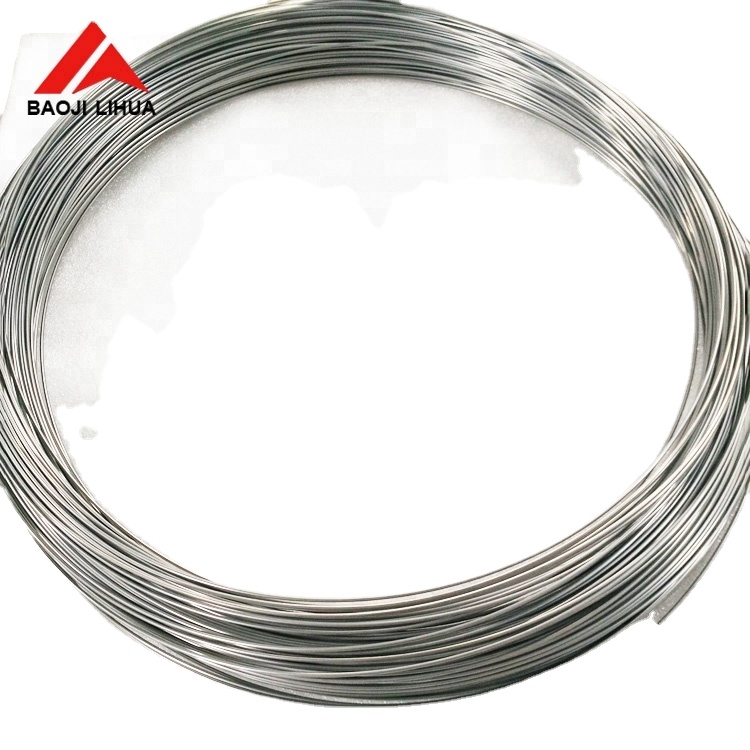
Direct manufacturer supply from Jovzi Titanium Industry Co., Ltd. for engineering distributors, mining operations, and EPC contractors in the Pristina municipality.
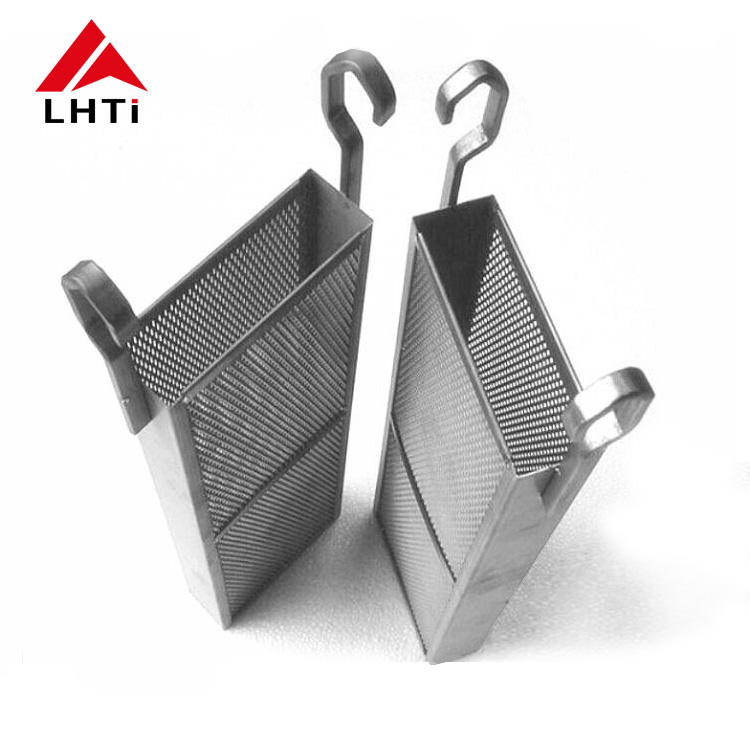
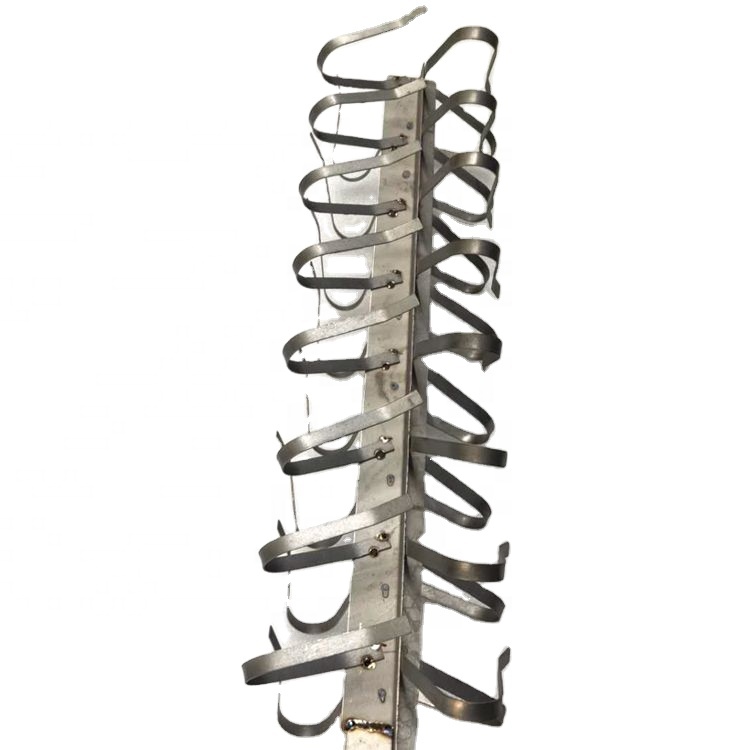
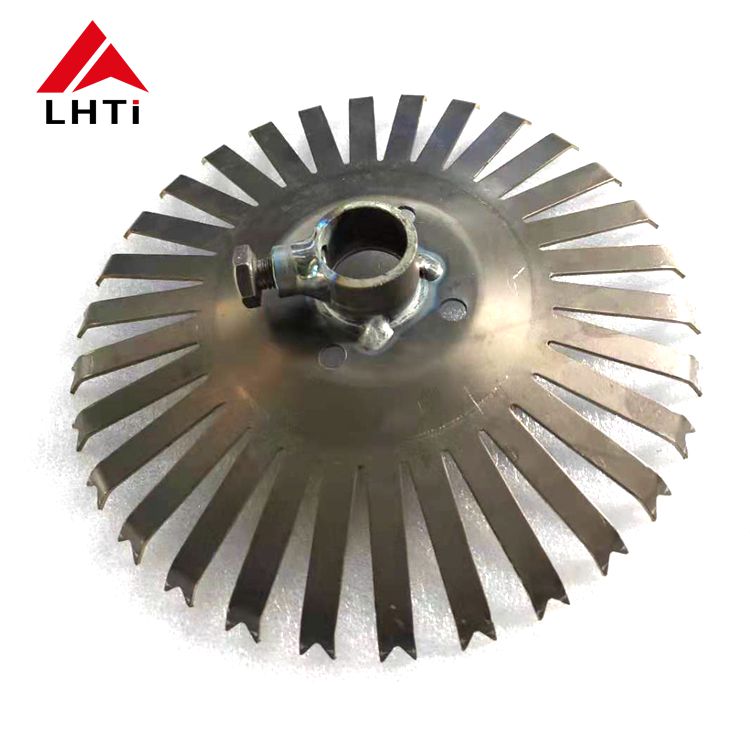
A rigorous examination of ASTM B381, ASME Section VIII, and EN 1092-1 dimensional and structural compliance for critical installations serving Pristina and regional infrastructure.
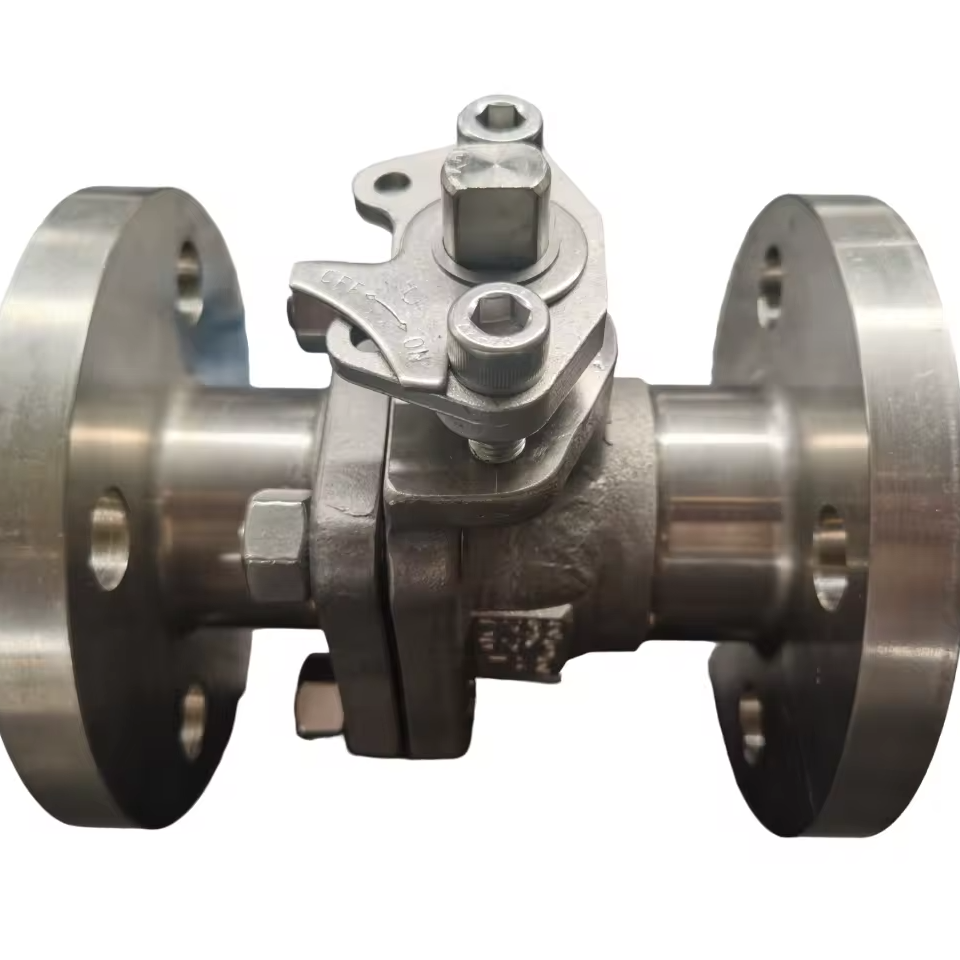
In modern piping systems subject to high hydrostatic pressures, extreme thermal differentials, and severe chloride or sulfide corrosion, the structural integrity of connection interfaces remains paramount. Industrial expansion across the Pristina metropolitan district—spanning central municipal heating upgrades, regional power station retrofits in Obiliq, and metallurgical enrichment plants near the Trepča mining belt—imposes non-negotiable standards on pressure-vessel piping connections. Sourcing from a dedicated titanium forged flange factory with direct mill origins in Baoji ensures that every weld neck, blind, slip-on, or lap-joint assembly meets rigorous isotropic grain deformation parameters, free from cast micro-porosity and inclusions.
| Titanium Grade | UNS / Standard | Yield Strength (Min, MPa) | Tensile Strength (Min, MPa) | Corrosion Resistance Threshold | Typical Pristina & Kosovo Field Applications |
|---|---|---|---|---|---|
| Grade 1 (CP4) | UNS R50250 / ASTM B381 F1 | 170 | 240 | Mild oxidizing acids, high ductility requirements | Plate flange backing rings, deep draw linings, chlorination plants |
| Grade 2 (CP3) | UNS R50400 / ASTM B381 F2 | 275 | 345 | Neutral chlorides, seawater, municipal heating media | Termokos district thermal networks, wastewater aeration headers |
| Grade 5 (Ti-6Al-4V) | UNS R56400 / ASTM B381 F5 | 828 | 895 | High strength, cyclic stress, erosion-corrosion | Deep-well geothermal extraction, industrial autoclaves, mining lifts |
| Grade 7 (Ti-Pd) | UNS R52400 / ASTM B381 F7 | 275 | 345 | Crevice corrosion prevention in hot reducing acidic brines | Mineral leaching autoclaves, sulfuric acid pipelines, flue gas scrubbers |
| Grade 12 (Ti-Mo-Ni) | UNS R53400 / ASTM B381 F12 | 345 | 483 | Elevated temperature chlorides (up to 300°C) | Lignite power station steam kondensers, high-temp chemical synthesis |
How advanced forged components directly enhance operational reliability in Kosovo's core industrial ecosystems.
The expansion of Pristina's district heating network (Termokos) and cogeneration hookups from Kosovo B requires durable, low-maintenance heat transfer substations. ASME B16.5 Class 150/300 Grade 2 titanium weld neck flanges and ASTM B363 titanium stub ends guarantee zero joint leakage over decades of continuous 120°C pressurized water cycling.
Mining operations surrounding the Trepča complex and regional zinc-lead refining assets handle aggressive slurry, sulfuric acid leaching agents, and dissolved metal ions. Jovzi Grade 7 (Ti-Pd) and Grade 12 forged blind flanges and orifice rings withstand intense crevice corrosion under high gasket compressive stresses.
New municipal effluent management systems along the Sitnica river basin and growing chemical manufacturing plants around Fushë Kosovë demand corrosion-free bio-reactor aeration piping, chlorine injection headers, and valve manifolds that titanium forged slip-on (SO) and blind (BL) assemblies deliver reliably.
How decarbonization, European standardization, and supply chain rationalization drive the transition toward premium titanium forgings.
With Kosovo harmonizing its industrial regulatory framework with European Pressure Equipment Directives (PED), EPC contractors in Pristina are moving away from uncertified cast fittings toward hot-forged, ultrasonically tested titanium flanges featuring EN 10204 3.1 certification.
Procurement teams are shifting from initial unit cost metrics to 25-year operational expenditure calculations. Titanium forged flanges eliminate the frequent turnaround shut-downs, protective coating re-applications, and cathodic protection maintenance inherent to stainless or duplex piping.
Pristina's Green Agenda initiatives are evaluating shallow and deep geothermal district balancing. Titanium Grade 5 and Grade 7 flanges represent the gold standard for geothermal re-injection wells carrying high silica, calcium carbonate, and dissolved chloride loads.
Avoiding intermediate European stockist markups, Pristina engineering teams are establishing direct manufacturer communication with Baoji factories, securing mill-direct custom forging drawings, dedicated CNC tolerances, and consolidation logistics via air express or multimodal rail corridors.
Tracing raw sponge from China's Titanium Valley into certified, ready-to-weld components shipped worldwide since 2006.
Operating from our 1,000–3,000 m² production complex in Gaoya Industrial Zone, Baoji, our Quality Management System enforces rigorous incoming raw material spectral analysis, hot open-die and closed-die forging temperature controls, vacuum annealing, and multi-axis CNC lathe turning.
Every export consignment can be paired with an EN 10204 3.1 Inspection Certificate backed by independent verification from the BaoTi Test Center. We verify room-temperature and elevated-temperature tensile strengths, reduction of area, Charpy V-notch impacts, and micrographic grain flow.
With 4 senior metallurgists and 5 intermediate mechanical engineers on staff, we translate complex AutoCAD/STEP drawings into precision-machined titanium flanges with tight tolerances (±0.05 mm), custom gasket serrations (concentric or spiral serrated 125–250 μin Ra), and customized bevels.
Having maintained an 81–90% direct export ratio across the EU, North America, and Eastern Europe since 2006, Jovzi provides flexible Incoterms including CIP Pristina Airport, DAP, CIF Durrës/Thessaloniki port transit corridors, or DDP direct to your facility with full customs clearance support.
Beyond commercially pure Grades 1 and 2, Jovzi manufactures Grade 5, Grade 7, Grade 9, Grade 12, as well as Nickel, Tantalum, Zirconium, Molybdenum, and Tungsten assemblies, allowing Pristina contractors to source entire multi-metal processing stations through a single verified manufacturer.
Machined flange faces, gasket serrations, and weld preps are coated with non-contaminating anti-corrosion film, sealed with heavy-duty plastic flange caps, and crated inside fumigated export-grade plywood crates lined with desiccant to prevent any marine or transit transit abrasions.
Essential answers regarding international shipping, dimensional standards, pressure ratings, and metallurgical certification for procurement managers in Pristina.
We produce forged titanium flanges compliant with all major international standards, including ASME B16.5 (sizes ½″ to 24″, Class 150 to Class 2500), ASME B16.47 Series A and B for large diameter systems up to 60″, EN 1092-1 (DN15 to DN1200, PN6 to PN100 for Type 01, Type 02, Type 05, Type 11, and Type 12), and DIN 2573/2576/2633. We also forge and machine custom non-standard blind or orifice flanges based on CAD/STEP drawings.
Hydrogen embrittlement is a primary failure mode in non-ferrous piping when raw ingot melting or hot processing is poorly controlled. Jovzi sources exclusively vacuum-arc remelted (VAR) titanium ingots from certified Baoji mills. During open and closed die forging, thermal parameters are kept within tight optical pyrometer boundaries, followed by controlled vacuum annealing. Chemical gas analysis (LECO test) is performed on every production heat to confirm hydrogen content remains well below the ASTM threshold of 0.015% (typically ≤ 0.0035%).
For urgent repairs or scheduled shutdowns at thermal power plants or industrial facilities, air freight to Pristina International Airport (PRN) takes 5 to 8 working days following dispatch. For consolidated volume orders, ocean freight via the ports of Durrës (Albania) or Thessaloniki (Greece) combined with bonded overland customs transit takes approximately 28 to 36 days. Jovzi handles all export documentation, commercial invoices, and EUR.1 origin certification prerequisites.
Direct fusion welding (such as standard TIG or MIG) between titanium and steel forms brittle intermetallic Fe-Ti compounds (FeTi and Fe2Ti), leading to immediate joint cracking under pressure. To connect a titanium flange system to a carbon steel or stainless steel header, Pristina engineers typically utilize one of two industry solutions:
1. Titanium Stub Ends with Carbon Steel Lap-Joint Flanges (Van Stone Joints): The wetted surface is entirely Grade 2 titanium (ASTM B363 WPT2), while the loose rotating backing flange is carbon steel (ASTM A105) or epoxy-coated ductile iron, delivering optimum economy and corrosion protection.
2. Explosion-Bonded Transition Joints (Bimetallic Flanges): Incorporating a solid metallurgical bond between titanium and steel, allowing standard welding on either end.
Unlike large-scale commodity mills that mandate multi-ton orders, Jovzi Titanium supports engineering innovation and maintenance shutdowns with low MOQ thresholds. Standard ASME or EN 1092-1 flanges in Grades 1, 2, and 5 have an MOQ of just 1 piece if semi-finished forgings are in stock. Custom engineered forgings to buyer drawing start from 1 to 5 pieces depending on outside diameter and required tooling.
Because commercially pure titanium (Grades 1 & 2) has a lower modulus of elasticity (~105 GPa) than stainless steel (~200 GPa), excessive bolt torque can cause flange rotation. We recommend expanded PTFE (ePTFE) gaskets, virgin PTFE, or high-purity flexible graphite gaskets with 316/titanium core inserts for thermal networks. For bolting, Jovzi manufactures matching Titanium Grade 5 (Ti-6Al-4V) stud bolts, which prevent galvanic cell formation entirely and match thermal expansion coefficients across high-temperature cycles.
Partner directly with Jovzi Titanium Industry Co., Ltd. for your upcoming piping retrofits, thermal network upgrades, and industrial construction projects in Pristina. Send us your CAD drawings, grade requirements, and target Incoterms for a guaranteed response within 8 hours.