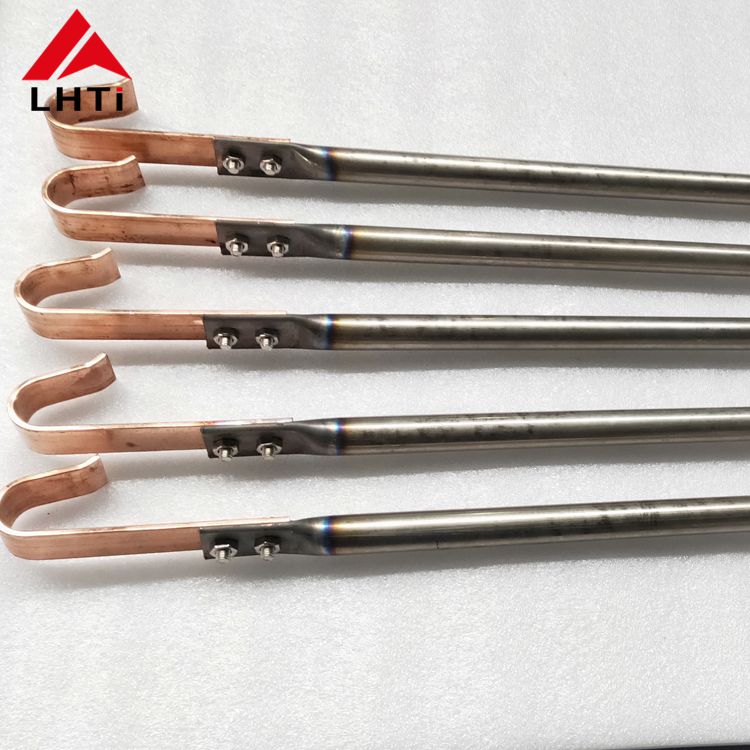
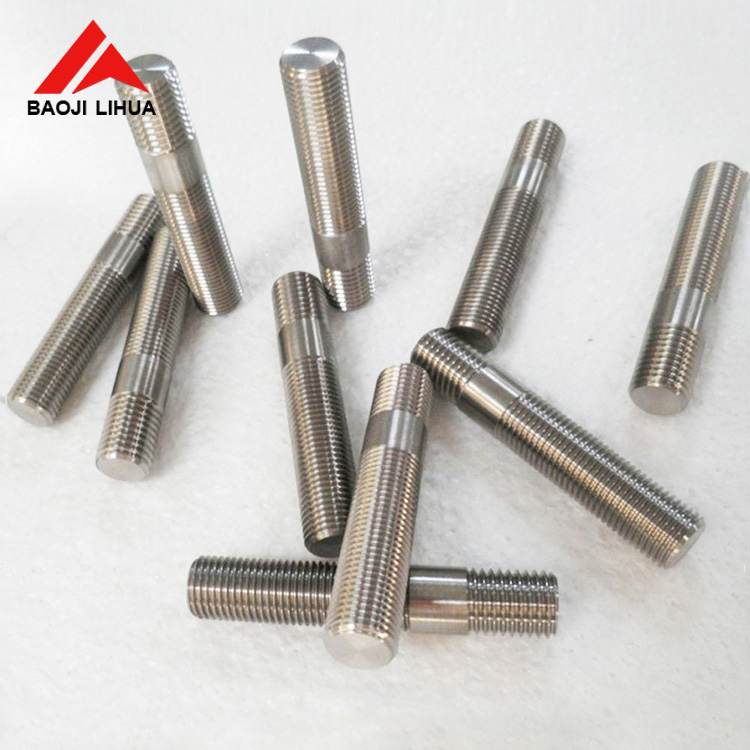
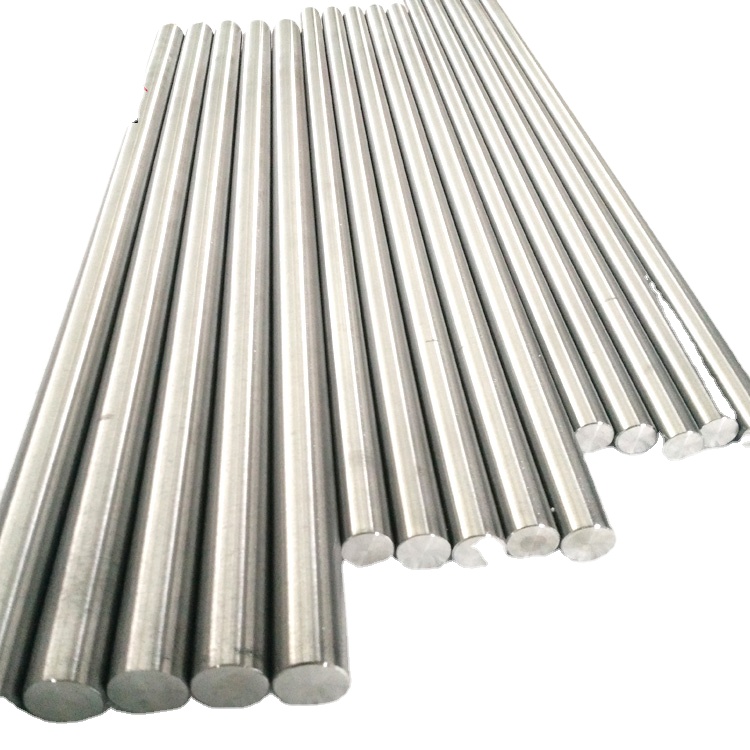
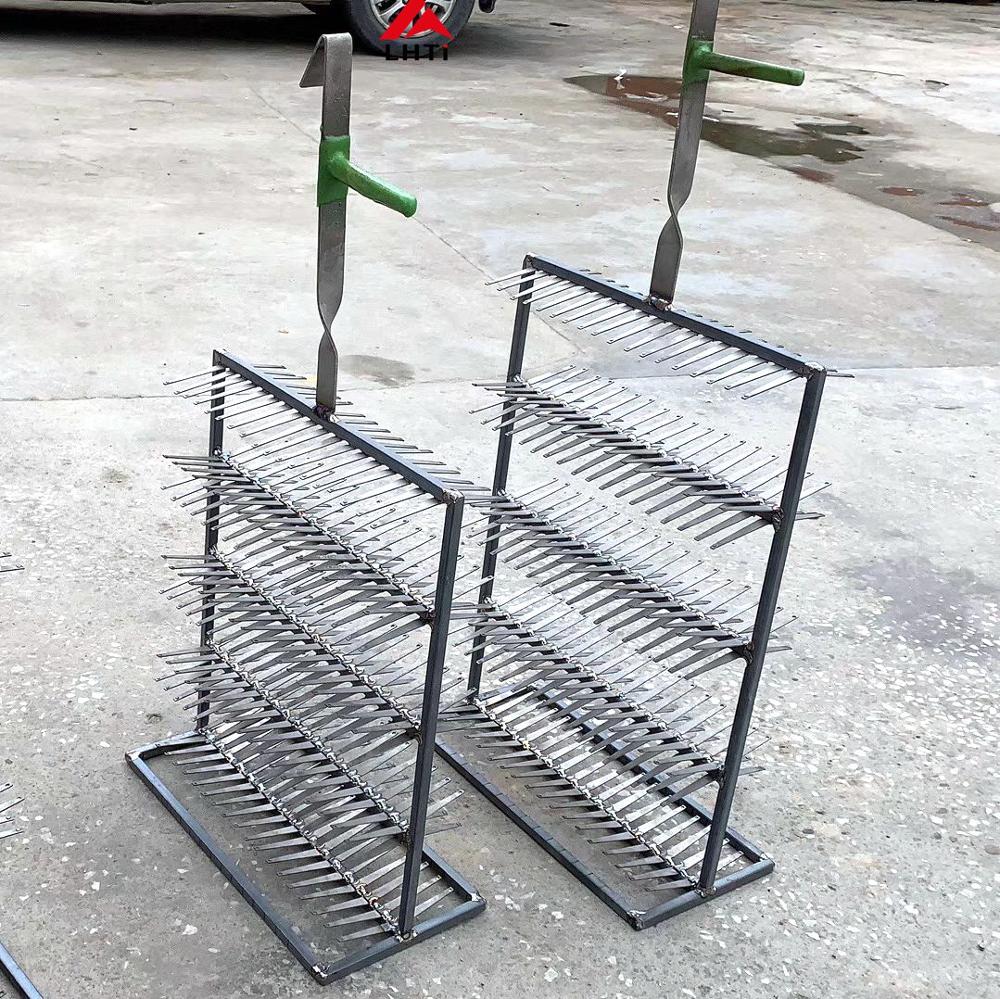
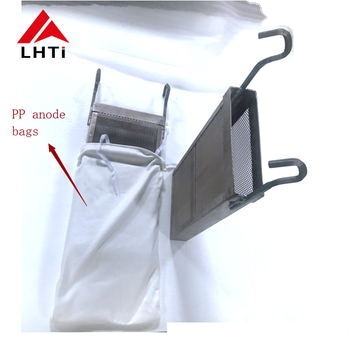
Anodizing Gr2 Titanium Shaft with Copper Hook for Plating
- Grade: CP Titanium Gr2
- Core Application: Electro-Cladding & Anodizing
- Standard: Factory Precision Standard
Direct factory supply of certified CP Grade 1, Grade 2, and Grade 5 titanium products manufactured to ASTM B348, ASTM B381, and ASME B16.5 standards for Grenada's industrial and marine engineers.
A technical assessment on addressing coastal chlorination, crevice oxidation, and thermal stress in Grenada's utility, marine, and commercial infrastructure.
For industrial operators, commercial facility directors, and marine plant engineers in St. George's, Grand Anse, and Carriacou, equipment longevity is continually challenged by warm Caribbean marine environments. Traditional copper-nickel alloys (90/10 and 70/30 Cu-Ni), stainless steels (such as 316L), and conventional coated mild steels frequently succumb to localized pitting, erosion corrosion, and stress corrosion cracking (SCC) driven by elevated surface seawater temperatures reaching 28°C to 31°C year-round.
The fundamental competitive advantage of deploying Commercially Pure Titanium (ASTM B338 / ASME SB338 Grade 2) in heat exchangers, plate heat exchangers (PHE), and shell-and-tube condensers lies in the spontaneous generation of a dense, adherent, and chemically unreactive rutile titanium dioxide (TiO₂) film. Unlike cuprous oxide films that deteriorate when exposed to dissolved sulfides or elevated coolant velocities (> 2.5 m/s), the titanium oxide barrier spontaneously self-repairs in fractions of a second in any oxygen-bearing aqueous environment. For Grenada's critical coastal thermal installations, this metallurgy eliminates catastrophic wall-thinning and ensures uninterrupted heat transfer without costly biological or chemical dosing countermeasures.
Furthermore, when industrial systems interface with elevated brine temperatures or variable-pH aggressive fluids, our specialized metallurgical processing incorporates Grade 7 (Ti-0.15Pd) and Grade 12 (Ti-0.3Mo-0.8Ni) forgings and tube sheets. This prevents crevice attack under heat-exchanger gaskets and tube-to-sheet roll junctions—an engineering vulnerability that frequently curtails the functional lifespan of lower-specification imported equipment.
| Metallurgical Property | CP Grade 1 (UNS R50250) | CP Grade 2 (UNS R50400) | Grade 5 (Ti-6Al-4V / R56400) | Grade 7 (Ti-0.15Pd / R52400) |
|---|---|---|---|---|
| Tensile Strength (Min, MPa) | 240 | 345 | 895 | 345 |
| Yield Strength (0.2%, MPa) | 170 - 310 | 275 - 450 | 828 | 275 - 450 |
| Seawater Pitting Resistance | Immune (< 130°C) | Immune (< 130°C) | High (Ambient) | Immune (< 260°C) |
| Thermal Conductivity (W/m·K) | 21.9 | 21.9 | 6.7 | 21.9 |
| Thermal Application Area | Deep Draw PHE Plates | Shell & Tube Bundles, Tubing | High-Stress Fasteners, Shafts | Acidic Chemical Marine Systems |
Precision-matched heat exchange hardware resolving specific operational hurdles throughout the Grenadines archipelago.
Large luxury hotel properties around St. George's and Grand Anse utilize seawater-cooled central chilled-water systems. Our Grade 2 plate heat exchangers prevent seawater-side fouling and withstand chlorination, achieving a zero-corrosion operational lifespan with maximum thermal performance.
Thermal condensation of aromatic essential oils and botanical distillates demands ultra-pure, non-reactive contact surfaces. Jovzi titanium heat exchangers eliminate metal ion contamination in spice distillation plants, preserving purity and complying with sanitary international food regulations.
Desalination infrastructures on Carriacou and Petite Martinique depend on high-pressure thermal and hydraulic stabilization. We supply ASME B16.5 titanium flanges, stub ends, and heat exchangers capable of handling hypersaline reject brines up to 70,000 ppm TDS without micro-cracking.
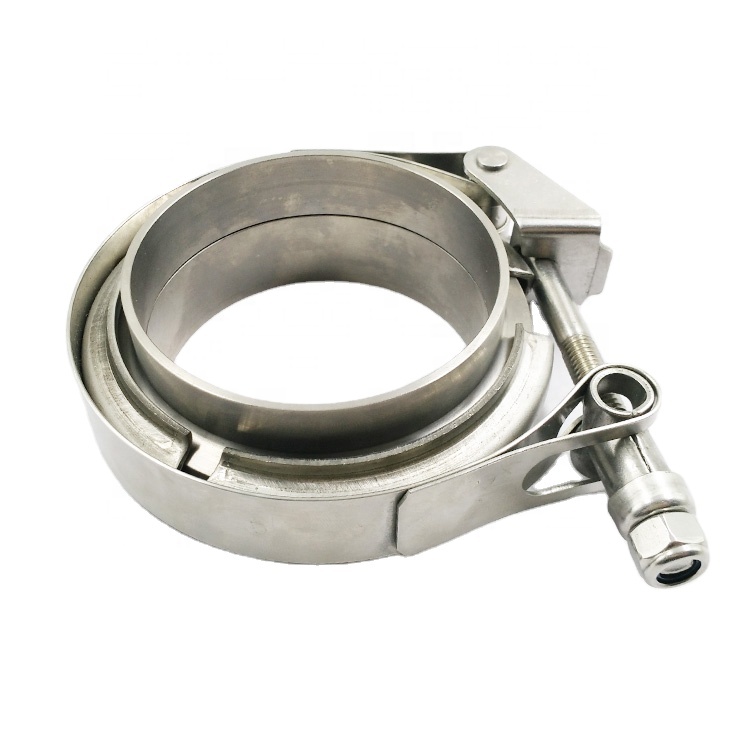
Servicing private vessels and commercial fleets docking at Camper & Nicholsons Port Louis Marina. We manufacture titanium auxiliary engine exhaust coolers, hydraulic heat dissipators, and V-band clamped manifolds that survive continuous marine engine room environments without degradation.
Thermal oil cooling systems, diesel-generator lube oil condensers, and thermal recovery loops at utility plants. Titanium tube modules eliminate galvanic interaction when paired with raw seawater loops, protecting electrical grid infrastructure from sudden cooling system failures.
Marine refrigeration condensers operating with ammonia (R717) or synthetic refrigerants. Our seamless titanium coiled and coaxial tube exchangers eliminate catastrophic ammonia-seawater mixing, ensuring continuous cold-chain integrity for Grenada's export-grade tuna and seafood sector.
Market changes, sustainability benchmarks, and infrastructure investments shaping procurement in the Windward Islands.
1. Transition to Eco-Tourism and Low-GWP HVAC Systems: Grenada's commitment to climate change mitigation and sustainable tourism is shifting resort developments toward natural refrigerants (hydrocarbons and CO₂) and high-efficiency Seawater Air Conditioning (SWAC). High thermal efficiency titanium heat exchangers are critical to achieving the tight temperature approaches required by SWAC without toxic biocide pollution in shallow marine ecosystems.
2. Decentralized Desalination in the Grenadines: Climate variability is accelerating the installation of independent desalination plants across the island dependency of Carriacou. Municipal water contractors prioritize modular, pre-assembled titanium shell-and-tube heat exchangers and evaporator assemblies that can be transported without risk of structural degradation or localized salt pitting during prolonged ocean transport.
3. Life-Cycle Cost (LCC) Prioritization over Capex: Historically, project tenders in the southern Caribbean favored low-initial-cost bronze or copper alloys. Rising technical maintenance costs, skilled welder shortages in the archipelago, and the high expense of unscheduled plant downtime have led engineering procurement officers to specify titanium as the material of choice, reducing 20-year total cost of ownership by up to 64%.
Founded in 2006 in Baoji, China's Titanium Valley, Jovzi combines certified aerospace-grade raw materials with rigorous export quality control.
Every shipment is certified with genuine EN 10204 3.1 Mill Test Certificates. Third-party destructive and non-destructive chemical and mechanical evaluations are performed directly via the national BaoTi Testing Center before port dispatch.
Our engineering team, led by 4 senior and 5 intermediate metallurgists, manages every processing stage from vacuum consumable electric arc melting sponge ingots to precision CNC lathing, tube bending, and hydro-testing to ensure zero pore leakage.
With more than six years of dedicated OEM buyer-label experience, we manufacture direct to customer 2D and 3D CAD drawings (STEP, DWG, PDF). Our team crafts bespoke baffle layouts, shell diameters, and flange configurations for tight retrofit clearances.
Operating with an 81–90% export ratio across global markets, we manage end-to-end shipping via CIF or DDP to St. George's Port, complete with multi-layer waterproof wrapping and export-grade reinforced wooden crating.
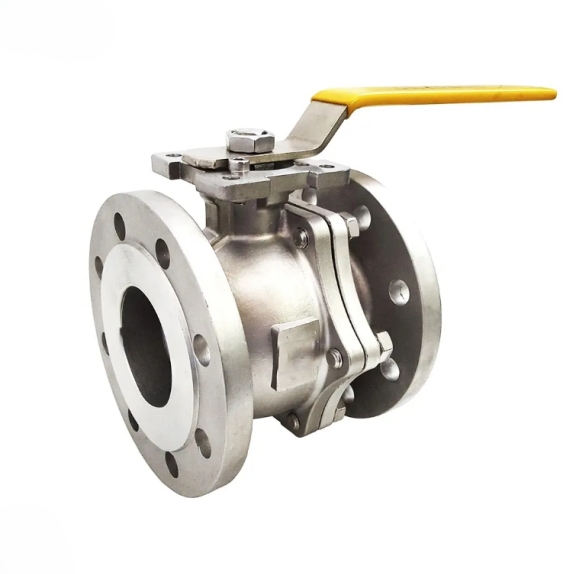
Beyond bare heat exchange bundles, Jovzi supplies full titanium process piping kits—including matching ANSI/ASME B16.5 titanium flanges, stub ends, reducers, ball valves, and Grade 5 bolting—preventing galvanic corrosion risks.
Direct communication with experienced technical staff means design adjustments, calculations, and official commercial quotes are delivered within 8 hours. We support multiple payment options including T/T, L/C, and flexible trade arrangements.
Key information on technical validation, logistics, import compliance, and materials handling.
Submit your CAD drawings, thermal duty specifications, or replacement bundle parameters. Our Baoji factory engineering team will analyze your project and provide a traceable technical quotation within 8 hours.
Send an Inquiry