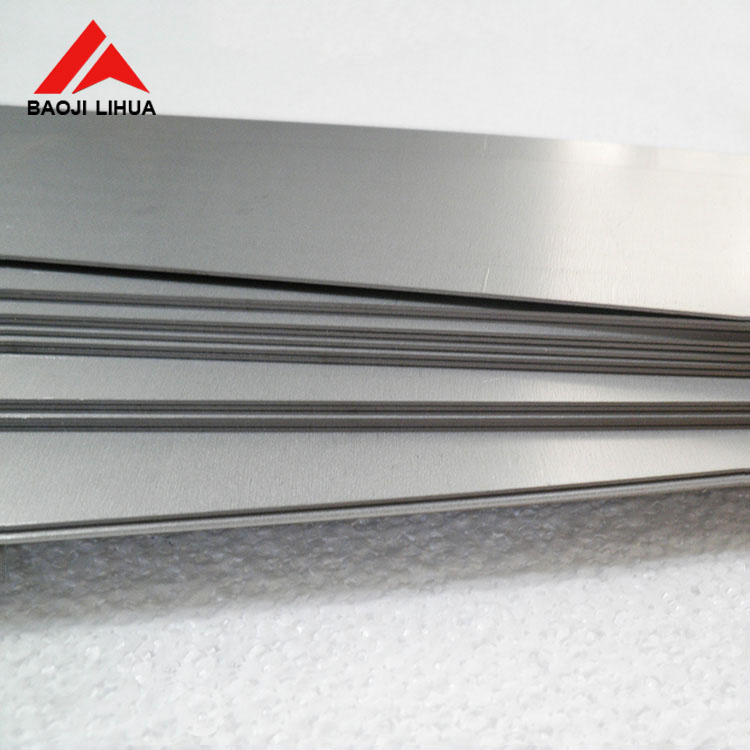
Factory Inventory & Precision Components
Featured Industrial Titanium Components for Exchanger Assemblies
Full-spectrum titanium mill materials, CNC high-pressure valve trim, specialized rack systems, and calibrated seamless tubes compliant with European Pressure Equipment Directives (PED 2014/68/EU).
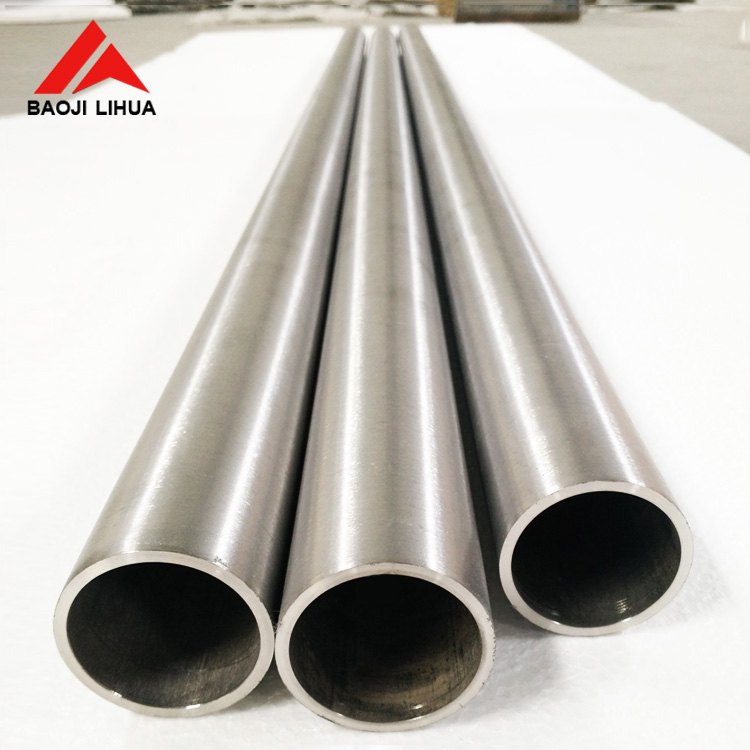
Gr1/2/9 38mm–102mm Industrial Titanium Tube & Piping
View Tube Specs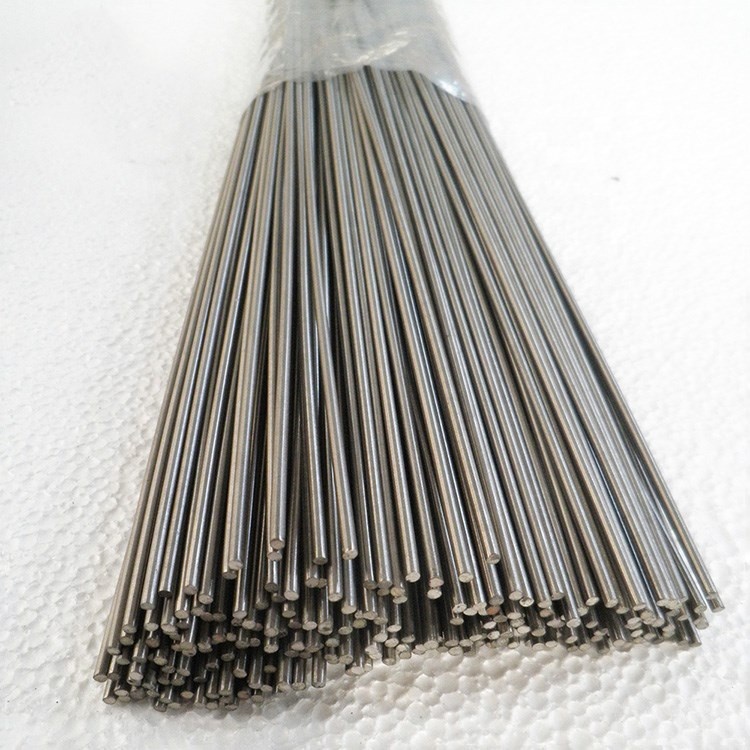
High-Elastic Thin Titanium Wire & Solid Rod Profiles (Per Kg)
Material Breakdown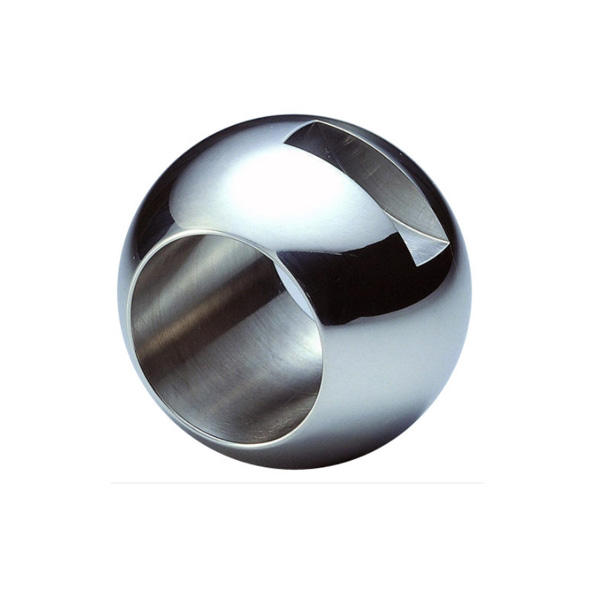
American Standard High-Pressure Titanium Ball Valve Core
Valve Trim Config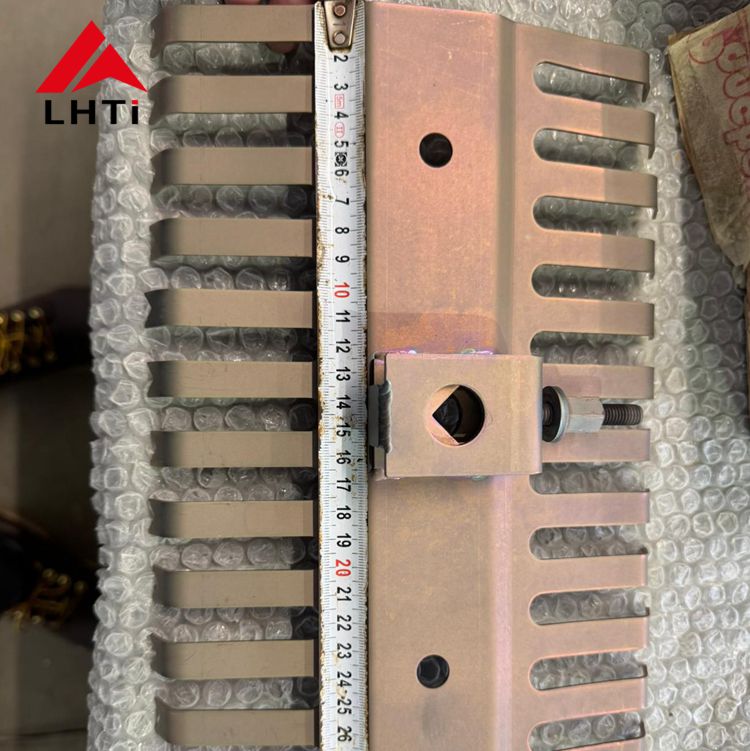
Gr2 Customized Titanium Box Anodizing & Pickling Basket Rack
Anodizing Racks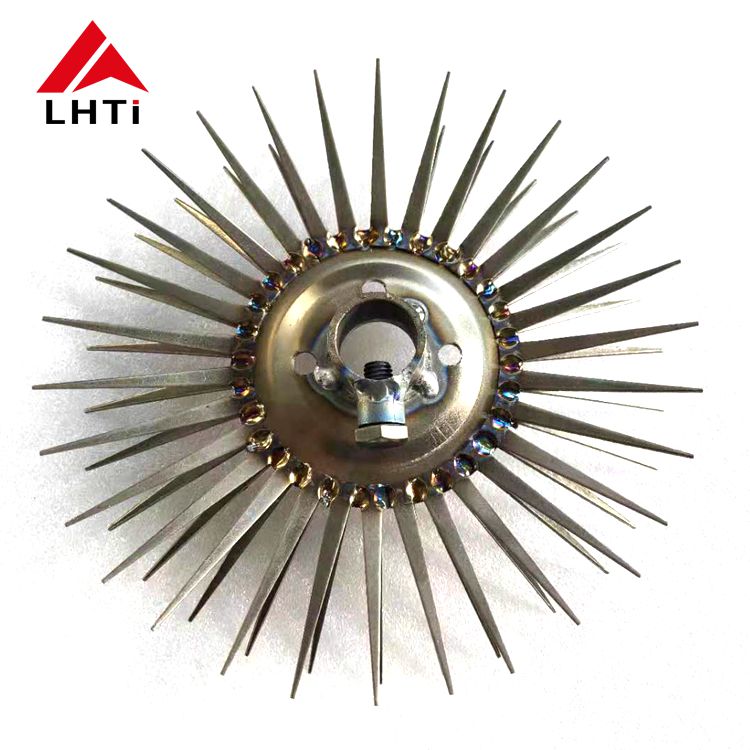
Gr2 Titanium 30-Split Fingers Disk Rack (Dia 220mm Thick 1.5mm)
Surface Treat Racks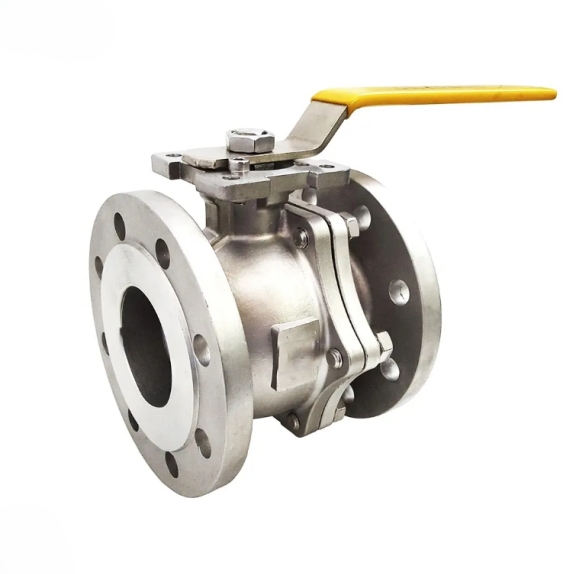
Class 150/300 LB Flanged Titanium Ball Valve (Water/Oil/Gas)
Flanged Valve Specs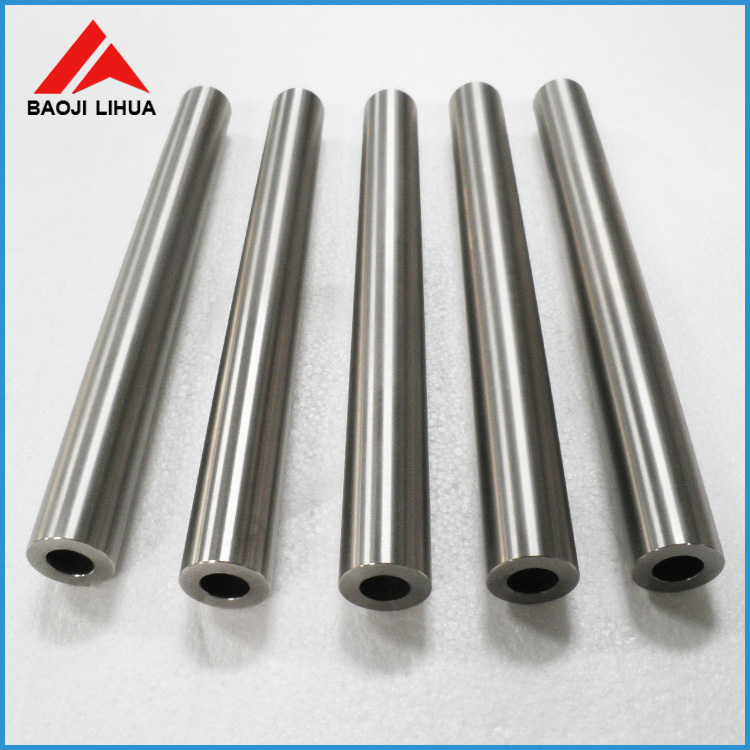
High-Integrity Gr2 / Gr7 Titanium Seamless Heat Exchanger Tube
Tubing Mill Specs
Engineering Metallurgy Whitepaper
ASME SB338 / ASTM B338 Grade 2 & Grade 7 Tubing for Thermal Systems
Why precision-engineered reactive alloys are indispensable for critical shell-and-tube, plate, and immersion heat exchanger units operated in aggressive Mediterranean maritime and industrial environments.
TiO2 Passive Film Integrity
Commercially Pure Grade 2 Titanium (UNS R50400) automatically regenerates a continuous, non-porous ceramic rutile/anatase titanium dioxide (TiO2) film upon exposure to trace moisture or oxygen. Unlike copper-nickel or austenitic stainless steels, this layer guarantees near-zero pitting susceptibility in boiling chloride environments up to 250°C.
Palladium Stabilization (Grade 7)
In reduced pH operating conditions encountered during industrial descaling, sulfuric wash cycles, or severe crevice corrosion environments beneath tube sheets, Jovzi supplies 0.15% Palladium-stabilized Grade 7 (UNS R52400). The palladium elevates the open-circuit corrosion potential into the passive zone, completely preventing crevice attack.
Thermal Boundary Optimization
Although titanium exhibits a lower bulk thermal conductivity (16.4 W/m·K at 20°C) than brass or copper alloys, its exceptional tensile yield (min. 275 MPa) allows designers to drop wall thicknesses to 0.5mm–1.0mm (BWG 20 to BWG 24). This thin wall, coupled with superior surface wetness and absence of fouling corrosion crusts, achieves overall U-values that exceed copper systems over time.
| Titanium Grade | UNS Designation | Tensile Strength (Min) | Yield Strength (Min) | Elongation (%) | Primary Industrial Use-Case |
|---|---|---|---|---|---|
| Grade 1 (CP4) | UNS R50250 | 240 MPa | 170 MPa | ≥ 24% | Deep-drawn plate heat exchanger (PHE) chevron plates, low-pressure chillers. |
| Grade 2 (CP3) | UNS R50400 | 345 MPa | 275 MPa | ≥ 20% | Shell-and-tube exchangers, power generation steam condensers, marine cooling. |
| Grade 7 (Ti-Pd) | UNS R52400 | 345 MPa | 275 MPa | ≥ 20% | Aggressive acidic media, chemical reboilers, high-chloride crevices > 120°C. |
| Grade 9 (Ti-3Al-2.5V) | UNS R56320 | 620 MPa | 483 MPa | ≥ 15% | High-pressure hydraulic cooling, deep-sea subsea heat exchangers, naval coils. |
| Grade 12 (Ti-Mo-Ni) | UNS R53400 | 483 MPa | 345 MPa | ≥ 18% | Elevated temperature chlorides, hydrocarbon hydrocrackers, sulfur recovery. |
Territorial Integration
Localized Application Scenarios in the Metropolitan City of Rome & Lazio
From the maritime logistics of Civitavecchia to the bio-pharmaceutical hubs of Latina and Pomezia, titanium heat transfer technology stabilizes critical regional infrastructure.
Civitavecchia Port & Marine Operations
Located along the Tyrrhenian coast, the Port of Civitavecchia serves as Rome's primary gateway for international cruise vessels, naval vessels, and offshore support. Marine engineers rely on Jovzi's ASTM B338 Grade 2 seamless condenser tubes to combat macro-fouling, microbiologically influenced corrosion (MIC), and raw Tyrrhenian seawater velocity impingement up to 20 m/s without protective biocides.
Latina & Pomezia Bio-Pharma Corridors
The industrial belt southwest of Rome represents one of Europe's dense concentrations of Active Pharmaceutical Ingredient (API) plants and vaccine facilities. Grade 2 polished tubes guarantee an ultra-pure boundary layer, zero metallic ion leachates into high-purity Water for Injection (WFI), and total passivity during continuous CIP/SIP steam sterilization at high thermal cycling.
Fiumicino & Urban Energy Trigeneration
Modern combined cooling, heating, and power (CCHP) units powering Rome's commercial transport grids, Fiumicino aviation facilities, and industrial sub-stations deploy titanium compact tube bundles. These heat exchangers capture high-temperature exhaust gas condensate containing corrosive nitric and sulfuric residues that rapidly destroy copper or 316L stainless steel equivalents.
Economic & Regulatory Foresight
Rome & Central Italy: Thermal Modernization Trends
How European Green Deal directives, Italy's PNRR funding, and decarbonization strategies are shifting regional procurement toward lifecycle-optimized titanium alloys.
Geothermal Retrofits
Volcanic geothermal pockets across Northern Lazio are being harnessed for district heating. High concentrations of hydrogen sulfide (H2S), chlorides, and non-condensable gases demand ASTM B338 Grade 7/12 titanium alloys to prevent stress corrosion cracking (SCC).
PNRR Green Hydrogen
National Recovery and Resilience Plan (PNRR) funds allocate substantial capital to decarbonize the Rome-Civitavecchia industrial valley. Proton Exchange Membrane (PEM) electrolyzers utilize our thin-walled titanium tubes and coated plate sub-assemblies.
Maritime Marpol 2026
With tightened exhaust gas cleaning system (EGCS) environmental mandates in Mediterranean waters, shipbuilders in Civitavecchia and Gaeta are actively replacing failing nickel-alloy heat exchangers with welded titanium Grade 2 systems for scrubbing loops.
LCOE Life-Cycle Costing
Procurement teams in Lazio are abandoning low initial-cost brass piping. Over a 25-year operational window, the total cost of ownership (TCO) of titanium proves drastically lower due to the complete avoidance of chemical retubing and unplanned outages.
Factory Heritage & Quality Rigor
Why Roman Engineers Source From Jovzi Titanium Industry
Headquartered directly in China's Titanium Valley (Baoji, Shaanxi) since 2006, Jovzi combines ingot-level metallurgical integrity with rigorous European trade execution.
Origin Traceability in Baoji
Jovzi sources top-tier aerospace-grade titanium sponge to melt vacuum-arc remelted (VAR) ingots. Our technical division includes 4 senior and 5 intermediate metallurgical engineers overseeing continuous pilgering, precision cold-drawing, and vacuum annealing furnaces to eliminate alpha-case contamination.
100% Nondestructive NDT Protocol
Every meter of titanium heat exchanger tube undergoes continuous in-line Eddy Current testing (ASTM E426), full hydrostatic verification (up to 10 MPa depending on OD/WT), pneumatic air-under-water testing, and ultrasonic testing upon client request. No micro-porosity leaves our bay.
EN 10204 3.1 & BaoTi Test Validation
All shipments arrive at Rome Ciampino, Fiumicino, or Civitavecchia with comprehensive EN 10204 3.1 inspection certification covering real heat chemistry, tensile strength, yield elongation, flattening, and flaring results verified in collaboration with the independent BaoTi Test Center.
Procurement Guidance
Frequently Asked Questions by Technical Procurement Teams in Rome
Addressing metallurgical standards, Italian customs handling, freight logistics, and integration protocols for central Italian industrial sites.
Which dimensional tolerances and heat treatments are standard for condenser tubes shipped to Italy?
Our titanium tubes are produced in strict compliance with ASTM B338 / ASME SB338 and DIN 17866 standards. All exchanger tubes are supplied in the Annealed Condition (Grade 2 is vacuum-annealed at 650°C–700°C to relieve drawing stresses and ensure uniform recrystallization). Outside diameter (OD) tolerances typically range within ±0.10mm, with wall thickness variations held below ±10%. Custom tight tolerances for robotic orbital welding or automatic tube-to-tubesheet roller expanding can be tailored to drawing specs.
How does Jovzi manage the European Pressure Equipment Directive (PED 2014/68/EU)?
For Italian industrial buyers constructing pressurized heat exchanger shells and tube bundles, Jovzi materials qualify under Annex I essential safety requirements. Our manufacturing quality management system operates under ISO 9001, and our raw stock certificates conform to EN 10204 Type 3.1. We provide full chemical composition traceability down to heat and lot numbers, documented Charpy impact (where applicable), and flattening tests to simplify Notified Body (e.g., TÜV, RINA) design approvals in Italy.
Can seamless and welded titanium tubes be expanded directly into tube sheets?
Yes. Grade 2 Commercially Pure titanium exhibits excellent ductility (elongation ≥ 20%), making it ideal for roller expansion into either solid titanium tube sheets or titanium-clad carbon steel sheets. To ensure vacuum tightness, grooved holes in tube sheets can be coupled with controlled-torque mechanical expanders. For welded configurations, our tubes boast ultra-clean weld seams and controlled weld-zone grain size, perfectly accommodating automatic orbital GTAW (TIG) fusion welding under high-purity argon shielding.
What are the typical lead times and customs logistics for delivery to Rome and Lazio?
Standard catalogue mill products (OD 19.05mm, 25.4mm, 38.1mm) are maintained in billet and tube-blank form at our Baoji warehouse, enabling fabrication and dispatch within 2 to 3 weeks. Air express via DHL/FedEx or direct air cargo to Rome Fiumicino (FCO) takes 4 to 7 business days for urgent shutdowns. Ocean containers destined for maritime shipyards typically ship via Tianjin or Qingdao Port directly to Civitavecchia Port within 28 to 35 days. We support multiple Incoterms including EXW, FOB, CIF, and full DDP (cleared through Italian customs, duty paid).
How do you prevent surface damage and contamination during sea-air export?
Because titanium tubes used in heat transfer must remain pristine to avoid local stress corrosion sites, Jovzi adheres to export-grade crating standards. Each individual tube is plugged at both ends with high-density plastic caps to prevent dust and marine atmospheric salt intrusion. Bundles are nested in protective polyethylene sleeving, separated with honeycomb dividers, and secured inside solid, fumigated, steel-banded wooden boxes conforming to ISPM 15 standards.
Plan Your Next Heat Exchanger Fabrication With Mill Direct Precision
Whether engineering high-temperature reboilers for Lazio chemical processing plants, bio-sanitary condensers in Latina, or seawater cooling banks in Civitavecchia, our metallurgical engineering team will audit your tube layout, provide CAD compatibility checks, and quote within 8 business hours.
Get a Quote