Forged Stock
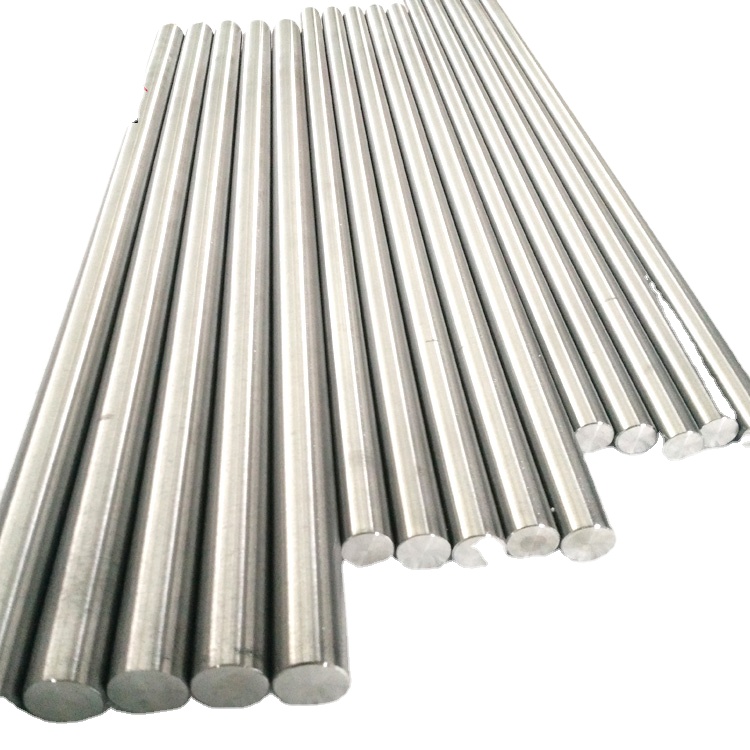
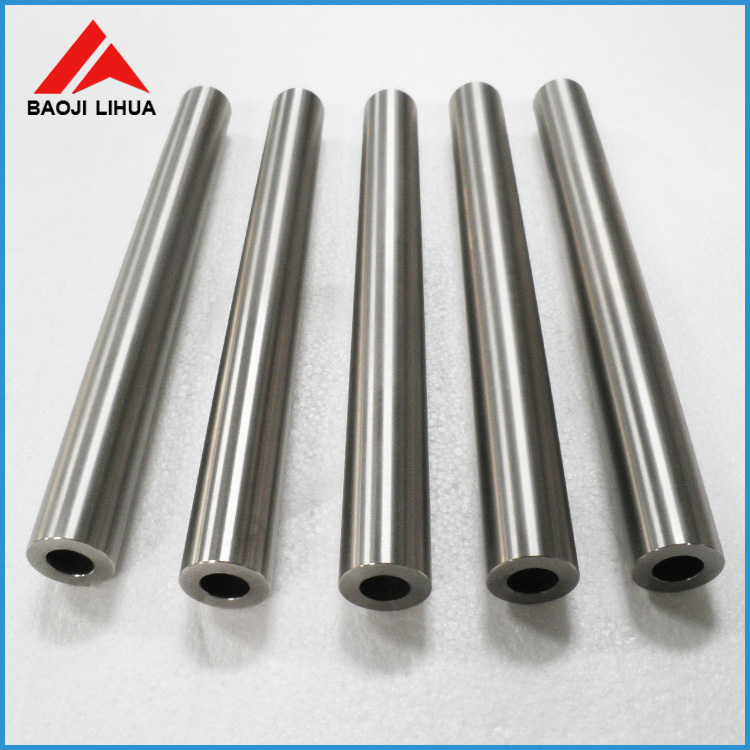
Precision mill outputs manufactured in Baoji ("Titanium Valley") and distributed worldwide, certified to ASTM, ASME, and DIN standards for maximum operational longevity.
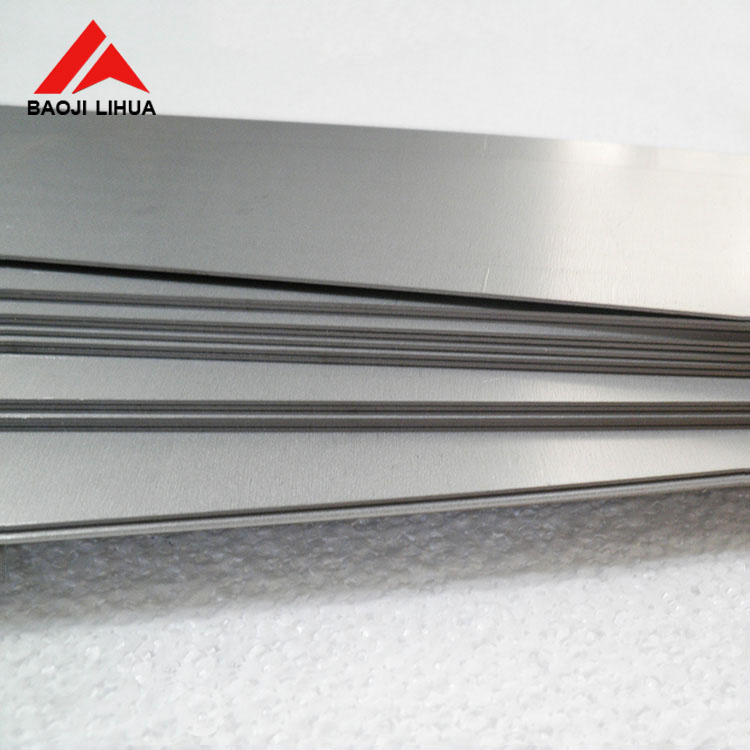
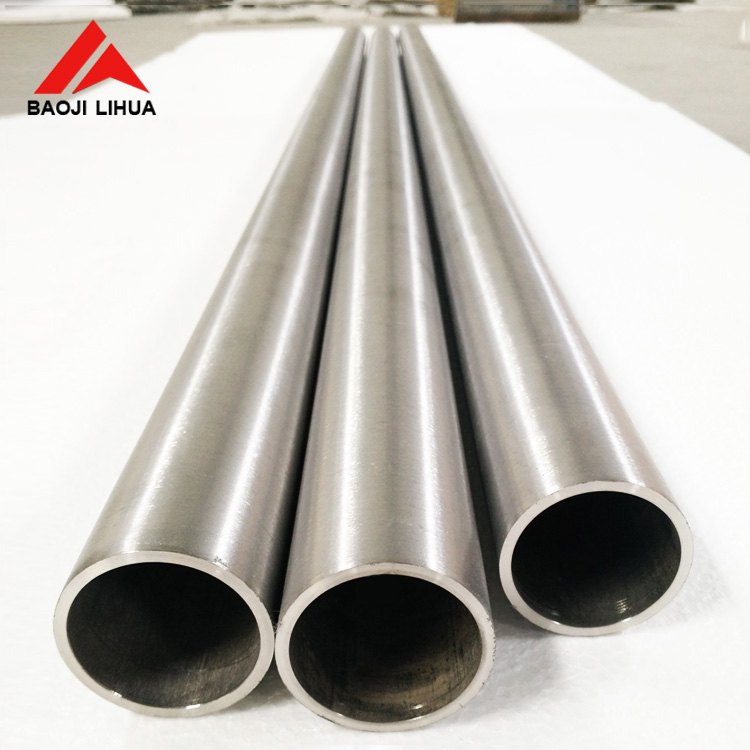
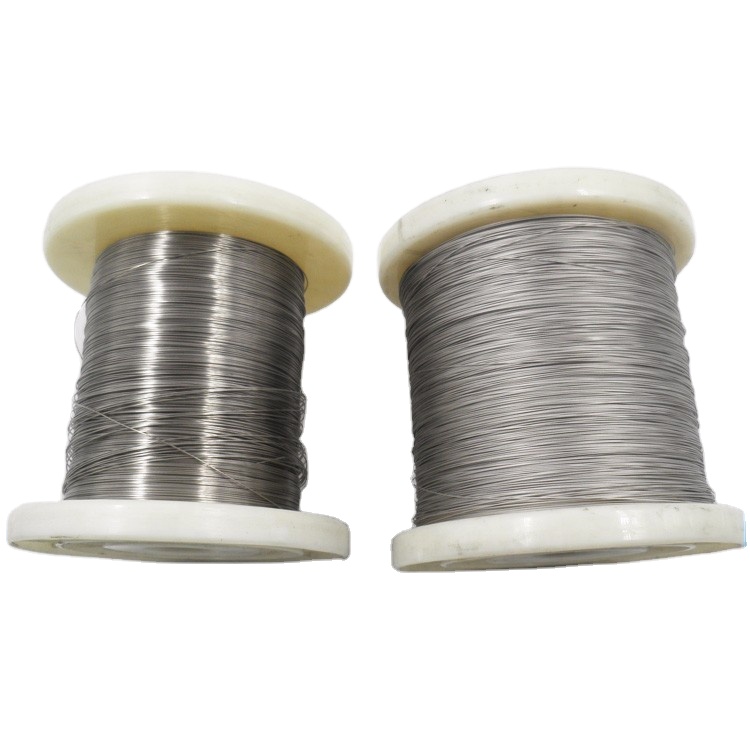
Headquartered in Baoji, Jovzi Titanium Industry integrates local sponge-melting supply chains with precision machining and multi-step non-destructive testing.
Located alongside Baoji's major sponge-to-ingot processors, we procure premium certified titanium sponge with minimal impurity thresholds (Fe ≤ 0.03%, O ≤ 0.10%).
Every single batch carries full spectroscopic chemical analyses, physical yield/tensile metrics, and hydrostatic or eddy-current testing verified by BaoTi Test Center on request.
Precision multi-axis turning, chamfering, tube U-bending to TEMA R-standards, and baffle plate milling performed by 4 senior and 5 intermediate engineers.
Specialized protective crating (plywood boxes with internal EVA foam spacers) engineered to prevent abrasion during transit to León, Guanajuato or León, Spain.
An authoritative evaluation of metallurgical corrosion mechanisms, fouling resistance, and heat transfer optimization across the leather, automotive, energy, and process sectors.
León (Guanajuato, Mexico) processes over 65% of the country's finished leather, operating large-scale chrome tanning drums and beamhouses. Tannery effluent presents one of the most destructive chemical cocktails for traditional copper-nickel, 304, and even 316L stainless steel heat exchangers. Process discharge carries elevated concentrations of chromium salts (Cr3+ and Cr6+), sulfuric acid, chlorides, ammonium salts, and suspended biological solids. When operating heat recovery steam coils or plate-and-shell evaporators above 50°C, stainless steel components frequently fail within 6 to 14 months due to chloride stress corrosion cracking (CSCC) and severe pitting at crevice zones underneath biological scale.
Titanium Grade 2 (UNS R50400) creates an unyielding protective surface film composed of titanium dioxide (TiO2). This passive film reforms spontaneously within milliseconds in the presence of trace oxygen or moisture if mechanically scratched. Because titanium is impervious to chloride ion attacks at operating temperatures well above 120°C, adopting ASTM B338 Gr2 thin-wall seamless or welded-annealed tubing for wastewater heat recovery systems eliminates stress corrosion cracking entirely, allowing continuous enthalpy recovery from spent tanning liquors.
As the primary engine of the Bajío industrial automotive cluster, León serves tier-1 suppliers and vehicle assembly plants producing chassis, precision stampings, and bodywork. Cathodic electrodeposition (E-coat) processes demand thermal management within ultra-tight bands (±0.5°C) to maintain consistent paint resin viscosity, film thickness, and dielectric stability. E-coat baths rely on deionized water suspensions with organic acids (such as acetic, lactic, or sulfamic acids) held at an acidic pH (5.2 - 5.8).
Under continuous electric potential, stray current corrosion instantly deteriorates conventional metallic tubes. Titanium heat exchanger tubes operate with near-zero ion leaching, ensuring zero zinc, copper, or iron particulate contamination in high-gloss automotive finishes. Furthermore, Grade 2 titanium heating/cooling bundles inside phosphating tanks resist aggressive phosphoric and nitric acid combinations that would dissolve copper alloys or sensitize duplex steels.
In both the Bajío basin and regional Castilian agri-processing clusters around León (Spain), food-grade concentration of whey, fruit pulps, brewery products, and milk powder demands hygienic, foul-resistant evaporation systems. Ammonia (NH3) refrigeration networks and lithium bromide absorption chillers widely deployed across refrigerated logistics facilities suffer devastating stress corrosion cracking when trace moisture contacts copper coils. Titanium tubes are non-reactive with pure ammonia, anhydrous gases, and agricultural cleaning solutions (CIP with 2% caustic wash and hot nitric acids), delivering a maintenance-free working lifecycle exceeding 25 years.
| Alloy Specification | Thermal Conduct. (W/m·K) | Yield Strength (MPa) | Chloride Pitting Resistance | Max Flow Velocity | Lifecycle in Chrome Effluent |
|---|---|---|---|---|---|
| CP Titanium Gr2 (ASTM B338) | 21.9 | ≥ 275 | Immune <130°C | > 20 m/s | 20+ Years (Zero CSCC) |
| Ti-0.15Pd Gr7 (ASTM B338) | 21.5 | ≥ 275 | Immune in Crevices <250°C | > 20 m/s | 25+ Years (Severe Acids) |
| Austenitic SS 316L (ASTM A249) | 16.3 | ≥ 220 | Susceptible >60°C Cl- | 3.0 m/s | 6 - 18 Months (Pitting Risk) |
| Duplex 2205 (ASTM A789) | 19.0 | ≥ 450 | Moderate Resistance | 4.5 m/s | 3 - 5 Years |
| Copper-Nickel 90/10 (ASTM B111) | 45.0 | ≥ 105 | Rapid Attack in Tannery Waste | 2.2 m/s | Catastrophic Failure (<3 Mo.) |
How regional industrial policies, water conservation mandates, and clean energy investments are reshaping thermal materials engineering.
Stricter environmental regulations by local water basins (such as Guanajuato's CEAG and European REACH frameworks) require tanneries and chemical plants to achieve closed-loop evaporation. Falling film evaporators and crystallizers require high-conductivity, thin-wall Grade 2 and Grade 12 titanium tubes to handle supersaturated boiling brines without scaling corrosion.
Rising electricity tariffs across Central Mexico encourage manufacturing parks to adopt Organic Rankine Cycle (ORC) power generators. Titanium heat exchangers allow direct flue-gas condensing and thermal oil energy exchange from aggressive exhaust gas containing sulfur dioxide, converting lost thermal energy into factory power.
With pilot clean hydrogen projects expanding across regional chemical corridors, proton exchange membrane (PEM) electrolyzers and direct deoxygenation cooling systems require sub-micron clean titanium cooling circuits that eliminate all heavy metal ion shedding into delicate catalyst beds.
Direct, pragmatic answers addressing wall thickness sizing, welding practices, quality verification, and international import logistics.
Our metallurgy team provides heat exchanger bundle conversions, tube wall stress calculations according to ASME Section VIII Div 1, and custom cut-to-length tubing bundles complete with tubesheet expansion guidance. Connect with our engineering desk within 8 hours.