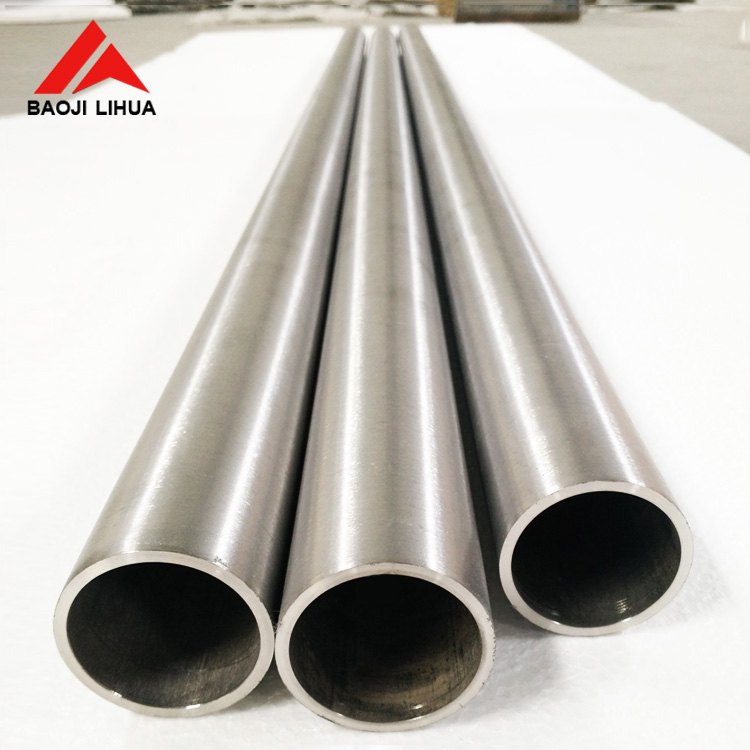
Gr5 Ti-6Al-4V
Aerospace & Marine Alloy
≥895 MPa
Minimum Tensile Strength
EN 10204 3.1
Certified MTC Heat Traceability
4.43 g/cm³
45% Lighter Than 316L Steel
Featured Titanium Engineering Components
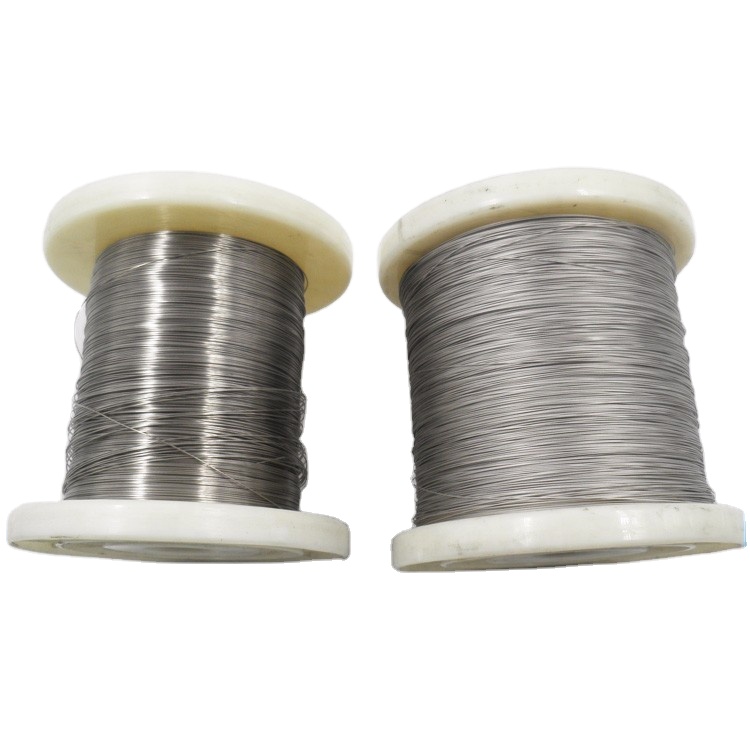
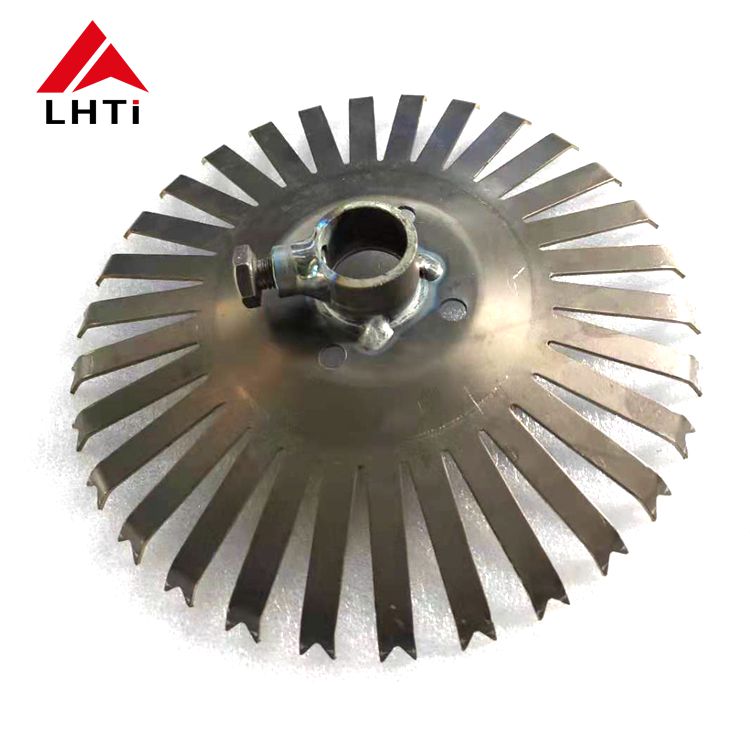
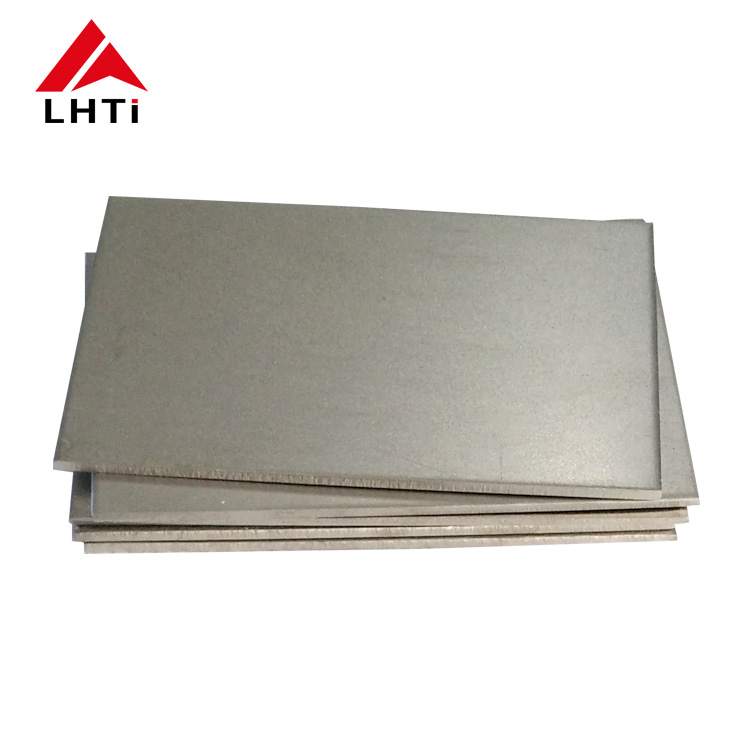
Direct factory supply lines for Baltic Sea industrial procurement teams, naval fabricators, and advanced manufacturing plants.
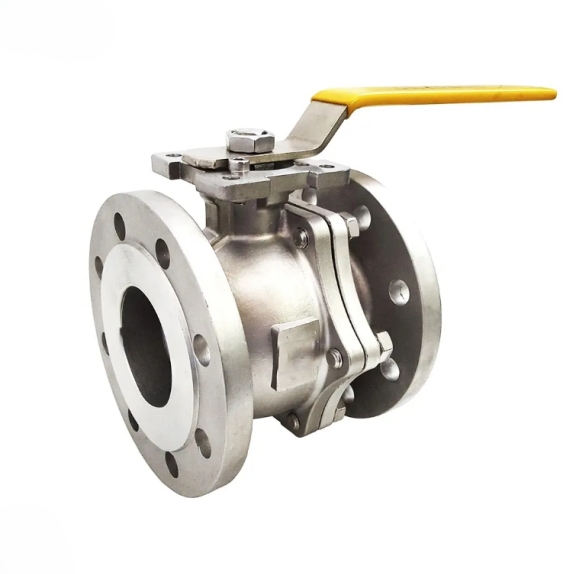
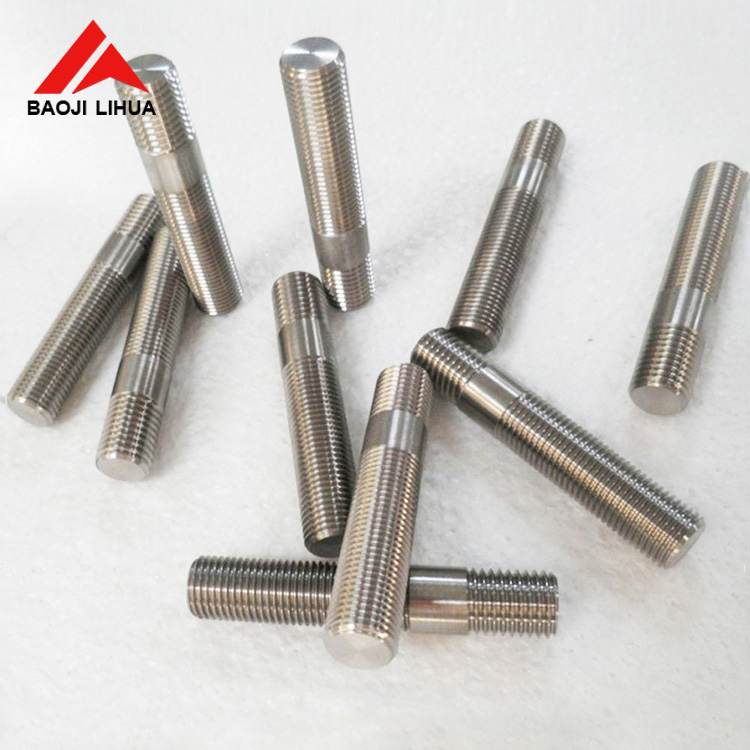
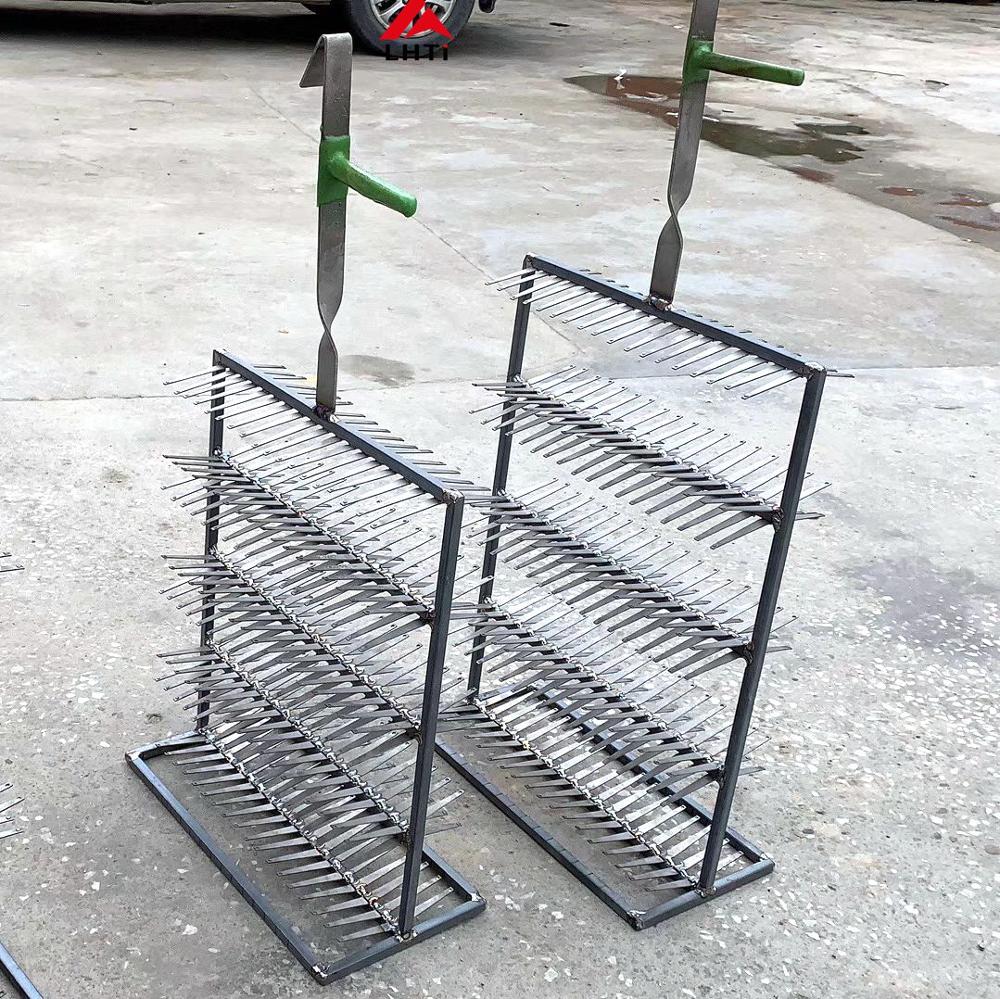
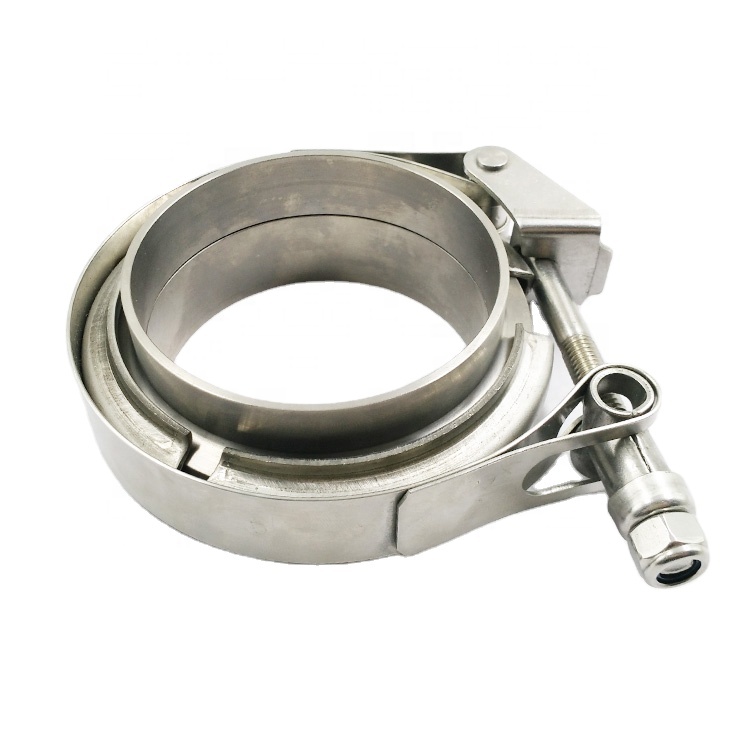
Direct Factory Procurement for Gdańsk & Pomeranian Projects
Request mill test reports (MTC EN 10204 3.1), 2D/3D CAD tolerances, volume container quotes, and international express logistics arrangements directly with our metallurgists.
Get CatalogEngineering Superiority of Titanium Socket Head Screws (DIN 912 / ISO 4762)
A rigorous metallurgical overview of Ti-6Al-4V (Grade 5) and CP Grade 2 socket head cap screws for mechanical structural applications.
In mechanical architecture and critical infrastructure, fasteners represent the smallest physical components with the greatest single-point failure exposure. For coastal industrial zones and precision marine clusters such as Gdańsk, Gdynia, and Sopot (the Tri-City agglomeration), traditional fasteners manufactured from austenitic stainless steels (such as AISI 304 and marine-grade AISI 316L) routinely encounter structural thresholds defined by chloride-induced stress corrosion cracking (SCC), severe crevice corrosion underneath bolt caps, and catastrophic galvanic fatigue. The deployment of precision-engineered Titanium Socket Head Screws (DIN 912 / ISO 4762) provides an unyielding metallurgical resolution to these environmental vulnerabilities.
Our socket head cap screws are forged from premium Ti-6Al-4V Grade 5 (UNS R56400) and CP Grade 2 (UNS R50400) ingots originating directly in Baoji—widely acknowledged as China’s Titanium Valley. By leveraging warm-forged heads, precision internal hexagonal broaching, and fully cold-rolled threads rather than cut threads, our screws exhibit continuous, uninterrupted metal grain structures along the thread root. This eliminates internal micro-voids, delivering exceptional tensile limits exceeding 895 MPa to 1050 MPa while reducing overall assembly mass by approximately 45% compared to steel equivalents (density of 4.43 g/cm³ versus ~7.9 g/cm³ for steel).
| Property / Characteristic | Titanium Gr5 (Ti-6Al-4V) | CP Grade 2 Titanium | Marine Stainless (316L) | High-Tensile Steel (10.9) |
|---|---|---|---|---|
| Tensile Strength (Rm, min) | 895 - 1050 MPa | 345 - 450 MPa | 500 - 700 MPa | 1000 - 1040 MPa |
| Yield Strength (Rp 0.2, min) | 828 MPa | 275 MPa | 220 MPa | 900 MPa |
| Density | 4.43 g/cm³ | 4.51 g/cm³ | 8.00 g/cm³ | 7.85 g/cm³ |
| Strength-to-Weight Ratio | ~215 kN·m/kg | ~80 kN·m/kg | ~65 kN·m/kg | ~127 kN·m/kg |
| Chloride Pitting Resistance (PREN) | Immune (>100 equivalent) | Immune (>100 equivalent) | 23 - 25 (Vulnerable) | 0 (Severely Corrodes) |
| Passivation Film Mechanism | Self-Healing TiO₂ Rutile | Self-Healing TiO₂ Anatase | Chromium Oxide (Cr₂O₃) | None (Iron Oxide Flaking) |
The unassailable corrosion performance of titanium socket head cap screws in subsea and coastal saline environments stems from the immediate formation of a tenacious, dielectric, and chemically stable titanium dioxide (TiO₂) passivation film. When scratched or physically mechanically abraded during socket engagement or torque sequence preload, this passive layer regenerates spontaneously within milliseconds upon atmospheric or water exposure, providing total resistance to microbiological-induced corrosion (MIC), brackish bay water pitting, and hydrogen embrittlement.
Strategic Regional Engineering Demands: Gdańsk & Pomerania
Tailored fastening solutions mapped to the prominent maritime, refining, defense, and green energy infrastructure along the Baltic littoral.
The Pomeranian Voivodeship, anchored by the historical seaport of Gdańsk and the broader Tri-City industrial spine, stands as Central-Eastern Europe’s critical hub for deepwater container logistics, specialized naval shipbuilding, petrochemical transformation, and the burgeoning offshore wind boom in the Southern Baltic. These distinct regional sectors impose extreme mechanical, thermal, and chemical stress profiles upon fastening hardware.
Naval Shipyards & Luxury Yacht Builders
From the legendary dry docks along the Martwa Wisła to high-end catamaran shipbuilders, Grade 5 DIN 912 socket screws serve deck crane assemblies, underwater hull penetrations, and carbon-fiber superstructure attachments, preventing galvanic oxidation.
Baltic Offshore Wind Energy & Substations
Projects like Baltica 2/3 and Baltic Power deploy offshore transformer platforms into continuous North-Baltic aerosol. Grade 5 titanium bolts secure wind turbine nacelle sensors, LiDAR telemetry hardware, and subsea cable strain clamp frames.
Petrochemical & Refining Clusters
In facilities such as the historic refinery complex in Gdańsk, processes involving moist chlorine gas, sulfuric acid washes, and catalyst hydro-treating demand non-reactive Grade 2 & Grade 12 socket bolts on flow meter casings and heat exchangers.
Autonomous Marine & Subsea Robotics (AUV)
Gdańsk-based academic institutes and defense subsea robotics developers utilize miniature Grade 5 DIN 912 titanium socket screws (M2 to M6) for non-magnetic pressure vessel housings, sonar transceivers, and deepwater autonomous rovers.
Motorsport & Performance Vehicle Tuning
Poland's vibrant competitive motorsport, drift series, and custom motorbike shops utilize our Grade 5 rolled-thread studs and socket cap bolts to lower unsprung wheel weight and resist turbocharger exhaust manifold heat beyond 600°C.
High-Precision Anodizing & Surface Engineering
Pomeranian specialized coaters utilize pure titanium racks, jigs, and structural clamping bolts inside aggressive pickling, chromate conversion, and electroplating lines, realizing indefinite hardware lifespan with zero bath contamination.
Regional Industrial Trends: The Pomeranian Green & Naval Transition
Examining supply chain shifts, nearshoring dynamics, and lifecycle economics governing fastener procurement in Poland.
The manufacturing and industrial procurement landscape in northern Poland is currently undergoing three macro-level transformations that strongly elevate the consumption of specialty reactive refractory metals, particularly titanium fasteners:
1. Offshore Wind (Offshore Wind Poland Sector Deal): Under Poland’s national energy policy, gigawatts of offshore wind capacity are entering operational development in the Polish Exclusive Economic Zone (EEZ) of the Baltic Sea. Unlike the North Sea, the Baltic presents unique brackish, oxygenated, and ice-formation cycles that rapidly accelerate crevice and fatigue corrosion in traditional carbon-coated or stainless-steel fasteners. Procurement engineers have moved toward titanium fasteners for structural nacelle elements, cathodic monitoring anodes, and blade sensor arrays where maintenance vessel mobilization incurs staggering logistical costs.
2. Total Lifecycle Costing (LCC) Dominates Procurement: Polish shipyard asset managers and petrochemical operations at the Port of Gdańsk increasingly formulate tender specifications using 30-year lifecycle expenditure modeling. While standard 316 stainless screws have a lower initial invoice price, their maintenance cadence—demanding planned replacement every 2 to 4 years due to galling, salt incrustation, and galvanic seizure—dwarfs the single-purchase capex of precision Grade 5 titanium bolts, which remain chemically invariant over multidecadal deployment periods.
3. Advanced Defense & Naval Modernization: Through massive national investments in modernizing Polish naval vessels, coastal patrol craft, and radar early-warning systems, the non-magnetic (zero magnetic permeability) properties of pure Grade 2 and alloyed Grade 5 titanium socket head screws have become non-negotiable for mine-countermeasure craft and precision electronic warfare housings.
Why Engineers & Procurement Managers Partner With Jovzi Titanium
Combining the metallurgical capital of Baoji's Titanium Valley with stringent international quality certifications.
Established in 2006 in Baoji, Shaanxi, China, Jovzi Titanium Industry Co., Ltd. serves industrial and specialized clients across Western and Eastern Europe, North America, and Scandinavia. We are not brokers; we operate dedicated manufacturing, forging, and CNC precision facilities supported by 4 senior metallurgists and 5 intermediate engineers. Our facility is audited and certified under the ISO 9001:2015 Quality Management System, guaranteeing unwavering process control from virgin sponge melt to micro-honed finished fastener.
Ingot-to-Screw Traceability
Every single batch of socket head screws is traceable to its original vacuum arc remelt (VAR) heat number. Full chemical breakdown and physical yield tensile certificates per EN 10204 3.1 accompany every shipment.
Independent BaoTi Testing
Situated in the heart of China’s Titanium Valley, we partner with the internationally certified BaoTi Test Center to conduct third-party metallurgical assessments, ultrasonic non-destructive testing, and micro-hardness testing upon request.
Engineered Thread Rolling
Rather than cut or die-lathe machining threads, our DIN 912 screws are precision thread-rolled after calibrated thermal stress relieving. This work-hardens the roots, boosting fatigue endurance under severe vibrational loads.
Flexible Logistics & DAP Gdańsk
Experienced in serving Polish maritime fabricators with complete multi-currency trade handling (EUR, USD), providing rapid air courier or seaworthy container shipments under FOB, CIF, DDP, and DAP incoterms.
Procurement & Engineering FAQ for Gdańsk Buyers
Clear, direct metallurgical answers addressing the technical queries frequently raised by European mechanical engineers.
What is the difference between Grade 2 and Grade 5 titanium socket head screws?
CP Grade 2 Titanium (UNS R50400) is commercially pure titanium offering exceptional chemical passivity in aggressive oxidizers, chlorines, and nitric acids with a minimum tensile strength of 345 MPa. Grade 5 Titanium (Ti-6Al-4V / UNS R56400) is an alpha-beta alloy containing 6% aluminum and 4% vanadium. It is heat-treatable and reaches high tensile strength (minimum 895 MPa, typically >950 MPa), making it comparable to Grade 10.9 steel fasteners but with 45% less weight and unmatched resistance to marine salt corrosion.
How can engineers prevent thread galling when installing titanium socket screws?
Like stainless steel, titanium has a natural friction coefficient that can cause micro-friction galling (cold welding) if torqued at high RPMs without lubrication. For installations in naval and industrial assemblies, we recommend: (1) Applying molybdenum disulfide (MoS₂), nickel-based, or PTFE anti-seize paste to threads; (2) Utilizing calibrated hand torque wrenches rather than high-speed pneumatic impact tools; and (3) Specifying our proprietary physical vapor deposition (PVD) anti-friction coatings or micro-anodized surface finishes.
What metallurgical certification documents accompany export shipments to Poland?
Every shipment is supplied with an authentic EN 10204 Type 3.1 Inspection Certificate (MTC) issued by our quality control laboratory. This document states the exact chemical composition (C, Fe, N, H, O content and Ti balance) and verified mechanical test figures (tensile strength, 0.2% yield strength, elongation percentage, and reduction of area) tied directly to the production heat number. Independent third-party reports from the CNAS-accredited BaoTi Test Center can be commissioned prior to export.
Does titanium cause galvanic corrosion when fastened against aluminum ship hulls or carbon-fiber?
Titanium is electrochemically noble (+0.05 V vs SCE). When fastened to carbon-fiber reinforced polymers (CFRP), titanium is completely non-reactive, making it the industry benchmark fastener for carbon composites (where stainless steel often induces galvanic degradation of the resin boundary). When fastening against raw aluminum plates in salt spray environments, standard marine practice requires insulating washers (PTFE, Delrin, or EPDM) or zinc/cadmium barrier isolation to protect the less noble aluminum substrate from sacrificial oxidation.
What is your minimum order quantity (MOQ) and lead time for shipments to the Port of Gdańsk or Warsaw?
For standard stock DIN 912 titanium socket head screws (ranging from M3 through M24 in common lengths), our standard MOQ is 100 to 200 pieces. For custom CNC machined or hot-forged fasteners built to specialized customer CAD drawings, MOQs depend on piece weight. Express consignments (DHL/FedEx) reach Gdańsk within 4 to 6 business days after dispatch. Bulk freight container consignments are scheduled via major maritime routes directly to the Deepwater Container Terminal (DCT) Gdańsk.
Can Jovzi produce custom titanium screws according to 2D/3D technical drawings?
Yes. With more than 19 years of metal forging and precision machining expertise, we routinely manufacture socket screws with customized head geometries (low-profile, countersunk DIN 7991, flanged socket heads, torx drive, and drilled safety-wire holes). We accept 2D PDF and DWG engineering files, as well as 3D STEP and IGES files, manufacturing parts with tolerances down to ±0.01 mm.
Empower Your Marine, Offshore & Industrial Operations
Connect with our technical engineering department in Baoji for direct mill supply, volume contract discounts, and immediate catalog delivery.
Get Catalog