ASTM B338 / Gr2
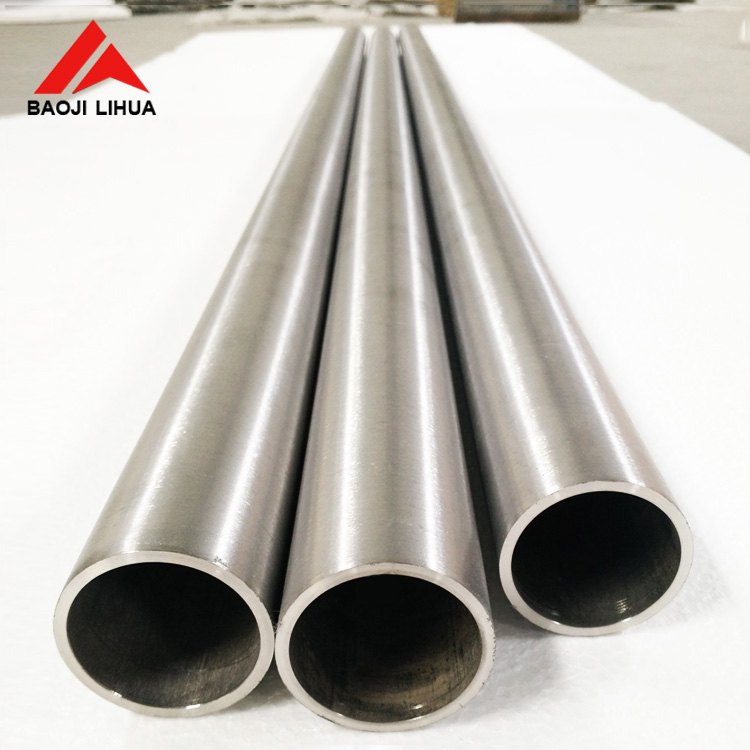
Manufactured under strict ISO 9001 quality controls in Baoji's Titanium Valley, delivering full traceability and certified mechanical integrity to European and Ukrainian project sites.
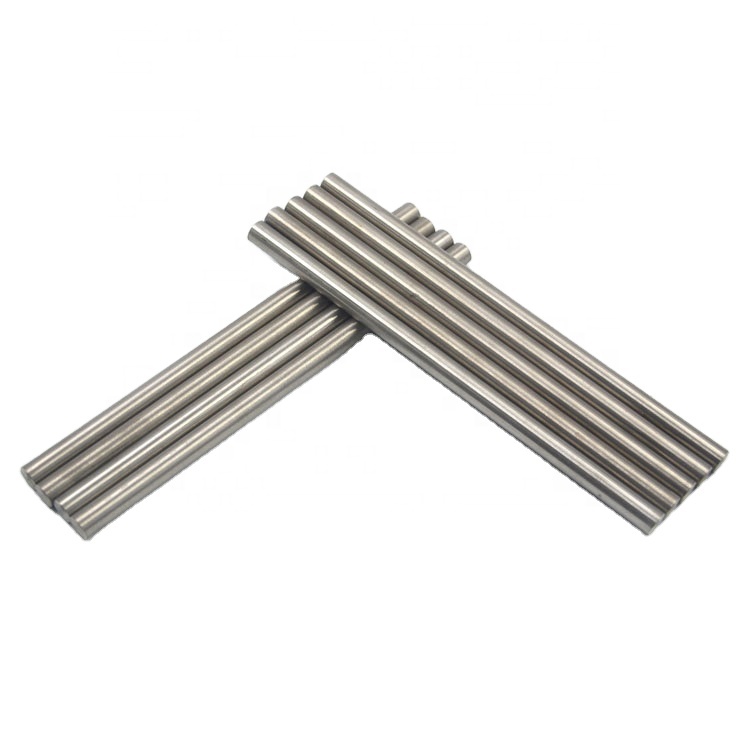
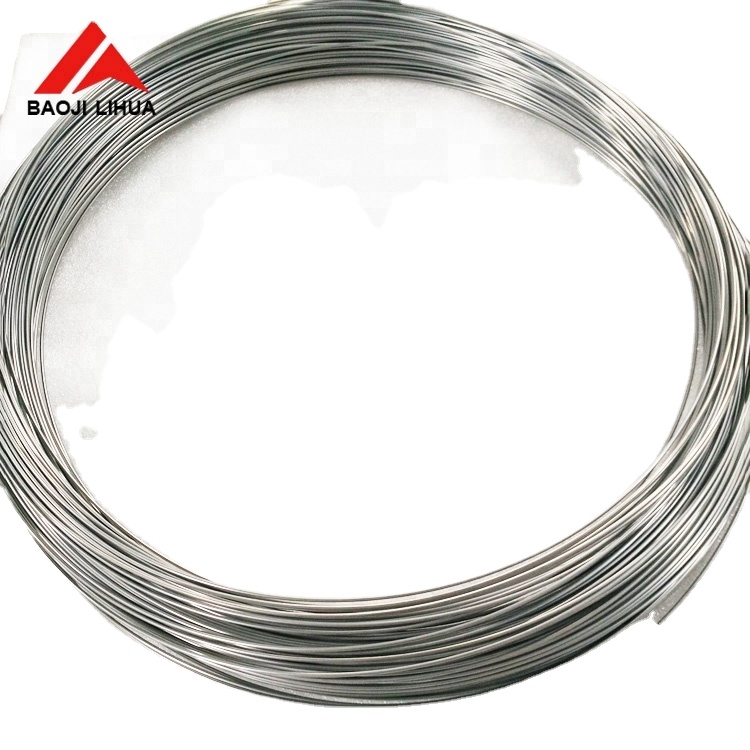
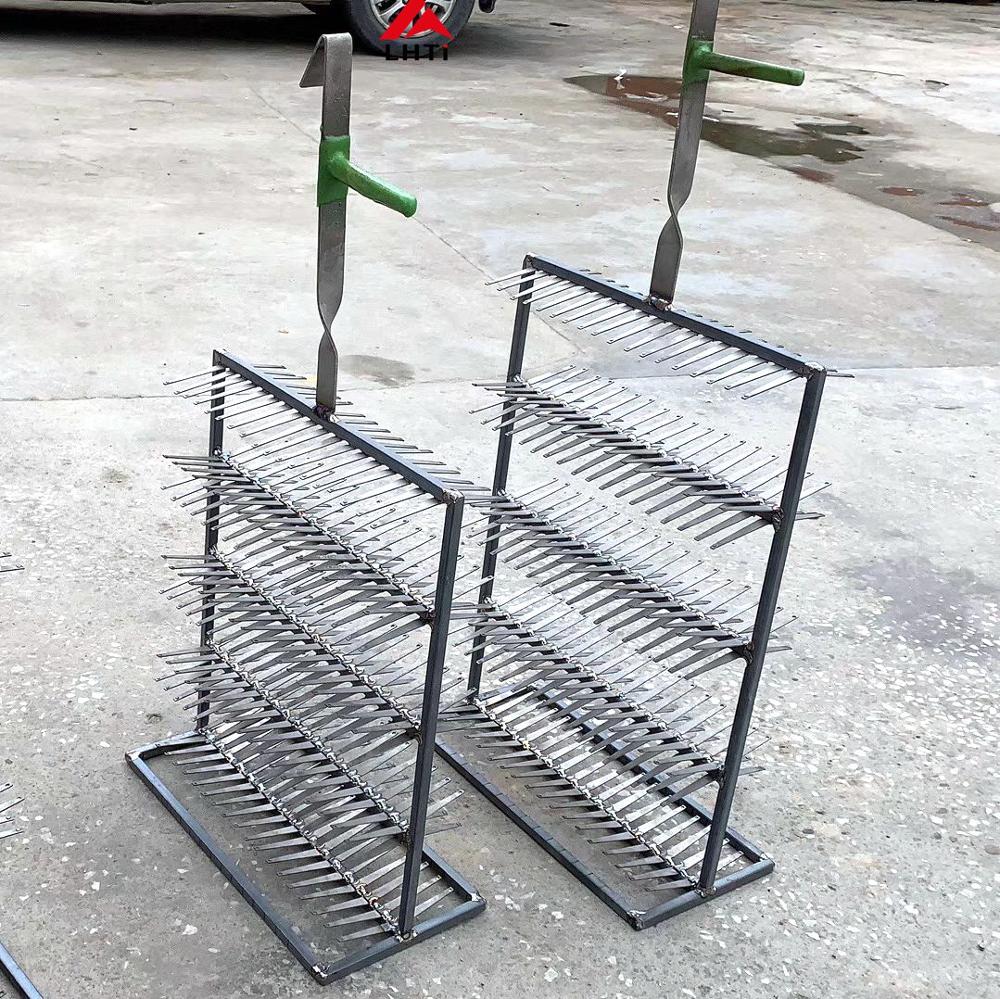
Analyzing critical performance metrics, stress-redistribution mechanics, and metallurgic choices for high-consequence piping networks across Ukraine.
A Weld Neck Flange (WNF) represents the gold standard in high-pressure fluid conveyance. Unlike flat slip-on or socket weld alternatives, a weld neck flange features a long tapered hub that transitions gradually into the matching wall thickness of the connected titanium schedule pipe. This specific geometric design delivers superior stress dissipation under dynamic thermal cycling, water hammer, and cyclic mechanical bending—eliminating the localized stress concentrations that trigger fatigue fractures in severe environments.
For procurement directors and systems engineers across Kyiv and the broader Kyiv Oblast, transitioning from standard austenitic stainless steels (such as AISI 304 or 316L) to Commercially Pure Titanium (ASTM B381 F-2) or Titanium Grade 5 (Ti-6Al-4V, UNS R56400) provides decisive longevity dividends. In district heating modernizations, metallurgical process lines, and municipal infrastructure renewal, titanium eliminates chloride-induced pitting, galvanic decay, and stress corrosion cracking (SCC) even in low-quality cooling waters and aggressive chemical mediums.
Thermal power plants (CHPs) and localized boiler plants in Kyiv require flange assemblies capable of enduring severe temperature variations and dissolved solids without scale accumulation.
The chemical processing corridor surrounding the Dnipro basin handles concentrated nitric, sulfuric, and organic acid streams that rapidly destroy nickel alloys and stainless steels.
Subterranean water pumping stations, municipal potable supply loops, and backup utility conduits benefit from zero-maintenance titanium weld neck assemblies.
Selecting the optimal titanium grade per ASTM B381 and ASME B16.5 standards for project deployments in Kyiv.
| Alloy Grade | UNS Standard | Tensile Strength (Min) | Yield Strength (Min) | Recommended Industrial Scope in Ukraine |
|---|---|---|---|---|
| Titanium Gr. 1 | UNS R50250 | 240 MPa | 170 MPa | Deep-drawn low-pressure plate flanges, cryogenic fluid conduits, electrolytic cells. |
| Titanium Gr. 2 | UNS R50400 | 345 MPa | 275 MPa | Industrial workhorse. Ideal balance of weldability, formability, and chemical passivity for Kyiv district heating. |
| Titanium Gr. 5 | UNS R56400 | 895 MPa | 828 MPa | High-stress structural piping, extreme pressure hydraulic manifolds, aerospace test installations. |
| Titanium Gr. 7 | UNS R52400 | 345 MPa | 275 MPa | 0.15% Palladium addition. Extreme crevice corrosion resistance in reducing chloride acid solutions. |
| Titanium Gr. 12 | UNS R53400 | 483 MPa | 345 MPa | 0.3% Mo + 0.8% Ni. High-temperature resistance exceeding CP grades at lower cost than palladium alloys. |
Understanding shifting technical requirements, modernization capital outlays, and logistical pivots in the Ukrainian industrial market.
Ukrainian state enterprises and private engineering groups are transitioning away from sacrificial carbon steel and short-lived stainless steels. With plant rebuild budgets focused on 30+ year service lives without outage penalties, titanium's higher initial capex is offset within 3 to 5 years via zero maintenance.
Engineering documentation in Kyiv increasingly demands dual-certified flanges: ASME B16.5 alongside EN 1092-1 Type 11 (PN16, PN25, PN40). Importers require dual-marked weld neck flanges to integrate seamlessly with both legacy Soviet piping and newly imported EU heat exchangers.
Supply chain reliability to Kyiv relies on direct multi-modal transit corridors via logistics hubs in Poland and Romania. Jovzi Titanium facilitates sea-to-rail and dedicated road freight directly to forwarders in Kyiv, accompanied by EUR1 and complete customs documentation.
Rooted in Baoji—China's Titanium Valley—since 2006, Jovzi combines ingot metallurgy, high-tonnage die-forging, and precision CNC turning with unyielding quality certification.
Every shipment is delivered with an EN 10204 3.1 Mill Test Certificate. Chemical, ultrasonic, and mechanical validation can be cross-verified by the accredited BaoTi Test Center.
Flange blanks undergo controlled multi-directional hydraulic forging rather than cut plate machining. This aligns grain boundary direction along the weld neck hub, maximizing rupture resistance.
Our machining facility operates 4-axis and 5-axis CNC lathes producing gasket phonographic serrated finishes (Ra 3.2–6.3 µm) and precise bevel angles conforming to ASME B16.25 standards.
Specialized export packaging including vacuum moisture barriers, anti-scratch end covers, and seaworthy fumigated timber crates configured for long-distance transport into Kyiv.
Answers to common questions regarding flange welding compatibility, customs clearance, and testing standards.
Yes. Titanium weld neck flanges fabricated to ASTM B381 Grade 2 (UNS R50400) weld directly to ASTM B338 / B861 Grade 2 pipes or equivalent GOST VT1-0 / VT1-00 titanium lines. It is essential to use Grade ERTi-2 titanium filler wire (AWS A5.16) under 99.999% high-purity argon shielding with both trailing and root backing shields to prevent atmospheric embrittlement (oxygen, nitrogen, and hydrogen absorption) during welding.
We manufacture Raised Face (RF), Flat Face (FF), and Ring-Type Joint (RTJ) facings. For raised face flanges, we apply either a concentric serrated or spiral serrated phonographic finish with a surface roughness between Ra 3.2 to 6.3 µm (125 to 250 µin) in accordance with ASME B16.5, ensuring optimal gasket retention under thermal cycling.
Every shipment is accompanied by complete documentation for Ukrainian customs clearance and engineering sign-off: EN 10204 Type 3.1 inspection certificate stating exact melt heat numbers, quantitative chemical analysis, mechanical property test data (tensile, yield, elongation), ultrasonic non-destructive testing (NDT) reports, commercial invoice, packing list, and Certificate of Origin.
Standard production runs for forged and CNC-machined titanium weld neck flanges range from 15 to 25 business days depending on nominal diameter and pressure class. Urgent express air freight to European hubs (Warsaw or Budapest) with cross-border ground transport into Kyiv typically takes 7 to 10 days, while regular multi-modal rail/truck transit ranges from 25 to 35 days.
All flanges undergo 100% dimensional verification using calibrated digital CMM (Coordinate Measuring Machines) and laser micrometers. Critical metrics including flange hub thickness, weld bevel geometry (37.5° ± 2.5° per ASME B16.25), bolt hole pitch circle diameter (PCD), and gasket face flatness are documented in final pre-shipment inspection sheets.
Connect directly with our engineering sales group. Send your technical drawings (CAD, DWG, PDF), bill of materials, or RFQ specifications. We provide complete technical evaluations and commercial quotations within 8 working hours.