Featured Titanium & Advanced Alloy Solutions
Seamlessly integrated titanium alloy rods, precision pipe fittings, structural sheets, and custom anodizing assemblies configured for harsh marine and chemical operating environments in Hai Phong.
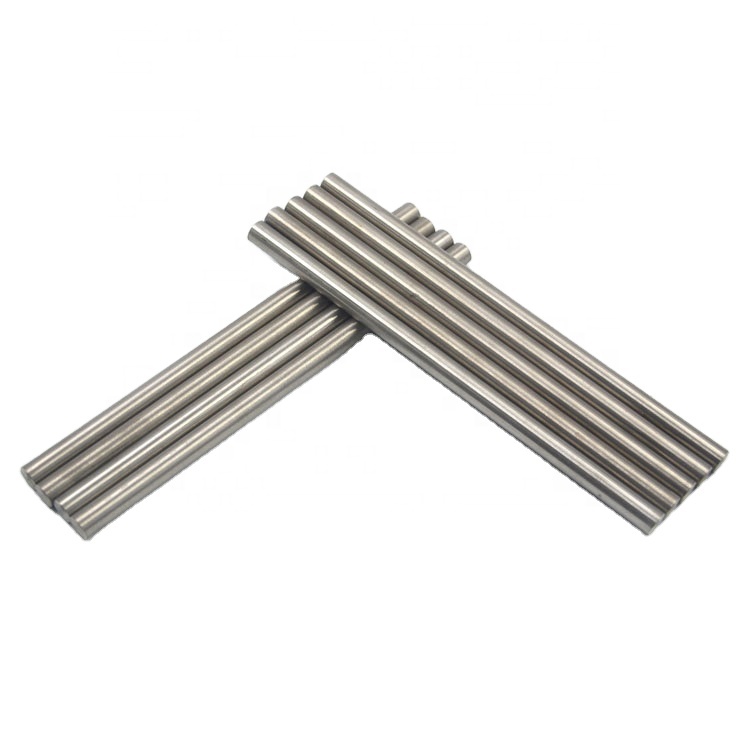
- Alloy Grade: NiTi Shape Memory
- Tensile Strength: ≥ 850 MPa
- Applications: Actuators & Subsea Sensors
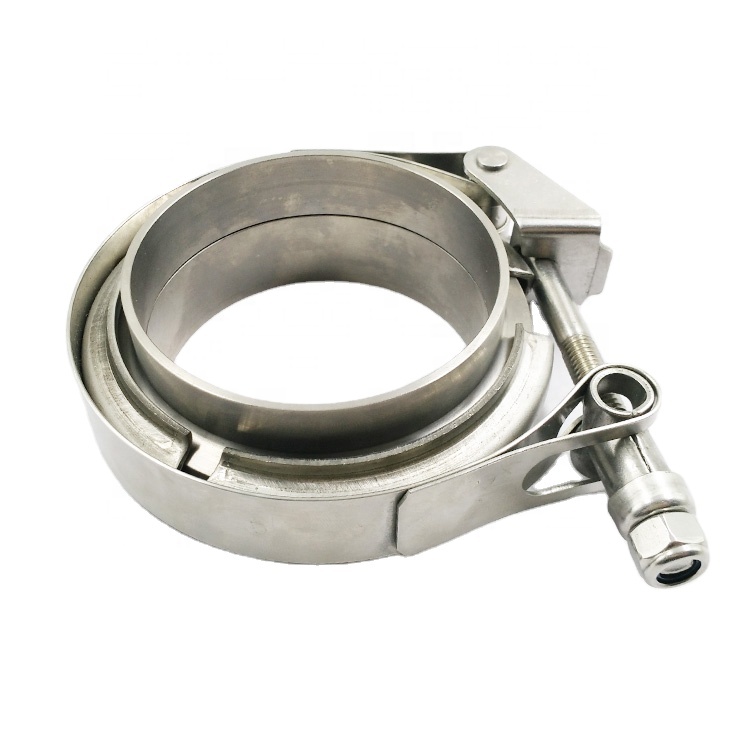
- Material: ASTM Gr1 / Gr2 CP Titanium
- Size Range: 2.0" to 5.0" ID
- Pressure Seal: High Exhaust & Marine Line
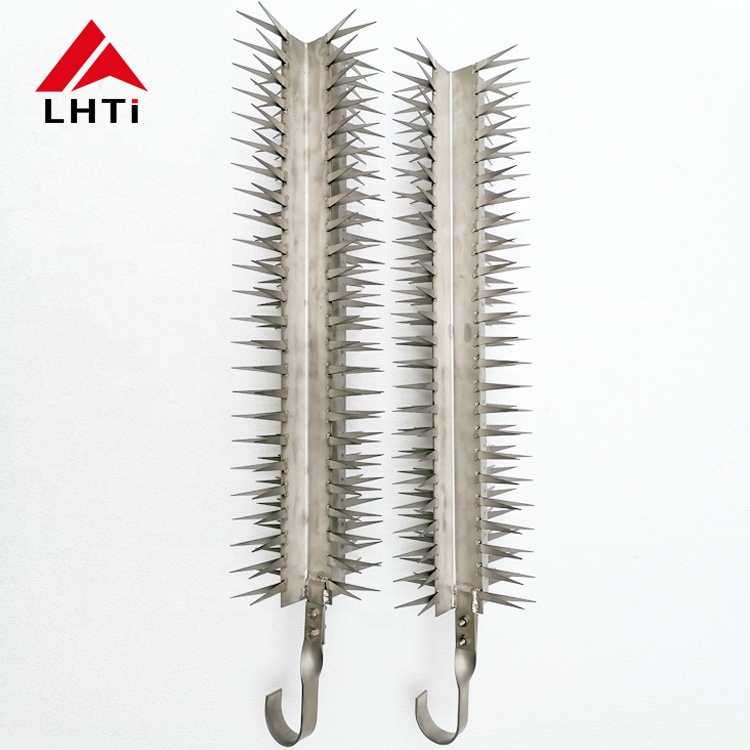
- Standard: Custom CAD/CAM Drawing
- Conductivity: Optimized Uniform Contact
- Chemical Resistance: Acid / Alkaline Immersion
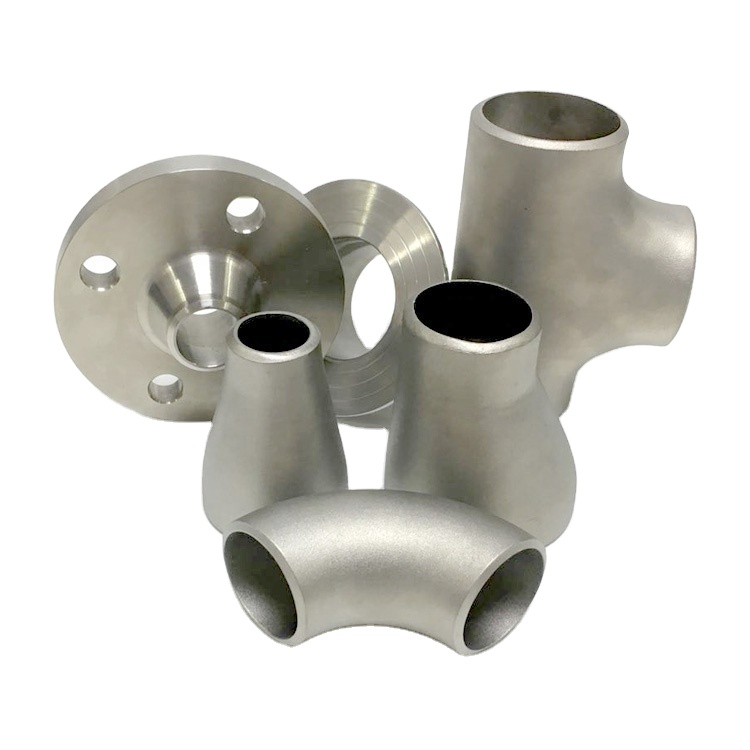
- Design Spec: ASTM B363 / ASME B16.9
- Process: Cold Formed & Annealed
- Piping Application: Desalination & Brine Lines
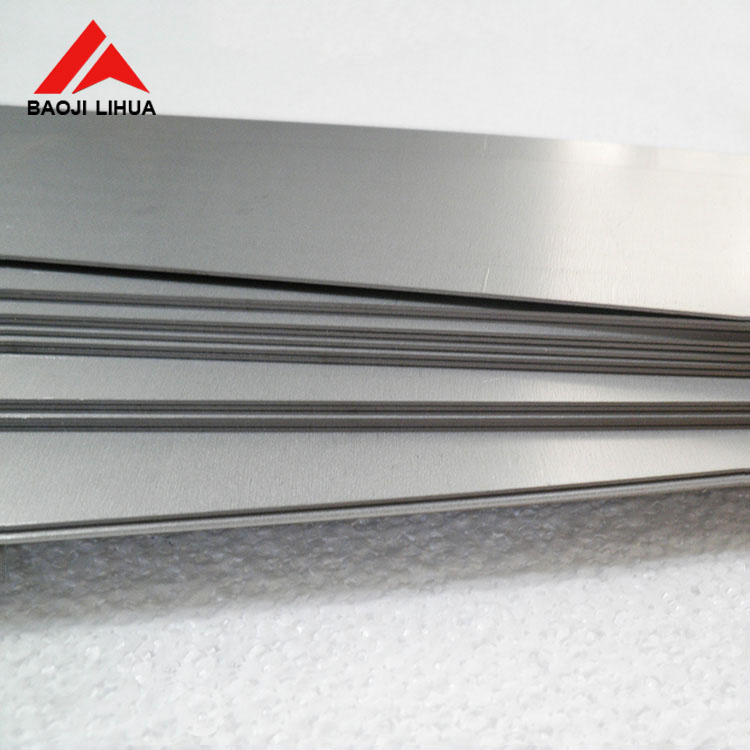
- Specification: ASTM B265 / AMS 4911
- Finish: Bright Polished, Pickled
- Thickness: 1.0 mm to 50 mm Mill Stock
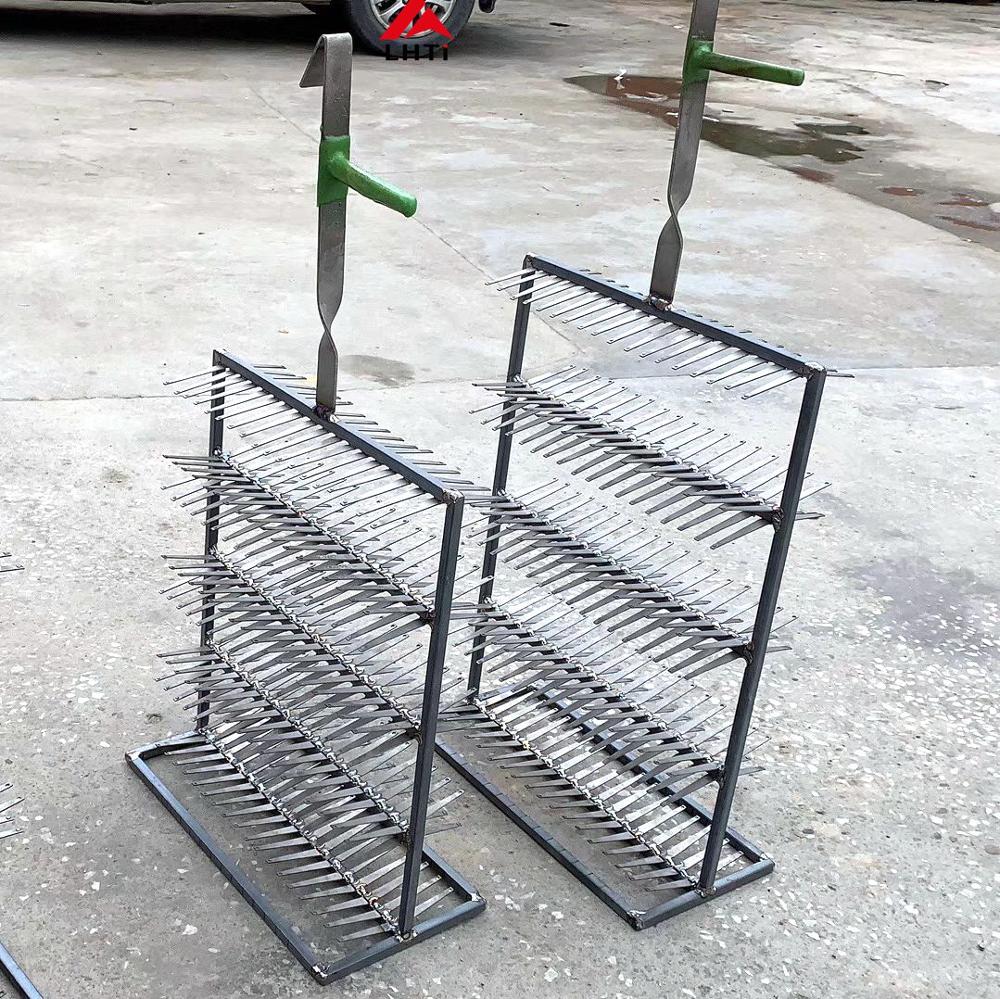
- Construction: Precision TIG Welded Gr2
- Durability: Anti-Corrosive Anodic Service
- Electrolyte Life: Zero Metallic Leaching
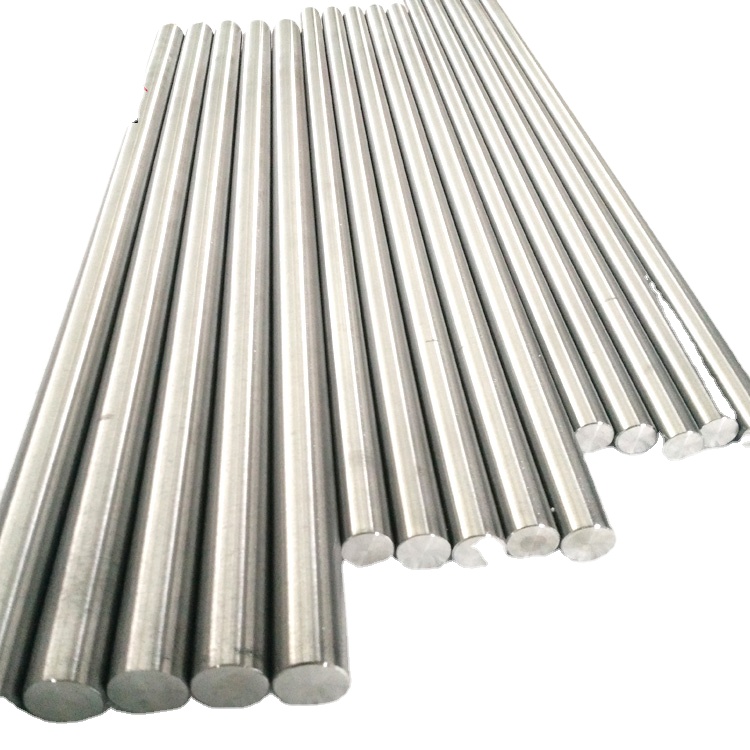
- Tensile Grade: Ti-6Al-4V Grade 5
- Yield Strength: ≥ 828 MPa
- Condition: Hot Rolled / Centerless Ground
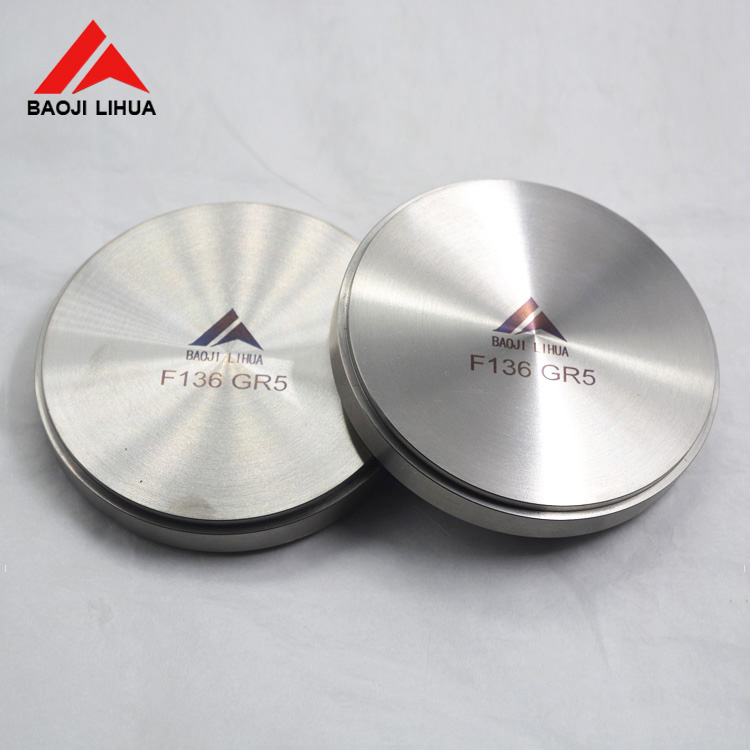
- Standard: ASTM F136 / ISO 5832-3
- Purity: Extra Low Interstitial (ELI)
- Biocompatibility: High Purity Ultrasonic Tested
High-Purity Titanium Welding Wire & Filler Rod Dynamics
A technical guide to AWS A5.16 filler metal selection, weld pool shielding thermodynamics, and galvanic prevention in coastal Vietnamese industrial ecosystems.
Titanium welding requires metallurgical cleanliness and stringent atmospheric protection beyond typical non-ferrous manufacturing. As heavy manufacturing, industrial marine yards, and petrochemical processing infrastructure expand across Hai Phong—notably centered in industrial corridors such as the DEEP C Industrial Zones, VSIP Hai Phong, and the Dinh Vu Port Complex—the demand for certified titanium welding rods (AWS A5.16 / ASME SFA-5.16) has increased. High atmospheric humidity combined with maritime salt spray presents severe technical challenges for gas tungsten arc welding (GTAW/TIG) and gas metal arc welding (GMAW/MIG) of titanium alloys. Interstitial contamination from oxygen, nitrogen, and hydrogen at temperatures exceeding 427°C (800°F) quickly leads to weld metal embrittlement, catastrophic cracking, and loss of corrosion passivity.
Jovzi Titanium supplies straight filler rods (typically 914 mm or 1000 mm lengths) and precision-layer wound spools engineered specifically to resist mechanical embrittlement. Through advanced vacuum arc remelting (VAR) processes conducted directly at our Baoji facilities, our welding wire features closely managed interstitial levels (C ≤ 0.03%, O ≤ 0.10%, N ≤ 0.02%, H ≤ 0.008%), ensuring that marine shipbuilders and chemical vessel fabricators achieve weld seams that match or exceed the parent metal’s toughness and corrosion threshold.
| AWS A5.16 Grade | UNS Number | Yield Strength Min. (MPa) | Tensile Strength Min. (MPa) | Elongation (%) | Primary Industrial Application in Hai Phong |
|---|---|---|---|---|---|
| ERTi-1 | R50100 | 170 | 240 | 24 | Desalination tube sheets, explosive clad plates, chemical vessel liners |
| ERTi-2 | R50400 | 275 | 345 | 20 | Shipboard piping, seawater heat exchangers, coastal water ballast valves |
| ERTi-5 (Ti-6Al-4V) | R56400 | 828 | 895 | 10 | High-stress marine driveshafts, structural aerospace components, racing frames |
| ERTi-7 (Ti-0.15Pd) | R52400 | 275 | 345 | 20 | High-temperature acidic chloride reactors, offshore oil & gas production |
| ERTi-9 (Ti-3Al-2.5V) | R56320 | 483 | 620 | 15 | Marine hydraulic line piping, offshore subsea riser coils, motorsport tubing |
| ERTi-12 (Ti-Mo-Ni) | R53400 | 345 | 483 | 18 | High-temperature brine distillation columns, chemical processing condensers |
Hai Phong Industrial & Maritime Application Scenarios
Engineered metallurgy meeting the rigorous environmental and mechanical standards of Northern Vietnam’s primary maritime hub.
Shipbuilding & Marine Drydocks
Hai Phong hosts premier state-owned and international shipbuilding yards along the Cam River and Lach Huyen Deep-Sea Port. Our ERTi-2 and ERTi-5 welding rods provide zero-corrosion joint integrity on seawater intake trunks, titanium-clad hull sections, scrubber washwater discharge lines, and cavitation-resistant propeller shaft sleeves exposed continuously to brackish, sediment-rich Gulf of Tonkin water.
Petrochemical & Dinh Vu Terminal Piping
Processing plants in the Dinh Vu-Cat Hai Economic Zone handle aggressive halogenated hydrocarbons and sulfuric compounds. Using Jovzi ASTM B363 titanium reducers, ASME B16.5 plate flanges, and ERTi-7 welding wire prevents transgranular stress-corrosion cracking (SCC) common in standard austenitic stainless steels, avoiding unscheduled outages during refining processes.
Anodizing & Surface Treatment Plants
The electronics manufacturing supply chain across VSIP Hai Phong and Trang Due Industrial Park depends on specialized finishing racks. We supply Grade 2 titanium jig hangers and frames that resist aggressive chromic, nitric, and sulfuric acid baths, reducing anodizing downtime while ensuring clean electrical transfer and long tooling life.
Hai Phong Industrial Expansion & Titanium Demand Drivers
Strategic integration of high-grade non-ferrous metals within Vietnam’s National Master Plan for Maritime Economy toward 2030.
Vietnam’s commitment to modernizing maritime and petrochemical infrastructure has transformed Hai Phong into a tier-one logistics and heavy-industry gateway. As global manufacturers diversify their supply chains into Northern Vietnam, equipment design standards have shifted from low-cost iron and copper alloys toward light, high-strength titanium alloys. Three market-driven trends shape this transition:
1. Strict Maritime Scrubber & Ballast Water Compliance: International Maritime Organization (IMO) Tier III sulfur caps and Ballast Water Management Conventions (BWMC) require commercial vessels built or retrofitted in Hai Phong shipyards to use highly corrosion-resistant materials. Titanium piping and ERTi-2 filler rods have become the engineering standard for exhaust gas cleaning systems (EGCS) and electro-chlorination ballast systems, where acidic washwater rapidly deteriorates lower-grade stainless steels like 316L.
2. Transition to Advanced Offshore Renewable Energy: With extensive nearshore and offshore wind energy developments planned off the coast of Bach Long Vi and the Northern Gulf, structural fabricators require high-fatigue titanium materials (such as Grade 5 and Grade 9) to protect subsea cable conduit connectors, cathodic protection systems, and tidal telemetry housings against accelerated marine pitting.
3. Advanced High-Tech Manufacturing Ecosystems: The influx of multinational electronics and medical device assembly plants in Hai Phong requires dependable suppliers for specialty alloys, including superelastic NiTi Nitinol wire and medical-grade ASTM F136 titanium discs, supporting precision localized fabrication without long transit delays from European distribution centers.
Manufacturing Capabilities & Supply Reliability
Direct from Baoji, China's Titanium Valley — bringing ISO 9001:2015 certified metallurgy, extensive forging resources, and export experience to engineering projects across Vietnam.
Baoji Mill Integration
Founded in 2006 in Baoji, Shaanxi—the hub of China's titanium refining infrastructure—Jovzi Titanium maintains stable sponge procurement, vacuum arc remelting capacity, and precise multi-pass cold wire drawing operations, delivering consistent, dependable alloy chemistry.
Complete MTC 3.1 Traceability
Every shipment of welding wire, rod, flange, and bar is documented with an EN 10204 3.1 Mill Test Certificate. We verify chemical compositions (interstitial hydrogen, nitrogen, oxygen analysis) and mechanical values, with third-party testing available through the BaoTi Test Center.
Rapid Sea & Land Logistics
With direct logistics lanes linking inland rail corridors to Hai Phong Port (via coastal sea freight and border transit through Pingxiang/Lang Son), Jovzi offers flexible Incoterms (CIF Hai Phong, FOB Qingdao/Tianjin, or DDP) with typical production turnarounds under 15 working days.
Hai Phong Sourcing FAQ for Titanium Welding Consumables
Clear, practical answers addressing common shielding gas, alloy matching, documentation, and import questions encountered by Vietnamese procurement teams.
What shielding gas purity is mandatory when welding titanium using ERTi rods in high-humidity coastal environments?
Can AWS ERTi-2 filler rod be used to weld Grade 5 (Ti-6Al-4V) components together?
What are the MOQ terms and packaging options for titanium welding wire shipments to Hai Phong?
How does Jovzi ensure titanium welding wire is free of surface drawing lubricants and hydrogen contamination?
What documents are provided to clear titanium consumables through Hai Phong customs smoothly?
Connect Directly With Jovzi Metallurgical Engineers
Have an upcoming maritime fabrication, chemical piping, or refinery overhaul project in Hai Phong? Our technical sales engineers provide fast, drawing-specific quotes, custom alloy guidance, and sample rods for qualification testing.