Featured Titanium Materials & Cladding Components
High-integrity titanium mill stock, explosion-welded claddings, and precision flow controls engineered to ASTM B265, ASTM B898, ASME SB-381, and EN 10204 3.1 inspection protocols.
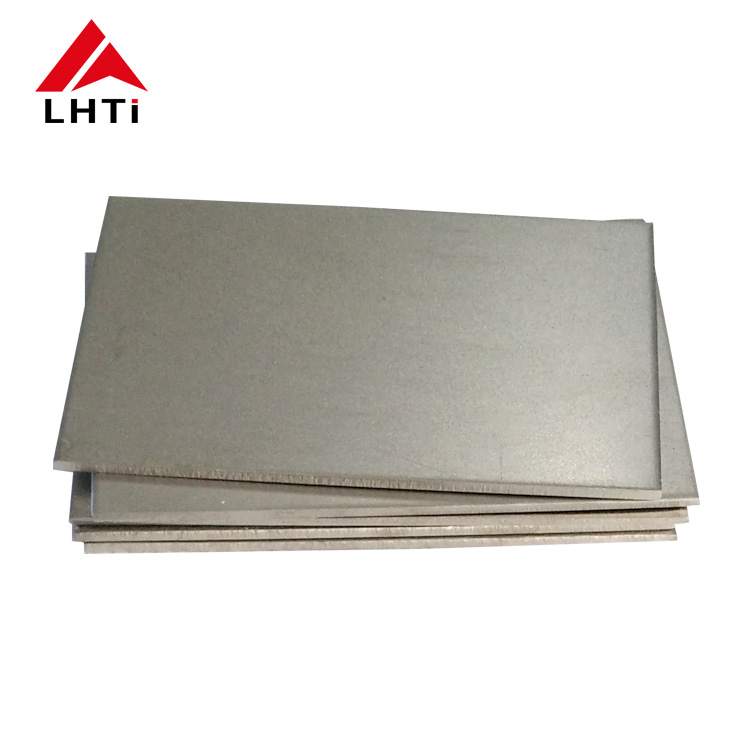
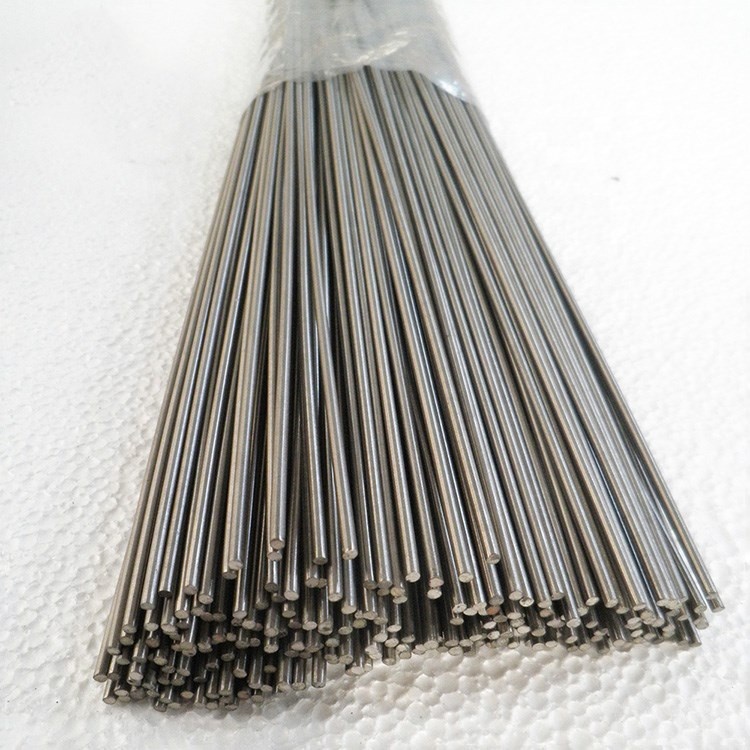
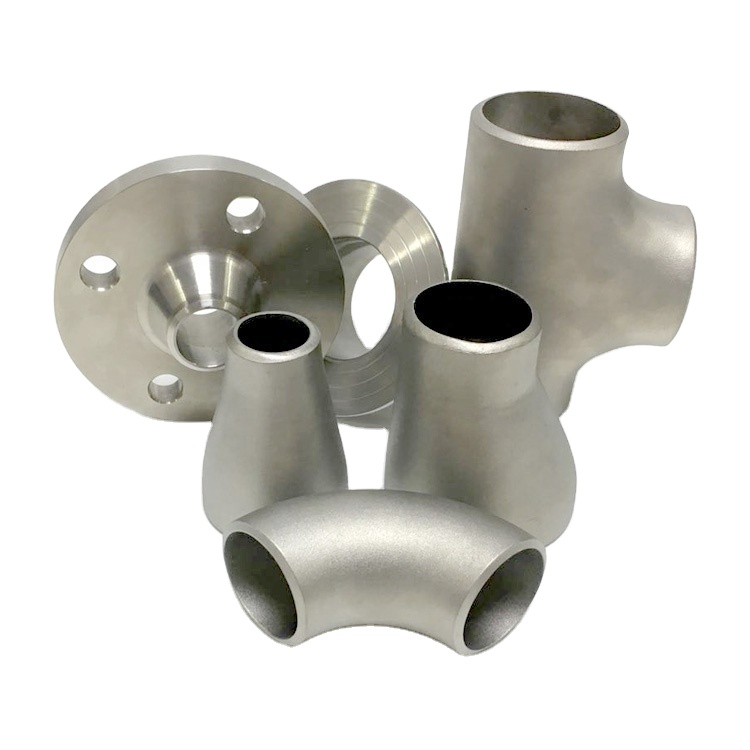
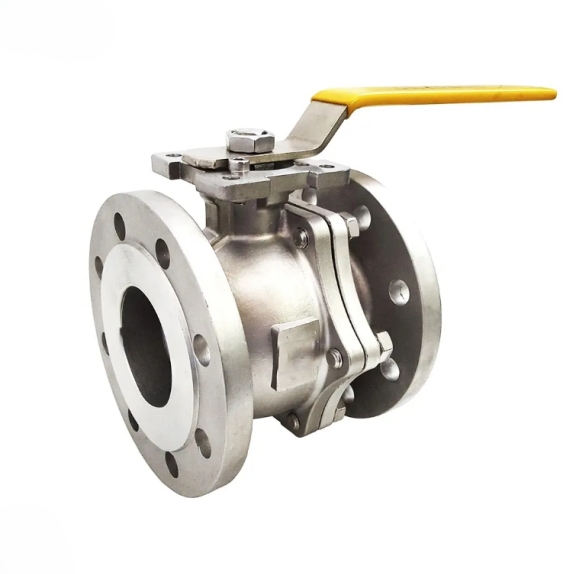
The Metallurgical Imperative of Titanium Clad Plates in Valencia's Heavy Industry
In modern chemical plant fabrication, desalination reactor design, and offshore marine engineering across the Mediterranean coast of Spain, material engineers face an unyielding thermodynamic challenge: balancing absolute resistance against aggressive chloride-induced pitting with the capital expenditure constraints of thick-walled pressure equipment. Pure solid titanium (such as ASTM B265 Grade 1 or Grade 2) provides virtually infinite service life in hyper-saline and chlorinated media due to the spontaneous formation of a dense, self-healing rutile-anatase titanium dioxide (TiO2) passive film. However, constructing high-pressure shell-and-tube heat exchangers, brine concentrators, or terephthalic acid (PTA) reactors purely out of solid titanium plates exceeding 25 mm to 60 mm in wall thickness is financially prohibitive.
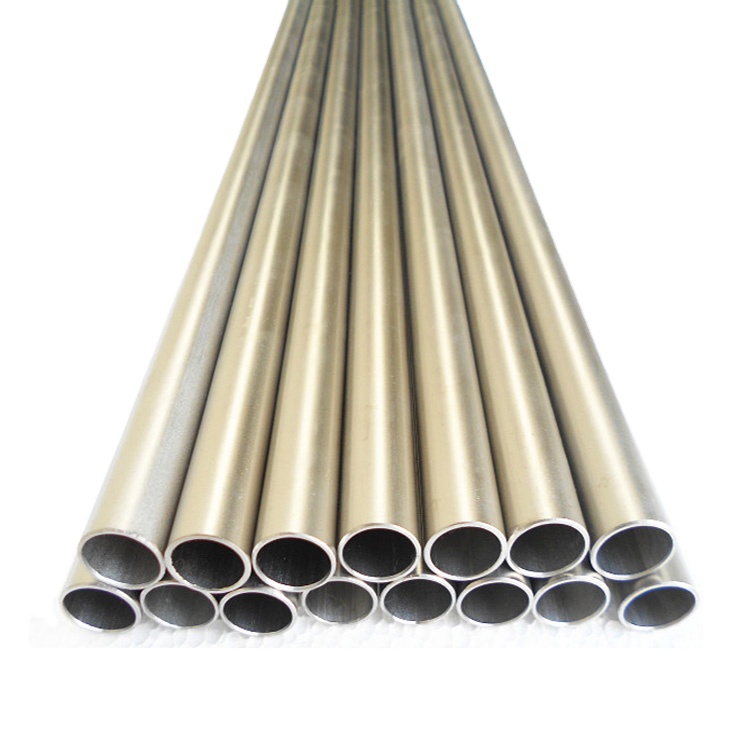
This operational dilemma is permanently solved by titanium composite plates (also known in industrial procurement as titanium clad steel plates, or chapas de titanio cladas). By metallurgically bonding a thin corrosion-resistant titanium veneer (typically 1.5 mm to 4.0 mm of ASTM B265 Gr1, Gr2, or palladium-stabilized Gr7) onto an economical, high-strength structural backing plate (such as ASME SA516 Gr70 carbon steel, 16Mo3 alloy steel, or 316L austenitic stainless steel), process engineers achieve the identical surface passivity of titanium while relying on the heavy carbon steel substrate to withstand hoop stress, mechanical vibrations, and internal operating pressures exceeding 40 bar.
Across the Valencian Autonomous Community—ranging from the chemical industrial port of Puerto de Sagunto to the petrochemical transport terminals at Port of Valencia and the intense ceramic glaze and frit chemical synthesis corridor in Castellón—titanium composite plates represent an irreplaceable engineering asset. As Valencian industrial operators adapt to strict European Union decarbonization targets, water recycling mandates, and life-cycle asset optimization, selecting a verified supplier capable of providing documented material test certificates (MTC EN 10204 3.1 / 3.2) is the single most critical decision in capital procurement.
Top 10 Titanium Composite Plate Suppliers & Exporters Serving Valencia
A rigorous metallurgical, logistical, and technical capability assessment of mill exporters, stockists, and fabricators supplying the Valencian Mediterranean basin.
Jovzi Titanium Industry
Headquartered in Baoji (China's Titanium Valley) with 19+ years direct European export history. Specialized in heavy explosion-bonded titanium clad plates (Gr1/Gr2 on SA516 Gr70), heat exchanger tube sheets, and ASME B16.5 titanium flanges. Full traceability with BaoTi Test Center certification.
IberInox Metales Valencia
Prominent regional stockholder located near the A-7 Mediterranean logistics axis, supplying cut-to-size titanium sheets, tubes, and duplex alloys for port repair and coastal chemical installations throughout Sagunto and Valencia.
Bamesa Clad & Stainless
Large-scale Iberian steel service group operating cutting and slitting centers. Distributes specialty composite plates, stainless claddings, and titanium clad plate blanks for structural pressure vessel fabricators in Eastern Spain.
Thyssenkrupp Materials Spain
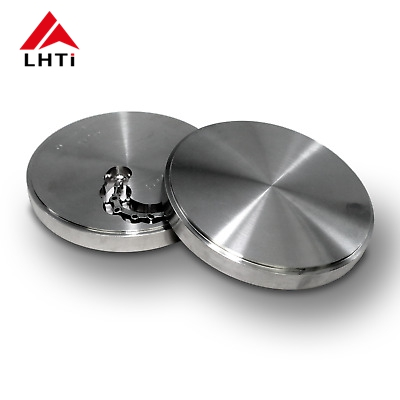
Global multi-metal supplier with a major distribution facility serving Valencia and Alicante. Provides high-end aerospace titanium bars, medical Ti discs, and engineered cladded plate project procurement packages.
Titania Clad Technologies
Specialized engineering firm focusing on dynamic explosion cladding technology, high-energy explosive bonding of non-ferrous metals to carbon steel, and explosive transition joints for marine shipbuilding.
Sagunto Tubular & Plate Hub
Positioned directly in the Port of Sagunto industrial zone, specializing in heavy maritime supply, large-diameter titanium cladded piping spools, and brine discharge headers for Mediterranean desalination projects.
Comindex Specialty Metals
Technical distributor supplying corrosion-resistant alloys, titanium reaction vessel linings, and composite sheet materials directly to the Castellón-Valencia chemical frit and specialty polymer synthesis industries.
NobelClad European Logistics
Global leader in explosion-welded clad plates. Operates extensive project supply pipelines across Southern Europe, supplying ASME SB-898 compliant titanium-steel plates for refinery desulfurization units.
Levante Forged Alloys
Regional procurement partner based in Paterna, supplying forged titanium rings, tube sheets, blind flanges, and custom cladded blanks for marine propulsion repair, valves, and water purification autoclaves.
Baoji Titanium Export Alliance
Integrated manufacturing trade body representing primary titanium sponge reduction, ingot melting, and explosive cladding mills in Shaanxi, delivering high-volume plate shipments to CIF Valencia and Algeciras ports.
Technical Specification & Bonding Comparison Matrix
Parametric analysis of titanium cladding methods and baseline standards enforced for Valencian pressure vessel fabrication.
| Cladding Technology | Primary Specifications | Interfacial Shear Strength | Bonding Ratio (ASTM A578) | Base Metal Compatibility | Typical Application Sector |
|---|---|---|---|---|---|
| Explosion Welding (EXW) | ASTM B898, ASME SB-898, EN 13134 | 160 – 210 MPa (Exceeds >140 MPa min) | >98% Class A (Total metallurgical bond) | Carbon steel (SA516), Cr-Mo, Stainless steel | High-pressure desalination headers, PTA reactors, chemical columns |
| Hot Roll Bonding (HRB) | JIS G3603, GB/T 8547 | 140 – 170 MPa | >95% Class B | Low-carbon structural steels (requires vacuum pack) | Flue gas desulfurization (FGD) absorber ducts, chimney linings |
| Loose Titanium Lining | Non-bonded fabrication | 0 MPa (Mechanical fit only) | 0% (Physical air gap exists) | Any load-bearing shell | Atmospheric storage tanks, low-temperature brine basins |
| Jovzi Optimized Cladding | ASTM B898 / ASME SEC VIII Div 1 | 185 – 225 MPa (Cold-wavy interface) | >99.5% Class A Ultrasonic | SA516 Gr70, SA387 Gr11, 316L, Copper C11000 | Valencia port brine evaporators, Sagunto chlor-alkali exchangers |
Key Application Scenarios in the Valencian Industrial Corridor
Targeted engineering solutions custom-matched to the environmental and industrial realities of the Iberian Mediterranean coastline.
Reverse Osmosis & Thermal Desalination (SWRO)
The Valencian coastline houses several of Europe's largest seawater desalination assets (such as facilities at Sagunto, Torrevieja, and Moncofa). Titanium composite plates form the non-corroding tube sheets, high-pressure brine headers, and flash evaporator chambers that withstand concentrated seawater brine up to 70,000 ppm TDS without pitting or crevice corrosion.
Chemical Synthesis & Frit Glaze Processing
In the industrial zone of Castellón and Northern Valencia, ceramic frits, inorganic pigments, and chemical glaze producers utilize aggressive metal-chloride leach circuits, nitric acid digestions, and high-temperature calcination scrubber systems. Titanium composite reactor shells offer life expectancies exceeding 25 years where nickel alloys and duplex steels fail due to chloride stress cracking.
Maritime Port Logistics & Liquefied Gas Infrastructure
The Port of Valencia and the energy terminal at Sagunto process massive volumes of Liquefied Natural Gas (LNG) and maritime fuel bunkering. Titanium composite plates and seamless CP titanium piping systems are installed in seawater-vaporizer units, submerged-combustion vaporizers (SCV), and shipboard exhaust gas scrubbers (EGS) to comply with IMO Tier III sulfur emission rules.
Industrial Evolution: Why Valencia is Shifting to Titanium Clad Technologies
Historically, engineering contractors throughout the Iberian Peninsula relied on high-molybdenum austenitic stainless steels (such as 254 SMO) or nickel-chromium alloys (Hastelloy C-276, Inconel 625) for equipment handling chlorinated brine and hot sulfur-rich gases. Over the past decade, however, volatile London Metal Exchange (LME) nickel pricing and increasing operational temperatures in Mediterranean process plants have catalyzed a rapid technological transition toward explosion-bonded titanium composite plates.
Three distinct economic and regulatory trends dominate the current procurement landscape in Valencia:
- Stricter European Pressure Equipment Directive (PED 2014/68/EU): European vessel builders must meet stringent fracture toughness and interface non-destructive testing requirements. Explosion-bonded composite plates that produce a continuous metallurgical wave interface—free from brittle intermetallic Fe-Ti compounds (such as FeTi or Fe2Ti)—are now mandated by engineering EPCs such as Técnicas Reunidas and local Valencian fabricators.
- Circular Economy & Carbon Border Adjustment Mechanism (CBAM): Solid heavy alloy vessels require enormous embodied energy to smelt and forge. By reducing the overall titanium requirement by up to 85% through the use of a carbon steel structural backing, equipment carbon footprints drop precipitously while fulfilling EU sustainability goals.
- Direct Port of Valencia Intermodal Efficiency: As the leading container gateway on the Spanish Mediterranean coast, Valencia Port allows direct containerized and break-bulk receipt of heavy clad plates shipped directly from Baoji via high-speed ocean transit, cutting distribution markups from intermediate European continental warehouses.
Frequently Asked Procurement Questions in Valencia
Addressing core regulatory, welding, and metallurgical concerns raised by Spanish plant engineers and purchasing officers.
How do we weld titanium composite plates without brittle intermetallic cracking?
Direct welding of titanium to steel creates extremely brittle iron-titanium phases (FeTi and Fe2Ti) that fracture under thermal cooling stress. Vessel fabricators in Valencia typically utilize a silver or copper interlayer or employ the standard batten strap technique: the base carbon steel is welded from the structural side, back-gouged, and sealed with a silver/copper buffer before a solid titanium cover strap (batten strap) is TIG-welded over the seam to maintain continuous passivity.
What documentation is required for CE marking and PED compliance in Spain?
Every shipment imported into Valencia for pressurized equipment must include an EN 10204 3.1 Inspection Certificate specifying chemical composition, heat numbers for both cladding and base layers, interfacial shear strength tests (ASTM B898), 180° side-bend tests, and 100% ultrasonic bond continuity reports per ASTM A578 Level A or B. Jovzi Titanium also coordinates third-party inspections via Lloyd’s Register, TÜV Rheinland, or SGS upon client specification.
What is the minimum recommended thickness for the titanium cladding layer?
While explosive bonding can achieve thin claddings down to 1.0 mm, pressure equipment engineering codes (ASME Section VIII Div 1 and UNE-EN 13445) generally recommend a minimum nominal cladding thickness of 1.5 mm to 3.0 mm. This allowance accommodates surface dressing, post-weld pickling, abrasive fluid scouring, and ensures that weld preparation does not penetrate the underlying carbon steel base.
What are the standard delivery lead times to Port of Valencia?
Standard inventory items such as ASTM B265 titanium plates, CP Gr2 tubing, and ASME B16.5 flanges dispatch via express air freight within 3 to 7 working days, arriving directly at Valencia Airport (VLC). Engineered explosive clad plate orders—incorporating custom SA516 Gr70 base plates, heat-treatment cycles, roller-leveling, and ultrasonic scanning—are manufactured and shipped via sea freight directly to Port of Valencia within 30 to 45 calendar days.
Why Global & Iberian Engineering Leaders Partner with Jovzi Titanium
Founded in 2006 in Baoji, Shaanxi—universally recognized as China’s Titanium Valley and the manufacturing engine responsible for over 80% of the world's non-ferrous refractory alloys—Jovzi Titanium Industry Co., Ltd. has established an unyielding reputation for metallurgical precision. Backed by 4 senior and 5 intermediate metallurgical engineers, Jovzi turns certified vacuum arc remelted (VAR) titanium ingots into high-tolerance plates, explosion-welded composites, forged rings, and ASME/DIN standard flow systems.
Every composite plate exported to the Valencian region is subjected to 100% non-destructive ultrasonic testing, precision squaring, edge beveling per drawing, and robust seaworthy fumigated wooden crate packaging equipped with moisture-barrier wrapping to prevent atmospheric contamination during ocean transit.