Export Catalog
Precision-Machined Titanium Components for European Buyers
Engineered to satisfy stringent DIN, ASTM, and ASME specifications. Traceable EN 10204 3.1 certification provided with raw billets sourced from Baoji, China.
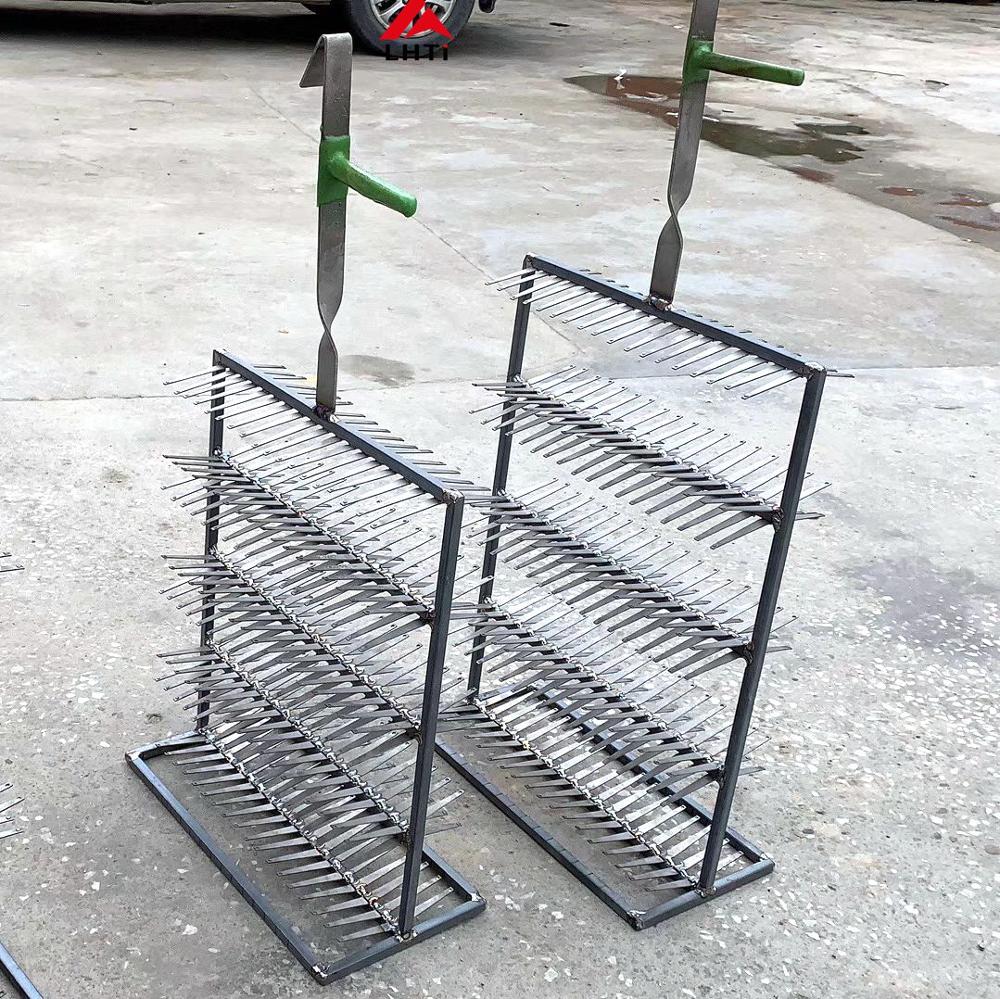
Anodizing Titanium Jig Hanger Rack Frame for Plating
Product Details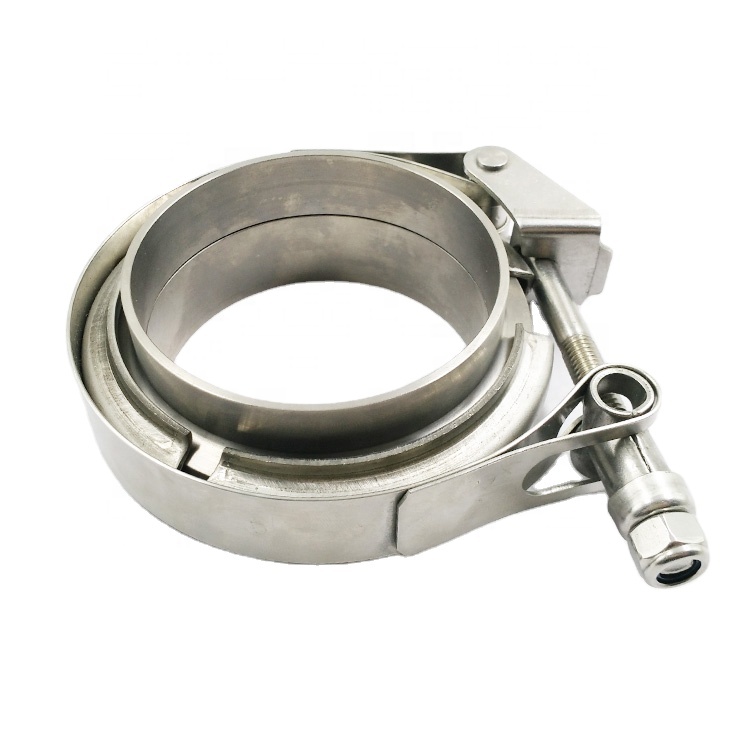
Titanium Gr1 Gr2 2" to 5" V Band Clamp With Male/Female Flanges
Product Details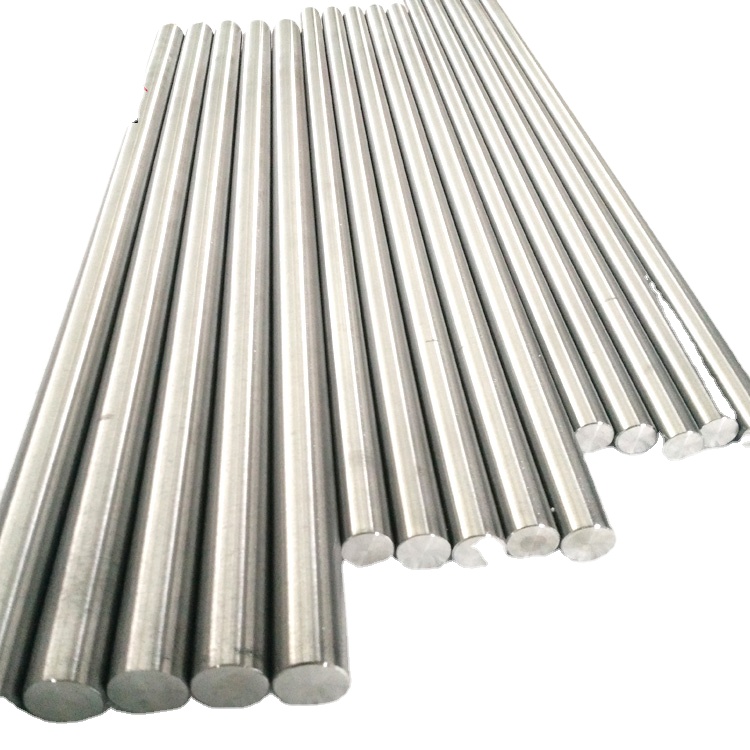
ASTMB348 GR5 Titanium Bar Rod Dia100mm Best Price High Quality
Product Details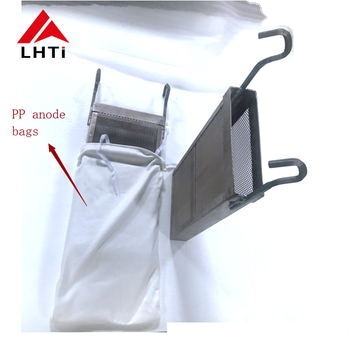
Gr2 Anodising Titanium Basket With PP Anode Bags for Electroplating
Product Details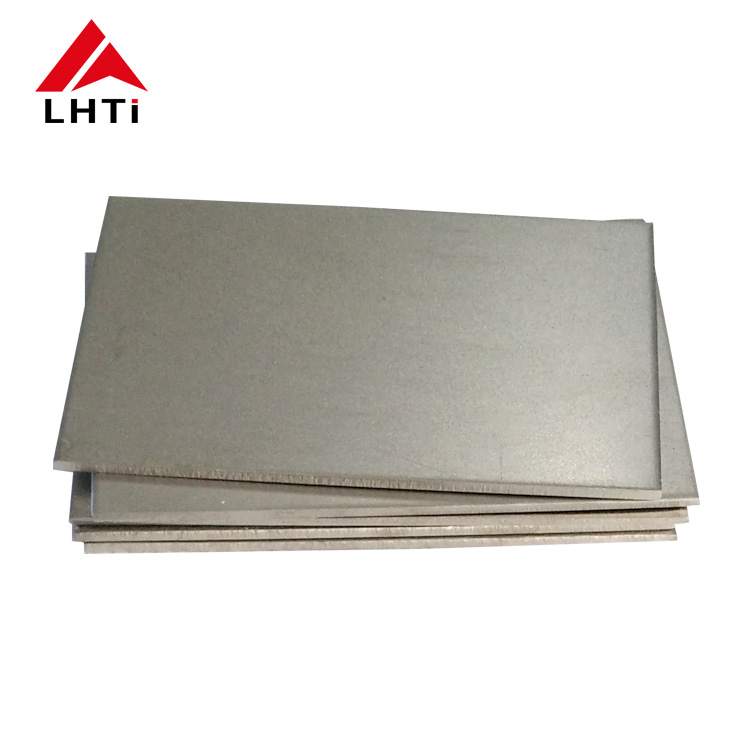
Gr5 Gr2 Titanium Plate Price ASTM B265 Titanium Sheet in Stock
Product Details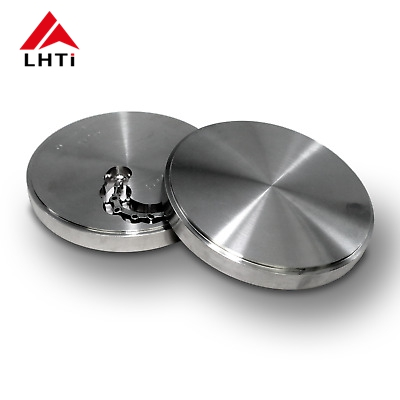
ASTM F136 Titanium Block Gr5 ELI Gr2 Gr4 Disc 98mm Dental Implant
Product Details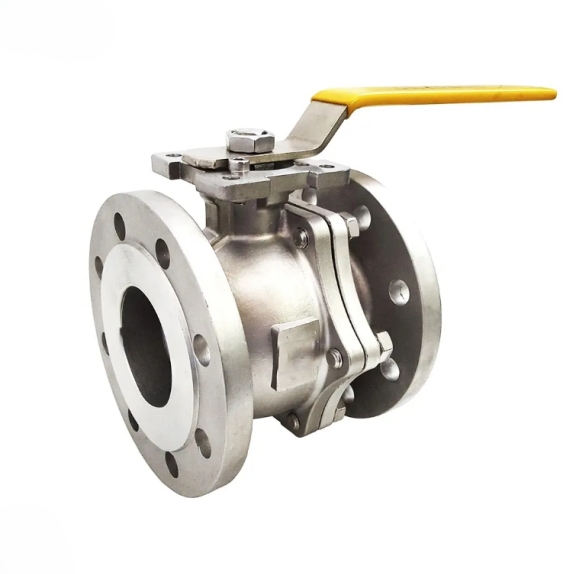
Titanium Flange Ball Valve 150 LB 300 LB Water Oil Gas Flange Ends
Product Details
Manufacturing Prowess
Why Düsseldorf Engineering Firms Choose Jovzi Titanium
Headquartered in Baoji—widely acknowledged as China’s Titanium Valley—Jovzi Titanium Industry Co., Ltd. operates integrated vacuum consumable electro-arc melting, free forging, closed die forging, and 5-axis CNC finish machining.
ISO 9001 Certified Quality Loop
Every forging heat batch undergoes 100% Ultrasonic Testing (UT) per AMS 2631 / ASTM E213, strict dimensional calibration via coordinate measuring machines (CMM), and optical emission spectrometry verification.
Tier-1 Ingot Metallurgy
We completely mitigate hydrogen embrittlement, iron inclusions, and micro-porosity through raw titanium sponge selection and multi-stage vacuum arc remelting (VAR), assuring long operating lifetimes in highly aggressive chemical streams.
ASME B16.5 & DIN EN 1092-1
Complete machining for Weld Neck (WN), Slip-on (SO), Blind (BL), Lap Joint (LJ), and Threaded flanges, accommodating nominal pipe sizes from 1/2" up to 48" with pressure thresholds spanning Class 150 through Class 2500 and PN10 to PN40.
Direct Testing at BaoTi Test Center
Full chemical breakdown and physical strength testing (yield strength, elongation, reduction of area, Charpy V-notch impact) can be independently cross-verified through BaoTi Testing Center, providing absolute reliability for PED 2014/68/EU compliance.
Smooth DDP Logistics to NRW
Seamless door-to-door delivery right to your plant floor across Düsseldorf, Neuss, Krefeld, and Leverkusen. Our export documentation handles customs clearance, tariffs, and inland barge/rail transport seamlessly.
Industry Whitepaper
Strategic Role of Titanium Forged Flanges in the Düsseldorf Industrial Hub
The state capital of North Rhine-Westphalia (NRW) serves as the nucleus for heavy manufacturing, process chemistry, and cutting-edge industrial technology in continental Europe. Here is why titanium forgings remain indispensable.
01 Rhine-Ruhr Chemical & Petrochemical Piping
The industrial corridor between Düsseldorf, Dormagen, and Krefeld operates Europe's dense network of chemical manufacturing facilities. Process systems dealing with wet chlorine gas, chlor-alkali, nitric acid, and organic chlorides experience catastrophic pitting and stress-corrosion cracking (SCC) when fitted with conventional 316L or Hastelloy fittings.
ASTM B381 Grade F-2 (Commercial Pure) and Grade F-7 (Ti-0.15Pd) forged flanges are deployed directly onto reactor nozzles, heat exchanger channels, and chlorination towers. The microscopic palladium addition in Grade 7 elevates crevice corrosion threshold potentials in acidic reducing environments, extending shutdown intervals from months to decades.
- Zero localized pitting in boiling sodium chloride solutions
- Superior surface passivation under high-velocity acid flows
- DIN EN 1092-1 Type 01, Type 05, and Type 11 dimension match
02 Flue Gas Desulfurization & Green Energy Transition
As German energy utilities pivot to modernized combined-cycle power facilities and integrate industrial-scale hydrogen electrolyzers, material demands have shifted dramatically. Heavy scrubbers, wastewater evaporator stations, and marine exhaust scrubbers navigating inland ports like Düsseldorf Harbor require exceptional durability.
Our forged blind flanges and slip-on rings manufactured to ASME B16.5 Class 150/300 provide structural integrity under aggressive cyclic thermo-mechanical stresses. Forging produces a continuous, directional grain flow that mirrors flange geometry, eradicating hidden volumetric porosity often encountered in lower-grade centrifugal castings.
- Engineered for pressurized demineralized water & brine circuits
- Complete resistance to microbial induced corrosion (MIC)
- Optimized weight-to-yield strength balance for offshore modules
Material Intelligence
Engineering Grade Matrix: Titanium Forging Selection
Ensure your mechanical design aligns directly with DIN EN 10222-5 and ASTM B381 criteria to guarantee process integrity in your operational environment.
| ASTM Grade | UNS Number | Yield Strength Min. (MPa) | Tensile Strength Min. (MPa) | Primary Düsseldorf Application Profile |
|---|---|---|---|---|
| Grade F-1 | R50250 | 170 | 240 | Deep draw formability, low-pressure condensate lines, explosive cladding backing plates. |
| Grade F-2 | R50400 | 275 | 345 | Standard industrial workhorse: chemical reaction vessels, plate heat exchangers, DIN EN 1092-1 Type 11 weld necks. |
| Grade F-5 (Ti-6Al-4V) | R56400 | 828 | 895 | High mechanical stress flanges, offshore risers, high-speed centrifuge rings, aerospace ground test units. |
| Grade F-7 | R52400 | 275 | 345 | Aggressive mineral acids, boiling hydrochloric and sulfuric media, specialized valve manifold bodies. |
| Grade F-12 | R53400 | 345 | 483 | High-temperature brine handling (up to 300°C), steam-heated chemical piping, enhanced erosion durability. |
Market Dynamics
Key Procurement & Engineering Trends in NRW
Direct observations on how technical procurement is evolving across Düsseldorf and the broader Ruhr industrial cluster.
Green Hydrogen & PEM Electrolyzer Infrastructure
With North Rhine-Westphalia positioning itself as a central hub in Germany’s national hydrogen strategy, demand for titanium Grade 1 and Grade 2 terminal plates and flange connections has spiked. PEM electrolyzer stacks require ultra-pure, non-contaminating metals that endure anodic oxidation without leaching metal ions into delicate catalyst layers.
Chinese direct manufacturing exporters bridge the capacity deficit in Europe by delivering forged, high-density titanium blocks and custom rings certified to sub-millimeter tolerances, providing European plant builders with reliable scaling capacity.
Tightened Supply Chain Diversification (China-Plus Direct)
German procurement executives have shifted away from multi-layered domestic distributors with long lead times, opting instead for audited Chinese manufacturers capable of furnishing unadulterated mill test reports (MTC 3.1) and direct engineering support.
By bypassing European intermediaries, plants throughout Neuss, Duisburg, and Düsseldorf eliminate 20–35% in unnecessary markups while enjoying direct engineering-to-engineering collaboration from 3D CAD modeling to final hydrostatic testing.
Procurement Insights
Frequently Asked Questions by German Engineering Teams
Clear, direct answers regarding technical parameters, cross-border certifications, and customs handling for German buyers.
Can Jovzi Titanium provide EN 10204 3.1 certification valid for German TÜV audits?
Yes, absolutely. Every forging lot leaving our Baoji plant is accompanied by an authentic EN 10204 3.1 inspection certificate verifying chemical composition via heat analysis, mechanical tensile values, yield criteria, elongation, and ultrasonic test outcomes. On client request, we also collaborate with third-party testing institutions such as the BaoTi Testing Center to fulfill specific AD 2000-Merkblatt W0 and PED (Pressure Equipment Directive) prerequisites.
How do you prevent galling on titanium flange bolt assemblies?
Titanium alloys possess a cohesive oxide film that can experience galling under high contact pressure during torquing. We supply matching Gr5 (Ti-6Al-4V) hardened studs and heavy hex nuts with anti-galling surface options, including micro-arc oxidation, MoS2 solid-film lubricant coatings, or specialized silver plating. We also supply custom bolt sizing to ensure accurate pre-load stress per DIN 2505 design parameters.
What are typical shipping schedules and transit routes to Düsseldorf?
For emergency plant turnarounds or rapid maintenance requirements, air express shipments (via Frankfurt or Cologne-Bonn airports) reach Düsseldorf facilities within 5 to 7 working days. For consolidated containerized freight, shipments are routed via ocean lines to Rotterdam or Hamburg, then transferred via domestic barge or rail directly to Düsseldorf/Duisburg ports within 28 to 35 calendar days under standard DDP or CIF arrangements.
Do you accommodate custom DIN / EN 1092-1 dimensions that differ from ASME standards?
Yes. While ASME B16.5 dominates global petrochemical inquiries, over 65% of our shipments into Germany, Belgium, and the Netherlands demand DIN EN 1092-1 standards (such as Type 01 Plate, Type 02 Loose Flange with Weld-on Collar, Type 05 Blind, and Type 11 Weld Neck). Our CNC machining centers work directly from metric drawings with precise sealing faces, including Raised Face (Form B1/B2), Tongue and Groove (Form C/D), and O-Ring groove finishes.
What minimum order quantity (MOQ) applies to non-standard titanium forged rings?
Because our factory operates both open-die hammer forging and automated hydraulic presses, we maintain an accommodating MOQ policy. Standard forged rings and stub ends start at just 1 piece or 1 kg for evaluation samples. Custom forged rings up to 1500 mm outer diameter can be individually manufactured against your detailed 2D/3D technical drawings.