Engineered Titanium & Advanced Alloy Components
Manufactured with zero-defect quality protocols to DIN, ASTM, and ASME standards. Complete mill certification provided with every delivery.
Industrial Whitepaper: Clad Copper Technologies for Kumanovo
Metallurgical bonding mechanisms, electrochemical superiority, and industrial transition strategies in North Macedonia.
The municipal district of Kumanovo, strategically positioned along the Corridor X industrial transit artery of North Macedonia, is experiencing an accelerated modernization phase within its metalworking, precision machining, and specialized galvanotechnical manufacturing clusters. Central to this industrial re-tooling is the procurement of high-performance composite conductors—foremost among them, Titanium Clad Copper (Ti-Cu) Sheets and Bimetallic Busbars.
In aggressive aqueous electrolytic environments—such as electroplating, zinc extraction, chlor-alkali production, and surface anodizing—traditional bus conductors frequently suffer catastrophic operational trade-offs. Bare copper provides unrivaled electrical conductivity (100% IACS) but rapidly dissolves when exposed to acidic mists, chlorides, and oxidizing electrolyte baths. Conversely, pure titanium displays exceptional passivity and chemical immunity via its native TiO₂ nanometer surface film, yet its modest electrical conductivity leads to excessive ohmic heat loss and parasitic voltage drop under massive amperages. Titanium Clad Copper sheet combines these disparate metallurgical entities into an inseparable, high-efficiency composite conductor.
1. Metallurgical Explosive-Cladding vs. Hot-Roll Co-Extrusion
Achieving a reliable structural and electrical interface between Titanium (Grade 1 or Grade 2) and Oxygen-Free High Conductivity Copper (C10200 / Cu-ETP) requires eliminating intermetallic embrittlement. Direct fusion welding triggers the formation of brittle Ti-Cu phase compounds (Ti₂Cu, TiCu, and TiCu₄), which critically degrade interface ductility and introduce massive electrical contact resistances.
Our ISO 9001 certified manufacturing facility utilizes calibrated explosive welding accompanied by secondary multi-pass hot rolling. Under detonation velocities ranging between 2,200 and 2,800 m/s, an atomic-level jetting effect scrubs surface oxide contaminants off both metals, producing a distinctive wavy metallurgical bond interface. The resultant shear strength consistently exceeds 135 MPa (comfortably outperforming the ASTM B898 requirement of 95 MPa), ensuring that thermal cycling between ambient temperatures and 180°C operating tank temperatures induces zero micro-delamination.
| Technical Characteristic | Bare Electrolytic Copper | CP Titanium Grade 2 | Jovzi Titanium Clad Copper Sheet |
|---|---|---|---|
| Electrical Conductivity (% IACS) | 100% | ~3.1% | 92% – 95% (Thickness dependent) |
| Corrosion Resistance in Acidic Chloride | Rapid Degeneration & Pitting | Virtually Inert (<0.005 mm/yr) | Absolute Titanium Barrier Protection |
| Interfacial Shear Strength | N/A (Monolithic) | N/A (Monolithic) | >135 MPa (Explosive Bond Wave) |
| Thermal Conductivity (W/m·K) | ~390 | ~21.9 | ~340 (Dominant Core Conduction) |
| Anodic Tank Bath Lifetime Expectancy | 3 to 9 Months | >10 Years | >10 Years (Continuous Duty) |
2. Localized Industrial Applications Across Kumanovo & Neighboring Economic Zones
Modernization within the Skopje–Kumanovo regional production corridors has unlocked distinct application niches where titanium-copper composite technology directly impacts bottom-line unit economics:
Hydrometallurgical Electrowinning
Anode hanger bars and cell current feed sheets utilized in regional copper, nickel, and zinc electrowinning tankhouses, resisting aggressive sulfuric mist.
High-Current Electroplating
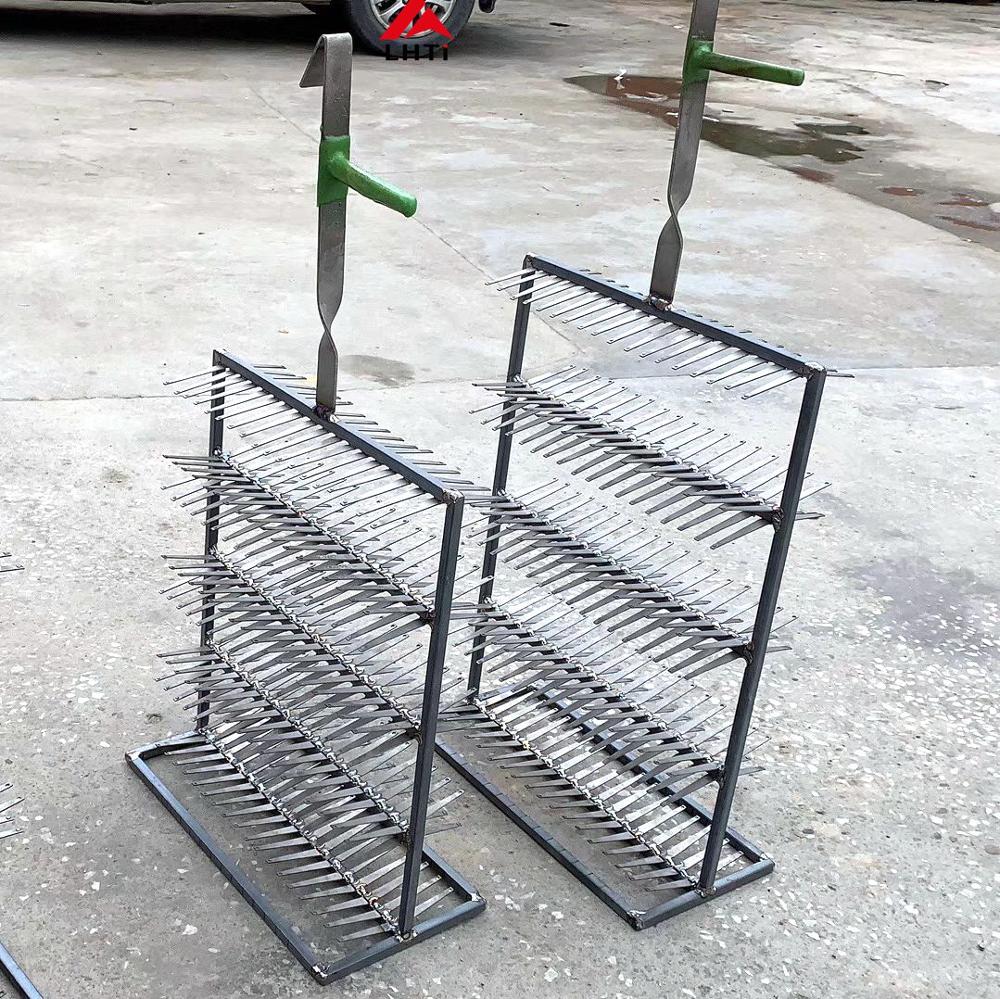
Continuous reel-to-reel and jig-frame plating lines for automotive fasteners and stamped hardware in Kumanovo's precision engineering supply chain.
Wastewater & Mixed Metal Oxide (MMO)
Substrate distribution plates for electro-chlorination, industrial wastewater treatment cells, and cathodic protection systems requiring high uniform current.
3. Emerging Trends in North Macedonia's Metal Processing Landscape
As North Macedonia progresses in harmonizing environmental regulations with European Union standards (including IPPC directives for hazardous emissions and industrial energy conservation), regional manufacturing firms in Kumanovo face intense pressure to eliminate electrical transmission waste and chemical bath contamination. The adoption of titanium-clad copper sheet systems yields two critical environmental and financial milestones:
- Energy Conservation: Due to continuous copper-to-copper electrical cross-sections wrapped seamlessly in 1.0mm–2.5mm grade titanium cladding, electrolytic contact resistance drops by up to 22% compared to bolted or mechanical sleeve bars. A typical 20kA electrowinning bank saves tens of thousands of kilowatt-hours annually.
- Zero Copper Bath Contamination: Monolithic copper busbars drop copper sulfate crystals and copper oxide scale directly into plating electrolytes, causing high part rejection rates. Titanium hermetically encapsulates the copper core, completely insulating the plating bath from metal leaching.
Factory Strengths & Proven Engineering Credentials
Headquartered in Baoji, China's Silicon & Titanium Valley, Jovzi Titanium delivers verifiable metallurgy with deep OEM capabilities.
Authoritative Traceability
Direct heat-number stamping with full EN 10204 3.1 Mill Test Certificates. Verified third-party mechanical, ultrasonic, and chemical test reports issued by the BaoTi Test Center on request.
Senior Engineering Team
Driven by 4 senior and 5 intermediate metallurgical engineers with over 19 years of international export prowess, providing customized 2D/3D technical modeling and weld seam optimization.
Ultrasonic Integrity Inspection
100% C-scan ultrasonic testing (UT per ASTM B898 Class A) to guarantee 99.9% interfacial bonding coverage without voids, gas pockets, or micro-cracks before dispatch.
Frequently Asked Questions by Kumanovo Procurement Engineers
Key technical and commercial inquiries regarding logistics, custom cladding ratios, and installation.
How does Jovzi guarantee zero liquid infiltration into the copper core at sheet edge cuts?
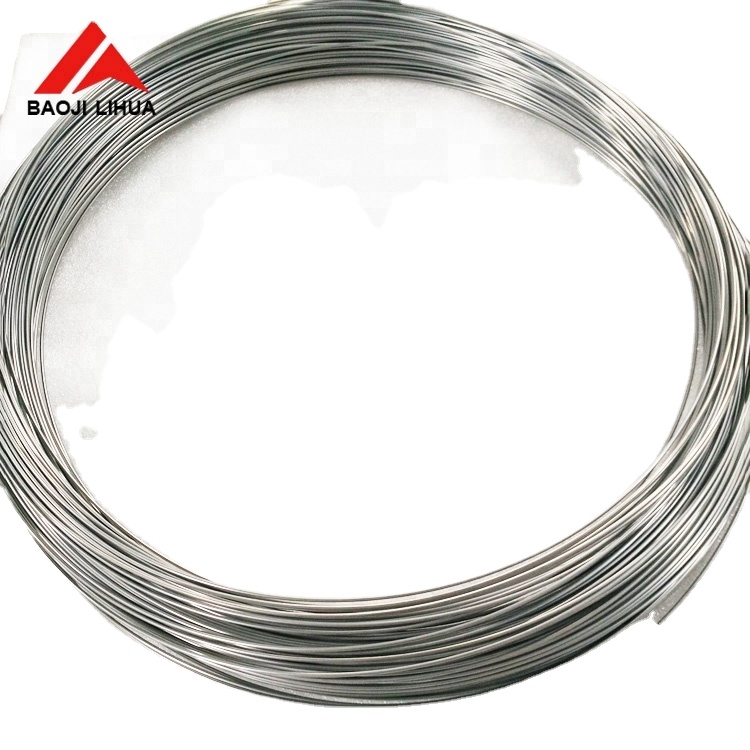
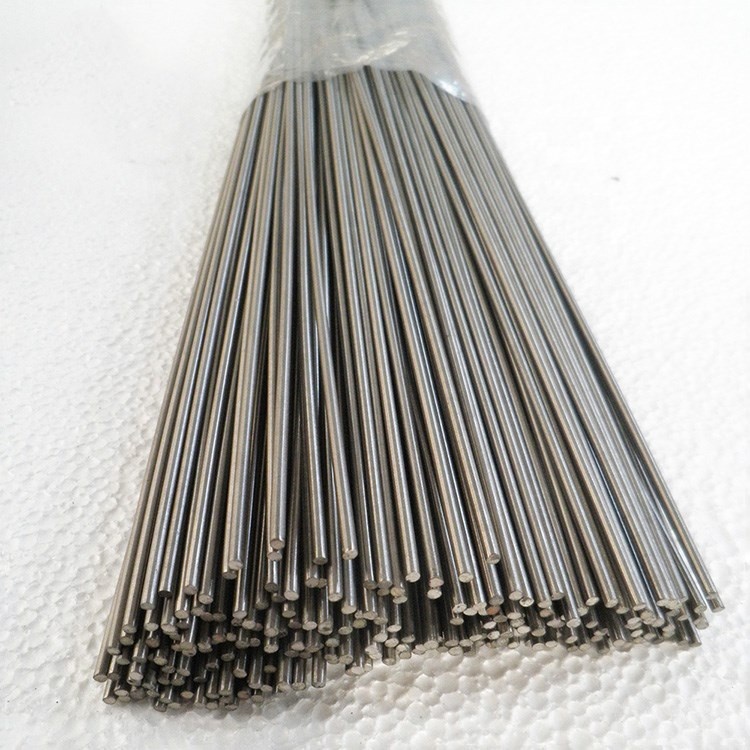
For submerged or humid vapor applications, bare edge cuts are prohibited. We provide automated TIG edge seal welding using Gr1/Gr2 filler wire or wrap-around micro-rolled titanium cladding. Every finished edge undergoes liquid penetrant inspection (PT) and helium leak testing to guarantee complete hermetic sealing.
What standard cladding ratios and thickness dimensions are available for import to Kumanovo?
Common clad sheets range from 2.0mm to 35mm in total thickness. The typical titanium skin ranges from 1.0mm to 2.5mm per side, with oxygen-free copper making up the balance. Widths up to 1,250mm and lengths up to 4,000mm can be supplied with custom machining, drilled bolt patterns, and edge chamfers.
What Incoterms and freight routes are utilized for North Macedonia shipments?
We routinely supply European industrial customers via CIP Skopje/Kumanovo, CIF Thessaloniki (Greece) for ocean container consolidation, or door-to-door express (DDP via DHL/FedEx) for urgent maintenance prototypes. Material arrives packed in robust, moisture-sealed export-grade wooden crates.
Can you supply custom curved, drilled, or shaped clad plates according to CAD drawings?
Yes. Jovzi specializes in OEM fabrication. Our facility operates multi-axis CNC machining centers, waterjet cutting systems, and specialized bending presses capable of forming complex contact brackets and busbar assemblies without delaminating the bond zone.
How does the thermal expansion difference between Titanium and Copper behave during high-amp cycles?
Titanium exhibits an expansion coefficient of ~8.6×10⁻⁶/K, whereas copper is ~16.5×10⁻⁶/K. The ductile, atomic-level wavy explosive bond absorbs shear stress during routine thermal cycles up to 200°C without risk of interface fracture, retaining 100% electrical continuity over years of operation.